
Dr Sebagh Sun & City Protection SPF 50+

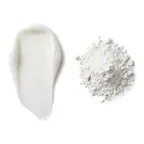 Zinc Oxide
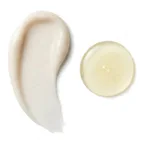 Ethylhexyl Methoxycinnamate
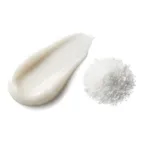 Diethylamino Hydroxybenzoyl Hexyl Benzoate
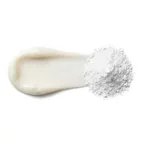 Titanium Dioxide
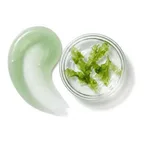 Hydrolyzed Algae Extract
Zinc oxide, titanium dioxide, and hydrolyzed algae extract provide sun protection and soothe the skin, so it suits most skin types. For skin that needs oil control, sunscreens with niacinamide get higher fit scores.
Each fit is calculated for the concerns frequently associated with that skin type. For scores and recommendations based on your full skin profile, including your 12D face scan results and goals, use the Lovi app.
Updated How the Fit score works
Where it fits best and least
Best fit Superior
Dry Skin, Sensitive Skin, Skin with Dark Spots, Mature Skin, Dry Sensitive Skin
One of the best sunscreens for dry skin.
- Excellent suitability for your dry skin is provided by Glycerin and Oleic Linoleic Linolenic Polyglycerides, which offer superior humectant and emollient actions to combat dryness and flakiness. Biosaccharide Gum-4 and Cucumis Melo Fruit Extract further enhance skin hydration and soothing, ensuring comfort for your dry skin.
Lowest fit High
Oily Skin, Combination Skin, Acne-Prone Skin, Oily Acne-Prone Skin
A great choice for oily skin; a few sunscreens fit it even better.
- Highly suitable for your oily skin, this product's zinc oxide and titanium dioxide offer excellent mattifying and sebum-controlling properties, while Biosaccharide Gum-4 provides a protective, non-greasy film. Glycerin and sea water further support your goal of reducing oily shine by providing essential hydration and soothing benefits.
How to apply
- Apply this sunscreen during your AM routine every single day. Reapply every two hours if you are staying outdoors.
- Apply the sunscreen as the final step of your morning skincare routine after your moisturizer. Allow your moisturizer to absorb fully before putting it on.
- Squeeze a generous amount and pat it gently all over your face and neck. Avoid rubbing the product harshly into your skin.
- Avoid getting the product directly into your eyes and stop using it if any irritation occurs.
People Say
★4.5Overall rating based on 100+ reviewsBased on limited data, this product is highly regarded as a breakthrough multi-protection sunscreen suitable for city environments, offering defense against UV rays, pollution, and blue light. Users with oily and combination skin types particularly appreciate its lightweight, non-greasy formula that provides a matte finish and works well as a makeup primer without typical high SPF stickiness.
Highlights
Lightweight texture Mostly Mentioned
Comprehensive protection Often Mentioned
Matte finish Often Mentioned
Good makeup base Sometimes Noted
No white cast Sometimes Noted
High price point Sometimes Noted
Availability issues Rarely Noted
Chemical filters Rarely Noted
Scent concerns Rarely Noted
Sources: lovi.care, spacenk.com, selfridges.com, libertylondon.com, editorialist.com, wimj.com, and more
Questions and answers
What makes Dr Sebagh Sun & City Protection SPF 50+ one of the best fits for dry skin?
This sunscreen is one of the best fits for dry skin because it uses glycerin and special oils to deeply moisturize and stop flakiness. It also includes soothing melon extract and algae to boost hydration and comfort. Plus, high levels of zinc oxide and titanium dioxide shield your skin from the sun without causing irritation.
What makes Dr Sebagh Sun & City Protection a great fit for oily skin?
This product is a great fit because its zinc oxide and titanium dioxide help control shine, while a protective film keeps the feel non-greasy. Glycerin and sea water provide light hydration, and algae extract helps soothe the skin while protecting it from UV rays.
Antioxidants & Redox Signaling, 2006Annals of the New York Academy of Sciences, 2004
What makes Dr Sebagh Sun & City Protection SPF 50+ a great fit for combination skin?
This product is a great fit because Zinc Oxide and Titanium Dioxide provide physical sun protection and a mattifying effect to control oily shine, while melon fruit extract and algae help keep skin hydrated. Melanin also helps protect against visible light to keep your skin tone even, and the formula is safe and unlikely to cause irritation.
Is this cream fragrance-free and alcohol-free?
Yes, it has no fragrance and no drying alcohol.
What makes Dr Sebagh Sun & City Protection SPF 50+ one of the best fits for sensitive skin?
This sunscreen is one of the best fits for sensitive skin because it uses soothing ingredients like Hydroxyphenyl Propamidobenzoic Acid and Hydrolyzed Algae Extract to keep skin calm, alongside Zinc Oxide and Titanium Dioxide for gentle yet strong sun protection. The formula is very safe for delicate skin because it avoids harsh additives and includes gentle hydrating agents.
What makes Dr Sebagh Sun & City Protection SPF 50+ a great fit for acne-prone skin?
Dr Sebagh Sun & City Protection SPF 50+ is a great fit because Zinc Oxide and Titanium Dioxide provide gentle physical sun protection that helps shield against acne-aggravating UV rays without irritation. Ingredients like Melanin and Biosaccharide Gum-4 offer soothing benefits, and the formulation is safe with no harsh ingredients.
Journal of Controlled Release, 2025Archives of Dermatological Research, 2024
What makes Dr Sebagh Sun & City Protection SPF 50+ one of the best fits for skin with dark spots?
This sunscreen is one of the best fits for skin with dark spots because it includes ingredients like ascorbicyl palmitate and hydrolyzed algae extract that help brighten skin and protect against sun damage. It also provides essential hydration with glycerin while keeping your skin calm with soothing plant extracts.
Clinical, Cosmetic and Investigational Dermatology, 2017Journal of Photochemistry and Photobiology. B, Biology, 2009
What makes Dr Sebagh Sun & City Protection SPF 50+ a great fit for oily acne-prone skin?
This product is a great fit because it uses Zinc Oxide and Titanium Dioxide to protect your skin from the sun while mattifying and controlling extra oil. Its lightweight film helps manage shine, and ingredients like Hydrolyzed Algae Extract calm your skin to keep it comfortable without irritation.
What makes Dr Sebagh Sun & City Protection SPF 50+ one of the best fits for mature skin?
This sunscreen is one of the best fits for mature skin because it uses high concentrations of zinc oxide and titanium dioxide for sun protection, alongside tocopheryl acetate and hydrolyzed algae extract to help keep skin smooth, hydrated, and protected against fine lines.
Scientific Reports, 2025Antioxidants & Redox Signaling, 2006
What makes Dr Sebagh Sun & City Protection SPF 50+ one of the best fits for dry sensitive skin?
This sunscreen is an excellent fit for your dry sensitive skin because it uses moisturizers like glycerin and skin-softening ingredients to keep your skin hydrated and support your skin barrier. It also includes sea water and algae extract, which help soothe flaky skin and are unlikely to cause irritation.
What the research says
Replacing microsized titanium dioxide and zinc oxide with nanoparticles in sunscreens eliminates opaqueness and alters UV protection balance while inducing (photo)cyto- and genotoxicity and penetrating viable skin layers during long-term exposures.
Nanotechnology, Science and Applications, 2011Topical 0.5% hyaluronic-ZnO nanogel applied twice daily reduced inflammatory-lesion counts by 58% at week four in human subjects compared to baseline without causing erythema.
Biomedicines, 2025Daily use of a deep cleansing gel containing salicylic acid 2%, zinc gluconate 0.2% and lipohydroxy acid 0.05% significantly reduced total lesion count by 56.3% after 84 days in 35 subjects with mild to moderate truncal acne.
Clinical, Cosmetic and Investigational Dermatology, 2023Topical zinc oxide nanogels formulated using Dendrobium anosmum showed greater effectiveness against Gram-positive acne-causing bacteria compared to chemogenic nanoparticles.
Molecules, 2023Encapsulation of ethylhexyl methoxycinnamate and butyl methoxydibenzoylmethane in lipid microparticles significantly reduced their in vivo human skin penetration compared to nonencapsulated filters.
Skin Pharmacology and Physiology, 2011Replacing 20% of the chemical UV filter octyl methoxycinnamate with urucum oil in solid lipid nanoparticles maintained the skin protection factor without inducing toxic responses or significant skin penetration in human volunteers.
Skin Pharmacology and Physiology, 2018The application of a sunscreen formulation containing ethylhexyl methoxycinnamate, ethylhexyl salicylate, methyl anthranilate, and octocrylene does not significantly affect critical acne-related species such as Cutibacterium acnes and Staphylococcus epidermidis, refuting the induction of facial dysbiosis in men.
Archives of Dermatological Research, 2024Oral and dermal administration of Uvinul A plus resulted in three major urinary metabolites accounting for 52% of the oral dose, with a very low estimated daily systemic exposure of 8.1-9.3 μg/d in volunteers not intentionally exposed.
International Journal of Hygiene and Environmental Health, 2020Microfine titanium dioxide does not penetrate human skin when formulated in an oil-in-water emulsion with the pigment dispersed in the aqueous phase, compared to oily dispersions and liposomal encapsulation which allow deeper skin penetration.
International Journal of Cosmetic Science, 2000Hyaluronic acid-grafted titanium dioxide nanoparticles increased SPF from 13.3 to 19.1 while demonstrating low photocatalytic activity, exceptional thermal stability with >95% SPF retention, enhanced moisturization with >80% hydration retention, and minimal cytotoxicity with 88.5% cell viability in HaCaT keratinocytes compared to unmodified nanoparticles.
International Journal of Biological Macromolecules, 2025A single application of a moisturizing fluid containing hyaluronic acid 1%, glycerin 5%, and Centella asiatica stem cells extract significantly increased skin hydration by 29% and reduced transepidermal water loss at 24 hours compared to baseline and an untreated control site in twenty healthy women.
Clinical, Cosmetic and Investigational Dermatology, 2017Biomimetic hyaluronic acid-stabilized zinc oxide nanoparticles selectively inhibited C. acnes, outperformed erythromycin in preclinical acne models, and safely reduced acne lesions and redness in a clinical trial.
Journal of Controlled Release, 2025An algae extract prepared from Phaeodactylum tricornutum stimulated and protected proteasome peptidase activities and lowered protein oxidative damage in human keratinocytes exposed to UVA and UVB irradiation.
Antioxidants & Redox Signaling, 2006Multilamellar liposomes containing octyl methoxycinnamate increased stratum corneum accumulation and reduced deeper skin penetration compared to conventional emulsions and small unilamellar liposomes in six volunteers, resulting in a slightly better sun protection factor.
Journal of Cosmetic Science, 2008Topical astaxanthin-loaded algae extract hydrogel and lipogel formulations exhibited the highest antioxidant activity and successful in vitro release, suggesting their potential as anti-aging formulations.
Journal of Cosmetic Dermatology, 2019A single application of 1.0 and 5.0% w/v Cucumis melo polysaccharide extract solutions showed significantly greater short-term skin hydrating efficacy than the benchmark in 20 volunteers.
Natural Product Research, 2026Treatment with lipid algae extract reduced the level of oxidized proteins in human keratinocytes and stratum corneum skin cells.
Annals of the New York Academy of Sciences, 2004Melanin derived from Amorphotheca resinae formulated in a 5% cream provided broad-spectrum sunscreen performance with high antioxidant activity and no statistically significant cytotoxicity to human keratinocyte cell lines compared to control benchmarks.
RSC Advances, 2021Co-exposure to titanium dioxide nanoparticles exerted an antagonistic effect on zinc oxide nanoparticle-induced cytotoxicity and DNA damage in human keratinocytes and a reconstructed human epidermis model by restricting cellular uptake and decreasing zinc ion dissociation.
Nanomaterials, 2022Dermatological products containing d-alpha tocopheryl acetate showed non-comedogenic potential with less than a 50% increase in microcomedones in 12 healthy male subjects compared to octyl palmitate.
Contemporary Clinical Trials Communications, 2021Phenylalanine, ascorbyl palmitate, and sodium ascorbyl phosphate reduced UV-induced lipid peroxidation in linoleic acid and porcine ear skin both in the absence and presence of titania powders, with sodium ascorbyl phosphate and ascorbyl palmitate showing stronger antioxidant effects than phenylalanine on linoleic acid.
Journal of Photochemistry and Photobiology. B, Biology, 2009A topical antioxidant serum significantly reduced air pollution-induced skin pigmentation and proinflammatory gene expression ex vivo, and improved skin aging signs in 40 healthy adult females after 90 days of daily use.
Journal of Cosmetic Dermatology, 2022Co-encapsulation of alpha-tocopherol and alpha-tocopheryl acetate in nanostructured lipid carrier gel formulations significantly enhanced moisture retention up to 68% and improved skin elasticity in human volunteers compared to a solution gel.
Scientific Reports, 2025Lecithin-based nanoemulsions showed superior viability in human skin cells compared to SDS-based formulations, with components remaining in superficial stratum corneum layers indicating low skin irritation risk.
International Journal of Pharmaceutics, 2020
Ingredients
Water, Zinc Oxide, Caprylic Capric Triglyceride, Ethylhexyl Methoxycinnamate, C12-15 Alkyl Benzoate, Diethylamino Hydroxybenzoyl Hexyl Benzoate, Octocrylene, Titanium Dioxide, Lauryl Peg-9 Polydimethylsiloxyethyl Dimethicone, Methyl Methacrylate Crosspolymer, Glycerin, Oleic Linoleic Linolenic Polyglycerides, Dimethicone, Sodium Chloride, Sea Water, Phenoxyethanol, Alumina, Phenyl Trimethicone, Tocopheryl Acetate, Pentylene Glycol, Butylene Glycol, Stearalkonium Hectorite, Isostearic Acid, Lecithin, Polyglyceryl-3 Polyricinoleate, Polyhydroxystearic Acid, Chlorphenesin, Sodium Citrate, Caprylyl Glycol, Stearic Acid, Propylene Carbonate, Hydroxypropyltrimonium Maltodextrin Crosspolymer, Bht, Hydroxyphenyl Propamidobenzoic Acid, Hydrolyzed Algae Extract, Melanin, Biosaccharide Gum-4, Cucumis Melo Fruit Extract, Ascorbyl Palmitate, Tocopherol, Ethylhexylglycerin
Behind these fit scores
Lovi calculates every fit score from the full ingredient list with brand-independent rules our dermatologists and cosmetic chemists build and review, and personalizes every pick with AI trained on the real results of millions of users. Lovi trains its fit score models on a proprietary dataset built from more than 10,000 expert-labeled products and more than 100,000 simulated examples, following an internally consistent methodology presented at Cosmoprof, AMWC, and Skin of Color Update.
-

Co-founder, Medical Director
Cosmetic chemist, cosmetologist, aesthetic products developer
-

Co-founder, CEO and CTO
PhD in computer science, 3x US patent holder, ex-Google, ex-Yandex
-

Dr. Sofía Perea Pérez, MD, MSc
Medical Board
Aesthetic medicine practitioner, MSc in Longevity and Anti-Aging Medicine
-

Medical Board
Specialist dermatologist, MBBS, MD, IFAAD
-

Medical Board
Cosmetic chemist, SCS, IFSCC member
-

Medical Board, Medical Advisor
Dermatology MD
-

Elina Nazarenko, MD
Medical Board
Dermatology and diagnostic consultant
-

Victoria Derkova, MS
Medical Board
Cosmetic chemist, cosmetic development technologist


How does it fit your skin?
Scan your face, then any product: Lovi shows how well it fits you and what fits even better.