Dr. Dennis Gross Advanced Retinol + Ferulic Triple Correction Eye Serum for oily acne-prone skin

 Retinol
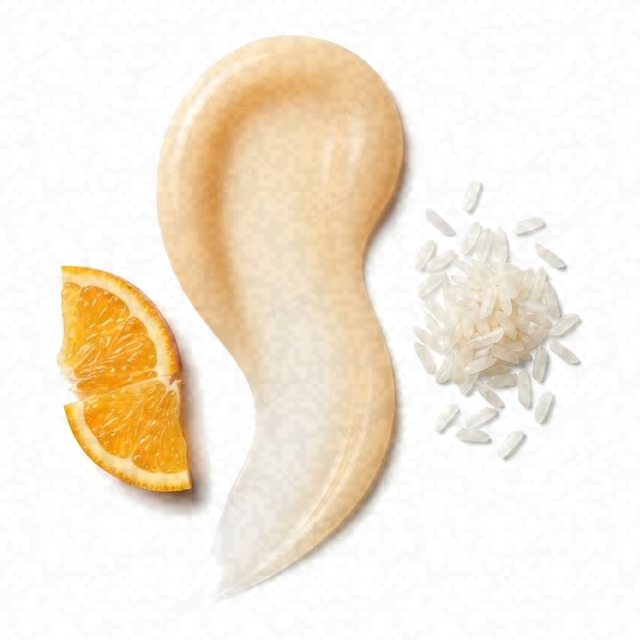 Ferulic Acid
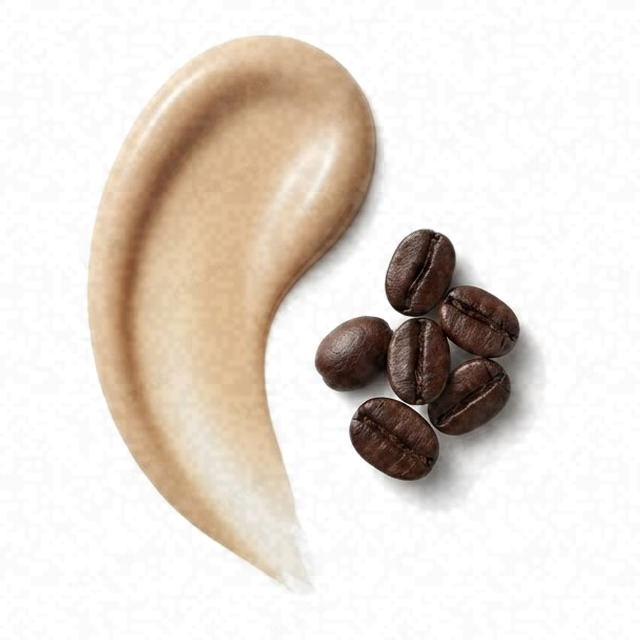 Caffeine
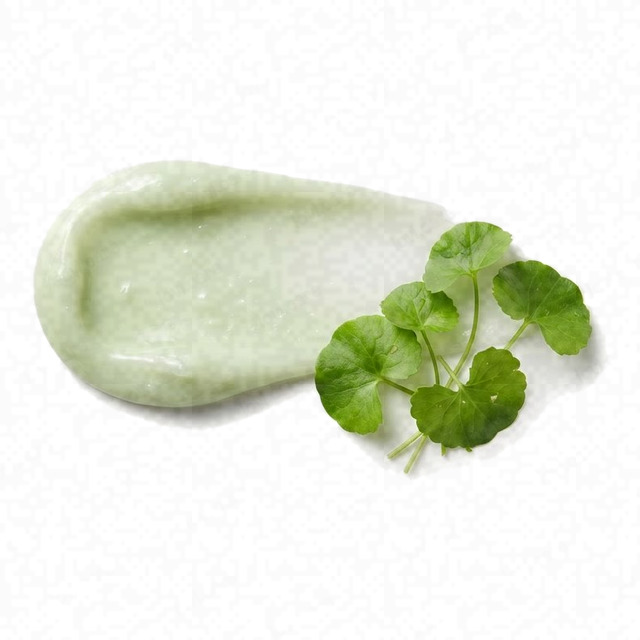 Centella Asiatica Extract
 Glycolic Acid
High
- HighOily Skin Fit
- AverageEffectiveness
- HighSafety
One of the best eye cares for oily acne-prone skin.
This fit is calculated for the concerns frequently associated with oily acne-prone skin: shine, breakouts, blemishes, and enlarged pores. For scores and recommendations based on your full skin profile, including your 12D face scan results and any goals or preferences you have, please use the Lovi app.
Page built Nov 8, 2026How the Fit score works
Lovi Assistant explains
- Highly suitable for your oily skin, this serum effectively targets wrinkles and smooths texture with retinol and salicylic acid, promoting cell turnover and minimizing fine lines.
- While ingredients like Centella Asiatica Extract and Sodium Hyaluronate offer general hydration and soothing benefits, they are less directly relevant to your primary concerns of acne, blemishes, and breakouts.
- The product is safe for your oily skin, featuring soothing Centella Asiatica Extract and Licorice Root Extract with no harsh ingredients.
People Say
★4.5Overall rating based on 600+ reviewsUsers report this serum effectively firms the eye area and smooths fine lines, with a lightweight gel texture that absorbs quickly and layers well under makeup. Many see visible improvements in crepey skin and puffiness. A minority of users with sensitive skin experienced irritation, dryness, or stinging due to the retinol content.
Highlights
Lightweight texture Mostly Mentioned
- “spreads easily on the skin and sinks in quickly”
- “absorbs easily and quickly into the sensitive skin”
- “gel like texture... really cooling”
Reduces lines Often Mentioned
- “significantly helps with my dark circles, bags and hooded eyes”
- “really fine lines I felt have literally faded away”
- “improves my fine lines... they're definitely reduced”
High price point Often Mentioned
- “only downside, obviously, is the price”
- “good one, but pricey”
- “expensive for the amount”
Firms skin Sometimes Noted
- “tightens the area under my eye”
- “makes my skin firmer, more toned”
- “visibly lifts, smooths and hydrates”
Good under makeup Sometimes Noted
- “doubles as an eye primer”
- “perfect primer for makeup”
- “layers well under concealer”
Caused irritation Sometimes Noted
- “developed breakout after using this product”
- “tingled when I put it on”
- “too strong for me”
Not moisturizing Rarely Noted
- “not moisturising enough for me... especially during winter”
- “very drying”
- “need to layer additional moisturising eye cream”
Packaging issues Rarely Noted
- “pump... clog up every once in a while”
- “hard to get the last bit out”
- “dispenses too much product”
Sources: lovi.care, sephora.com, dermstore.com, lovelyskin.com, cultbeauty.co.uk, drdennisgross.com, and more
Questions and answers
What makes Advanced Retinol + Ferulic Triple Correction Eye Serum a great fit for oily acne-prone skin?
This eye serum is a great fit because it uses retinol and salicylic acid to smooth texture and target wrinkles while promoting cell turnover. It also features soothing ingredients like centella asiatica extract and licorice root extract with no harsh ingredients, making it safe and gentle for oily skin.
Which ingredients make this serum a good fit for oily acne-prone skin?
Retinol and salicylic acid make this serum a great fit for your oily acne-prone skin because they help clear breakouts and smooth texture by encouraging skin renewal. Ingredients like centella asiatica extract and licorice root extract also help keep your skin calm and comfortable.
What does Retinol do for oily acne-prone skin?
Retinol helps oily acne-prone skin by clearing up breakouts and smoothing the skin, though it may occasionally cause some mild scaling or stinging. This ingredient works by addressing the root causes of acne, making it a reliable choice for keeping pores clear and skin smooth.
American Journal of Clinical Dermatology, 2019Journal of Drugs in Dermatology, 2018
What does Ferulic Acid do for oily acne-prone skin?
Ferulic acid helps protect oily, acne-prone skin from sun damage and supports recovery after breakouts or treatments. This ingredient reduces redness and dark marks while helping to calm irritation.
Journal of the American Academy of Dermatology, 2008Journal of Cosmetic Dermatology, 2008
Where does this serum go in a skincare routine for oily acne-prone skin?
This eye serum goes in the evening routine after cleansing and before moisturizing, as evening application provides extra safety around sun exposure. It helps smooth texture and target breakouts with retinol and salicylic acid.
Can I use this serum with vitamin C, and in what order?
You can use this serum with vitamin C, but it is best to apply them at different times of day to keep your skin calm and avoid irritation.
How often should I use this serum?
You can use this serum in the evening once a week to start, and then carefully use it more often if your skin tolerates it well and shows good results. Using retinol and exfoliating acids helps smooth texture and target breakouts, though it may occasionally cause mild stinging or scaling.
Can this serum clog pores, cause breakouts or purging for oily acne-prone skin?
This eye serum is a great fit for oily acne-prone skin and is unlikely to clog pores, though retinol may cause some initial purging or mild irritation as it speeds up cell turnover. Its lightweight formula keeps the eye area smooth without feeling heavy or greasy.
Is this serum fragrance-free and alcohol-free?
Yes, it has no fragrance and no drying alcohol.
What the research says
Topical 0.4% retinol significantly increased epidermal thickness, dermal vascularity, and extracellular matrix production by stimulating keratinocyte proliferation, endothelial cell proliferation, and fibroblast activation in naturally aged human skin compared to vehicle.
International Journal of Cosmetic Science, 2017Topical bakuchiol 0.5% applied twice daily compared with retinol 0.5% applied daily significantly decreased wrinkle surface area and hyperpigmentation with no statistical difference between the compounds in 44 patients over 12 weeks, while retinol users reported more facial skin scaling and stinging.
The British Journal of Dermatology, 2019Cosmetic formulations containing 5% Centella asiatica extract showed the best efficacy in improving skin moisture and decreasing transepidermal water loss, while also exhibiting antiinflammatory properties in 25 volunteers compared to baseline measurements.
Indian Journal of Pharmaceutical Sciences, 2016Co-delivery of paeonol and madecassoside via nanoemulsions improved transdermal delivery, promoted barrier repair proteins, inhibited inflammatory cytokine secretion in cellular and 3D models, and reduced transepidermal water loss and acne in human facial skin compared to free components.
Molecules, 2023Silicone particles encapsulating retinol increased its half-life by 9-fold and yielded 12-23% lower skin irritation in human subjects compared to Microsponge particles while maintaining biological activity.
Journal of Controlled Release, 2018Topical stabilized retinol treatment induced HAS gene expression and increased hyaluronic acid production in human skin in vitro, ex vivo, and in vivo compared to vehicle.
Archives of Dermatological Research, 2017Topical application of all-trans-retinol induced epidermal thickening and increased retinoid binding protein expression similar to all-trans-retinoic acid in normal human skin, but without causing significant erythema or measurable retinoic acid levels.
The Journal of Investigative Dermatology, 1995Treatment with 14% ferulic acid and 12% l-ascorbic acid significantly reduced pigmentation and erythema while improving hydration and elasticity in 20 women with photoaged skin, with neither acid proving definitively more effective overall though ascorbic acid showed slightly greater skin lightening.
Dermatologic Therapy, 2022Combining fractional microneedle radiofrequency with a topical antioxidant serum significantly reduced wrinkle severity by 29.9% versus 18.0%, increased elasticity by 12.9% versus 2.3%, and improved aesthetic outcomes in 31 participants compared to radiofrequency and placebo.
The Journal of Dermatological Treatment, 2025Pretreatment with a topical antioxidant mixture of vitamin C, ferulic acid, and phloretin attenuated ultraviolet-induced sunburn cell formation, thymine dimer formation, matrix metalloproteinase-9 expression, p53 protein expression, and the suppression of CD1a-expressing Langerhans cells in human skin compared to vehicle control.
Journal of Cosmetic Dermatology, 2008A topical cosmetic slimming product containing tetrahydroxypropyl ethylenediamine, caffeine, carnitine, forskolin and retinol significantly reduced body circumferences and improved skin aspect compared with placebo in 78 women over 12 weeks.
International Journal of Cosmetic Science, 2011Topical sunscreen formulations containing caffeine combined with UV filters increased in vivo anti-UVB protection by approximately 25% and showed higher SPF values compared to caffeine-free sunscreen, while being well tolerated by the skin of healthy subjects.
Frontiers in Physiology, 2019Caffeine gel combined with choline geranate showed high skin permeation capacity and superior clinical results in cellulite treatment compared to caffeine gel without ionic liquid.
AAPS PharmSciTech, 2021Topical application of 0.05% w/w ECa 233 gel reduced erythema index by 0.03 U and improved early crusting and general wound appearance compared to placebo in thirty individuals undergoing facial laser resurfacing.
Journal of Alternative and Complementary Medicine, 2020A single application of a moisturizing fluid containing hyaluronic acid 1%, glycerin 5%, and Centella asiatica stem cells extract significantly increased skin hydration by 29% and reduced transepidermal water loss at 24 hours compared to baseline and an untreated control site in twenty healthy women.
Clinical, Cosmetic and Investigational Dermatology, 2017Moisturizer containing 5% panthenol, madecassoside, and copper-zinc-manganese decreased adverse reactions and downtime after ablative fractional carbon dioxide laser resurfacing with comparable efficacy to 0.02% triamcinolone acetonide cream in 20 subjects.
Journal of Cosmetic Dermatology, 2019Repeated short-contact 70% glycolic acid peels provided superior results in atrophic acne scars compared to daily low-strength glycolic acid cream or placebo in 58 women over 24 weeks.
International Journal of Dermatology, 2000Serial glycolic acid peels combined with a modified Kligman formula significantly reduced facial PIH severity in Indian patients compared to the modified Kligman formula alone.
Dermatologic Surgery, 2017
Ingredients
Water, Propylene Glycol, Ethoxydiglycol, Bakuchiol, Retinol, Nephelium Lappaceum Leaf Extract, Ferulic Acid, Ubiquinone, Quercetin, Camellia Sinensis Leaf Extract, Sodium Hyaluronate, Saccharide Isomerate, Centella Asiatica Extract, Caffeine, Willow Bark Extract, Salicylic Acid, Arctostaphylos Uva-Ursi Leaf Extract, Morus Alba Bark Extract, Glycyrrhiza Glabra Root Extract Licorice Root Extract, Potassium Azeloyl Diglycinate, Glycolic Acid, Panthenol, Butylene Glycol, Glycerin, Disodium Lauriminodipropionate Tocopheryl Phosphates, Leuconostoc Radish Root Ferment Filtrate, Mandelic Acid, Potassium Hydroxide, Maltodextrin, Pvm Ma Decadiene Crosspolymer, Polysorbate 20, Citric Acid, Sodium Citrate, Phenoxyethanol, Sodium Benzoate, Potassium Sorbate
Behind this fit score
Lovi calculates every fit score from the full ingredient list with brand-independent rules our dermatologists and cosmetic chemists build and review, and personalizes every pick with AI trained on the real results of millions of users. Lovi trains its fit score models on a proprietary dataset built from more than 10,000 expert-labeled products and more than 100,000 simulated examples, following an internally consistent methodology presented at Cosmoprof, AMWC, and Skin of Color Update.
-

Co-founder, Medical Director
Cosmetic chemist, cosmetologist, aesthetic products developer
-

Co-founder, CEO and CTO
PhD in computer science, 3x US patent holder, ex-Google, ex-Yandex
-

Dr. Sofía Perea Pérez, MD, MSc
Medical Board
Aesthetic medicine practitioner, MSc in Longevity and Anti-Aging Medicine
-

Medical Board
Specialist dermatologist, MBBS, MD, IFAAD
-

Medical Board
Cosmetic chemist, SCS, IFSCC member
-

Medical Board, Medical Advisor
Dermatology MD
-

Elina Nazarenko, MD
Medical Board
Dermatology and diagnostic consultant
-

Victoria Derkova, MS
Medical Board
Cosmetic chemist, cosmetic development technologist


How does it fit your skin?
Scan your face, then any product: Lovi shows how well it fits you and what fits even better.