Derma E Vitamin C Intense Night Cream for sensitive skin

 Ascorbic Acid
 Sodium Hyaluronate
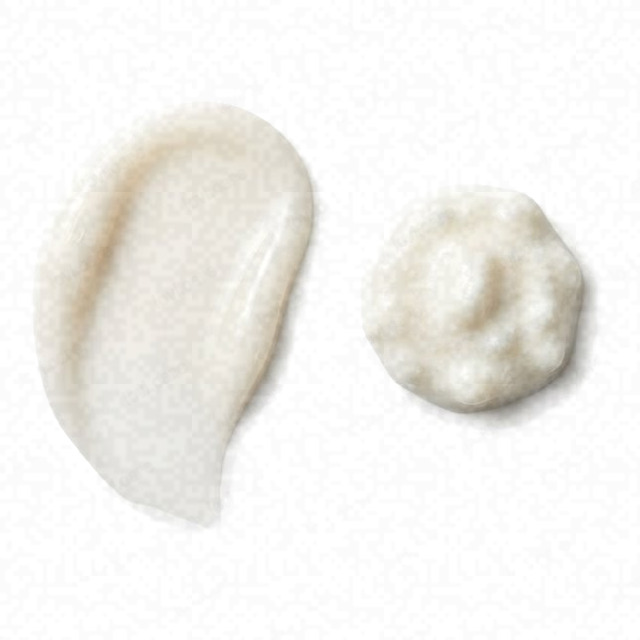 Probiotics
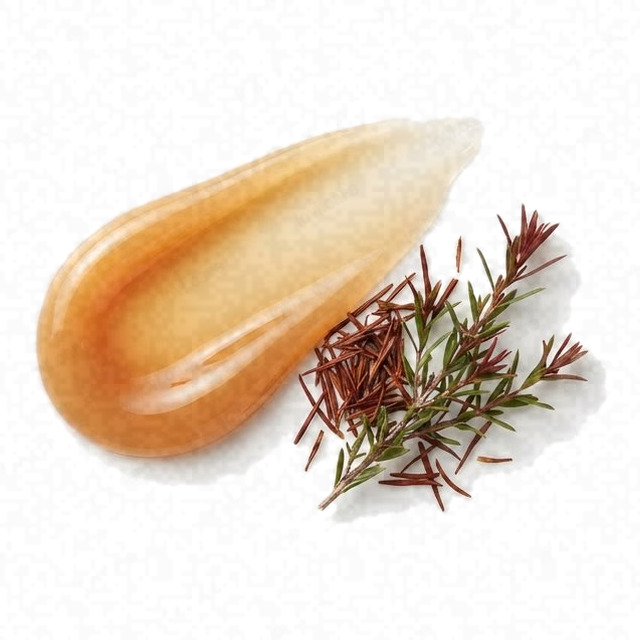 Aspalathus Linearis
 Retinol
Average
- HighNormal Skin Fit
- AverageEffectiveness
- HighSafety
Works for sensitive skin; other moisturizers fit it better.
This fit is calculated for the concerns frequently associated with sensitive skin: redness, stinging, and reactions to new products. For scores and recommendations based on your full skin profile, including your 12D face scan results and any goals or preferences you have, please use the Lovi app.
Page built Nov 8, 2026How the Fit score works
Lovi Assistant explains
- Offers moderate benefits for your normal skin, as glycerin and sodium hyaluronate provide excellent hydration and plumping effects, while licorice root extract and rosehip oil fruit offer soothing properties that can help with your redness and irritation.
- The formulation provides general skincare benefits that support your skin's needs, though it lacks specialized ingredients to directly target and reduce inflammation.
- The product is safe for your sensitive skin, containing no harsh or prohibited ingredients and including beneficial components like licorice root extract and rosehip oil fruit.
How to apply
- Use this soothing AM and PM routine every day to keep your normal skin calm. Always remember to apply SPF in the morning after your moisturizer.
- Apply your moisturizer after your toner in the morning, and after your serum in the evening. This step locks in hydration and protects your skin.
- Gently press a small amount of the moisturizer evenly across your face. Avoid rubbing to keep your sensitive skin happy and calm.
- You can apply this gentle formula on dry or slightly damp skin for the best comfort. It works wonderfully on clean skin to soothe redness and irritation.
- Do a patch test before your very first use to check your skin's reaction. Avoid getting the product directly into your eyes .
People Say
★4.5Overall rating based on 2.5k+ reviewsBased on a very large amount of data, users consistently praise this cream for its ability to brighten dull complexions and fade hyperpigmentation while providing deep hydration without a greasy residue. A significant number of recent reviews highlight irritation and redness attributed to a formula change, making it potentially unsuitable for very sensitive skin.
Highlights
Brightens and evens tone Mostly Mentioned
- “Wake up to radiant skin”
- “Fades acne scars”
- “Skin looks brighter”
Excellent hydration Often Mentioned
- “Plumps fine lines”
- “Soft, non-greasy feel”
- “Great for dry skin”
Pleasant scent Often Mentioned
- “Smells like Fruit Loops”
- “Light citrus scent”
- “Smells delicious”
Good value Sometimes Noted
- “Great price point”
- “Affordable luxury”
- “Beats expensive creams”
Irritation from new formula Sometimes Noted
- “Burned my face”
- “Caused redness”
- “Stings upon application”
Caused breakouts Rarely Noted
- “Caused breakouts”
- “Clogged my pores”
- “Woke up with bumps”
Thick texture Rarely Noted
- “Too thick/heavy”
- “Hard to rub in”
- “Feels waxy”
Sources: lovi.care, iherb.com, ulta.com, dermae.com, lovely-skin.com, and more
Questions and answers
How well does Derma E Vitamin C Intense Night Cream work for sensitive skin?
Derma E Vitamin C Intense Night Cream works moderately well for sensitive skin, as it provides good hydration and soothing care with ingredients like glycerin and licorice root extract while staying safe and free of harsh components. However, because it lacks specialized ingredients to directly reduce inflammation, a product of this type needs soothing ingredients like fermented Centella Asiatica, cica ceramide, and nourishing oils to enhance skin barrier function and better calm this skin type.
Which ingredients make this cream a good fit for sensitive skin?
Glycerin and sodium hyaluronate provide great hydration, while licorice root extract and rosehip oil help calm redness and irritation. To fit sensitive skin even better, a cream of this type needs soothing ingredients like fermented Centella Asiatica and cica ceramide that strengthen the skin barrier without causing overload.
What does Vitamin C do for sensitive skin?
Vitamin C helps brighten skin, smooth out fine lines, and fade dark spots. Clinical studies show it is generally safe and well-tolerated when improving overall skin quality.
Journal of Cosmetic Dermatology, 2020Journal of Cosmetic Dermatology, 2023
What does Hyaluronic Acid do for sensitive skin?
Hyaluronic acid helps calm and hydrate sensitive skin while supporting the skin barrier to keep it soft and comfortable. Clinical studies show it improves surface moisture and reduces dryness, roughness, and redness without irritation.
Journal of Drugs in Dermatology, 2025Journal of Cosmetic Dermatology, 2018
Where does this cream go in a skincare routine for sensitive skin?
This cream goes in the evening routine as a treatment step after your toner and before your moisturizer. It is safe for sensitive skin, but since other products fit this skin better, sensitive skin types need a cream with extra calming ingredients and no active acids or strong retinoids.
Can I use this cream with niacinamide, and in what order?
You can use this cream alongside niacinamide by applying your niacinamide product first, letting it absorb completely, and then following with this treatment. This layering approach helps your skin stay calm and smooth while receiving the benefits of both ingredients.
How often should I use this cream?
You can use this moisturizing treatment in your evening routine. It is safe for sensitive skin, though a product for this skin needs specialized ingredients to actively calm redness and irritation.
Can this cream clog pores, cause breakouts or purging for sensitive skin?
This cream is unlikely to cause breakouts for sensitive skin, though some reviewers have reported minor issues. To prevent clogged pores, this skin type needs a moisturizing treatment with lightweight hydrating ingredients and soothing plant extracts.
Can I use this cream around the eyes or on my body?
You can use this moisturizing treatment around your eyes and on your body, but it is unlikely to target specific concerns in those areas. This skin type needs targeted ingredients like low molecular weight heparan sulfate or specialized botanical extracts to properly care for thin or body skin.
Surgical and Radiologic Anatomy, 2002Journal of Cosmetic Dermatology, 2019
Is this cream fragrance-free and alcohol-free?
Yes, it has no fragrance and no drying alcohol. Cetyl alcohol and cetearyl alcohol are fatty alcohols, which soften the skin.
What the research says
A single application of a moisturizing fluid containing hyaluronic acid 1%, glycerin 5%, and Centella asiatica stem cells extract significantly increased skin hydration by 29% and reduced transepidermal water loss at 24 hours compared to baseline and an untreated control site in twenty healthy women.
Clinical, Cosmetic and Investigational Dermatology, 2017Topical application of 5% vitamin C cream significantly improved global clinical scores, increased skin microrelief density, and induced elastic tissue repair in photoaged skin compared to excipient control in healthy female volunteers.
Experimental Dermatology, 2003Ascorbic acid 2-glucoside gel significantly reduced gingival melanin pigmentation after 4 weeks compared to placebo in 73 subjects with symmetric pigmentation.
Journal of Periodontology, 2009Topical application of VC-IP cream twice daily for 8 weeks reduces periorbital wrinkles in female subjects compared to a placebo cream.
Journal of Cosmetic Dermatology, 2022Topical application of 0.1% hyaluronic acid formulations of different molecular weights led to significant improvements in skin hydration and elasticity, with low-molecular-weight formulations also significantly reducing wrinkle depth in seventy-six female subjects compared to a vehicle control.
Journal of Drugs in Dermatology, 2011Topical application of hyaluronic acid in conjunction with free gingival graft significantly reduced donor site postoperative pain until day 7 compared to normal saline, with no significant differences in graft dimensions or patient satisfaction.
Clinical Oral Investigations, 2022Treatment with a hyaluronic acid-containing mouth rinse or topical gel led to significant lesion reduction, pain relief, and normalization of lesion color in adult patients with minor recurrent aphthous stomatitis, with the gel formulation showing an earlier healing onset at 3 days.
BMC Oral Health, 2019Ginkgo formulation increased skin moisturization by 27.88% and smoothness by 4.32% while reducing roughness by 0.4% and wrinkles by 4.63%, and significantly improved skin moisturization compared to the tea and rooibos formula.
International Journal of Cosmetic Science, 2010The addition of Aspalathus linearis extracts to topical sunscreen formulas containing OMC and BMDBM increased protection factors by up to 50% and protected the filters against photodegradation under radiation doses up to 14.4 standard erythemal doses.
Photochemical & Photobiological Sciences, 2026The combination of fermented and unfermented Aspalathus linearis extracts showed a synergistic photoprotective effect on Normal Human Dermal Fibroblast survival after UVB radiation, which further improved when combined with Polypodium leucotomos extract.
International Journal of Molecular Sciences, 2025Topical 0.4% retinol significantly increased epidermal thickness, dermal vascularity, and extracellular matrix production by stimulating keratinocyte proliferation, endothelial cell proliferation, and fibroblast activation in naturally aged human skin compared to vehicle.
International Journal of Cosmetic Science, 2017Topical bakuchiol 0.5% applied twice daily compared with retinol 0.5% applied daily significantly decreased wrinkle surface area and hyperpigmentation with no statistical difference between the compounds in 44 patients over 12 weeks, while retinol users reported more facial skin scaling and stinging.
The British Journal of Dermatology, 2019Silicone particles encapsulating retinol increased its half-life by 9-fold and yielded 12-23% lower skin irritation in human subjects compared to Microsponge particles while maintaining biological activity.
Journal of Controlled Release, 2018
Ingredients
Water, Caprylic Capric Triglyceride, Glycerin, Sodium Hyaluronate, Cetyl Alcohol, Ethylhexyl Palmitate, Cetearyl Alcohol, Cetearyl Glucoside, Cetyl Palmitate, Sorbitan Palmitate, Sorbitan Oleate, Diheptyl Succinate, Capryloyl Glycerin Sebacic Acid Copolymer, Pseudozyma Epicola, Prunus Armeniaca Kernel Oil Apricot Kernel Oil, Helianthus Annuus Seed Oil Sunflower Seed Oil, Prunus Amygdalus Dulcis Oil, Saururus Chinensis Extract Ferment Filtrate, Aspalathus Linearis Leaf Extract, Glycyrrhiza Glabra Root Extract Licorice Root Extract, Rosa Canina Oil Fruit Rosehip Oil Fruit, Camellia Sinensis Leaf Extract, Olea Europaea Oil Fruit Olive Oil Fruit, Retinyl Vitamin A Palmitate, Panthenol Vitamin B5, Tocopheryl Acetate Vitamin E, Xanthan Gum, Potassium Sorbate, Phenoxyethanol, Ethylhexylglycerin, Oils
Behind this fit score
Lovi calculates every fit score from the full ingredient list with brand-independent rules our dermatologists and cosmetic chemists build and review, and personalizes every pick with AI trained on the real results of millions of users. Lovi trains its fit score models on a proprietary dataset built from more than 10,000 expert-labeled products and more than 100,000 simulated examples, following an internally consistent methodology presented at Cosmoprof, AMWC, and Skin of Color Update.
-

Co-founder, Medical Director
Cosmetic chemist, cosmetologist, aesthetic products developer
-

Co-founder, CEO and CTO
PhD in computer science, 3x US patent holder, ex-Google, ex-Yandex
-

Dr. Sofía Perea Pérez, MD, MSc
Medical Board
Aesthetic medicine practitioner, MSc in Longevity and Anti-Aging Medicine
-

Medical Board
Specialist dermatologist, MBBS, MD, IFAAD
-

Medical Board
Cosmetic chemist, SCS, IFSCC member
-

Medical Board, Medical Advisor
Dermatology MD
-

Elina Nazarenko, MD
Medical Board
Dermatology and diagnostic consultant
-

Victoria Derkova, MS
Medical Board
Cosmetic chemist, cosmetic development technologist


How does it fit your skin?
Scan your face, then any product: Lovi shows how well it fits you and what fits even better.