beplain Mung Bean Pore Clay Mask for dry sensitive skin

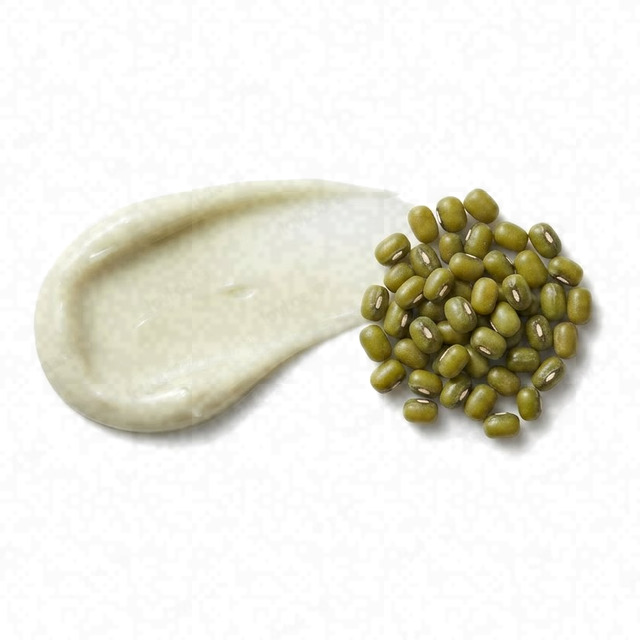 Mung Bean Extract
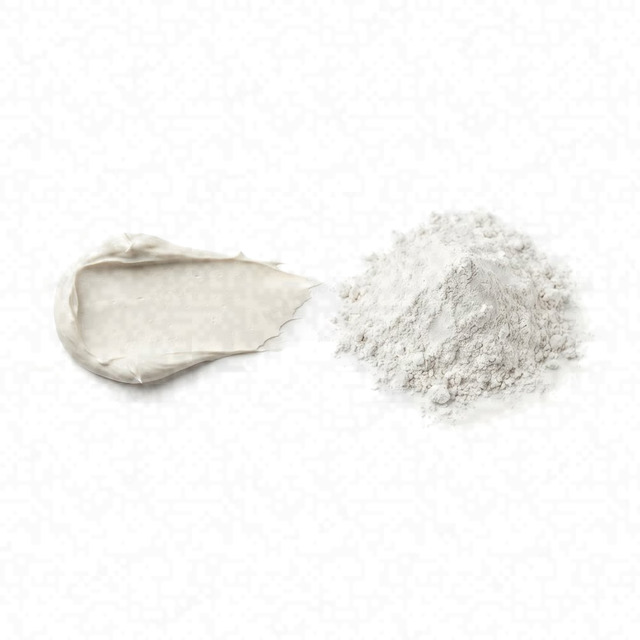 Kaolin
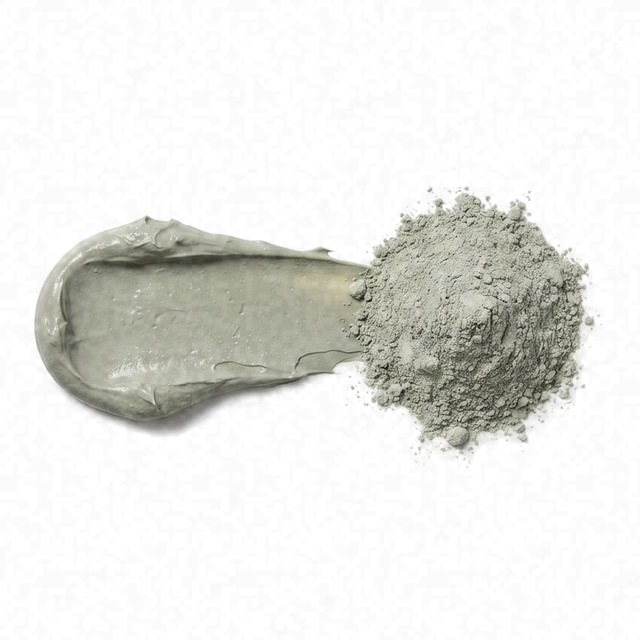 Bentonite
 Niacinamide
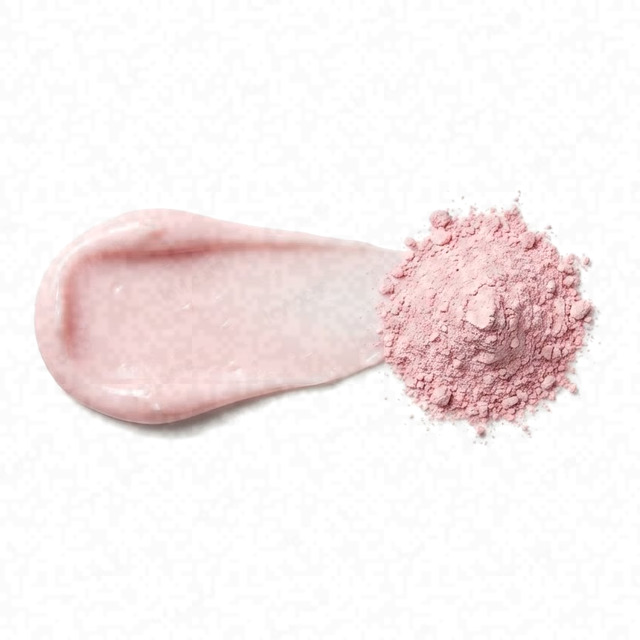 Calamine
Low
- LowDry Skin Fit
- AverageEffectiveness
- HighSafety
A weak match for dry sensitive skin; the cleansing masks alongside fit it better.
This fit is calculated for the concerns frequently associated with dry sensitive skin: flakiness, tightness, redness, fine lines, and wrinkles. For scores and recommendations based on your full skin profile, including your 12D face scan results and any goals or preferences you have, please use the Lovi app.
Page built Nov 8, 2026How the Fit score works
Lovi Assistant explains
- Offers excellent pore cleansing for your dry and sensitive skin due to kaolin and bentonite clays effectively absorbing excess sebum and impurities, though these clays can be drying for dry skin.
- Glycerin and Allantoin provide general hydration and soothing benefits, which are supportive for dry or flaky skin and sensitivity.
- The product is safe for your dry and sensitive skin as it lacks prohibited or harsh ingredients that could cause irritation.
How to apply
- Use your cleansing mask PM once a week as part of your weekly routine, and increase to twice a week if your dry skin tolerates it well.
- Apply the cleansing mask after cleansing and enzyme powder, but before your hydrating toner, serum, and moisturizer.
- Smooth an even layer of the cleansing mask over your face while gently avoiding any unnecessary rubbing.
- Apply the cleansing mask to clean and dry skin to ensure better comfort for your sensitive skin type.
- Always avoid the eye area and do a patch test before using the cleansing mask for the first time.
People Say
★4.7Overall rating based on 1.5k+ reviewsBased on a very large amount of data, users widely praise this mask for its unique creamy texture that cleanses pores without the cracking or tightness typical of traditional clay masks. It is frequently recommended for oily and combination skin types for its ability to gently exfoliate and reduce sebum in just three minutes, though some users with very sensitive skin find the physical granules slightly abrasive.
Highlights
Non-drying formula Mostly Mentioned
- “doesn't dry out”
- “leaves skin moist”
- “no tight feeling”
- “creamy texture”
Gentle exfoliation Often Mentioned
- “skin feels smooth”
- “softens texture”
- “gentle scrub”
- “removes dead skin”
Pore & sebum care Often Mentioned
- “cleaner pores”
- “reduces oil”
- “blackheads less visible”
- “absorbs sebum”
Cooling sensation Sometimes Noted
- “feels cooling”
- “refreshing on skin”
- “soothes heat”
- “calms redness”
Quick application Sometimes Noted
- “only takes 3 minutes”
- “quick routine”
- “fast results”
- “easy to rinse”
Limited blackhead removal Sometimes Noted
- “blackheads still there”
- “surface level only”
- “didn't clear nose”
- “temporary effect”
Polarizing scent Sometimes Noted
- “smells like beans”
- “earthy scent”
- “weird smell”
- “strong bean odor”
Physical irritation Rarely Noted
- “particles too rough”
- “scratched my skin”
- “caused redness”
- “tingling sensation”
Price vs. size Rarely Noted
- “tube is small”
- “expensive”
- “pricy for size”
- “finished too fast”
Texture issues Rarely Noted
- “hard to squeeze”
- “thick paste”
- “chunks fall off”
- “messy application”
Sources: lovi.care, oliveyoung.com, iherb.com, yesstyle.com, stylevana.com, reddit.com, and more
Questions and answers
Why is beplain Mung Bean Pore Clay Mask a weak match for dry sensitive skin?
This cleansing mask is a weak match because its kaolin and bentonite clays can be drying for dry skin, despite glycerin and allantoin offering soothing support. A product of this type needs rich hydrating and skin-repairing ingredients, such as multiple peptides and humectants, to target hydration and elasticity without irritation.
Which ingredients make this mask a poor fit for dry sensitive skin?
Kaolin and bentonite clays make this mask a poor fit for dry sensitive skin because they absorb oil and impurities, which can be drying and lead to tightness or irritation on delicate skin. A cleansing mask for dry sensitive skin needs nourishing oils and butters or rich moisturizing ingredients to protect the skin barrier.
What does Mung Bean Extract do for dry sensitive skin?
Mung Bean Extract may help calm dry sensitive skin due to its antioxidant properties that protect against daily irritation and stress. A product of this type needs soothing ingredients and gentle moisturizers like plant extracts, ceramides, and panthenol to keep dry sensitive skin soft and smooth.
What does Kaolin Clay do for dry sensitive skin?
Kaolin clay is a poor fit for dry sensitive skin because it absorbs natural oils and can worsen dryness and irritation. A product of this type needs soothing, hydrating ingredients and a gentle formula to protect dry and delicate skin.
Where does this mask go in a skincare routine for dry sensitive skin?
This cleansing mask does not fit well into a routine for dry sensitive skin because its clays absorb excess oil in a way that is often too drying for this skin type. A clay mask for dry sensitive skin needs nourishing ingredients like gentle natural clays paired with rich hydrators and soothing plant extracts to clean pores without leaving skin feeling tight or flaky.
Can I use this mask with retinol, and in what order?
This mask may be too drying for dry sensitive skin when used alongside retinol, as the clays can strip needed moisture. To safely use a product of this type, dry skin needs gentle clays paired with rich hydrators and soothing ingredients to keep skin soft and calm.
How often should I use this mask?
This cleansing mask may be too drying to use regularly on dry and sensitive skin, so it is best to limit use to once a week or skip it. A product of this type needs gentle clays combined with rich soothing oils and hydrators to clean pores without leaving dry skin feeling tight.
Can this mask clog pores, cause breakouts or purging for dry sensitive skin?
This mask is unlikely to clog pores or cause breakouts for dry sensitive skin since it is free of heavy, pore-clogging oils and harsh irritants. However, because it contains strong clays that absorb oil, it can be too drying for dry skin and needs soothing ingredients like glycerin and allantoin to keep skin comfortable.
Is this mask fragrance-free and alcohol-free?
Yes, it has no fragrance and no drying alcohol.
What the research says
A single application of a moisturizing fluid containing hyaluronic acid 1%, glycerin 5%, and Centella asiatica stem cells extract significantly increased skin hydration by 29% and reduced transepidermal water loss at 24 hours compared to baseline and an untreated control site in twenty healthy women.
Clinical, Cosmetic and Investigational Dermatology, 2017Mung bean sprout aqueous extracts demonstrated excellent antioxidant properties with DPPH radical scavenging rates above 85% and chelation abilities approaching 80%, alongside demonstrated safety in red blood cell, CAM, and human skin patch tests.
Journal of Cosmetic Science, 2014A combination of five-colored plants (mung bean, white truffle, black truffle, chrysanthemum, and Lycium barbarum) at 0.5% concentration improved fibroblast wound healing by 59.89%, reduced cellular senescence markers by 76.32%, and increased epidermal thickness and collagen levels in an ex vivo skin model compared to a negative control.
Clinical, Cosmetic and Investigational Dermatology, 2025Phenolic extracts and compounds from mung bean hull protected HaCaT and HSF cells against H2O2-induced damage and aging, with the ethyl acetate extract, isovitexin, and vitexin providing the greatest protection by modulating oxidative stress and autophagy.
The Science of the Total Environment, 2022Vectorization of high molecular weight hyaluronic acid with clay enabled its penetration into deeper skin layers and led to a significant clinical reduction in fine lines in the crow's feet area compared to placebo after 28 days.
Skin Research and Technology, 2024Twice-weekly use of a clay mask over 4 weeks in 75 adults with oily or combination skin improved acne-related outcomes, sebum content, skin evenness, hydration, and reduced dryness and irritation.
Skin Research and Technology, 2023Clay jojoba oil facial masks reduced total skin lesions by a mean of 54% after 6 weeks in 133 participants with acne-prone, lesioned skin and mild acne compared to baseline.
Forschende Komplementarmedizin, 2012Quaternized carboxymethyl chitosan/organic montmorillonite nanocomposite demonstrated superior moisture-adsorption and retention compared to hyaluronic acid, good UV-protection ability, negligible dermal irritation, and prominent moisture-retention efficacy on human stratum corneum when formulated into a cosmetic cream.
Carbohydrate Polymers, 2017A novel water-in-oil emulsion with a lecithin-modified bentonite prevented epidermal degradation and inflammatory protein secretion induced by urban dust and cedar pollen more effectively than a conventional water-in-oil emulsion in a reconstructed human epidermis model.
International Journal of Cosmetic Science, 2020Bentonite nanoparticles and honey co-administration improved skin wound healing in BALB/c mice by reducing inflammatory cell infiltration and increasing fibroblastosis, new epithelium thickness, granulation area, and collagen density compared to the untreated control group.
The International Journal of Lower Extremity Wounds, 2025Topical post-laser application of human adipocyte-derived mesenchymal stem cell media combined with niacinamide significantly improved wrinkle index, melanin index, patient satisfaction, and investigator esthetic improvement scores compared to vehicle cream in patients with aging skin.
Journal of Cosmetic Dermatology, 2021Topical nicotinamide prevented solar-simulated UV-induced immunosuppression in healthy volunteers, and men experienced immunosuppression at solar-simulated UV doses three times lower than those required for women.
The Journal of Investigative Dermatology, 2008Topical 5% niacinamide applied twice daily for 12 weeks reduced fine lines and wrinkles, hyperpigmented spots, red blotchiness, and skin sallowness, and improved skin elasticity compared to vehicle control in 50 female white subjects with facial photoaging.
Dermatologic Surgery, 2005Topical 0.5% hyaluronic-ZnO nanogel applied twice daily reduced inflammatory-lesion counts by 58% at week four in human subjects compared to baseline without causing erythema.
Biomedicines, 2025Topical zinc oxide 20% ointment achieved a complete cure in 50% of patients with warts compared to 42% in the salicylic acid-lactic acid group, with no serious side-effects.
International Journal of Dermatology, 2007
Ingredients
Water, Vigna Radiata Seed Extract, Glycerin, Kaolin, Bentonite, Diglycerin, Zea Mays Starch, Propanediol, 2-Hexanediol, Glyceryl Glucoside, Betaine, Dipropylene Glycol, Phaseolus Radiatus Seed Powder, Calamine, Potassium Cetyl Phosphate, Xanthan Gum, Hydroxyacetophenone, Coconut Shell Powder, Ethylhexylglycerin, Niacinamide, Phaseolus Radiatus Seed Extract, Phaseolus Radiatus Extract, Olea Europaea Oil Fruit Olive Oil Fruit, Sodium Acrylate Sodium Acryloyldimethyl Taurate Copolymer, Chlorella Vulgaris Powder, Polyisobutene, Glucose, Triethoxycaprylylsilane, Disodium Edta, Butylene Glycol, Citric Acid, Allantoin, Sorbitan Oleate, Caprylyl Capryl Glucoside, Abies Sibirica Oil, Rosmarinus Officinalis Oil Leaf Rosemary Oil Leaf, Salvia Sclarea Oil, Phaseolus Radiatus Extract Sprout, Anthemis Nobilis Oil Flower, Hydrolyzed Extensin, Juniperus Mexicana Oil, Canadian Colloidal Clay, Manicouagan Clay, Illite, Chamomilla Recutita Oil Flower Matricaria Oil Flower, Montmorillonite, Protease
Behind this fit score
Lovi calculates every fit score from the full ingredient list with brand-independent rules our dermatologists and cosmetic chemists build and review, and personalizes every pick with AI trained on the real results of millions of users. Lovi trains its fit score models on a proprietary dataset built from more than 10,000 expert-labeled products and more than 100,000 simulated examples, following an internally consistent methodology presented at Cosmoprof, AMWC, and Skin of Color Update.
-

Co-founder, Medical Director
Cosmetic chemist, cosmetologist, aesthetic products developer
-

Co-founder, CEO and CTO
PhD in computer science, 3x US patent holder, ex-Google, ex-Yandex
-

Dr. Sofía Perea Pérez, MD, MSc
Medical Board
Aesthetic medicine practitioner, MSc in Longevity and Anti-Aging Medicine
-

Medical Board
Specialist dermatologist, MBBS, MD, IFAAD
-

Medical Board
Cosmetic chemist, SCS, IFSCC member
-

Medical Board, Medical Advisor
Dermatology MD
-

Elina Nazarenko, MD
Medical Board
Dermatology and diagnostic consultant
-

Victoria Derkova, MS
Medical Board
Cosmetic chemist, cosmetic development technologist


How does it fit your skin?
Scan your face, then any product: Lovi shows how well it fits you and what fits even better.