beplain Mung Bean Cleansing Oil for oily acne-prone skin

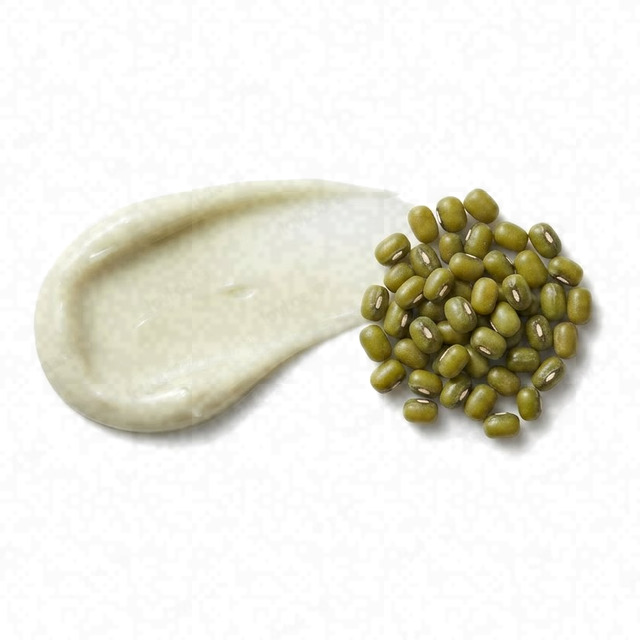 Mung Bean Extract
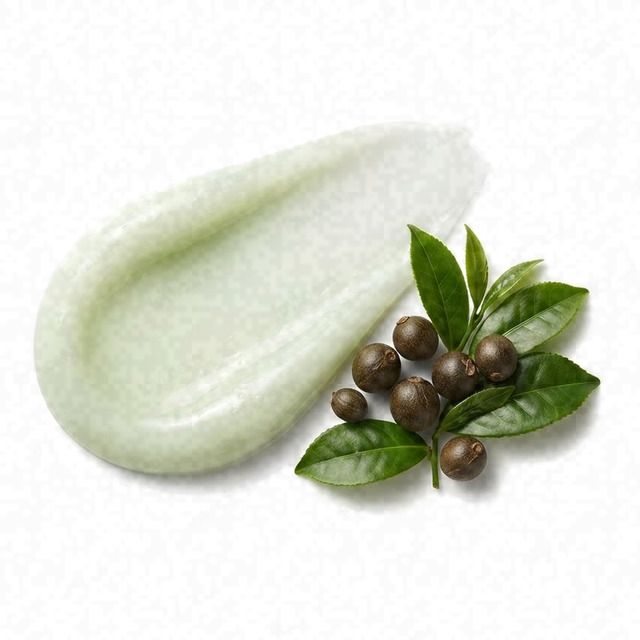 Camellia Sinensis Seed Oil
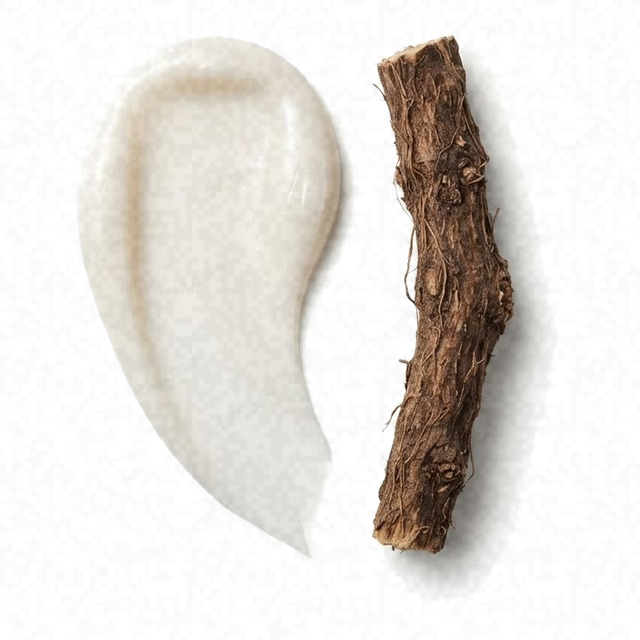 Allantoin
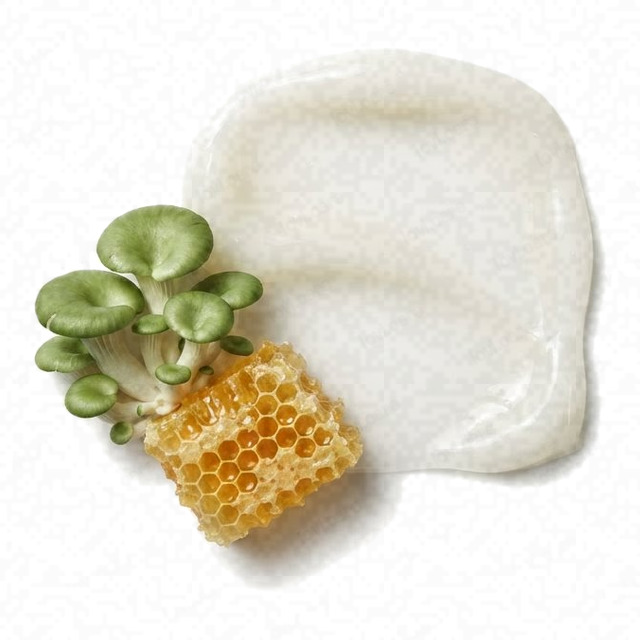 Panthenol
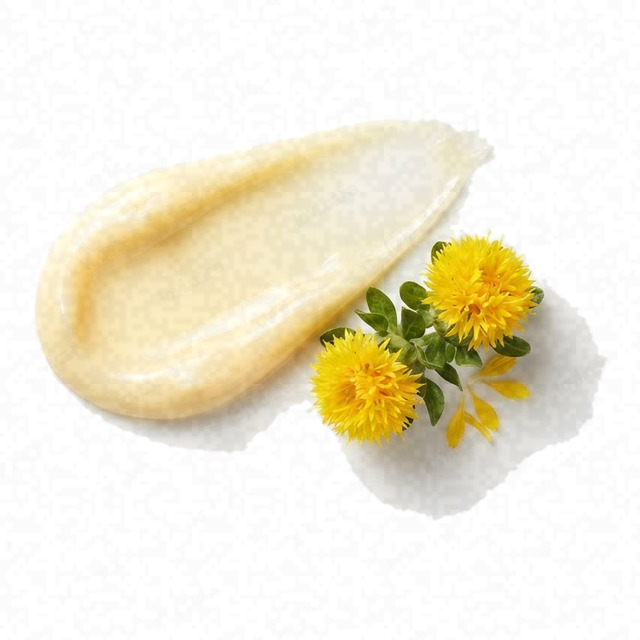 Carthamus Tinctorius Flower Extract
Average
- AverageOily Skin Fit
- AverageEffectiveness
- ExcellentSafety
Works for oily acne-prone skin; other pre-cleansers fit it better.
This fit is calculated for the concerns frequently associated with oily acne-prone skin: shine, breakouts, blemishes, and enlarged pores. For scores and recommendations based on your full skin profile, including your 12D face scan results and any goals or preferences you have, please use the Lovi app.
Page built Nov 8, 2026How the Fit score works
Lovi Assistant explains
- Offers moderate suitability for your oily skin as Phaseolus Radiatus Extract and Camellia Sinensis Seed Oil provide mild antioxidant benefits, though stronger seboregulating ingredients would better manage oiliness.
- The formulation effectively removes makeup and impurities due to ethylhexyl palmitate and sorbeth-30 tetraoleate, but it lacks specialized ingredients like salicylic acid to target your acne, blemishes, and breakouts.
- The product is safe for your oily skin, with allantoin and panthenol offering soothing benefits and no harsh ingredients present.
How to apply
- Use this makeup remover PM as the first step of your evening routine to clear away impurities. Start by using it 3×/week before working up to daily use if your skin tolerates it well.
- Apply this makeup remover before your regular cleanser and toner. Follow it with your usual cleansing steps to ensure all residue is thoroughly washed away.
- Gently press a small amount of the makeup remover onto your face using soft cotton pads. Avoid harsh rubbing to prevent irritating your blemishes and active breakouts.
- Apply the makeup remover on completely dry skin to effectively break down excess oil and makeup. Clean away thoroughly before moving on to the next skincare steps .
- Do a patch test before your first use to ensure your skin reacts well. Avoid getting the product directly into your eyes .
People Say
★4.8Overall rating based on 1.5k+ reviewsBased on a very large amount of data, this cleansing oil is highly regarded for its lightweight, watery texture and gentle, non-stripping formula, making it suitable for sensitive and acne-prone skin. It effectively removes makeup and sebum, and some users note improvements in blackheads and skin texture. A small number of users reported breakouts or found the consistency too thin and messy.
Highlights
Lightweight texture Mostly Mentioned
- “feels like oil-infused water”
- “not thick or heavy”
- “glides easily”
- “rinses off quickly”
Effective removal Often Mentioned
- “melts waterproof mascara”
- “removes sunscreen easily”
- “dissolves daily grime”
- “cleanses thoroughly”
Gentle, non-stripping Often Mentioned
- “doesn't sting eyes”
- “skin feels soft not tight”
- “safe for sensitive skin”
- “no irritation”
Blackhead care Sometimes Noted
- “helped clear sebaceous filaments”
- “unclogs pores”
- “smooths skin texture”
- “good for blackheads”
Too runny Sometimes Noted
- “drips everywhere”
- “hard to control pump”
- “too thin to massage”
- “lacks grip”
Caused breakouts Rarely Noted
- “triggered comedonal acne”
- “gave me small bumps”
- “skin rebelled”
- “caused whiteheads”
Leaves residue Rarely Noted
- “leaves a slight film”
- “needs second cleanse”
- “foggy eyes”
- “oily residue left”
Unpleasant scent Rarely Noted
- “smells like cooking oil”
- “raw bean smell”
- “faint chemical scent”
- “smells like oil paint”
Sources: lovi.care, oliveyoung.com, skinsort.com, hwahae.co.kr, yesstyle.com, simplysaima.com, and more
Questions and answers
How well does beplain Mung Bean Cleansing Oil work for oily acne-prone skin?
This cleansing oil offers moderate suitability for oily skin by removing makeup effectively while providing mild antioxidant benefits and soothing irritated areas. However, because it lacks specialized ingredients to control excess oil or target blemishes, an effective product for this skin type needs oil-regulating components and acne-fighting ingredients like salicylic acid.
American Journal of Clinical Dermatology, 2002Journal of Cosmetic Dermatology, 2025
Which ingredients make this cleanser a good fit for oily acne-prone skin?
Allantoin and panthenol make this cleanser a good fit for oily acne-prone skin by offering soothing benefits without harsh ingredients, while mung bean extract and camellia sinensis seed oil provide mild antioxidant protection. A cleanser for this skin type also needs oil-controlling and breakout-targeting ingredients like salicylic acid.
American Journal of Clinical Dermatology, 2002Journal of Cosmetic Dermatology, 2025
What does Mung Bean Extract do for oily acne-prone skin?
Mung bean extract helps calm oily, acne-prone skin by fighting inflammation and reducing the bacteria that can cause breakouts. Its natural antioxidants may also protect the skin from daily pollution and irritation.
International Journal of Biological Macromolecules, 2025Gels, 2023
What does Camellia Sinensis Seed Oil do for oily acne-prone skin?
Camellia Sinensis Seed Oil is unlikely to clog pores and helps calm redness for oily, acne-prone skin. This type of skin needs ingredients that reduce inflammation and balance oil without irritation.
Where does this cleanser go in a skincare routine for oily acne-prone skin?
This makeup remover goes in the evening routine before your regular cleanser. Oily acne-prone skin needs a product of this type that also includes ingredients to better manage oiliness and target breakouts.
Can I use this cleanser with retinol, and in what order?
You can use this makeup remover in your evening routine before your regular cleanser and your retinol treatment. It helps safely clean your oily skin and calm irritation, but this skin type generally needs stronger ingredients to control oil and clear breakouts.
American Journal of Clinical Dermatology, 2002Journal of Cosmetic Dermatology, 2025
How often should I use this cleanser?
You can use this makeup remover in your evening routine to clear away makeup and impurities before cleansing. It is safe for your skin, but because it only offers moderate suitability and lacks acne-fighting ingredients like salicylic acid, oily acne-prone skin needs products with stronger oil-controlling ingredients and targeted blemish treatments.
Can this cleanser clog pores, cause breakouts or purging for oily acne-prone skin?
This cleansing oil offers moderate suitability for your oily skin, but it lacks specialized ingredients like salicylic acid to target your acne and breakouts. An average-fitting product for this skin needs stronger oil-controlling ingredients and blemish-targeting additions to properly manage oiliness and breakouts.
Is this cleanser fragrance-free and alcohol-free?
Yes, it has no fragrance and no drying alcohol.
What the research says
Phenolic extracts and compounds from mung bean hull protected HaCaT and HSF cells against H2O2-induced damage and aging, with the ethyl acetate extract, isovitexin, and vitexin providing the greatest protection by modulating oxidative stress and autophagy.
The Science of the Total Environment, 2022Isovitexin pre-treatment inhibits PM2.5-induced intracellular reactive oxygen species and enhances stem cell properties in keratinocytes compared to untreated cells.
In Vivo, 2019Topical dexpanthenol acts as a moisturizer, improves stratum corneum hydration, accelerates wound healing and epidermal regeneration, reduces erythema, and improves symptoms of skin irritation compared to vehicle or no pretreatment.
American Journal of Clinical Dermatology, 2002A panthenol-enriched mask significantly decreased erythema and hyperpigmentation, increased sebum and stratum corneum moisture, and reduced transepidermal water loss compared to a saline dressing in 60 subjects undergoing facial laser treatment.
Journal of Cosmetic Dermatology, 2025A new topical panthenol-containing emollient significantly improved transepidermal water loss reduction, stratum corneum hydration, and intercellular lipid lamellae length compared with control in healthy subjects without negatively impacting bacterial viability.
The Journal of Dermatological Treatment, 2017Mung bean sprout aqueous extracts demonstrated excellent antioxidant properties with DPPH radical scavenging rates above 85% and chelation abilities approaching 80%, alongside demonstrated safety in red blood cell, CAM, and human skin patch tests.
Journal of Cosmetic Science, 2014A combination of five-colored plants (mung bean, white truffle, black truffle, chrysanthemum, and Lycium barbarum) at 0.5% concentration improved fibroblast wound healing by 59.89%, reduced cellular senescence markers by 76.32%, and increased epidermal thickness and collagen levels in an ex vivo skin model compared to a negative control.
Clinical, Cosmetic and Investigational Dermatology, 2025A formulated polyherbal gel using Aloe barbadensis and Vigna radiata extract demonstrated antimicrobial activity against Staphylococcus aureus, Escherichia coli, and Candida albicans.
Gels, 2023Tea seed oil makeup remover successfully removed foundation and eyeliner without causing skin irritation in 20 human volunteers, with the 60% formulation showing superior foundation removal compared to other formulations and an olive oil benchmark.
Annales Pharmaceutiques Francaises, 2017Tea seed oil loaded nanostructured lipid carriers prepared with a combination of surfactants (NLC-C) showed significantly greater nontoxicity and hair growth-stimulating effects on human follicle dermal papilla cells compared to intact oil, while improving the sensory and diffusion properties of the hair serum.
Pharmaceutics, 2022Topical gel containing chitosan, 0.2% chlorhexidine, allantoin and dexpanthenol did not improve postoperative comfort regarding swelling and pain, but improved the wound's aesthetic appearance following impacted lower third molar extraction compared to no gel.
Medicina Oral, Patologia Oral Y Cirugia Bucal, 2016A topical gel containing chitosan, chlorhexidine, allantoin, and dexpanthenol significantly reduced postoperative pain, trismus, swelling, and analgesic consumption, while improving wound healing after third molar surgery compared to a placebo.
Medicina Oral, Patologia Oral Y Cirugia Bucal, 2020An overnight patch containing Allium cepa extract and allantoin safely promotes scar healing after dermatologic surgery, resulting in significantly greater reductions in observer- and patient-assessed POSAS scores compared to no treatment.
Aesthetic Plastic Surgery, 2018Moisturizer containing 5% panthenol, madecassoside, and copper-zinc-manganese decreased adverse reactions and downtime after ablative fractional carbon dioxide laser resurfacing with comparable efficacy to 0.02% triamcinolone acetonide cream in 20 subjects.
Journal of Cosmetic Dermatology, 2019Topical dexpanthenol formulated in lipophilic vehicles improved stratum corneum hydration and reduced transepidermal water loss compared to vehicle control in humans.
Arzneimittel-Forschung, 2000Hyaluronic acid, hyaluronic acid plus dexpanthenol, and isotonic saline nasal sprays all significantly improved dry nose symptoms over four weeks in 240 patients, with hyaluronic acid plus dexpanthenol providing superior nasal moisturisation compared to the other two.
Auris, Nasus, Larynx, 2020Topical application of a plant body oil blend for 8 weeks reduced the Observer Scar Assessment Scale score by approximately 5% and the Patient Scar Assessment Scale score by approximately 20% in volunteers with non-hypertrophic scars or striae compared to an untreated control region.
International Journal of Cosmetic Science, 2018Plant extracts from Gomphrena globasa L., Clitoria ternatea L., Carthamus tinctorius L., Punica granatum L., and Papaver rhoeas L. demonstrated no cytotoxicity, high antioxidant potential, strong collagenase inhibition, moderate elastase inhibition, effective skin hydration, and varying suitability as stable cosmetic dyes when tested on keratinocyte and fibroblast cell lines and incorporated into face cream formulations.
Molecules, 2021Water extracts of Papaver rhoeas L., Punica granatum L., Clitoria ternatea L., Carthamus tinctorius L., and Gomphrena globosa L. showed no cytotoxicity on skin cells while exhibiting antioxidant, anti-inflammatory, and enzyme-inhibiting properties, with P. rhoeas, C. ternatea, and C. tinctorius demonstrating strong permanent coloring ability in cosmetic products.
Molecules, 2022
Ingredients
Ethylhexyl Palmitate, Cetyl Ethylhexanoate, Sorbeth-30 Tetraoleate, Sorbitan Sesquioleate, Camellia Sinensis Seed Oil, Phaseolus Radiatus Extract Sprout, Phaseolus Radiatus Extract, Phaseolus Radiatus Seed Extract, Vigna Radiata Seed Extract, Gardenia Fruit Extract, Polyglyceryl-3 Polyricinoleate, Carthamus Tinctorius Flower Extract, Water, 1,2-Hexanediol, Allantoin, Panthenol
Behind this fit score
Lovi calculates every fit score from the full ingredient list with brand-independent rules our dermatologists and cosmetic chemists build and review, and personalizes every pick with AI trained on the real results of millions of users. Lovi trains its fit score models on a proprietary dataset built from more than 10,000 expert-labeled products and more than 100,000 simulated examples, following an internally consistent methodology presented at Cosmoprof, AMWC, and Skin of Color Update.
-

Co-founder, Medical Director
Cosmetic chemist, cosmetologist, aesthetic products developer
-

Co-founder, CEO and CTO
PhD in computer science, 3x US patent holder, ex-Google, ex-Yandex
-

Dr. Sofía Perea Pérez, MD, MSc
Medical Board
Aesthetic medicine practitioner, MSc in Longevity and Anti-Aging Medicine
-

Medical Board
Specialist dermatologist, MBBS, MD, IFAAD
-

Medical Board
Cosmetic chemist, SCS, IFSCC member
-

Medical Board, Medical Advisor
Dermatology MD
-

Elina Nazarenko, MD
Medical Board
Dermatology and diagnostic consultant
-

Victoria Derkova, MS
Medical Board
Cosmetic chemist, cosmetic development technologist


How does it fit your skin?
Scan your face, then any product: Lovi shows how well it fits you and what fits even better.