Aēsop Damascan Rose Facial Treatment for oily acne-prone skin

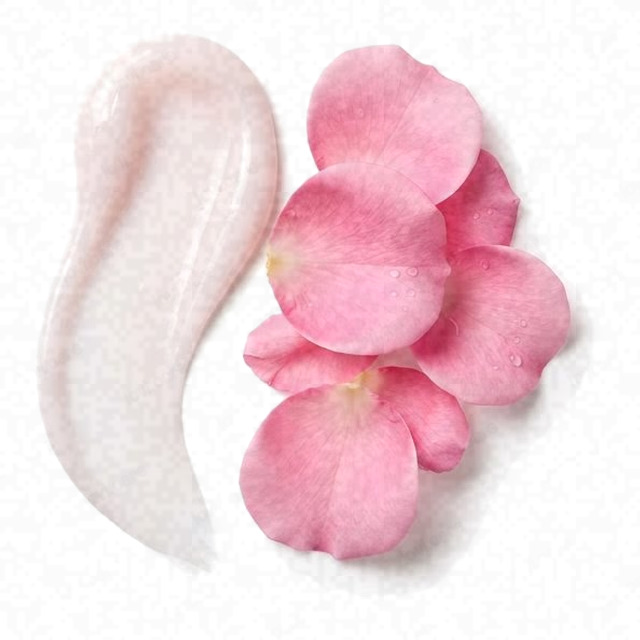 Damascan Rose
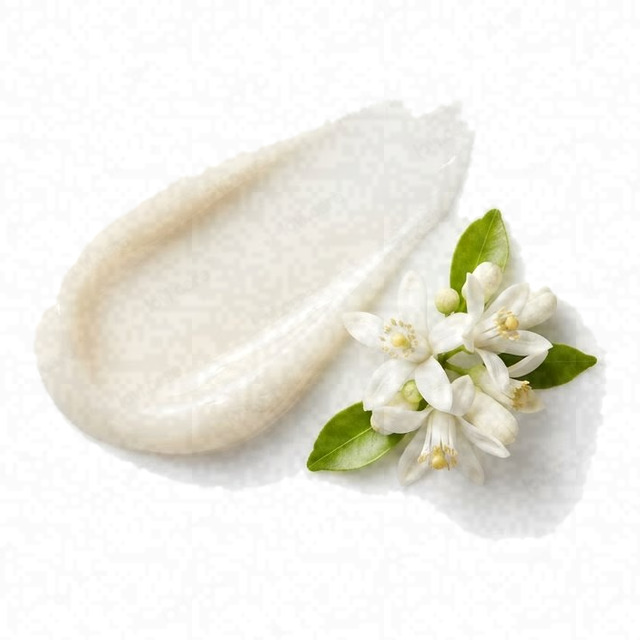 Neroli Blossom
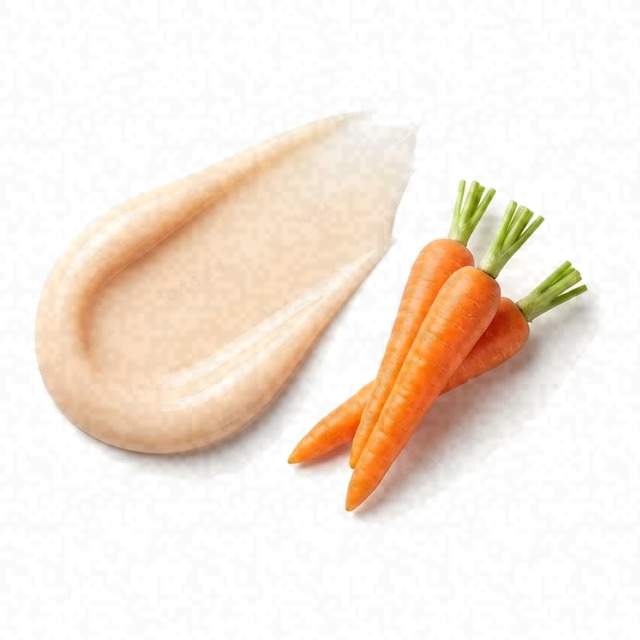 Vitamin A
 Vitamin E
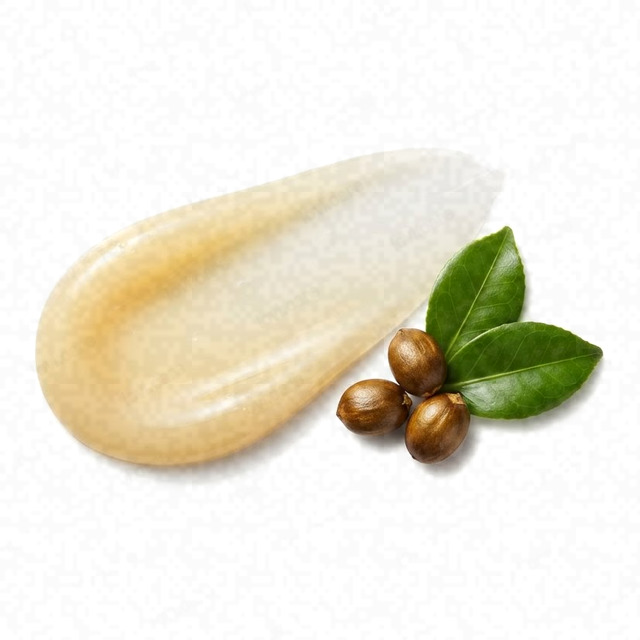 Camellia Japonica Seed Oil
Caution
- LowOily Skin Fit
- HighEffectiveness
- RiskySafety
A poor match for oily acne-prone skin; the moisturizers alongside fit it better.
This fit is calculated for the concerns frequently associated with oily acne-prone skin: shine, breakouts, blemishes, and enlarged pores. For scores and recommendations based on your full skin profile, including your 12D face scan results and any goals or preferences you have, please use the Lovi app.
Page built Nov 8, 2026How the Fit score works
Lovi Assistant explains
- Offers moderate moisturizing for your oily skin due to Camellia Japonica Seed Oil and Rosa Canina Oil Fruit, which hydrate and nourish without addressing core concerns like acne or oiliness.
- While Rice Bran Oil and Rosa Damascena Oil Flower offer supportive benefits for breakouts and soothing effects, the multiple emollient oils like Oenothera Biennis Oil may exacerbate oiliness.
How to apply
- Use this AM and PM routine every day to help clear your skin. Always remember to finish with SPF in the morning.
- Apply the moisturizer after your cleanser and toner, right before your SPF during the day.
- Gently press a small amount into your skin and avoid rubbing to keep pores clear.
- Apply on clean, slightly damp skin to help the product absorb better and control oil.
- Avoid the sensitive eye area and do a simple patch test before your first use.
People Say
★4.4Overall rating based on 100+ reviewsBased on limited data, this facial oil is frequently recommended for dry and distressed skin, providing immediate softness and hydration. Most users appreciate its earthy, botanical scent and non-greasy feel. However, some users report breakouts or find the herbal fragrance polarizing.
Highlights
Deep Hydration Mostly Mentioned
- “woke up with baby-soft skin”
- “hefty hit of hydration”
- “sinks in quickly without greasy after-feel”
Luxurious Scent Often Mentioned
- “smells divine”
- “earthy and warm”
- “relaxing and real scent”
- “intoxicating smell”
High Price Often Mentioned
- “quantity is too small”
- “expensive for the amount”
- “price is the downside”
- “luxury splurge”
Non-Greasy Texture Sometimes Noted
- “absorbs well into the skin”
- “light silky oil”
- “doesn't leave residue”
- “dry oil finish”
Skin Rescue Sometimes Noted
- “saved my skin”
- “calms redness”
- “restores balance to parched skin”
Scent Dislike Sometimes Noted
- “smells like carrots”
- “too herbal”
- “not a typical rose scent”
- “spicy aspect”
Packaging Concerns Rarely Noted
- “pipette means potential contamination”
- “exposure to air”
- “risk of oxidation”
Skin Reactions Rarely Noted
- “caused breakouts”
- “bad reaction”
- “redness and itching”
Sources: lovi.care, spacenk.com, cultbeauty.co.uk, sephora.co.uk, influenster.com, dermstore.com, and more
Questions and answers
Why does Lovi advise caution with Aēsop Damascan Rose for oily acne-prone skin?
Lovi advises caution because this product contains multiple heavy oils that may make oily skin feel even more greasy and exacerbate breakouts. Oily acne-prone skin needs a treatment that hydrates without clogging pores, featuring lightweight ingredients like low molecular weight hyaluronic acid and ceramides.
Which ingredients make this treatment a poor fit for oily acne-prone skin?
Oenothera Biennis Oil and other heavy oils make this treatment a poor fit because they may add excess oil to your skin. A product for oily acne-prone skin needs lightweight hydrators like low molecular weight hyaluronic acid and ceramides, along with ingredients that target breakouts without clogging pores.
What does Damask Rose do for oily acne-prone skin?
Damask Rose helps calm red, irritated skin and fights acne-causing bacteria. It may also help balance oil production and reduce breakouts, making it a good fit for oily and acne-prone skin.
Biological & Pharmaceutical Bulletin, 2017Journal of Cosmetic Dermatology, 2019
What does Neroli Blossom do for oily acne-prone skin?
Neroli Blossom helps oily, acne-prone skin by providing antimicrobial and antioxidant benefits that keep pores clear and calm. It may help balance skin, but products for this skin type also need ingredients like salicylic acid or niacinamide to thoroughly manage oil and breakouts.
Pakistan Journal of Biological Sciences, 2012Biochimie Open, 2017
Where does this treatment go in a skincare routine for oily acne-prone skin?
This treatment goes in the evening routine after your cleansing toner and before your moisturizer. Because this product is a poor match for your skin, an oily and acne-prone skin type needs a treatment featuring lightweight, non-greasy ingredients that target breakouts and excess oil without heavy oils.
Can I use this treatment with retinol, and in what order?
This treatment is a poor match for your oily acne-prone skin because multiple oils may make your skin too oily, so you should use caution when pairing it with retinol. Apply your retinol first and follow with this treatment at night, but this skin type actually needs lightweight, oil-free hydrators with acne-fighting ingredients like salicylic acid or niacinamide instead of heavy oils.
How often should I use this treatment?
This oil-based treatment is a poor match for your oily acne-prone skin because its multiple rich oils may make your skin even oilier. If you choose to use it, apply it just in the evening to keep your routine simple and avoid extra daytime heaviness. Oily acne-prone skin needs lightweight, balancing formulas with ingredients that clear pores and control excess oil instead of heavy oils.
Can this treatment clog pores, cause breakouts or purging for oily acne-prone skin?
This treatment may exacerbate oiliness and breakouts on oily acne-prone skin because it contains multiple rich oils that can clog pores. A product for this skin needs lightweight, balancing ingredients that clear pores and control excess oil without heavy oils.
Can I use this treatment around the eyes or on my body?
You may use this treatment on the body and around the eyes, where the skin is much thinner. However, because it contains rich oils that may cause breakouts on oily acne-prone skin, a product of this type needs lightweight hydrators and ingredients that clear pores and balance oil instead.
Is this treatment fragrance-free and alcohol-free?
It has no drying alcohol and contains fragrance (citronellol, geraniol, linalool, d-limonene, farnesol, and eugenol).
What the research says
Camellia japonica oil activated the human COL1A2 promoter, induced type I procollagen synthesis, inhibited matrix metalloproteinase-1 activity, and reduced trans-epidermal water loss without inducing adverse reactions in human skin.
Journal of Ethnopharmacology, 2007Topical application of geraniol significantly inhibited TPA-induced lipid peroxidation, inflammatory responses, and proinflammatory cytokine release while upregulating reduced glutathione content and antioxidant enzyme activities in mouse skin, alongside inhibiting altered activities of p38MAPK, NF-κB, and COX-2.
Experimental and Molecular Pathology, 2013Treatment with a rose extract activated newly identified skin olfactory receptors and prevented epinephrine-induced skin stress responses in epidermal keratinocytes and human skin explants, while clinically decreasing the appearance of under-eye dark circles in stressed women.
Molecules, 2020Rose petal extract improves stratum corneum moisture levels in humans by upregulating HAS2 expression via the GLK-MAP2K-MAPK signaling pathway.
BioFactors, 2023Rosa gallica petal extract (RPE) exerts skin whitening by attenuating tyrosinase activity and melanin accumulation and exhibits anti-wrinkle activity by suppressing MMP-1 levels in human cells.
Journal of Medicinal Food, 2020Over-the-counter retinol products provided only weak evidence for a mild ameliorating effect on fine facial skin wrinkle lines in randomized, double-blind, vehicle-controlled trials, and major methodological flaws call the validity of positive results into question.
The Journal of Clinical and Aesthetic Dermatology, 2021A cosmetic niacinamide/peptide/retinyl propionate regimen significantly improved periorbital wrinkle appearance relative to a 0.02% tretinoin regimen at 8 weeks with comparable benefits at 24 weeks, while demonstrating significantly better tolerability in 196 women.
The British Journal of Dermatology, 2010A novel triple-active cosmetic formulation containing 4-hexylresorcinol, retinyl propionate, and niacinamide improved the visual appearance of photoageing similarly to 0.02% tretinoin and reversed a consensus gene signature associated with ageing in female adults while causing less skin irritation.
International Journal of Cosmetic Science, 2024Topical application of an antioxidant serum containing 15% ascorbic acid, 0.5% ferulic acid, and 1% tocopherol prevented particulate matter-induced degradation of extracellular matrix components, inflammation, and oxidative stress in the skin of 15 female volunteers compared to untreated controls.
Journal of Cosmetic Dermatology, 2025Dermatological products containing d-alpha tocopheryl acetate showed non-comedogenic potential with less than a 50% increase in microcomedones in 12 healthy male subjects compared to octyl palmitate.
Contemporary Clinical Trials Communications, 2021Topical application of an antioxidant mix containing 15% ascorbic acid, 0.5% ferulic acid, and 1% tocopherol prevented PM and UV-induced skin barrier perturbation, lipid peroxidation, inflammatory markers, MMP9 activation, and Type I collagen loss in 15 healthy females compared to untreated exposed skin.
Journal of Cosmetic Dermatology, 2024Liquid crystalline emulsions formulated with camellia seed oil and four different surfactant combinations reduced transepidermal water loss and increased skin hydration without causing skin irritation, with the formulation containing Lecinol S-10 and Tween 80 demonstrating the best clinical results.
Scientific Reports, 2023
Ingredients
Camellia Japonica Seed Oil, Oenothera Biennis Oil, Prunus Amygdalus Dulcis Oil, Rosa Canina Oil Fruit, Rice Bran Oil, Glycine Soja Oil Soybean Oil, Tocopherol, Helianthus Annuus Seed Oil Sunflower Seed Oil, Daucus Carota Sativa Seed Oil Carrot Seed Oil, Rosa Damascena Oil Flower, Citrus Aurantium Dulcis Oil Flower, Viola Odorata Oil, Daucus Carota Sativa Root Extract Carrot Root Extract, Beta-Carotene, Citronellol, Geraniol, Linalool, D-Limonene, Farnesol, Eugenol
Behind this fit score
Lovi calculates every fit score from the full ingredient list with brand-independent rules our dermatologists and cosmetic chemists build and review, and personalizes every pick with AI trained on the real results of millions of users. Lovi trains its fit score models on a proprietary dataset built from more than 10,000 expert-labeled products and more than 100,000 simulated examples, following an internally consistent methodology presented at Cosmoprof, AMWC, and Skin of Color Update.
-

Co-founder, Medical Director
Cosmetic chemist, cosmetologist, aesthetic products developer
-

Co-founder, CEO and CTO
PhD in computer science, 3x US patent holder, ex-Google, ex-Yandex
-

Dr. Sofía Perea Pérez, MD, MSc
Medical Board
Aesthetic medicine practitioner, MSc in Longevity and Anti-Aging Medicine
-

Medical Board
Specialist dermatologist, MBBS, MD, IFAAD
-

Medical Board
Cosmetic chemist, SCS, IFSCC member
-

Medical Board, Medical Advisor
Dermatology MD
-

Elina Nazarenko, MD
Medical Board
Dermatology and diagnostic consultant
-

Victoria Derkova, MS
Medical Board
Cosmetic chemist, cosmetic development technologist


How does it fit your skin?
Scan your face, then any product: Lovi shows how well it fits you and what fits even better.