Abib Gummy Sheet Mask Heartleaf for acne-prone skin

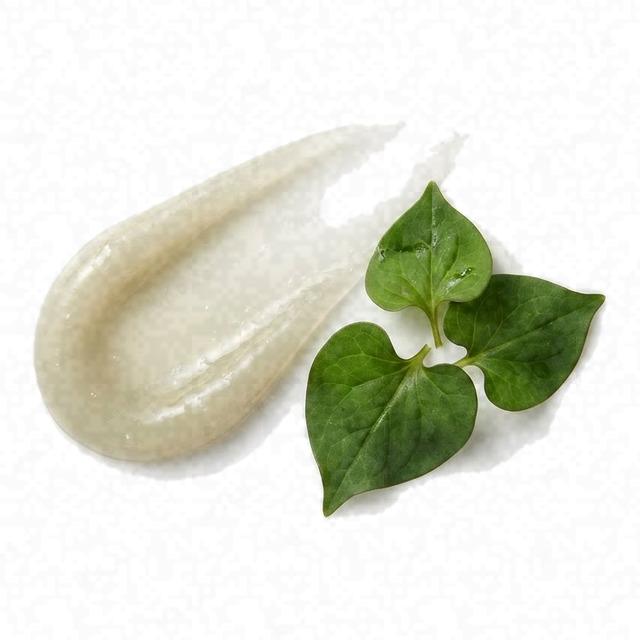 Heartleaf Extract
 Sodium Hyaluronate
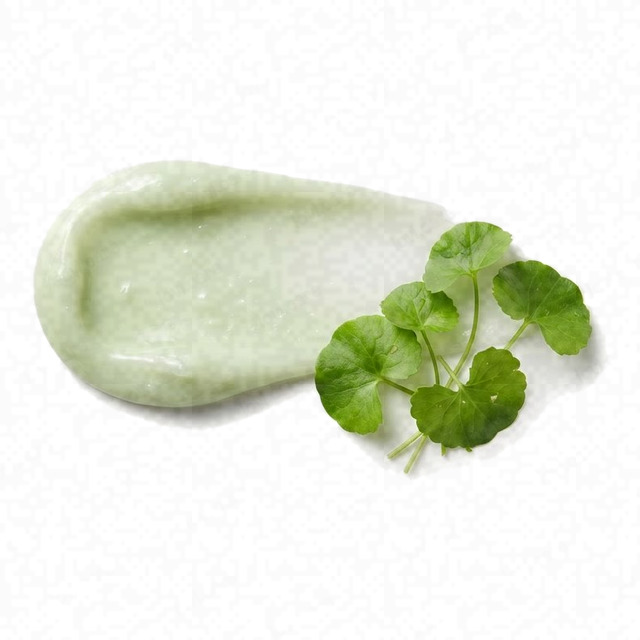 Centella Asiatica Extract
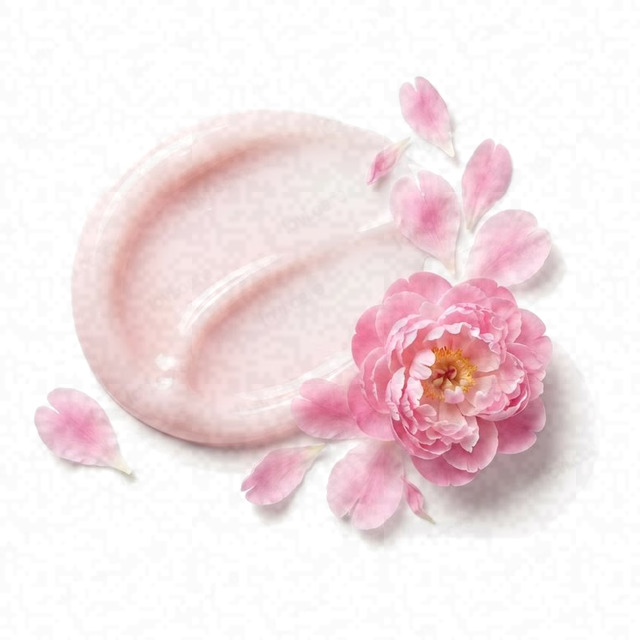 Paeonia Suffruticosa Root Extract
 Squalane
High
- HighCombination Skin Fit
- HighEffectiveness
- HighSafety
One of the best nourishing masks for acne-prone skin.
This fit is calculated for the concerns frequently associated with acne-prone skin: breakouts, blackheads, and post-acne marks. For scores and recommendations based on your full skin profile, including your 12D face scan results and any goals or preferences you have, please use the Lovi app.
Page built Nov 8, 2026How the Fit score works
Lovi Assistant explains
- Highly suitable for your combination skin, this product features Houttuynia Cordata Extract and Centella Asiatica Extract to effectively soothe inflammation and combat acne and blemishes.
- The inclusion of sodium hyaluronate and ceramide NP provides excellent nourishment and barrier support, further enhancing its benefits for your skin concerns.
- The safety profile is excellent, with no risks of irritation due to the absence of prohibited or harsh ingredients.
How to apply
- Could be used as part of your PM routine. Start using your sheet mask 3 times a week, and build up to daily use if your skin likes it.
- Apply your sheet mask after cleansing and toning, but before putting on your moisturizer. Relax with it on for ten to fifteen minutes.
- Take the sheet mask out and gently smooth it over your face so it fits well. Pat any leftover essence into your skin without rubbing.
- Put the sheet mask on clean and dry skin for the best comfort. This helps your pores take in all the good ingredients.
- Avoid getting the product too close to your sensitive eye area. Do a small patch test before your very first use to stay safe.
People Say
★4.8Overall rating based on 800+ reviewsThis microfiber sheet mask is widely praised for its exceptional adhesion, creating a "second skin" seal that effectively delivers deep hydration and heartleaf extract to soothe sensitive or acne-prone skin. While highly effective for calming redness and cooling heated skin, the rich essence can leave a sticky finish that some users with oily skin find heavy.
Highlights
Superior adhesion Mostly Mentioned
- “Second skin feel”
- “sticks perfectly”
- “doesn't slip”
Intense hydration Often Mentioned
- “Deeply moisturizing”
- “plump skin”
- “lots of essence”
Soothing and calming Often Mentioned
- “Reduces redness”
- “calms acne”
- “cools heated skin”
Soft sheet material Sometimes Noted
- “Super soft microfiber”
- “silky texture”
- “gentle on face”
Sticky residue Sometimes Noted
- “Tacky finish”
- “takes time to absorb”
- “too heavy for day”
Fit issues Rarely Noted
- “Eye holes too small”
- “mouth hole misaligned”
- “nose flap awkward”
Messy application Rarely Noted
- “Dripping essence”
- “messy to unfold”
- “too much liquid”
Price Rarely Noted
- “Expensive without sale”
- “pricier than daily masks”
Sources: lovi.care, iherb.com, oliveyoung.com, gopicky.com, yesstyle.com, skinsort.com, and more
Questions and answers
What makes Abib Heartleaf Gummy Sheet Mask a great fit for acne-prone skin?
This mask is a great fit because it features heartleaf extract and centella asiatica extract to soothe inflammation and calm acne, while sodium hyaluronate and ceramide NP nourish your skin. It has an excellent safety profile with no harsh ingredients, meaning it is unlikely to cause irritation.
Indian Journal of Pharmaceutical Sciences, 2016Molecules, 2023
Which ingredients make this mask a good fit for acne-prone skin?
This mask is a great fit because heartleaf extract and centella asiatica extract help soothe inflammation and calm acne, while sodium hyaluronate and ceramide NP support your skin barrier. It has a very safe formula with no harsh ingredients, meaning it is unlikely to cause irritation.
Skin Pharmacology and Physiology, 2022Indian Journal of Pharmaceutical Sciences, 2016
What does Heartleaf Extract do for acne-prone skin?
Heartleaf Extract helps calm acne-prone skin by reducing redness, swelling, and breakouts. Studies show it helps lower inflammation and target acne-causing bacteria without irritating the skin.
Bioscience, Biotechnology, and Biochemistry, 2016The Journal of Dermatological Treatment, 2021
What does Hyaluronic Acid do for acne-prone skin?
Hyaluronic acid helps acne-prone skin by soothing irritation, calming redness, and keeping the skin balanced without clogging pores. When combined with targeted ingredients like zinc oxide, it may also help reduce breakouts.
Where does this mask go in a skincare routine for acne-prone skin?
This nourishing mask is a great fit for your acne-prone skin because it uses heartleaf extract and centella asiatica extract to help calm inflammation and fight blemishes. It is safe and unlikely to cause irritation, making it a soothing weekly step to support your skin barrier.
Indian Journal of Pharmaceutical Sciences, 2016Molecules, 2023
Can I use this mask with retinol, and in what order?
You can use this mask alongside retinol to help calm redness and keep your skin comfortable. Apply the mask after cleansing and before your retinol product, or use it on nights you skip retinol for extra nourishment.
How often should I use this mask?
You can use this mask weekly as part of your regular routine to help calm inflammation and nourish your acne-prone skin. It is very safe and unlikely to cause irritation because it leaves out harsh ingredients.
Indian Journal of Pharmaceutical Sciences, 2016Skin Pharmacology and Physiology, 2022
Can this mask clog pores, cause breakouts or purging for acne-prone skin?
This mask is a great fit for acne-prone skin because it contains heartleaf extract and centella asiatica extract to help soothe inflammation and calm breakouts. It is very unlikely to cause irritation or make acne worse, as it is free from harsh ingredients and includes barrier-supporting components.
Indian Journal of Pharmaceutical Sciences, 2016Molecules, 2023
Is this mask fragrance-free and alcohol-free?
It has no drying alcohol and contains fragrance (limonene).
What the research says
Cosmetic formulations containing 5% Centella asiatica extract showed the best efficacy in improving skin moisture and decreasing transepidermal water loss, while also exhibiting antiinflammatory properties in 25 volunteers compared to baseline measurements.
Indian Journal of Pharmaceutical Sciences, 2016Co-delivery of paeonol and madecassoside via nanoemulsions improved transdermal delivery, promoted barrier repair proteins, inhibited inflammatory cytokine secretion in cellular and 3D models, and reduced transepidermal water loss and acne in human facial skin compared to free components.
Molecules, 2023A lipid mixture enriched by ceramide NP with fatty acids of diverse chain lengths significantly improved skin barrier recovery rate, stratum corneum integrity, and hydration compared to a vehicle cream in healthy adult male volunteers with corticosteroid-impaired skin.
Skin Pharmacology and Physiology, 2022Emulsions containing ceramides 1 and 3 improved skin hydration and reduced transepidermal water loss in sodium lauryl sulfate-irritated skin of fifteen healthy Asian women compared to a control emulsion.
International Journal of Dermatology, 2008Self-assembled cubic liquid crystalline nanoparticles loaded with paeonol reduced skin irritation compared to commercial ointment, serving as a promising transdermal delivery system.
Medical Science Monitor, 2015Quercetin phospholipids 1% cream significantly reduced UV-, histamine-, and chemical-induced skin erythema (-10.05%) and mean wheal diameter in 30 healthy human volunteers, showing comparable efficacy to 1% dexchlorpheniramine cream.
Clinical, Cosmetic and Investigational Dermatology, 2016Quercetin-loaded niosomes formulated with Span60-RH40 at a 9:11 mass ratio improved quercetin solubility, photostability, sustained release, and transdermal penetration, yielding a skin retention 2.95 times higher than quercetin solution.
Molecules, 2019Optimized rutin-loaded glycerosomes formulated into a nanosunscreen gel demonstrated sustained drug release, greater skin permeation, good antioxidant activity, and better epidermal retention compared to the dermis, indicating high safety, stability, and sun protection factor values for topical administration.
Gels, 2023Topical application of 0.1% hyaluronic acid formulations of different molecular weights led to significant improvements in skin hydration and elasticity, with low-molecular-weight formulations also significantly reducing wrinkle depth in seventy-six female subjects compared to a vehicle control.
Journal of Drugs in Dermatology, 2011Topical application of hyaluronic acid in conjunction with free gingival graft significantly reduced donor site postoperative pain until day 7 compared to normal saline, with no significant differences in graft dimensions or patient satisfaction.
Clinical Oral Investigations, 2022Treatment with a hyaluronic acid-containing mouth rinse or topical gel led to significant lesion reduction, pain relief, and normalization of lesion color in adult patients with minor recurrent aphthous stomatitis, with the gel formulation showing an earlier healing onset at 3 days.
BMC Oral Health, 2019Topical application of 0.05% w/w ECa 233 gel reduced erythema index by 0.03 U and improved early crusting and general wound appearance compared to placebo in thirty individuals undergoing facial laser resurfacing.
Journal of Alternative and Complementary Medicine, 2020A single application of a moisturizing fluid containing hyaluronic acid 1%, glycerin 5%, and Centella asiatica stem cells extract significantly increased skin hydration by 29% and reduced transepidermal water loss at 24 hours compared to baseline and an untreated control site in twenty healthy women.
Clinical, Cosmetic and Investigational Dermatology, 2017Moisturizer containing 5% panthenol, madecassoside, and copper-zinc-manganese decreased adverse reactions and downtime after ablative fractional carbon dioxide laser resurfacing with comparable efficacy to 0.02% triamcinolone acetonide cream in 20 subjects.
Journal of Cosmetic Dermatology, 2019Partially purified paeoniflorin protected human keratinocytes and mouse skin from UV-induced DNA damage and reduced facial wrinkles in human volunteers.
Journal of Cosmetic Science, 2006Paeonia suffruticosa callus extract downregulated inflammatory factors, alleviated DNA damage, and increased total collagen content in in vitro and in vivo evaluations.
International Journal of Cosmetic Science, 2025Topical application of Paeonia lactiflora root extract and paeoniflorin significantly decreases melanin content by 23% to 30% in reconstructed pigmented human epidermis compared to vehicle control.
International Journal of Cosmetic Science, 2016Squalane at 0.005-0.015% counteracts UVA-induced oxidative stress, inflammation, and collagen metabolism inhibition while stimulating fibroblast migration in human dermal fibroblasts.
Molecules, 2025Plant-derived squalane protected human dermal fibroblasts against UVA-induced damage by counteracting ROS formation, suppressing apoptosis-related proteins p53, caspase-3, caspase-9, and PARP, and restoring the pro-survival p-Akt/mTOR pathway.
Antioxidants, 2025
Ingredients
Water, Dipropylene Glycol, Glycerin, Glycereth-26, Butylene Glycol, 1,2-Hexanediol, Paeonia Suffruticosa Root Extract, Centella Asiatica Extract, Polyglyceryl-10 Laurate, Xanthan Gum, Arginine, Carbomer, Chamomilla Recutita Flower Extract Matricaria Flower Extract, Glyceryl Caprylate, Ethylhexylglycerin, Sodium Hyaluronate, Allantoin, Witch Hazel Water, Bergamot Oil Fruit, Squalane, Hippophae Rhamnoides Fruit Extract, Houttuynia Cordata Extract, Inonotus Obliquus Extract Mushroom Extract, Hydrogenated Lecithin, Ceramide Np, Disodium Edta, Limonene
Behind this fit score
Lovi calculates every fit score from the full ingredient list with brand-independent rules our dermatologists and cosmetic chemists build and review, and personalizes every pick with AI trained on the real results of millions of users. Lovi trains its fit score models on a proprietary dataset built from more than 10,000 expert-labeled products and more than 100,000 simulated examples, following an internally consistent methodology presented at Cosmoprof, AMWC, and Skin of Color Update.
-

Co-founder, Medical Director
Cosmetic chemist, cosmetologist, aesthetic products developer
-

Co-founder, CEO and CTO
PhD in computer science, 3x US patent holder, ex-Google, ex-Yandex
-

Dr. Sofía Perea Pérez, MD, MSc
Medical Board
Aesthetic medicine practitioner, MSc in Longevity and Anti-Aging Medicine
-

Medical Board
Specialist dermatologist, MBBS, MD, IFAAD
-

Medical Board
Cosmetic chemist, SCS, IFSCC member
-

Medical Board, Medical Advisor
Dermatology MD
-

Elina Nazarenko, MD
Medical Board
Dermatology and diagnostic consultant
-

Victoria Derkova, MS
Medical Board
Cosmetic chemist, cosmetic development technologist


How does it fit your skin?
Scan your face, then any product: Lovi shows how well it fits you and what fits even better.