
Yunjac Firming & Nourishing Mask for skin with dark spots

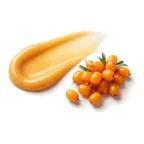 Hippophae Rhamnoides Oil
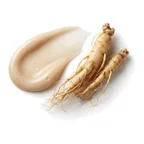 Lactobacillus Ginseng Root Ferment Filtrate
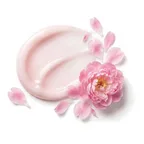 Paeonia Albiflora Root Extract
 Tocopherol
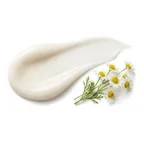 Bisabolol
Average
- AverageNormal Skin Fit
- AverageEffectiveness
- HighSafety
Works for skin with dark spots; other nourishing masks fit it better.
This fit is calculated for the concerns frequently associated with dark spots: hyperpigmentation, sun spots, and uneven skin tone. For scores and recommendations based on your full skin profile, including your 12D face scan results and any goals or preferences you have, please use the Lovi app.
Updated How the Fit score works
Lovi Assistant explains
- Offers moderate suitability for your normal skin, as Lactobacillus Ginseng Root Ferment Filtrate and Hippophae Rhamnoides Oil enhance barrier resilience and plumping, though these ingredients do not directly address your goal of pigmentation.
- Glycerin and Bisabolol provide general hydration and soothing benefits, which are supportive but not targeted for your specific pigmentation concerns.
- The product is safe for your normal skin, with no risks of irritation due to the absence of prohibited or harsh ingredients.
How to apply
- Use your creamy mask PM routine once a week to start, then increase frequency if your normal skin feels good. Always remember to wear SPF during the day to protect your skin.
- Apply the creamy mask after cleansing and toning, and before your usual moisturizer. This helps lock in all the good ingredients for your skin.
- Smooth an even layer of the creamy mask over your face while avoiding the eye area. Do not rub it in harshly.
- Apply the creamy mask on dry skin since your skin is not sensitive and can handle active ingredients well. Let it sit for the recommended time before rinsing or patting in.
- Always do a patch test before your first use to check for any allergic reactions. Avoid mixing this mask with strong acids in the exact same routine.
People Say
★3.5Overall rating based on 100+ reviewsBased on limited data, users find this mask to be a rich, oil-transforming cream ideal for dry skin needing a hydration boost and morning glow. It effectively softens and hydrates, though its heavy, oily finish and potential for skin irritation make it polarizing.
Highlights
Deep hydration Often Mentioned
- “Skin feels completely different in morning”
- “Restores moisture barrier”
- “Great for winter dryness”
Firming and glow Sometimes Noted
- “Skin looks plump”
- “Radiant complexion next day”
- “Softens rough texture”
Luxurious texture Sometimes Noted
- “Smooth application”
- “Absorbs well with massage”
- “Rich oil content”
Heavy residue Sometimes Noted
- “Too oily to wipe off”
- “Sits on top of skin”
- “Transfers to pillow easily”
Skin irritation Sometimes Noted
- “Caused redness and stinging”
- “Eyes became irritated”
- “Tingling sensation lasted”
High price Rarely Noted
- “Expensive for the amount”
- “Price is steep”
- “Hard to justify cost”
Sources: lovi.care, hwahae.co.kr, incidecoder.com, kbeautyx.com, ssg.com, and more
Questions and answers
How well does Yunjac Firming & Nourishing Mask work for skin with dark spots?
Yunjac Firming & Nourishing Mask works moderately well for skin with dark spots, as its ingredients help strengthen the skin barrier and provide hydration rather than directly targeting pigmentation. To better address dark spots, this type of product needs effective brightening ingredients like Niacinamide and Galactomyces Ferment Filtrate.
Which ingredients make this mask a good fit for skin with dark spots?
This mask is only an average fit for skin with dark spots because its ingredients mostly help with barrier strength and hydration rather than fading dark spots. To truly address pigmentation, a product of this type needs dedicated brightening ingredients like niacinamide and galactomyces ferment filtrate along with soothing extracts.
What does Sea Buckthorn Oil do for skin with dark spots?
Sea buckthorn oil helps brighten dark spots and evens out skin tone. It contains plant compounds that may help fade unwanted pigment and protect skin from sun damage.
What does Lactobacillus Ginseng Root Ferment Filtrate do for skin with dark spots?
Lactobacillus Ginseng Root Ferment Filtrate helps brighten skin with dark spots and evens out skin tone. Fermented ginseng ingredients help reduce melanin production and improve skin appearance.
Journal of Ginseng Research, 2020Journal of Toxicology and Environmental Health. Part A, 2020
Where does this mask go in a skincare routine for skin with dark spots?
This nourishing mask goes into your weekly routine after the cleanser and enzyme powder, and before your treatment and moisturizer. It brings good hydration and soothing benefits to help keep your skin comfortable, though a dark spots routine also needs targeted brightening ingredients to effectively fade discoloration.
Can I use this mask with retinol, and in what order?
You can use this mask in your weekly routine, applying it after cleansing and before your treatment step. It is safe for your skin with no risks of irritation, and a product for dark spots this skin needs ingredients that directly fade pigmentation.
How often should I use this mask?
This nourishing mask works best once a week as part of your routine for skin with dark spots. It is safe for your skin, though a product of this type for dark spots needs targeted brightening ingredients and vitamin C to fade dark spots and even out skin tone.
Can this mask clog pores, cause breakouts or purging for skin with dark spots?
This mask is unlikely to cause purging, but it may leave a heavy residue that can clog pores and lead to breakouts for skin with dark spots. Skin with dark spots needs lightweight hydrating ingredients and targeted brighteners like vitamin C or niacinamide to fade discoloration without heavy layers.
What the research says
Topical application of a 5% Hippophae rhamnoides oil-in-water emulsion significantly improved skin hydration (p=0.0003) and transepidermal water loss (p=0.0087) compared to a placebo base formulation in 13 healthy male subjects over 84 days.
Pakistan Journal of Pharmaceutical Sciences, 2014Sea buckthorn seed oil prevents UV-induced disturbances in redox balance and lipid metabolism in human keratinocytes and fibroblasts by reducing reactive oxygen species and lipid peroxidation products while enhancing antioxidant levels.
Antioxidants, 2018A single application of a moisturizing fluid containing hyaluronic acid 1%, glycerin 5%, and Centella asiatica stem cells extract significantly increased skin hydration by 29% and reduced transepidermal water loss at 24 hours compared to baseline and an untreated control site in twenty healthy women.
Clinical, Cosmetic and Investigational Dermatology, 2017Treatment with 10 μg/mL Hippophae rhamnoides seed oil increased AQP3 mRNA and AQP3 and HAS2 protein levels in normal human epidermis keratinocytes and a reconstructed epidermis skin model compared to a negative control.
Journal of Cosmetic Dermatology, 2021Enzyme-modified ginseng extract cream significantly reduced the global photo-damage score and various roughness measures including total roughness, smoothness depth, and arithmetic roughness average compared to placebo in 23 human subjects.
Rejuvenation Research, 2015A red ginseng hydrogel formulation with 1,2-hexanediol promoted selective growth of Staphylococcus epidermidis and decreased Cutibacterium acnes in 20 female subjects.
Journal of Ginseng Research, 2022A cream containing 0.1% ginsenoside F1 demonstrated a skin-whitening effect on artificially tanned human skin after 8 weeks by enhancing interleukin-13 production from epidermal gamma-delta T cells, which subsequently suppressed tyrosinase and DCT expression and melanin synthesis in melanocytes.
Experimental Dermatology, 2014A topical serum containing vitamin C, vitamin E, and raspberry leaf cell culture extract improved skin color, elasticity, radiance, smoothness, scaliness, and wrinkles compared to the untreated contralateral side in fifty female volunteers.
Journal of Cosmetic Dermatology, 2020A nighttime topical antioxidant containing resveratrol, baicalin, and vitamin E significantly improved fine lines, wrinkles, firmness, elasticity, laxity, hyperpigmentation, radiance, roughness, and dermal thickness in subjects with mild to moderately photodamaged skin over 12 weeks.
Journal of Drugs in Dermatology, 2014A topical antioxidant serum significantly reduced air pollution-induced skin pigmentation and proinflammatory gene expression ex vivo, and improved skin aging signs in 40 healthy adult females after 90 days of daily use.
Journal of Cosmetic Dermatology, 2022Application of an alpha-bisabolol-containing cream produced a significant skin-lightening effect in pigmented skin compared to a vehicle control in the majority of female subjects after 8 weeks.
International Journal of Cosmetic Science, 2010The combination of allantoin, bisabolol, D-panthenol and dipotassium glycyrrhizinate reduces UVB-induced PGE2, inflammatory cytokines, and mitochondrial superoxide in human epidermal keratinocytes.
International Journal of Cosmetic Science, 2024
Ingredients
Dicaprylyl Carbonate, Glycerin, Water, Sucrose Palmitate, Sucrose Laurate, Butylene Glycol, Caprylyl Glycol, Tocopherol, Bisabolol, Carbomer, Tromethamine, Ethylhexylglycerin, Lactobacillus Ginseng Root Ferment Filtrate, Hippophae Rhamnoides Oil, Medicago Sativa Extract, Paeonia Albiflora Root Extract, Hydrogenated Lecithin, Aquilaria Agallocha Extract, 1,2-Hexanediol, Gardenia Florida Flower Extract, Theobroma Cacao Extract, Sodium Benzoate, Phenoxyethanol, Paeonia Albiflora Flower Extract, Cholesterol, Dextrin, Parfum, Hexyl Cinnamal, Limonene, Linalool
Behind this fit score
Lovi calculates every fit score from the full ingredient list with brand-independent rules our dermatologists and cosmetic chemists build and review, and personalizes every pick with AI trained on the real results of millions of users. Lovi trains its fit score models on a proprietary dataset built from more than 10,000 expert-labeled products and more than 100,000 simulated examples, following an internally consistent methodology presented at Cosmoprof, AMWC, and Skin of Color Update.
-

Co-founder, Medical Director
Cosmetic chemist, cosmetologist, aesthetic products developer
-

Co-founder, CEO and CTO
PhD in computer science, 3x US patent holder, ex-Google, ex-Yandex
-

Dr. Sofía Perea Pérez, MD, MSc
Medical Board
Aesthetic medicine practitioner, MSc in Longevity and Anti-Aging Medicine
-

Medical Board
Specialist dermatologist, MBBS, MD, IFAAD
-

Medical Board
Cosmetic chemist, SCS, IFSCC member
-

Medical Board, Medical Advisor
Dermatology MD
-

Elina Nazarenko, MD
Medical Board
Dermatology and diagnostic consultant
-

Victoria Derkova, MS
Medical Board
Cosmetic chemist, cosmetic development technologist


How does it fit your skin?
Scan your face, then any product: Lovi shows how well it fits you and what fits even better.