
The Body Shop Himalayan Charcoal Purifying Glow Mask for acne-prone skin

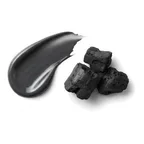 Himalayan Charcoal
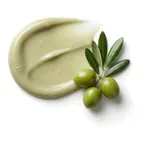 Oil Tree
 Camellia Sinensis
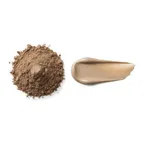 Moroccan Lava Clay
 Aloe Barbadensis
Average
- HighCombination Skin Fit
- AverageEffectiveness
- HighSafety
Works for acne-prone skin; other cleansing masks fit it better.
This fit is calculated for the concerns frequently associated with acne-prone skin: breakouts, blackheads, and post-acne marks. For scores and recommendations based on your full skin profile, including your 12D face scan results and any goals or preferences you have, please use the Lovi app.
Updated How the Fit score works
Lovi Assistant explains
- Offers moderate purification for your acne, blemishes, and breakouts as kaolin and charcoal powder decongest pores and provide mild cleansing. The inclusion of pumice offers gentle exfoliation, which is suitable for your combination skin type.
- Argania Spinosa Shell Powder and Moroccan Lava Clay further aid in refining skin texture and absorbing excess oil, contributing to a clearer complexion.
- The product is safe for your skin, with no risks of irritation due to the absence of harsh ingredients and the presence of soothing aloe vera.
How to apply
- Use this cleansing mask during your PM weekly routine. Start 1x/week and increase if your skin tolerates it well.
- Apply this cleansing mask after using your pre-cleanser and cleanser , and before your hydrating toner.
- Spread an even layer of the cleansing mask over your face , avoiding any rubbing to protect your skin.
- Apply the cleansing mask to clean and dry skin to help clear up your blemishes effectively.
- Avoid the eye area and do a patch test before your first use.
People Say
★4.6Overall rating based on 6.0k+ reviewsBased on a very large amount of data, this clay mask is widely praised by users with oily and combination skin for its intense purifying and exfoliating abilities, often described as a "detox" that leaves skin feeling exceptionally clean, smooth, and matte. Its potent formula, characterized by a strong tingling sensation and active ingredients like tea tree oil, can be too harsh for sensitive or dry skin types, occasionally causing redness or irritation.
Highlights
Deeply purifies Mostly Mentioned
- “sucks out dirt and impurities”
- “pores looked more refined”
- “cleared out persistent blocked pores”
Controls oil Often Mentioned
- “visibly works to remove oilies”
- “great for oily t-zone”
- “balances the oil”
Exfoliates and smooths Often Mentioned
- “leaves skin feeling fresh and revived”
- “skin felt amazingly soft and smooth”
- “polishes and smooths over my skin”
Refreshing sensation Sometimes Noted
- “refreshing cooling effect”
- “intensely tingly and refreshing”
- “feels really calming”
Difficult removal Sometimes Noted
- “tough to remove”
- “scrubbing the mask off”
- “high maintenance when removing”
Intense tingling Sometimes Noted
- “it burns so much”
- “eyes were watering”
- “burning sensation was too much”
Potential irritation Rarely Noted
- “redness and inflammation”
- “not for sensitive skin”
- “left my skin feeling tight”
Strong scent Rarely Noted
- “smell is pretty intense”
- “made my eyes water”
- “fragrance is a little overpowering”
Sources: lovi.care, influenster.com, thebodyshop.com, nykaa.com, fashioneyesta.com, thesammidiaries.com, and more
Questions and answers
How well does The Body Shop Himalayan Charcoal Mask work for acne-prone skin?
This mask works moderately well for acne-prone skin because charcoal and clay help clear out pores and absorb excess oil. It also includes soothing aloe vera to help keep irritation unlikely. To work best for this skin, a product of this type needs powerful acne-fighting ingredients like salicylic acid or zinc oxide for better oil control and blemish care.
Clinical Pharmacology, 2018Tissue Engineering and Regenerative Medicine, 2021
Which ingredients make this mask a good fit for acne-prone skin?
Charcoal powder and kaolin make this mask a fit for your acne-prone skin by soaking up extra oil and clearing out pores. To work best for this skin type, a cleansing mask like this needs proven acne-fighting ingredients like salicylic acid and zinc oxide, alongside hydrating agents that balance oily and dry areas without causing irritation.
Journal of Cosmetic Dermatology, 2025Clinical Pharmacology, 2018
What does Tea Tree Oil do for acne-prone skin?
Tea tree oil helps calm acne-prone skin by reducing both inflamed and non-inflamed breakouts. It works well to clear up pimples with fewer side effects than some harsh treatments.
Indian Journal of Dermatology, Venereology and Leprology, 2007The Medical Journal of Australia, 1990
Where does this mask go in a skincare routine for acne-prone skin?
This cleansing mask goes in your weekly routine after a cleanser and enzyme powder, and before a hydrating toner, treatment, and moisturizer. To care best for acne-prone skin, this type of product needs clarifying ingredients like charcoal and clay to clear pores alongside soothing ingredients to keep skin calm.
Can I use this mask with hyaluronic acid, and in what order?
You can use this cleansing mask with hyaluronic acid by applying your hyaluronic acid product after you rinse off the mask and your skin is slightly damp. This order helps lock in hydration and keeps your skin soft while avoiding any unnecessary dryness. For acne-prone skin, this type of product also needs gentle soothing ingredients and oil-balancing clays that clear pores without irritation.
Journal of Cosmetic Dermatology, 2025Clinical Pharmacology, 2018
How often should I use this mask?
Use this cleansing mask once a week in your weekly evening routine. Acne-prone skin works well with this frequency, though a product for this skin needs stronger clearing ingredients and gentle exfoliants to better handle breakouts.
Can this mask clog pores, cause breakouts or purging for acne-prone skin?
This mask is unlikely to clog pores or cause breakouts because it uses charcoal and clay to clear out dirt and oil, though acne-prone skin often needs a stronger fit with dedicated acne-fighting ingredients like salicylic acid or benzoyl peroxide to truly stay clear.
What the research says
The pumice stone removes hyperkeratotic tissue and occupational hand stains effectively when used with wet skin, soap, or keratolytic agents.
Journal of the American Academy of Dermatology, 1980A bentonite-based facial mask with Alcea sulphurea extract combined with oral azithromycin significantly reduced total lesion count and acne severity index while enhancing patient satisfaction in patients with moderate acne compared to placebo plus azithromycin over 8 weeks.
Journal of Cosmetic Dermatology, 2025A cream combining propolis, tea tree oil, and Aloe vera reduced erythema scars, acne severity index, and total lesion count better than erythromycin cream in sixty patients with mild to moderate acne vulgaris compared to placebo.
Clinical Pharmacology, 2018Small extracellular vesicles derived from Aloe vera peels exhibited antioxidant activity, reduced intracellular ROS levels, enhanced human skin cell migration, and upregulated antioxidant-related gene expression in H2O2-treated human keratinocytes.
Tissue Engineering and Regenerative Medicine, 2021Aloe vera-derived exosome-like nanoparticles isolated from gel and rind mitigate skin photoaging and alleviate UV-induced oxidative stress and DNA damage through the Nrf2/ARE pathway in in vitro and in vivo models.
International Journal of Nanomedicine, 2025Soap-and-water wash and superactive charcoal paste applied topically at various times after T-2 toxin exposure effectively reduced skin lesion severity in swine compared to untreated controls.
Fundamental and Applied Toxicology, 1989The incorporation of olive oil-loaded hydrogel particles into a cream formulation provides strong moisturizing properties and photoprotective potential when applied to healthy subjects.
Pharmaceutical Development and Technology, 2018Wild Olive Oil, Extra Virgin Olive Oil, and Virgin Olive Oil compared against liquid paraffin and rosehip oil showed that wild olive oil yielded the lowest perception of oiliness and the highest increase in skin elasticity among eight healthy volunteers.
Pharmaceutics, 2022Topically formulated tea polyphenols show some benefit in reducing sebum secretion and treating acne vulgaris compared to baseline or control.
Antioxidants, 2016Topical application of tannase-converted green tea extract (TGE) significantly improved skin wrinkle indices and self-assessed wrinkle reduction compared to normal green tea extract (NGE) in human subjects over 8 weeks.
Journal of Cosmetic Dermatology, 2013An anti-acne hydrogel containing Aloe barbadensis, Garcinia mangostana, and Camellia sinensis extracts showed superior antiacne and antiblotch activities compared to 1% clindamycin gel in sixty subjects with mild-moderate acne.
Clinical, Cosmetic and Investigational Dermatology, 2019Vectorization of high molecular weight hyaluronic acid with clay enabled its penetration into deeper skin layers and led to a significant clinical reduction in fine lines in the crow's feet area compared to placebo after 28 days.
Skin Research and Technology, 2024Twice-weekly use of a clay mask over 4 weeks in 75 adults with oily or combination skin improved acne-related outcomes, sebum content, skin evenness, hydration, and reduced dryness and irritation.
Skin Research and Technology, 2023Clay jojoba oil facial masks reduced total skin lesions by a mean of 54% after 6 weeks in 133 participants with acne-prone, lesioned skin and mild acne compared to baseline.
Forschende Komplementarmedizin, 2012Formulations containing 0.10%, 0.25%, and 0.50% freeze-dried Aloe vera extract increased stratum corneum water content compared with the vehicle in 20 female subjects, while transepidermal water loss was not modified.
Skin Research and Technology, 2006Kombucha-mediated fermentation of aloe vera gel for 10 and 20 days enhanced its phenolic and flavonoid content, antioxidant capacity, cytoprotective effects, enzyme inhibition against collagenase, elastase, and hyaluronidase, and moisturizing properties compared to unfermented gel.
Molecules, 2025Aloe vera gel phenolic and polysaccharide extracts demonstrated distinct wound-healing properties in vitro, with the phenolic extract exhibiting anti-inflammatory, antioxidant, and fibroblast-stimulating effects, and the polysaccharide extract showing enhanced collagen synthesis and antibacterial activity against Staphylococcus aureus.
Journal of Functional Biomaterials, 2024
Ingredients
Water, Kaolin, Moroccan Lava Clay, Magnesium Aluminum Silicate, Alcohol Denat, Camellia Sinensis Leaf, Peg-40 Hydrogenated Castor Oil, Pumice, Argania Spinosa Shell Powder, Phenoxyethanol, Xanthan Gum, Parfum, Charcoal Powder, Ethylhexylglycerin, Caprylhydroxamic Acid, Argania Spinosa Kernel Oil, Butyrospermum Parkii Butter Shea Butter, Limonene, Linalool, Methylpropanediol, Aloe Barbadensis Leaf Juice Powder, Menthol, Disodium Edta, Tetrasodium Pyrophosphate, Melaleuca Alternifolia Melaleuca Alternifolia Oil Leaf Tree, Eucalyptus Globulus Oil Leaf, Citric Acid, Menthoxypropanediol, Citral, Geraniol, Coumarin, Caramel
Behind this fit score
Lovi calculates every fit score from the full ingredient list with brand-independent rules our dermatologists and cosmetic chemists build and review, and personalizes every pick with AI trained on the real results of millions of users. Lovi trains its fit score models on a proprietary dataset built from more than 10,000 expert-labeled products and more than 100,000 simulated examples, following an internally consistent methodology presented at Cosmoprof, AMWC, and Skin of Color Update.
-

Co-founder, Medical Director
Cosmetic chemist, cosmetologist, aesthetic products developer
-

Co-founder, CEO and CTO
PhD in computer science, 3x US patent holder, ex-Google, ex-Yandex
-

Dr. Sofía Perea Pérez, MD, MSc
Medical Board
Aesthetic medicine practitioner, MSc in Longevity and Anti-Aging Medicine
-

Medical Board
Specialist dermatologist, MBBS, MD, IFAAD
-

Medical Board
Cosmetic chemist, SCS, IFSCC member
-

Medical Board, Medical Advisor
Dermatology MD
-

Elina Nazarenko, MD
Medical Board
Dermatology and diagnostic consultant
-

Victoria Derkova, MS
Medical Board
Cosmetic chemist, cosmetic development technologist


How does it fit your skin?
Scan your face, then any product: Lovi shows how well it fits you and what fits even better.