
Skinbetter Science Alto Defense Serum for acne-prone skin

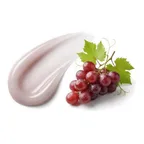 Vitis Vinifera Seed Extract Grape Seed Extract
 Glycyrrhiza Glabra Root Extract Licorice Root Extract
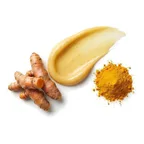 Curcuma Longa Root Extract
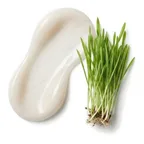 Superoxide Dismutase
 Tetrahexyldecyl Ascorbate
Average
- AverageCombination Skin Fit
- AverageEffectiveness
- HighSafety
Works for acne-prone skin; other serums fit it better.
This fit is calculated for the concerns frequently associated with acne-prone skin: breakouts, blackheads, and post-acne marks. For scores and recommendations based on your full skin profile, including your 12D face scan results and any goals or preferences you have, please use the Lovi app.
Updated How the Fit score works
Lovi Assistant explains
- Offers moderate suitability for your combination skin, as glycerin and sodium hyaluronate provide essential hydration, but it lacks sufficient ingredients for optimal oil control on your oilier areas.
- The serum provides excellent antioxidant protection due to ingredients like tetrahexyldecyl ascorbate and ergothioneine, which shield your skin from environmental stressors.
- The safety profile is good, with no risks of irritation for your combination skin due to the absence of harsh ingredients and the presence of soothing components like bisabolol and licorice root extract.
How to apply
- Use your serum as part of your PM routine and start 3x/week before working up to daily use.
- Apply this treatment after cleansing and toner, and before your moisturizer.
- Gently press 2-3 drops of the serum into your skin and let it absorb for a minute.
- Apply the product on clean, dry skin to help manage your breakouts safely.
- Avoid the eye area and do a patch test before your first use.
People Say
★4.8Overall rating based on 200+ reviewsMost users report a more luminous and even complexion without irritation. A few users note the high price point, small packaging, and occasional lack of visible results.
Highlights
Improves skin texture Often Mentioned
- “evened out my tone and texture so well”
- “definite improvement in hydration and texture”
- “My skin tone looks more even and luminous”
- “makes my face smooth”
Reduces skin redness Often Mentioned
- “This is really helping to reduce the redness”
- “helped so much with the texture and redness”
- “improvement in some of my redness”
Expensive product Often Mentioned
- “4 stars due to the cost”
- “I don't like that is relatively expensive”
- “definitely on the pricier side”
- “the product is pretty expensive”
Gentle and non-irritating Sometimes Noted
- “so gentle that it causes no irritation whatsoever”
- “in derivative form, hence no irritation”
- “not irritating at all”
- “hasn't had any issue at all”
Hydrates the skin Sometimes Noted
- “helped my skin to feel more hydrated”
- “my skin feels extremely hydrated”
- “My skin is so soft and hydrated”
- “Gives skin good hydration”
No visible results Rarely Noted
- “I see absolutely no change whatsoever”
- “Hasn't been earth-shattering yet”
- “haven't seen any effect in terms of skin redness”
- “didn't do anything for me”
Small bottle size Rarely Noted
- “actual size of this travel size bottle is extremely small”
- “smaller than I thought it would be”
- “small amount for the money”
Sources: lovi.care, lovelyskin.com, realself.com, lazskincare.com, reddit.com, ellemesmedspa.com, and more
Questions and answers
How well does Skinbetter Science Alto Defense work for acne-prone skin?
Skinbetter Science Alto Defense Serum works moderately well for acne-prone skin, as it provides great antioxidant protection and hydration but lacks enough ingredients for optimal oil control on oilier areas. A product for this skin needs effective ingredients like niacinamide, propolis, and zinc PCA to target breakouts and control oil while keeping skin balanced.
Clinical, Cosmetic and Investigational Dermatology, 2017Frontiers in Nutrition, 2026
Which ingredients make this serum a good fit for acne-prone skin?
This serum works for acne-prone skin because it contains glycerin and sodium hyaluronate for hydration, alongside soothing components like bisabolol and licorice root extract that keep irritation away. However, to be a top fit for acne-prone skin, a product of this type needs ingredients like niacinamide and zinc PCA to control excess oil while keeping the skin balanced.
Clinical, Cosmetic and Investigational Dermatology, 2017Frontiers in Nutrition, 2026
What does Grape Seed Extract do for acne-prone skin?
Grape seed extract helps improve acne-prone skin by reducing blemishes and balancing oil production. It is unlikely to cause skin irritation and has a good safety profile for regular use.
What does Licorice Root Extract do for acne-prone skin?
Licorice root extract helps calm redness and swelling in acne-prone skin while easing irritation from breakouts. It is unlikely to cause trouble and works well to keep sensitive skin balanced.
Where does this serum go in a skincare routine for acne-prone skin?
This serum goes in the evening routine after cleansing and before moisturizing, though some serums can also be used in the morning or twice a day. Acne-prone skin works best with products of this type that also include ingredients to help control oil.
Can I use this serum with retinol, and in what order?
You can use this serum with a retinoid, applying this treatment after cleansing and before your moisturizer in your evening routine. This pairing is unlikely to cause irritation because the formula includes soothing components like bisabolol and licorice root extract.
How often should I use this serum?
This serum works well in your evening routine, and you may use it once a day. For acne-prone skin, a product of this type needs extra oil-controlling ingredients to manage oilier areas effectively.
Can this serum clog pores, cause breakouts or purging for acne-prone skin?
This serum is unlikely to clog pores or cause breakouts for acne-prone skin, as it has a good safety profile with gentle ingredients and soothing components. However, because it works for your skin as an average fit, an acne-prone skin type needs targeted oil-control ingredients to properly manage shine and keep pores clear.
Is this serum fragrance-free and alcohol-free?
Yes, it has no fragrance and no drying alcohol. Cetearyl alcohol is a fatty alcohol, which soften the skin.
What the research says
A single application of a moisturizing fluid containing hyaluronic acid 1%, glycerin 5%, and Centella asiatica stem cells extract significantly increased skin hydration by 29% and reduced transepidermal water loss at 24 hours compared to baseline and an untreated control site in twenty healthy women.
Clinical, Cosmetic and Investigational Dermatology, 2017A triple combination of ergothioneine, collagen peptides, and sodium hyaluronate attenuated UV-induced skin damage ex vivo and improved facial skin hydration, elasticity, barrier function, and wrinkles in Chinese women.
Frontiers in Nutrition, 2026Ergothioneine at nanomolar concentrations ameliorated UVA-induced skin damage, reactive oxygen species, and apoptosis in human keratinocyte-derived HaCaT cells by upregulating Nrf2/ARE-mediated antioxidant genes.
Free Radical Biology & Medicine, 2015Oligomeric proanthocyanidin topical cream and lotion significantly reduced UV-induced erythema by 45.9% and 53.1% respectively and increased skin hydration by nearly 20% in human subjects, with dietary supplementation providing additional suppression of erythema and higher skin hydration.
Skin Pharmacology and Physiology, 2007Topical application of a water-in-oil emulsion containing 2% Muscat hamburg grape seed extract significantly improved melanin, elasticity, and sebum content compared to a placebo in human volunteers over 8 weeks, with no reported skin hypersensitivity.
International Journal of Cosmetic Science, 2015Topical application of oligomeric proanthocyanidins cream immediately after UV exposure significantly decreased UV-induced ultra-weak photon emission by approximately 30% and reduced skin sensitization in 25 healthy female subjects compared to untreated skin.
Journal of Photochemistry and Photobiology. B, Biology, 2010Combining 755 nm alexandrite laser with topical licorice gel significantly reduces terminal hair counts compared to alexandrite laser with placebo in women with idiopathic hirsutism.
Evidence-based Complementary and Alternative Medicine, 2015Licochalcone A activated Nrf2 signaling, elevated cytoprotective enzymes, increased the reduced-to-oxidized glutathione ratio, and decreased reactive oxygen species in human fibroblasts and neutrophils, while a LicA-rich licorice extract lowered UVA-induced oxidative processes in vivo.
Experimental Dermatology, 2015Mesoporous silica nanoparticles entrapping licorice polysaccharide and coated with polydopamine showed 76% entrapment efficiency, 89% in vitro release at pH 5, increased sebocytes' cellular uptake, and mediated inflammatory response by inhibiting pro-inflammatory cytokines and regulating anti-inflammatory cytokines.
Carbohydrate Polymers, 2024Topical application of curcumin or turmeric treats various skin conditions by leveraging antioxidant, anti-inflammatory, and antimicrobial properties.
Skin Pharmacology and Physiology, 2023A curcumin-loaded spanlastic anti-aging gel utilizing formula F5 incorporated into 2% HPMC E50 demonstrated sustained release action, compatibility, and the ability to penetrate skin layers to a depth of about 112.5 um without signs of irritation.
Saudi Pharmaceutical Journal, 2024Topical application of TAT-SOD significantly suppresses UVB-induced erythema formation, blood flow rise, and apoptotic sunburn cell formation in human volunteers compared to a vehicle control.
European Journal of Pharmaceutics and Biopharmaceutics, 2016Topical treatment with the synthetic SOD/catalase mimetic EUK-134 reduced lipid peroxide levels both at baseline on non-irradiated human skin and at the surface of UVA-exposed skin when applied before or after irradiation, compared to controls.
International Journal of Cosmetic Science, 2004Topical superoxide dismutase formulations maintained physical stability and enzymatic activity for 6 months at 4 and 30 degrees C, and effectively inhibited UVB-induced skin erythema for 48 hours, whereas formulations combined with alpha-tocopherol were unstable.
European Journal of Pharmaceutics and Biopharmaceutics, 2007Topical application of 5% vitamin C cream significantly improved global clinical scores, increased skin microrelief density, and induced elastic tissue repair in photoaged skin compared to excipient control in healthy female volunteers.
Experimental Dermatology, 2003Topical application of VC-IP cream twice daily for 8 weeks reduces periorbital wrinkles in female subjects compared to a placebo cream.
Journal of Cosmetic Dermatology, 2022Topical treatment with 5% vitamin C and 0.1% madecassoside significantly improved clinical scores for wrinkles, suppleness, firmness, roughness, and skin hydration, along with functional and structural remodeling of the elastic fiber network in 20 female volunteers with photoaged skin after 6 months compared to baseline.
Experimental Dermatology, 2008
Why other serums fit acne-prone skin better
Niacinamide and ferulic acid incorporated in a stable multiple emulsion successfully reduced melanin, sebum, and skin erythema while improving skin elasticity and hydration in human skin compared to a placebo.
BioMed Research International, 2022Co-delivery of paeonol and madecassoside via nanoemulsions improved transdermal delivery, promoted barrier repair proteins, inhibited inflammatory cytokine secretion in cellular and 3D models, and reduced transepidermal water loss and acne in human facial skin compared to free components.
Molecules, 2023
Ingredients
Water, Butylene Glycol, Propanediol, Ethylhexyl Olivate, Cetearyl Alcohol, Chlorogenic Acids, Hydrolyzed Sodium Hyaluronate, Lauryl Lactate, Dimethyl Isosorbide, Glycyrrhiza Glabra Root Extract Licorice Root Extract, Tetrahexyldecyl Ascorbate, Ergothioneine, Benzylidene Dimethoxydimethylindanone, Arabidopsis Thaliana Extract, Carnosine, Camellia Sinensis Leaf Extract, Vitis Vinifera Seed Extract Grape Seed Extract, Theobroma Cacao Seed Extract, Curcuma Longa Root Extract, Olea Europaea Fruit Extract Olive Fruit Extract, Euterpe Oleracea Fruit Extract, Trifluoroacetyl Tripeptide-2, Buddleja Officinalis Flower Extract, Coffea Arabica Extract Cell Leaf, Crocus Sativus Extract Cell Leaf Culture, Superoxide Dismutase, Ubiquinone, Zingiber Officinale Root Extract, Ceramide Np, Ceramide Ap, Ceramide Eop, Linoleic Acid, Linolenic Acid, Sea Whip Extract, Bisabolol, Tocopherol, Tocopheryl Acetate, Cholesterol, Phytosphingosine, Jojoba Esters, Sodium Pca, Pentylene Glycol, Methyl Gluceth-20, Glycerin, Helianthus Annuus Wax Seed Sunflower Wax Seed, Acacia Decurrens Wax Flower, Lecithin, Sodium Lauroyl Lactylate, Dicetyl Phosphate, Propanediol Dicaprylate Caprate, Polyglycerin-3, Ceteth-20 Phosphate, Diisostearyl Malate, Xanthan Gum, Steareth-2, Acacia Senegal Gum, Carbomer, Acrylates C10-30 Alkyl Acrylate Crosspolymer, Dextran, Sodium Hydroxide, Citric Acid, Disodium Edta, Ethylhexylglycerin, Phenoxyethanol
Behind this fit score
Lovi calculates every fit score from the full ingredient list with brand-independent rules our dermatologists and cosmetic chemists build and review, and personalizes every pick with AI trained on the real results of millions of users. Lovi trains its fit score models on a proprietary dataset built from more than 10,000 expert-labeled products and more than 100,000 simulated examples, following an internally consistent methodology presented at Cosmoprof, AMWC, and Skin of Color Update.
-

Co-founder, Medical Director
Cosmetic chemist, cosmetologist, aesthetic products developer
-

Co-founder, CEO and CTO
PhD in computer science, 3x US patent holder, ex-Google, ex-Yandex
-

Dr. Sofía Perea Pérez, MD, MSc
Medical Board
Aesthetic medicine practitioner, MSc in Longevity and Anti-Aging Medicine
-

Medical Board
Specialist dermatologist, MBBS, MD, IFAAD
-

Medical Board
Cosmetic chemist, SCS, IFSCC member
-

Medical Board, Medical Advisor
Dermatology MD
-

Elina Nazarenko, MD
Medical Board
Dermatology and diagnostic consultant
-

Victoria Derkova, MS
Medical Board
Cosmetic chemist, cosmetic development technologist


How does it fit your skin?
Scan your face, then any product: Lovi shows how well it fits you and what fits even better.