
Pyunkang Yul Acne Toner

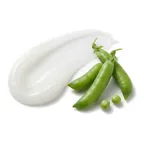 Niacinamide
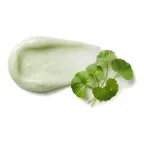 Centella Asiatica Extract
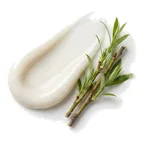 Willow Bark Extract
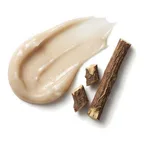 Glycyrrhiza Glabra Root Extract Licorice Root Extract
 Copper Tripeptide-1
High fit for oily skin and dry skin; average for combination skin, sensitive skin, acne-prone skin, skin with dark spots, mature skin, dry sensitive skin, and oily acne-prone skin. Where to buy in Europe: Amazon.de, €12.73.
Each fit is calculated for the concerns frequently associated with that skin type. For scores and recommendations based on your full skin profile, including your 12D face scan results and goals, use the Lovi app.
Updated How the Fit score works
Where it fits best and least
Best fit High
A great choice for oily skin; a few toners fit it even better.
- Offers excellent suitability for your oily skin due to niacinamide and dimethyl sulfone, which help regulate sebum and reduce inflammation, complementing the soothing effects of Centella Asiatica Extract and Willow Bark Extract for acne-prone skin.
Lowest fit Average
Combination Skin, Sensitive Skin, Acne-Prone Skin, Skin with Dark Spots, Mature Skin, Dry Sensitive Skin, Oily Acne-Prone Skin
Works for combination skin; other toners fit it better.
- Offers moderate benefits for your oily shine and combination skin, as niacinamide and willow bark extract help regulate sebum and provide mild exfoliation. Centella Asiatica Extract and Chamomilla Recutita Flower Extract further soothe and calm your skin, reducing redness and irritation.
Buy online

Prices checked 22 Nov 2026
The Lovi Fit is the same in every country; only the stores and prices differ, and the ones here are for Europe.
How to apply
- Could be used as part of your AM or PM routine. Start using your soothing toner 3 times a week and work up to daily use if your skin likes it.
- Apply your soothing toner after cleansing and before your moisturizer or SPF.
- Gently press 2-3 drops of the soothing toner into your skin with your hands. Let it absorb for a minute before moving on ⏱ to the next step.
- For the best results , apply your soothing toner to slightly damp skin to help it sink in better.
People Say
★4.6Overall rating based on 200+ reviewsUsers with oily, acne-prone, and sensitive skin praise this toner for its lightweight, water-like consistency that absorbs instantly without leaving a sticky residue. While many report it effectively calms redness and flattens active breakouts without irritation, some users with drier skin types find it lacks sufficient hydration and requires layering with a moisturizer.
Highlights
Lightweight Texture Mostly Mentioned
- “Watery consistency”
- “absorbs quickly”
- “non-sticky”
- “refreshing”
Soothing & Calming Often Mentioned
- “Reduces redness”
- “calms inflammation”
- “less irritated pimples”
Acne Control Sometimes Noted
- “Flattens pimples”
- “prevents new breakouts”
- “helps fungal acne”
Gentle Exfoliation Sometimes Noted
- “Smooths texture”
- “clears pores”
- “gentle BHA (Willow Bark)”
Low hydration Sometimes Noted
- “Not moisturizing enough”
- “drying for dry skin”
- “needs layering”
Breakouts Rarely Noted
- “Caused whiteheads”
- “purging”
- “minor irritation”
Minimal results Rarely Noted
- “No visible change”
- “"did nothing"”
- “slow to show effects”
Scent Rarely Noted
- “Plastic-like smell”
- “medicinal scent”
- “unpleasant but subtle”
Sources: lovi.care, iherb.com, skinsort.com, reddit.com, yesstyle.com, and more
Questions and answers
What makes Pyunkang Yul Acne Toner a great fit for oily skin?
Pyunkang Yul Acne Toner is a great fit for oily skin because niacinamide and willow bark extract help control shine and gently exfoliate, while centella asiatica extract and licorice root extract soothe irritation and reduce redness. It has a high safety profile with no harsh ingredients, making it very unlikely to cause irritation.
Journal of Cosmetic Dermatology, 2024Indian Journal of Pharmaceutical Sciences, 2016
How well does Pyunkang Yul Acne Toner work for combination skin?
Pyunkang Yul Acne Toner works decently for combination skin, offering moderate benefits for oily shine while calming redness with ingredients like niacinamide and willow bark extract. However, a product of this type needs a well-rounded blend of soothing and hydrating ingredients that manage oiliness without causing excess dryness, along with an optimal texture and pH.
Journal of Cosmetic Dermatology, 2019Journal of Cosmetic Dermatology, 2024
How well does Pyunkang Yul Acne work for sensitive skin?
Pyunkang Yul Acne Toner is an average fit for sensitive skin, offering moderate calming and soothing benefits through ingredients like niacinamide and centella asiatica extract. While it is generally safe and unlikely to cause irritation, a product of this type needs highly suitable soothing ingredients, alcohol-free formulations, and nourishing components to best maintain skin health and balance without any risk of irritation.
Indian Journal of Pharmaceutical Sciences, 2016Molecules, 2023
How often should I use it?
You can use this toner as part of your daily routine to help control oily shine and calm your skin. Niacinamide and willow bark extract help reduce excess oil, while soothing plant extracts keep irritation unlikely.
International Journal of Cosmetic Science, 2020Journal of Cosmetic Dermatology, 2024
Is this toner fragrance-free and alcohol-free?
Yes, it has no fragrance and no drying alcohol.
What makes Pyunkang Yul Acne Toner a great fit for dry skin?
Pyunkang Yul Acne Toner is a great fit for dry skin because it combines Centella Asiatica extract and glycerin to provide supportive hydration while calming irritation. The formula is also safe and comforting for dry skin as it lacks harsh components.
Indian Journal of Pharmaceutical Sciences, 2016Clinical, Cosmetic and Investigational Dermatology, 2017
How well does Pyunkang Yul Acne Toner work for acne-prone skin?
This toner works moderately well for acne-prone skin by offering gentle soothing and hydration while helping to control oil and calm redness. However, it lacks stronger targeted ingredients like salicylic acid to directly clear up breakouts. A toner of this type needs ingredients like Calendula and Allantoin, along with soothing plant extracts, to effectively manage breakouts without causing irritation.
Journal of Cosmetic Dermatology, 2024Indian Journal of Pharmaceutical Sciences, 2016
How well does Pyunkang Yul Acne Toner work for skin with dark spots?
Pyunkang Yul Acne Toner works moderately well for skin with dark spots, as niacinamide and willow bark extract help address hyperpigmentation and encourage skin renewal. A soothing toner for this skin needs stronger brightening ingredients and deeply hydrating extracts to fade dark spots more effectively.
How well does Pyunkang Yul Acne Toner work for mature skin?
Pyunkang Yul Acne Toner works decently for mature skin, though other products fit this skin type better. To perform at its best, a product of this type needs richer hydrating ingredients and deep-acting smoothing agents to keep mature skin plump and soft.
Journal of Cosmetic Dermatology, 2010Scientific Reports, 2024
How well does Pyunkang Yul Acne Toner work for dry sensitive skin?
This toner works moderately well for your dry sensitive skin because it helps calm irritation, but it lacks sufficient softening ingredients to fully lock in moisture. To truly fit dry sensitive skin, a product of this type needs rich smoothing and moisture-locking ingredients to keep the skin comfortable.
Indian Journal of Pharmaceutical Sciences, 2016Clinical, Cosmetic and Investigational Dermatology, 2017
How well does Pyunkang Yul Acne Toner work for oily acne-prone skin?
Pyunkang Yul Acne Toner works moderately well for oily skin by helping control oil and calm redness, though it is not specialized for active breakouts. To truly fit oily and acne-prone skin, a product of this type needs targeted ingredients like zinc or salicylic acid to actively fight blemishes, balanced by lightweight hydrators that keep the skin clear and comfortable without adding heaviness.
Journal of Cosmetic Dermatology, 2024Indian Journal of Pharmaceutical Sciences, 2016
What the research says
Cosmetic formulations containing 5% Centella asiatica extract showed the best efficacy in improving skin moisture and decreasing transepidermal water loss, while also exhibiting antiinflammatory properties in 25 volunteers compared to baseline measurements.
Indian Journal of Pharmaceutical Sciences, 2016A botanical face cleanser with hops and willow bark extract continuously reduced skin sebum levels without reactive seborrhea after treatment in 21 healthy volunteers compared to a sodium laureth sulfate cleanser, with neither cleanser causing skin irritation.
Journal of Cosmetic Dermatology, 2019Topical nicotinamide prevented solar-simulated UV-induced immunosuppression in healthy volunteers, and men experienced immunosuppression at solar-simulated UV doses three times lower than those required for women.
The Journal of Investigative Dermatology, 2008Topical 5% niacinamide applied twice daily for 12 weeks reduced fine lines and wrinkles, hyperpigmented spots, red blotchiness, and skin sallowness, and improved skin elasticity compared to vehicle control in 50 female white subjects with facial photoaging.
Dermatologic Surgery, 2005Topical 2% niacinamide significantly decreased sebum excretion rate in Japanese individuals and casual sebum levels in Caucasian individuals compared to placebo or baseline.
Journal of Cosmetic and Laser Therapy, 2006A single application of a moisturizing fluid containing hyaluronic acid 1%, glycerin 5%, and Centella asiatica stem cells extract significantly increased skin hydration by 29% and reduced transepidermal water loss at 24 hours compared to baseline and an untreated control site in twenty healthy women.
Clinical, Cosmetic and Investigational Dermatology, 2017Topical treatment with 5% vitamin C and 0.1% madecassoside significantly improved clinical scores for wrinkles, suppleness, firmness, roughness, and skin hydration, along with functional and structural remodeling of the elastic fiber network in 20 female volunteers with photoaged skin after 6 months compared to baseline.
Experimental Dermatology, 2008Treatment with an asiaticoside-containing cream applied twice daily for 12 weeks significantly improved periorbital wrinkles in 65% of 27 female volunteers compared to a vehicle control cream.
International Journal of Cosmetic Science, 2008Bioactive lipid nanocarriers co-loaded with willow bark or ivy leaf extracts and UV-filters provided pronounced UVA photoprotection up to an SPF-equivalent value of 13 and a maximum in vivo skin hydration effect of 97% when prepared with pomegranate oil.
Nanomaterials, 2022A topical serum containing 0.5% salicin applied twice daily reduced visible signs of skin aging, including wrinkles and tactile roughness, in 30 female subjects over 12 weeks compared to baseline.
Journal of Cosmetic Dermatology, 2010Combining 755 nm alexandrite laser with topical licorice gel significantly reduces terminal hair counts compared to alexandrite laser with placebo in women with idiopathic hirsutism.
Evidence-based Complementary and Alternative Medicine, 2015Licochalcone A activated Nrf2 signaling, elevated cytoprotective enzymes, increased the reduced-to-oxidized glutathione ratio, and decreased reactive oxygen species in human fibroblasts and neutrophils, while a LicA-rich licorice extract lowered UVA-induced oxidative processes in vivo.
Experimental Dermatology, 2015Mesoporous silica nanoparticles entrapping licorice polysaccharide and coated with polydopamine showed 76% entrapment efficiency, 89% in vitro release at pH 5, increased sebocytes' cellular uptake, and mediated inflammatory response by inhibiting pro-inflammatory cytokines and regulating anti-inflammatory cytokines.
Carbohydrate Polymers, 2024The combination of Thermus thermophilus and Bacillus subtilis mixed-culture ferment extract and copper tripeptide-1 GHK-Cu reduced inflammatory cytokines, protected skin explants from UV-induced damage, and improved wrinkles and skin barrier conditions compared to individual components or controls.
Skin Research and Technology, 2026Co-delivery of paeonol and madecassoside via nanoemulsions improved transdermal delivery, promoted barrier repair proteins, inhibited inflammatory cytokine secretion in cellular and 3D models, and reduced transepidermal water loss and acne in human facial skin compared to free components.
Molecules, 2023A novel emulsion containing niacinamide, lens esculenta seed extract, and white willow bark extract effectively improved acne, blackheads, and conspicuous facial pores in 30 subjects with oily skin.
Journal of Cosmetic Dermatology, 2024Topical treatment with 2% Salix alba bark extract cream improved dark circles, skin microcirculation, and elasticity in 29 subjects over 8 weeks.
International Journal of Cosmetic Science, 2023Pre-treatment with 50% ethanolic extract of Centella asiatica callus culture attenuated H2O2-induced cytotoxicity by upregulating cellular antioxidant enzymes and inhibited matrix metalloprotease-9 induction in human dermal fibroblasts.
Scientific Reports, 2021A combination serum containing galactomyces ferment filtrate, dexpanthenol, and Centella asiatica effectively treated post-acne hyperpigmentation in subjects with colored skin by significantly increasing lightness scores in Fitzpatrick skin type V and reducing the melanin index in Fitzpatrick skin type IV compared to placebo.
Skinmed, 2021Topical application of glycyrrhizic acid inhibited TPA-mediated expressions of iNOS and COX-2, down-regulated IκBα and p65 expressions, and blocked MAPK and PI3K/Akt-dependent NF-κB signaling pathways in a mouse ear model of skin inflammation.
MedChemComm, 2018Niacinamide significantly decreased hyperpigmentation and increased skin lightness compared with vehicle alone after 4 weeks of use in women by inhibiting melanosome transfer.
The British Journal of Dermatology, 2002Topical treatment of nicotinamide, alone or in combination with other active ingredients, reduces the progression of skin aging and hyperpigmentation in clinical trials while being well tolerated.
Antioxidants, 2021Treatment with a combination of niacinamide and hyaluronic acid improved skin aging signs and demonstrated a senomorphic effect by decreasing SASP and autocrine signaling genes in women.
Scientific Reports, 2024
Ingredients
Water, Butylene Glycol, Dimethyl Sulfone, Pyridoxine Hcl, Willow Bark Extract, Niacinamide, Forsythia Suspensa Fruit Extract, Centella Asiatica Extract, Polygonum Cuspidatum Root Extract, Scutellaria Baicalensis Root Extract, Camellia Sinensis Leaf Extract, Glycyrrhiza Glabra Root Extract Licorice Root Extract, Chamomilla Recutita Flower Extract Matricaria Flower Extract, Rosmarinus Officinalis Leaf Extract Rosemary Leaf Extract, Copper Tripeptide-1, Glycerin, Hydroxyacetophenone, Myrtus Communis Extract, Tropaeolum Majus Extract, Ethylhexylglycerin, Disodium Edta
Behind these fit scores
Lovi calculates every fit score from the full ingredient list with brand-independent rules our dermatologists and cosmetic chemists build and review, and personalizes every pick with AI trained on the real results of millions of users. Lovi trains its fit score models on a proprietary dataset built from more than 10,000 expert-labeled products and more than 100,000 simulated examples, following an internally consistent methodology presented at Cosmoprof, AMWC, and Skin of Color Update.
-

Co-founder, Medical Director
Cosmetic chemist, cosmetologist, aesthetic products developer
-

Co-founder, CEO and CTO
PhD in computer science, 3x US patent holder, ex-Google, ex-Yandex
-

Dr. Sofía Perea Pérez, MD, MSc
Medical Board
Aesthetic medicine practitioner, MSc in Longevity and Anti-Aging Medicine
-

Medical Board
Specialist dermatologist, MBBS, MD, IFAAD
-

Medical Board
Cosmetic chemist, SCS, IFSCC member
-

Medical Board, Medical Advisor
Dermatology MD
-

Elina Nazarenko, MD
Medical Board
Dermatology and diagnostic consultant
-

Victoria Derkova, MS
Medical Board
Cosmetic chemist, cosmetic development technologist


How does it fit your skin?
Scan your face, then any product: Lovi shows how well it fits you and what fits even better.