
Peach & Lily Retinal For All Renewing Serum for dry sensitive skin

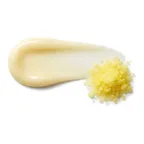 Retinal
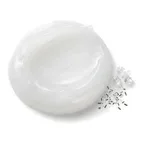 Ectoin
 Sodium Hyaluronate
 Ceramide Np
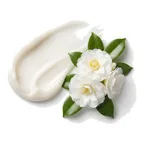 Camellia Japonica Flower Extract
Average
- AverageDry Skin Fit
- AverageEffectiveness
- HighSafety
Works for dry sensitive skin; other serums fit it better.
This fit is calculated for the concerns frequently associated with dry sensitive skin: flakiness, tightness, redness, fine lines, and wrinkles. For scores and recommendations based on your full skin profile, including your 12D face scan results and any goals or preferences you have, please use the Lovi app.
Updated How the Fit score works
Lovi Assistant explains
- Offers moderate exfoliation and hydration for your dry and sensitive skin, with retinal promoting cell turnover and humectants like glycerin and sodium hyaluronate providing some moisture replenishment.
- The inclusion of emollients such as caprylic capric triglyceride and rubus chamaemorus seed oil offers lipid replenishment, though it may not be sufficient for very dry or flaky skin.
- The product is safe for your skin due to the absence of harsh ingredients and the presence of soothing agents like Bisabolol and Ectoin.
How to apply
- Use this PM routine for your evening skincare. Start using the serum 3 times a week and increase to daily use if your skin feels comfortable.
- Apply the serum after cleansing and toner, but right before your moisturizer. This step locks in deep hydration for dry skin.
- Gently press 2-3 drops of the serum into your skin using your palms. Let it absorb completely for a minute ⏱ before applying your next product.
- Since your skin is sensitive, apply the serum on completely dry skin for better tolerance and less irritation.
- Avoid the sensitive eye area during application. Always do a patch test before your first use to ensure your skin reacts well.
People Say
★4.7Overall rating based on 700+ reviewsUsers with sensitive and acne-prone skin consistently praise this serum for delivering powerful anti-aging and texturizing results without the irritation typically associated with retinoids. While the bright yellow formula requires care to avoid staining fabrics, the majority of reviewers find the visible improvements in smoothness, clarity, and brightness to be well worth the investment.
Highlights
Gentle on skin Often Mentioned
- “no irritation experienced”
- “great for sensitive skin”
- “extremely gentle formula”
- “didn't dry me out”
Improves texture Often Mentioned
- “smooths skin texture”
- “softens fine lines”
- “refines pores”
- “skin feels glass-like”
Yellow color stains Often Mentioned
- “fluorescent yellow color”
- “looks like mustard”
- “transfers to pillowcases”
- “stains washcloths”
Absorbs quickly Sometimes Noted
- “absorbs easily”
- “no sticky residue”
- “lightweight consistency”
- “layers well”
Brightens complexion Sometimes Noted
- “fades hyperpigmentation”
- “brightens dull skin”
- “evens skin tone”
- “glowy morning skin”
Reduces acne Sometimes Noted
- “calms active acne”
- “clears congestion”
- “prevents new breakouts”
- “helps with hormonal acne”
High price point Sometimes Noted
- “pricier than alternatives”
- “wait for a sale”
- “small bottle for price”
Pump/Packaging issues Rarely Noted
- “pump gets clogged”
- “dispenses too much”
- “hard to get last bit”
- “messy nozzle”
Purging or breakouts Rarely Noted
- “caused cystic acne”
- “bad purging phase”
- “broke me out”
- “tiny bumps appeared”
Scent complaints Rarely Noted
- “faint chemical smell”
- “weird earthy scent”
- “smells like plastic”
- “not pleasant”
Sources: lovi.care, peachandlily.com, ulta.com, youtube.com, whatsinmyjar.com, beautytidbits.com, and more
Questions and answers
How well does Peach & Lily Retinal For All Renewing Serum work for dry sensitive skin?
This serum works moderately well for dry sensitive skin by offering gentle cell turnover alongside soothing and hydrating ingredients. However, because it may not provide enough moisture for very dry or flaky skin, a product for this skin type needs extra rich moisturizing ingredients, nourishing oils, and barrier-supporting ceramides.
Clinical, Cosmetic and Investigational Dermatology, 2017Life, 2023
Which ingredients make this serum a good fit for dry sensitive skin?
Retinal, glycerin, sodium hyaluronate, caprylic capric triglyceride, rubus chamaemorus seed oil, bisabolol, and ectoin make this serum work for dry sensitive skin by providing moderate moisture, cell turnover, and soothing benefits. However, a product of this type for this skin needs maximum beneficial ingredients that intensely hydrate and protect, barrier-supporting ceramides, and optimal textures and pH to ensure safety and high suitability without irritation risks.
Clinical, Cosmetic and Investigational Dermatology, 2017Life, 2023
What does Retinal do for dry sensitive skin?
Retinal helps smooth and firm aging skin while generally showing a very good tolerance profile that is unlikely to cause heavy irritation. For dry and sensitive skin, a product of this type needs added soothing ingredients and reliable moisturizers to keep the skin comfortable and hydrated.
The Journal of Investigative Dermatology, 1994Dermatology, 1999
What does Ectoin do for dry sensitive skin?
Ectoine helps calm dry sensitive skin by strengthening the skin barrier to lock in moisture and reduce irritation. It has a high level of safety and tolerability, making it very gentle for easily irritated skin.
Where does this serum go in a skincare routine for dry sensitive skin?
This treatment goes in the evening routine after your toner and before your moisturizer. Putting it in the evening keeps things simple and adds extra safety around sun exposure.
Can I use this serum with vitamin C, and in what order?
Use this product and this treatment apart: in different sessions of the same day or on different days. When your skin is dry, a product of this type needs extra soothing agents and rich hydrators like ceramides and hyaluronic acid to keep the skin calm and comfortable.
How often should I use this serum?
You can use this treatment in the evening as part of your routine. This product of this type needs rich moisturizers and barrier-repairing ingredients like ceramides and soothing agents to keep dry sensitive skin comfortable.
Can this serum clog pores, cause breakouts or purging for dry sensitive skin?
This serum is unlikely to clog pores, but retinal may cause mild skin purging as it speeds up cell turnover. A product for this skin type needs extra soothing agents and deep moisture boosters like ceramides and hyaluronic acid to keep skin calm and hydrated.
Is this serum fragrance-free and alcohol-free?
Yes, it has no fragrance and no drying alcohol. Cetearyl alcohol is a fatty alcohol, which soften the skin.
What the research says
A single application of a moisturizing fluid containing hyaluronic acid 1%, glycerin 5%, and Centella asiatica stem cells extract significantly increased skin hydration by 29% and reduced transepidermal water loss at 24 hours compared to baseline and an untreated control site in twenty healthy women.
Clinical, Cosmetic and Investigational Dermatology, 2017Topical application of an emollient emulsion containing 15.0% caprylic/capric triglyceride doubled the amount of urocanic acid isomers and increased skin hydration with reduced transepidermal water loss in healthy subjects, though it did not prevent ultraviolet-induced urocanic acid isomerization.
Life, 2023Twice daily application of retinaldehyde 0.1% and 0.05% creams for 3 months improved skin texture and hydration and reduced transepidermal water loss in 40 female Korean volunteers, with only the 0.1% cream significantly improving the melanin index.
Journal of Cosmetic Dermatology, 2018Topical 0.05% retinaldehyde applied over 1 year significantly increased epidermal thickness of the temple and cutaneous elasticity compared to an emollient control group in 40 aging skin patients.
Dermatology, 1999Topical 0.05% retinaldehyde cream reduced wrinkle and roughness features similarly to 0.05% retinoic acid cream in patients with photodamaged facial skin, while demonstrating superior local tolerance and better patient compliance.
Journal of the American Academy of Dermatology, 1998Topical application of an ectoine-containing emulsion protects cellular membranes from surfactant-induced damage and strengthens the skin barrier by reducing transepidermal water loss.
Clinics in Dermatology, 2008Combining ectoine and mannitol with UV filters significantly improved protection of squalene oxidation, catalase activity, and trans-UCA compared to UV filters alone in 10 subjects on irradiated areas.
Journal of Cosmetic Dermatology, 2024Regular application of a novel anti-ageing cream containing hyaluronic acid, ectoin, and botanical actives significantly reduced wrinkle depth and length in the periorbital area while demonstrating very good skin tolerance.
Polymers, 2023Topical application of 0.1% hyaluronic acid formulations of different molecular weights led to significant improvements in skin hydration and elasticity, with low-molecular-weight formulations also significantly reducing wrinkle depth in seventy-six female subjects compared to a vehicle control.
Journal of Drugs in Dermatology, 2011Topical hyaluronic acid serum used twice daily by 40 females with facial photoaging produced an immediate 134% increase in skin hydration, a sustained 55% increase at week 6, and significant improvements in smoothness, plumping, fine lines, wrinkles, and global appearance without causing irritation.
Dermatology and Therapy, 2021A topical antioxidant serum significantly reduced air pollution-induced skin pigmentation and proinflammatory gene expression ex vivo, and improved skin aging signs in 40 healthy adult females after 90 days of daily use.
Journal of Cosmetic Dermatology, 2022Ceramide and niacinamide-containing moisturizer combined with anti-acne treatment significantly improved non-inflammatory, inflammatory, and total acne lesions compared to hydrophilic cream in 40 patients with mild to moderate acne vulgaris after 8 weeks.
Journal of Cosmetic Dermatology, 2024Topical application of a pseudo-ceramide-containing spray improved stratum corneum water content, transepidermal water loss, cell area, and scaling score, and normalized the ceramide profile in patients with dry and sensitive skin compared to a control spray.
Journal of Cosmetic Dermatology, 2025
Why other serums fit dry sensitive skin better
Treatment with 14% ferulic acid and 12% l-ascorbic acid significantly reduced pigmentation and erythema while improving hydration and elasticity in 20 women with photoaged skin, with neither acid proving definitively more effective overall though ascorbic acid showed slightly greater skin lightening.
Dermatologic Therapy, 2022
Ingredients
Water, Caprylic Capric Triglyceride, Cetearyl Alcohol, Butylene Glycol, Glycerin, Cyclodextrin, Sorbitan Stearate, Cetyl Ethylhexanoate, Daucus Carota Sativa Root Carrot Root Water Root, Camellia Japonica Flower Extract, Rubus Chamaemorus Seed Oil, Sodium Hyaluronate, Ectoin, Behenic Acid, Eclipta Prostrata Extract, Polyacrylate Crosspolymer-6, Bisabolol, Ceramide Np, Ceramide Ap, Phytosphingosine, Cholesterol, Rhynchosia Nulubilis Seed Extract, Retinal, Lonicera Japonica Flower Extract Honeysuckle Flower Extract, Dextrin, Polygonum Multiflorum Root Extract, Moringa Oleifera Seed Oil, Ceramide Eop, Polyacrylate-13, Hydroxyethyl Acrylate Sodium Acryloyldimethyl Taurate Copolymer, Sesamum Indicum Seed Extract, Melia Azadirachta Leaf Extract, Gardenia Florida Fruit Extract, Lonicera Caprifolium Flower Extract Honeysuckle Flower Extract, Hydrogenated Polyisobutene, Methylpropanediol, Potassium Sorbate, Sodium Cetearyl Sulfate, Polyglyceryl-6 Behenate, Glyceryl Caprylate, Hydroxyacetophenone, Phytosteryl Octyldodecyl Lauroyl Glutamate, Sucrose Cocoate, Polyglyceryl-10 Laurate, Ethylhexyl Palmitate, Sorbitan Isostearate, Polyglyceryl-10 Stearate, Pentylene Glycol, 2 Hexanediol, Triethyl Citrate, Tocopherol, Sodium Levulinate, Glyceryl Stearate, Sorbitan Olivate, Ethylhexylglycerin, Cetearyl Olivate, Propanediol
Behind this fit score
Lovi calculates every fit score from the full ingredient list with brand-independent rules our dermatologists and cosmetic chemists build and review, and personalizes every pick with AI trained on the real results of millions of users. Lovi trains its fit score models on a proprietary dataset built from more than 10,000 expert-labeled products and more than 100,000 simulated examples, following an internally consistent methodology presented at Cosmoprof, AMWC, and Skin of Color Update.
-

Co-founder, Medical Director
Cosmetic chemist, cosmetologist, aesthetic products developer
-

Co-founder, CEO and CTO
PhD in computer science, 3x US patent holder, ex-Google, ex-Yandex
-

Dr. Sofía Perea Pérez, MD, MSc
Medical Board
Aesthetic medicine practitioner, MSc in Longevity and Anti-Aging Medicine
-

Medical Board
Specialist dermatologist, MBBS, MD, IFAAD
-

Medical Board
Cosmetic chemist, SCS, IFSCC member
-

Medical Board, Medical Advisor
Dermatology MD
-

Elina Nazarenko, MD
Medical Board
Dermatology and diagnostic consultant
-

Victoria Derkova, MS
Medical Board
Cosmetic chemist, cosmetic development technologist


How does it fit your skin?
Scan your face, then any product: Lovi shows how well it fits you and what fits even better.