
MEDI THERAPY Retinal Skin Booster for oily acne-prone skin

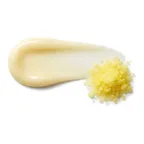 Retinal
 Centella Asiatica
 Niacinamide
Average
- HighOily Skin Fit
- AverageEffectiveness
- ExcellentSafety
Works for oily acne-prone skin; other serums fit it better.
This fit is calculated for the concerns frequently associated with oily acne-prone skin: shine, breakouts, blemishes, and enlarged pores. For scores and recommendations based on your full skin profile, including your 12D face scan results and any goals or preferences you have, please use the Lovi app.
Updated How the Fit score works
Lovi Assistant explains
- Offers moderate treatment for minimizing fine lines and wrinkles for your oily skin, as retinal helps smooth texture and regulate desquamation, while niacinamide aids in seboregulation.
- Provides general skincare benefits like soothing and hydration, supportive for your acne, blemishes, and breakouts, though it lacks targeted ingredients for significant acne improvement.
- The safety profile is excellent, with no risks of irritation due to the absence of harsh ingredients and the presence of soothing components like Centella Asiatica and Niacinamide.
How to apply
- Could be used as part of your PM routine. Start 3 times a week and build up to daily use if your skin tolerates it well.
- Apply your serum after cleansing and toning, but before putting on your moisturizer.
- Gently press 2 to 3 drops of the serum into your skin and let it absorb for a minute.
- Apply the serum on clean, dry skin to help manage your blemishes safely.
- Do a patch test before your first use and avoid the delicate eye area.
People Say
★4.7Overall rating based on 1.3k+ reviewsBased on a very large amount of data, users with sensitive, acne-prone, and aging skin report this product is gentle and effective, improving skin texture and hydration without irritation. Many users notice a radiant glow, reduced pore visibility, and smoother skin. Some users with very dry skin mention needing additional moisturization.
Highlights
Gentle & non-irritating Mostly Mentioned
- “Gentle enough for daily use”
- “No burning or redness”
- “Great for sensitive skin”
- “Zero irritation even on first use”
Hydrating & lightweight Often Mentioned
- “Hydration without dryness”
- “Absorbs beautifully”
- “Not greasy or heavy”
- “Skin feels plump”
Improves texture & pores Often Mentioned
- “Skin feels baby soft”
- “Pores look noticeably smaller”
- “Texture became incredibly smooth”
- “Refined and put-together”
Fades acne & marks Sometimes Noted
- “Fades acne scars”
- “Reduces breakouts”
- “Helps with discoloration”
- “Calms troubled skin”
Great value Sometimes Noted
- “Generous amount for price”
- “Lasts over two months”
- “Absolute steal”
- “Can use on body too”
Dry skin needs more Rarely Noted
- “Need to layer moisturizer”
- “Not enough for winter”
- “Hydration doesn't last long”
- “Dry skin needs more”
Mild stinging Rarely Noted
- “Stings on open wounds”
- “Burned slightly around eyes”
- “Tingle on application”
- “Sensitive areas reacted”
No visible change Rarely Noted
- “No visible change”
- “Didn't see brightening”
- “Don't notice anything different”
- “Just okay”
Packaging quality Rarely Noted
- “Label riddled with bubbles”
- “Messy label application”
- “Hard to see product level”
- “Pump dispenses too much”
Sticky finish Rarely Noted
- “A little sticky”
- “Feels tacky after application”
- “Hair sticks to face”
- “Sticky residue”
Sources: lovi.care, gogumacider.com, oliveyoung.com, gopicky.com, skinsort.com, amazon.com, and more
Questions and answers
How well does MEDI THERAPY Retinal Skin Booster work for oily acne-prone skin?
MEDI THERAPY Retinal Skin Booster works moderately well for oily acne-prone skin, smoothing texture and helping with breakouts, though other products fit it better. Treatments of this type work best for this skin when they include targeted ingredients like benzoyl peroxide or strong oil-controlling components alongside soothing extracts to manage excess oil and clear acne without irritation.
Which ingredients make this serum a good fit for oily acne-prone skin?
Retinal, Centella Asiatica, and niacinamide make this serum a fit by smoothing texture, soothing breakouts, and regulating oil without irritation. An oily acne-prone treatment needs ingredients like benzoyl peroxide, niacinamide, and propolis to actively manage breakouts and control excess oil while keeping skin calm.
Scientific Reports, 2024Indian Journal of Pharmaceutical Sciences, 2016
What does Retinal do for oily acne-prone skin?
Retinal helps clear oily acne-prone skin by reducing pimples, breakouts, and oil secretion while keeping skin calm. It provides reliable anti-acne benefits with a very safe and well-tolerated profile for daily use.
Journal of Cosmetic Dermatology, 2021American Journal of Clinical Dermatology, 2019
What does Centella Asiatica do for oily acne-prone skin?
Centella Asiatica helps calm red, irritated spots and keeps oily, acne-prone skin clear by reducing swelling and fighting blemish-causing bacteria. It also helps lock in moisture without feeling heavy, while supporting skin healing to fade marks left by breakouts.
Where does it go in a skincare routine for oily acne-prone skin?
Apply this treatment in the evening, using it as a step after cleansing and toning and before moisturizing. This product is unlikely to cause irritation because it leaves out harsh ingredients and includes calming components like Centella Asiatica and Niacinamide.
Can I use this serum with vitamin C, and in what order?
Use vitamin C and this treatment apart: in different sessions of the same day or on different days. Because this product offers only a moderate fit for your skin, an ideal alternative for acne would include targeted ingredients like salicylic acid or benzoyl peroxide alongside your retinoid to better manage breakouts.
How often should I use it?
You can use this treatment in your evening routine, applying it once a day or a few times a week. Oily acne-prone skin typically benefits most from a product of this type when it includes stronger acne-fighting ingredients like salicylic acid or benzoyl peroxide.
Can it clog pores, cause breakouts or purging for oily acne-prone skin?
This treatment is unlikely to clog pores or cause irritation on oily acne-prone skin, as it avoids harsh ingredients and features soothing components like Centella Asiatica and Niacinamide. However, since it lacks targeted ingredients for significant acne improvement, oily acne-prone skin still needs products with strong blemish-fighting and oil-controlling ingredients for the best results.
Molecules, 2023Indian Journal of Pharmaceutical Sciences, 2016
What the research says
Treatment with a combination of niacinamide and hyaluronic acid improved skin aging signs and demonstrated a senomorphic effect by decreasing SASP and autocrine signaling genes in women.
Scientific Reports, 2024Co-delivery of paeonol and madecassoside via nanoemulsions improved transdermal delivery, promoted barrier repair proteins, inhibited inflammatory cytokine secretion in cellular and 3D models, and reduced transepidermal water loss and acne in human facial skin compared to free components.
Molecules, 2023Cosmetic formulations containing 5% Centella asiatica extract showed the best efficacy in improving skin moisture and decreasing transepidermal water loss, while also exhibiting antiinflammatory properties in 25 volunteers compared to baseline measurements.
Indian Journal of Pharmaceutical Sciences, 2016Pre-treatment with 50% ethanolic extract of Centella asiatica callus culture attenuated H2O2-induced cytotoxicity by upregulating cellular antioxidant enzymes and inhibited matrix metalloprotease-9 induction in human dermal fibroblasts.
Scientific Reports, 2021Twice daily application of retinaldehyde 0.1% and 0.05% creams for 3 months improved skin texture and hydration and reduced transepidermal water loss in 40 female Korean volunteers, with only the 0.1% cream significantly improving the melanin index.
Journal of Cosmetic Dermatology, 2018Topical 0.05% retinaldehyde applied over 1 year significantly increased epidermal thickness of the temple and cutaneous elasticity compared to an emollient control group in 40 aging skin patients.
Dermatology, 1999Topical 0.05% retinaldehyde cream reduced wrinkle and roughness features similarly to 0.05% retinoic acid cream in patients with photodamaged facial skin, while demonstrating superior local tolerance and better patient compliance.
Journal of the American Academy of Dermatology, 1998A single application of a moisturizing fluid containing hyaluronic acid 1%, glycerin 5%, and Centella asiatica stem cells extract significantly increased skin hydration by 29% and reduced transepidermal water loss at 24 hours compared to baseline and an untreated control site in twenty healthy women.
Clinical, Cosmetic and Investigational Dermatology, 2017Topical treatment with 5% vitamin C and 0.1% madecassoside significantly improved clinical scores for wrinkles, suppleness, firmness, roughness, and skin hydration, along with functional and structural remodeling of the elastic fiber network in 20 female volunteers with photoaged skin after 6 months compared to baseline.
Experimental Dermatology, 2008Treatment with an asiaticoside-containing cream applied twice daily for 12 weeks significantly improved periorbital wrinkles in 65% of 27 female volunteers compared to a vehicle control cream.
International Journal of Cosmetic Science, 2008Topical nicotinamide prevented solar-simulated UV-induced immunosuppression in healthy volunteers, and men experienced immunosuppression at solar-simulated UV doses three times lower than those required for women.
The Journal of Investigative Dermatology, 2008Topical 5% niacinamide applied twice daily for 12 weeks reduced fine lines and wrinkles, hyperpigmented spots, red blotchiness, and skin sallowness, and improved skin elasticity compared to vehicle control in 50 female white subjects with facial photoaging.
Dermatologic Surgery, 2005Topical 2% niacinamide significantly decreased sebum excretion rate in Japanese individuals and casual sebum levels in Caucasian individuals compared to placebo or baseline.
Journal of Cosmetic and Laser Therapy, 2006
Ingredients
Behind this fit score
Lovi calculates every fit score from the full ingredient list with brand-independent rules our dermatologists and cosmetic chemists build and review, and personalizes every pick with AI trained on the real results of millions of users. Lovi trains its fit score models on a proprietary dataset built from more than 10,000 expert-labeled products and more than 100,000 simulated examples, following an internally consistent methodology presented at Cosmoprof, AMWC, and Skin of Color Update.
-

Co-founder, Medical Director
Cosmetic chemist, cosmetologist, aesthetic products developer
-

Co-founder, CEO and CTO
PhD in computer science, 3x US patent holder, ex-Google, ex-Yandex
-

Dr. Sofía Perea Pérez, MD, MSc
Medical Board
Aesthetic medicine practitioner, MSc in Longevity and Anti-Aging Medicine
-

Medical Board
Specialist dermatologist, MBBS, MD, IFAAD
-

Medical Board
Cosmetic chemist, SCS, IFSCC member
-

Medical Board, Medical Advisor
Dermatology MD
-

Elina Nazarenko, MD
Medical Board
Dermatology and diagnostic consultant
-

Victoria Derkova, MS
Medical Board
Cosmetic chemist, cosmetic development technologist


How does it fit your skin?
Scan your face, then any product: Lovi shows how well it fits you and what fits even better.