
I'm From Honey Mask for acne-prone skin

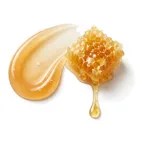 Honey
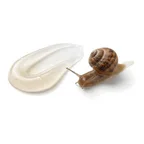 Snail Secretion Filtrate
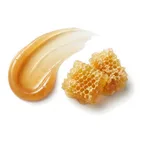 Propolis Extract
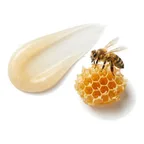 Bee Venom
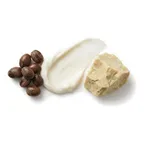 Butyrospermum Parkii Butter Shea Butter
Average
- AverageCombination Skin Fit
- AverageEffectiveness
- HighSafety
Works for acne-prone skin; other nourishing masks fit it better.
This fit is calculated for the concerns frequently associated with acne-prone skin: breakouts, blackheads, and post-acne marks. For scores and recommendations based on your full skin profile, including your 12D face scan results and any goals or preferences you have, please use the Lovi app.
Updated How the Fit score works
Lovi Assistant explains
- Offers moderate suitability for your combination skin as honey and glycerin provide essential hydration and support barrier resilience, which is beneficial for your acne and blemishes. The formula lacks sufficient ingredients for optimal oil control, a key concern for combination skin.
- The presence of shea butter and macadamia seed oil offers excellent nourishing and moisturizing benefits, enhancing overall skin hydration.
- The product is safe for your combination skin, with no risks of irritation due to the absence of prohibited or harsh ingredients.
Buy online

Prices checked 20 Nov 2026
The Lovi Fit is the same in every country; only the stores and prices differ, and the ones here are for Europe.
How to apply
- You can use this creamy mask as part of your PM routine once a week. Start 3×/week if your skin tolerates it well.
- Apply the creamy mask after cleansing and toning, but always before your moisturizer .
- Smooth an even layer of the creamy mask over your face while avoiding any harsh rubbing. Let it sit ⏱ for the recommended time before rinsing.
- Apply the creamy mask on clean and dry skin for the best results against blemishes.
- Avoid the sensitive eye area and do a patch test before your very first use.
People Say
★4.7Overall rating based on 600+ reviewsUsers with dry, dehydrated, and acne-prone skin frequently report this mask deeply nourishes and calms irritation, leaving a post-wash glow. Its rich texture is often praised for restoring moisture barriers and softening skin, though some users dislike the sticky residue or strong scent.
Highlights
Deep hydration Often Mentioned
- “skin feels so smooth and plump”
- “intense hydration for dry skin”
- “rescues me from retinol dryness”
- “leaves skin velvety soft”
Calms redness Sometimes Noted
- “calms down my irritation”
- “reduced redness in acne scars”
- “soothing for sensitive skin”
- “helped repair my skin barrier”
Luxurious experience Sometimes Noted
- “feels like a spa treatment”
- “rich, velvety texture”
- “glides smoothly onto skin”
- “indulgent treat for the face”
Natural honey scent Sometimes Noted
- “smells amazing like real honey”
- “divine caramel honey scent”
- “relaxing natural fragrance”
- “smells delicious enough to eat”
High price point Sometimes Noted
- “steep price tag”
- “pricey for a wash-off mask”
- “expensive but worth it”
- “wait for a sale to buy”
Polarizing scent Rarely Noted
- “smell was too overpowering”
- “sickly sweet scent”
- “smelled like old applesauce”
- “scent lingered too long”
Product separation Rarely Noted
- “separated into oil and honey”
- “needs mixing before use”
- “liquid layer on top”
- “hardens or crystallizes in cold”
Sticky texture Rarely Noted
- “hair gets stuck in it”
- “leaves a slight residue”
- “too heavy for oily skin”
- “feels sticky before washing off”
Sources: lovi.care, iherb.com, influenster.com, superdrug.com, korean-skincare.com, cupidrop.com, and more
Questions and answers
How well does the I'm From Honey Mask work for acne-prone skin?
The I'm From Honey Mask works moderately well for acne-prone skin because honey and glycerin keep it soft while supporting the moisture barrier. This type of mask needs ingredients like niacinamide and ceramides to help control oil, along with calming agents.
Which ingredients make this mask a good fit for acne-prone skin?
This mask works for acne-prone skin because honey, glycerin, and propolis provide essential hydration and support a healthy skin barrier. To be a better fit for this skin type, a product of this type needs ingredients that offer oil control along with calming and hydrating ingredients like niacinamide and ceramides.
What does honey do for acne-prone skin?
Honey helps calm acne-prone skin and fights blemish-causing bacteria, though some studies show it may not always improve breakouts on its own. For oily and breakout-prone skin, this type of product needs soothing and antibacterial ingredients like propolis or low-dose salicylic acid to truly help clear the skin.
Where does this mask go in a skincare routine for acne-prone skin?
This nourishing mask fits into your weekly routine step right after cleansing and enzyme powder, and before your hydrating toner. Because this type of product has an average fit for acne-prone skin, it works best when it is paired with ingredients that help control excess oil.
Can I use this mask with niacinamide, and in what order?
You can use this mask along with niacinamide by applying your niacinamide treatment first, letting it absorb, and then using the mask to nourish your skin. This product works for your skin, though an average fit means it needs ingredients that help control oil and balance shine.
How often should I use this mask?
You can use this nourishing mask once a week as part of your weekly routine for acne-prone skin. Because acne-prone skin needs strong oil control alongside moisture, this type of mask works best when combined with lightweight, oil-balancing ingredients.
Can this mask clog pores, cause breakouts or purging for acne-prone skin?
This mask is unlikely to cause irritation for acne-prone skin, but it works only moderately well since it lacks ingredients for oil control. This skin needs balancing and clarifying ingredients like salicylic acid or niacinamide to help keep pores clear and manage oil.
Is this mask fragrance-free and alcohol-free?
Yes, it has no fragrance and no drying alcohol.
What the research says
A single application of a moisturizing fluid containing hyaluronic acid 1%, glycerin 5%, and Centella asiatica stem cells extract significantly increased skin hydration by 29% and reduced transepidermal water loss at 24 hours compared to baseline and an untreated control site in twenty healthy women.
Clinical, Cosmetic and Investigational Dermatology, 2017Topical application of a honey, olive oil, and beeswax mixture three times daily for up to 4 weeks resulted in clinical responses in 86% of patients with pityriasis versicolor, 78% with tinea cruris, and 75% with tinea corporis.
Complementary Therapies in Medicine, 2004Romanian honey varieties rich in phenolics exhibited anti- and pro-inflammatory effects, dose-dependent pro-proliferative effects, stimulated collagen synthesis, and enhanced cell migration in macrophage-like, fibroblast, and keratinocyte cell lines.
Life, 2024Topical application of Melipona marginata honey extract (1.0 mg/ear) reduced 12-O-tetradecanoylphorbol-13-acetate-induced ear edema by 54%, myeloperoxidase activity by 75%, and reactive oxygen species production by 55% in mice compared to the induced model.
Journal of Medicinal Food, 2014A facial serum containing snail secretion filtrate, Calendula officinalis, and Glycyrrhiza glabra root extract significantly reduced inflammatory acne lesions compared to placebo in 66 participants with mild-to-moderate maskne over 12 weeks.
Journal of Cosmetic Dermatology, 2022HelixComplex snail mucus protected human keratinocytes and reconstructed human epidermis models from ozone-induced oxidative damage and pro-inflammatory response following exposure to 0.5 ppm ozone for 2 hours.
PloS One, 2020A formulation combining snail mucus and edible flower waste extract provided cytoprotective effects and reduced reactive oxygen species, lipid peroxidation, and glutathione content in keratinocytes exposed to UVB radiation.
International Journal of Molecular Sciences, 2023A cream combining propolis, tea tree oil, and Aloe vera reduced erythema scars, acne severity index, and total lesion count better than erythromycin cream in sixty patients with mild to moderate acne vulgaris compared to placebo.
Clinical Pharmacology, 2018Topically administered Romanian propolis extract attenuated malondialdehyde formation, restored glutathione peroxidase activity, decreased interleukin-6 levels, and reduced sunburn cell formation, apoptosis, epidermal hyperplasia, dermal inflammation, and cyclobutane pyrimidine dimers in mice exposed to UVB irradiation.
Food and Chemical Toxicology, 2013Topical application of Sydney propolis protected against UV-radiation-induced inflammation, lipid peroxidation, and immune suppression in hairless mouse skin in a dose-dependent manner.
International Archives of Allergy and Immunology, 2010Cosmetics containing purified bee venom reduced lesion counts and skin microorganism concentration compared with cosmetics without PBV in subjects with acne vulgaris.
Journal of Integrative Medicine, 2013Purified bee venom serum treatment for 6 weeks significantly improved the average visual acne grade by 52.3% in 30 subjects with mild-to-moderate acne vulgaris compared to baseline, with no serious side effects.
Journal of Cosmetic Dermatology, 2016Bee venom, Ficus carica, and Geranium essential oil exhibit common anti-inflammatory, antibacterial, and antioxidant pharmacological actions, offering potential therapeutic and safe topical applications for combating various skin conditions and for skin care.
Life, 2024A skin barrier restoring cream with shea butter, silkflo, and vitamin E increased type I procollagen synthesis, enhanced antioxidant enzyme activity, decreased reactive oxygen species generation, and promoted hyaluronic acid production in H2O2-stimulated human keratinocyte cells compared to untreated cells.
International Journal of Cosmetic Science, 2025
Why other nourishing masks fit acne-prone skin better
A panthenol-enriched mask improved skin hydration, regulated sebum, and reduced redness and TEWL across dry sensitive, oily sensitive, and oily acne skin subgroups with excellent tolerance and no adverse reactions.
Journal of Cosmetic Dermatology, 2024
Ingredients
Honey, Caprylic Capric Triglyceride, Peg-7 Glyceryl Cocoate, Disteardimonium Hectorite, Macadamia Ternifolia Seed Oil, Helianthus Annuus Seed Oil Sunflower Seed Oil, Pentylene Glycol, Microcrystalline Wax, Polysorbate 20, Butyrospermum Parkii Butter Shea Butter, Beeswax, Tocopheryl Acetate, Argania Spinosa Kernel Extract, Corylus Avellana Seed Oil, Jojoba Seed Oil, Snail Secretion Filtrate, Water, Bambusa Vulgaris Water, Nelumbo Nucifera Flower Water, Aloe Barbadensis Leaf Water, Propolis Extract, Beta-Glucan, Bee Venom, Grapefruit Fruit Extract, Sophora Angustifolia Root Extract, Clove Flower Extract, Eucalyptus Globulus Leaf Extract, Punica Granatum Fruit Extract, Bambusa Vulgaris Extract, Butylene Glycol, Glycerin
Behind this fit score
Lovi calculates every fit score from the full ingredient list with brand-independent rules our dermatologists and cosmetic chemists build and review, and personalizes every pick with AI trained on the real results of millions of users. Lovi trains its fit score models on a proprietary dataset built from more than 10,000 expert-labeled products and more than 100,000 simulated examples, following an internally consistent methodology presented at Cosmoprof, AMWC, and Skin of Color Update.
-

Co-founder, Medical Director
Cosmetic chemist, cosmetologist, aesthetic products developer
-

Co-founder, CEO and CTO
PhD in computer science, 3x US patent holder, ex-Google, ex-Yandex
-

Dr. Sofía Perea Pérez, MD, MSc
Medical Board
Aesthetic medicine practitioner, MSc in Longevity and Anti-Aging Medicine
-

Medical Board
Specialist dermatologist, MBBS, MD, IFAAD
-

Medical Board
Cosmetic chemist, SCS, IFSCC member
-

Medical Board, Medical Advisor
Dermatology MD
-

Elina Nazarenko, MD
Medical Board
Dermatology and diagnostic consultant
-

Victoria Derkova, MS
Medical Board
Cosmetic chemist, cosmetic development technologist


How does it fit your skin?
Scan your face, then any product: Lovi shows how well it fits you and what fits even better.