
Dr. Bronner's Pure-Castile Liquid Soap (Baby Unscented) for acne-prone skin

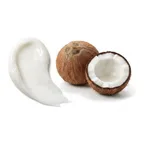 Coconut Oil
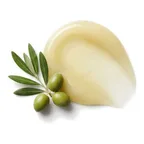 Olive Oil
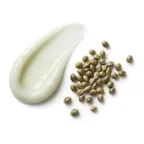 Cannabis Sativa Oil
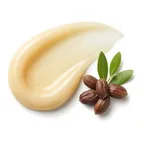 Jojoba Oil
 Citric Acid
Average
- AverageCombination Skin Fit
- HighEffectiveness
- ConcerningSafety
Works for acne-prone skin; other products fit it better.
This fit is calculated for the concerns frequently associated with acne-prone skin: breakouts, blackheads, and post-acne marks. For scores and recommendations based on your full skin profile, including your 12D face scan results and any goals or preferences you have, please use the Lovi app.
Updated How the Fit score works
Lovi Assistant explains
- Offers moderate suitability for your combination skin, as coconut oil and olive oil provide emollient action but may not offer sufficient seboregulation for oily zones.
- While it provides general cleansing benefits, it lacks targeted ingredients to effectively address your acne, blemishes, and breakouts, posing risks of worsening these conditions.
Questions and answers
How well does Dr. Bronner's Baby Unscented Pure-Castile Liquid Soap work for acne-prone skin?
This soap works moderately for your skin, as it cleans well and softens dry areas with oils, but it lacks targeted ingredients for breakouts and may worsen them. An acne-prone skin type needs a product that is safe and gentle, effectively clears blemishes with ingredients like Niacinamide and Ceramides, and balances oil while keeping the skin hydrated.
Which ingredients make this cleanser a good fit for acne-prone skin?
This cleanser works for your acne-prone skin because coconut oil and olive oil provide softening benefits, though it lacks targeted ingredients for breakouts. To truly fit this skin type, a cleanser needs powerful ingredients like Niacinamide and Ceramides, along with soothing and hydrating agents that balance oily and dry areas.
What does Coconut Oil do for acne-prone skin?
Coconut oil is generally a poor fit for acne-prone skin because it is heavy and may clog pores, leading to breakouts. Acne-prone skin needs lightweight, non-clogging moisturizers and gentle ingredients that help balance oil without trapping dirt.
What does Olive Oil do for acne-prone skin?
Olive oil is a poor fit for acne-prone skin because it can damage the outer skin barrier and cause irritation. An oil for this skin type needs to be lightweight, preserve skin integrity, and help keep pores clear with ingredients like linoleic acid.
Where does it go in a skincare routine for acne-prone skin?
This product acts as a cleanser, so you can use it in your morning routine and your evening routine. Because it lacks ingredients to manage oil and breakouts, acne-prone skin needs a cleanser that balances oil and includes targeted ingredients like salicylic acid or benzoyl peroxide to keep pores clear.
Can I use this cleanser with retinol, and in what order?
You can use this cleanser in your routine, but acne-prone skin needs a product with targeted ingredients to help manage blemishes and breakouts along with oil-balancing ingredients.
How often should I use it?
This soap works for your acne-prone skin, though other products fit it better because it lacks targeted ingredients for breakouts and oil control. To best care for acne-prone skin, a cleanser of this type needs added ingredients that balance oil and keep pores clear.
Can it clog pores, cause breakouts or purging for acne-prone skin?
This soap may not offer enough oil control for acne-prone skin and lacks targeted ingredients to address breakouts, which can cause it to worsen these conditions. An acne-prone skin type needs oil-regulating ingredients and blemish-fighting actives to stay clear and smooth.
Is this cleanser fragrance-free and alcohol-free?
Yes, it has no fragrance and no drying alcohol.
What the research says
The application of a pH-neutral gel containing organic extra virgin olive oil demonstrated similar efficacy and safety for peristomal skin hygiene compared to usual stoma hygiene gel in patients with a colostomy or ileostomy, with a statistically significant improvement observed in abnormal peristomal skin domains within the experimental group after 8 weeks.
Journal of Tissue Viability, 2023The incorporation of olive oil-loaded hydrogel particles into a cream formulation provides strong moisturizing properties and photoprotective potential when applied to healthy subjects.
Pharmaceutical Development and Technology, 2018Wild Olive Oil, Extra Virgin Olive Oil, and Virgin Olive Oil compared against liquid paraffin and rosehip oil showed that wild olive oil yielded the lowest perception of oiliness and the highest increase in skin elasticity among eight healthy volunteers.
Pharmaceutics, 2022Topical formulations containing 3.75% glycerol and 1.25% hydrolyzed jojoba esters produced significantly lower evaporative TEWL values compared to glycerol alone at 8 and 24 hours posttreatment in human subjects.
Journal of Cosmetic Dermatology, 2008Topical application of 1.0% Lactobacillus ferment from jojoba cake significantly increased skin collagen fluorescence compared to baseline and placebo cream over 56 days in 46 individuals.
International Journal of Cosmetic Science, 2026Clay jojoba oil facial masks reduced total skin lesions by a mean of 54% after 6 weeks in 133 participants with acne-prone, lesioned skin and mild acne compared to baseline.
Forschende Komplementarmedizin, 2012Daily treatment with a facial serum containing multiple acids reduced post-inflammatory hyperchromia lesion grade and number by 29.4% at 56 days, and decreased skin oiliness by 30.7% at 7 days in Brazilian patients with acne vulgaris.
Journal of Cosmetic Dermatology, 2021Topical 20% citric acid lotion increases viable epidermal thickness and dermal glycosaminoglycan content in sun-damaged skin compared to vehicle alone.
Dermatologic Surgery, 1997A novel composition containing salicylic acid, capryloyl salicylic acid, HEPES, glycolic acid, citric acid, and dioic acid showed similar tolerance and efficacy compared with clindamycin 1% and benzoyl peroxide 5% gel in subjects with acne vulgaris.
Journal of Drugs in Dermatology, 2013
Why other products fit acne-prone skin better
Co-delivery of paeonol and madecassoside via nanoemulsions improved transdermal delivery, promoted barrier repair proteins, inhibited inflammatory cytokine secretion in cellular and 3D models, and reduced transepidermal water loss and acne in human facial skin compared to free components.
Molecules, 2023A panthenol-enriched mask improved skin hydration, regulated sebum, and reduced redness and TEWL across dry sensitive, oily sensitive, and oily acne skin subgroups with excellent tolerance and no adverse reactions.
Journal of Cosmetic Dermatology, 2024
Ingredients
Water, Coconut Oil, Potassium Hydroxide, Palm Kernel Oil, Olive Oil, Cannabis Sativa Oil, Jojoba Oil, Citric Acid, Tocopherol
Behind this fit score
Lovi calculates every fit score from the full ingredient list with brand-independent rules our dermatologists and cosmetic chemists build and review, and personalizes every pick with AI trained on the real results of millions of users. Lovi trains its fit score models on a proprietary dataset built from more than 10,000 expert-labeled products and more than 100,000 simulated examples, following an internally consistent methodology presented at Cosmoprof, AMWC, and Skin of Color Update.
-

Co-founder, Medical Director
Cosmetic chemist, cosmetologist, aesthetic products developer
-

Co-founder, CEO and CTO
PhD in computer science, 3x US patent holder, ex-Google, ex-Yandex
-

Dr. Sofía Perea Pérez, MD, MSc
Medical Board
Aesthetic medicine practitioner, MSc in Longevity and Anti-Aging Medicine
-

Medical Board
Specialist dermatologist, MBBS, MD, IFAAD
-

Medical Board
Cosmetic chemist, SCS, IFSCC member
-

Medical Board, Medical Advisor
Dermatology MD
-

Elina Nazarenko, MD
Medical Board
Dermatology and diagnostic consultant
-

Victoria Derkova, MS
Medical Board
Cosmetic chemist, cosmetic development technologist


How does it fit your skin?
Scan your face, then any product: Lovi shows how well it fits you and what fits even better.