
Chantecaille Rose de Mai Cleansing Balm for acne-prone skin

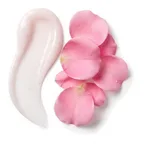 Rosa Centifolia, Rosa Damascena Flower Water
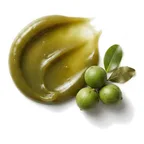 Calophyllum Inophyllum Seed Oil
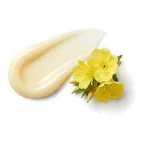 Oenothera Biennis Oil
 Sodium Hyaluronate
Average
- AverageCombination Skin Fit
- AverageEffectiveness
- ExcellentSafety
Works for acne-prone skin; other pre-cleansers fit it better.
This fit is calculated for the concerns frequently associated with acne-prone skin: breakouts, blackheads, and post-acne marks. For scores and recommendations based on your full skin profile, including your 12D face scan results and any goals or preferences you have, please use the Lovi app.
Updated How the Fit score works
Lovi Assistant explains
- Offers moderate makeup removal and hydration for your combination skin, as Triethylhexanoin and Glycerin effectively dissolve impurities while moisturizing. Rosa Damascena Flower Water and Rosa Centifolia Flower Extract provide soothing benefits, though these ingredients are not specifically targeted for your acne and blemishes.
- The inclusion of Sodium Hyaluronate and Glycerin offers humectant action suitable for combination skin, but the formula lacks sufficient ingredients for optimal oil control.
- The product is safe for your skin, with no risks of irritation due to the absence of harsh ingredients and the presence of soothing components.
How to apply
- Use this makeup remover PM as the first step of your evening routine to clear away dirt and oil. Start 3x/week and work up to daily use if your combination skin tolerates it well.
- Apply this makeup remover before cleansing and using the rest of your skin products. This ensures all makeup and impurities are fully washed away.
- Gently press a small amount of the makeup remover onto your face using a soft cotton pad. Avoid rubbing the skin too harshly to prevent irritation.
- Apply the makeup remover on dry skin to easily dissolve makeup and clear out blemishes. There is no need to dampen your face beforehand.
- Do a patch test before first use to ensure your skin reacts well. Avoid the delicate eye area while applying.
People Say
★4.0Overall rating based on 200+ reviewsThis luxurious cleansing balm is widely praised by users with dry and sensitive skin for its silky, hydrating formula that leaves the complexion feeling soft and soothed without stripping natural oils. While it excels at gently removing daily makeup and calming redness, some users find it struggles with heavy waterproof mascara and note that the high price point makes it a significant investment.
Highlights
Hydrating and soothing Mostly Mentioned
- “leaves skin soft, non-stripping, calms redness, great for sensitive skin”
High price point Mostly Mentioned
- “very expensive, luxury splurge, pricey for cleanser, wallet-damaging”
Gentle on skin Often Mentioned
Luxurious silky texture Often Mentioned
- “creamy consistency, glides like butter, feels like spa treatment, melts into skin”
Pleasant rose scent Often Mentioned
- “authentic rose smell, spa-like fragrance, relaxing aroma, not overpowering”
Effective daily cleansing Sometimes Noted
- “dissolves face makeup, cleans pores well, rinses clean, no greasy residue”
Struggles with waterproof makeup Sometimes Noted
- “leaves mascara residue, requires separate eye remover, doesn't remove heavy liner, stings eyes slightly”
High consumption rate Rarely Noted
- “tube finishes quickly, need generous amount, not cost-effective, small jar size”
Not a traditional balm Rarely Noted
- “texture is creamy, not an oil-balm, doesn't melt down same way, unexpected consistency”
Sources: lovi.care, spacenk.com, cultbeauty.co.uk, dermstore.com, bloomingdales.com, and more
Questions and answers
How well does Chantecaille Rose de Mai Cleansing Balm work for acne-prone skin?
This cleansing balm works reasonably well for acne-prone skin, though other products fit it better because it lacks specific components to target blemishes and oil control. Makeup removers for this skin type need ingredients that address acne while providing gentle cleansing and hydration without feeling too heavy.
Which ingredients make this cleanser a good fit for acne-prone skin?
Glycerin and sodium hyaluronate help keep your skin hydrated, while rose extracts calm it. This makeup remover works for acne-prone skin, though makeup removers that rate higher for this skin type need ingredients that specifically target blemishes and control oil.
What does Rose Extract do for acne-prone skin?
Rose extract helps calm acne-prone skin and fights blemish-causing bacteria. Studies show it may reduce skin inflammation and safely protect against microbes without irritating normal skin cells.
What does Rose Flower Water do for acne-prone skin?
Rose Flower Water helps calm redness and may reduce bacteria that can cause breakouts. It has a gentle profile that makes it soothing for irritated or stressed skin.
Where does this cleanser go in a skincare routine for acne-prone skin?
This makeup remover goes in the evening routine before your cleanser, and during weekly routines before your cleanser, enzyme powder, and cleansing mask. It is safe for your skin with no risks of irritation, though acne-prone skin needs a product of this type that provides better oil control.
Can I use this cleanser with retinol, and in what order?
You can use this makeup remover in your evening routine before your cleanser, but acne-prone skin needs a product with oil-controlling ingredients to manage breakouts effectively.
How often should I use this cleanser?
You can use this makeup remover in your evening routine whenever you wear makeup or need to clear away impurities. It is unlikely to cause irritation on acne-prone skin, though this skin type needs extra oil-clearing ingredients and targeted blemish-fighting components for an ideal fit.
Can this cleanser clog pores, cause breakouts or purging for acne-prone skin?
This cleanser is unlikely to cause irritation on acne-prone skin, but it lacks the targeted oil control needed for this skin type. Acne-prone skin requires lightweight, clarifying ingredients and oil-balancing agents to help keep pores clear.
Is this cleanser fragrance-free and alcohol-free?
It has no drying alcohol and contains fragrance (citronellol and geraniol).
What the research says
A single application of a moisturizing fluid containing hyaluronic acid 1%, glycerin 5%, and Centella asiatica stem cells extract significantly increased skin hydration by 29% and reduced transepidermal water loss at 24 hours compared to baseline and an untreated control site in twenty healthy women.
Clinical, Cosmetic and Investigational Dermatology, 2017Calophyllolide, inocalophyllin A, and inocalophyllin B isolated from Tamanu oil exhibited strong anti-inflammatory properties by inhibiting nitric oxide production in LPS-stimulated RAW 264 macrophages and reducing IL-1α production in UVB-stimulated HaCaT keratinocytes, with inocalophyllin A and B providing additional protection against UVB-induced damage.
Journal of Natural Medicines, 2026Tamanu oil emulsion induced cell proliferation, glycosaminoglycan and collagen production, wound healing activity, and modulated gene expression in human skin cells compared to untreated cells.
Planta Medica, 2016Tamanu oil extract from Calophyllum inophyllum increased cell proliferation and collagen type III expression in human fibroblasts in vitro, indicating healing, anti-inflammatory, analgesic, and antiseptic properties.
Advances in Clinical and Experimental Medicine, 2019Electrospun poly (vinyl butyral-co-vinyl alcohol-co-vinyl acetate) patches loaded with evening primrose oil applied to the forearm of volunteers for 6 hours increased skin moisture, with pore size, shape, and fiber diameter influencing oil transport.
Biomaterials Advances, 2022Combining poly(3-hydroxybutyrate-co-3-hydroxyvalerate) electrospun fibers with evening primrose oil into patches enhanced mechanical properties and increased skin hydration.
Journal of Materials Chemistry. B, 2022A topical preparation containing urea, sunflower oil, evening primrose oil, wheat germ oil, and sodium pyruvate led to clinical improvement after a month in diverse hyperkeratotic skin conditions except pityriasis lichenoides.
Medicina Cutanea Ibero-latino-americana, 1986Topical application of 0.1% hyaluronic acid formulations of different molecular weights led to significant improvements in skin hydration and elasticity, with low-molecular-weight formulations also significantly reducing wrinkle depth in seventy-six female subjects compared to a vehicle control.
Journal of Drugs in Dermatology, 2011Topical hyaluronic acid serum used twice daily by 40 females with facial photoaging produced an immediate 134% increase in skin hydration, a sustained 55% increase at week 6, and significant improvements in smoothness, plumping, fine lines, wrinkles, and global appearance without causing irritation.
Dermatology and Therapy, 2021A topical antioxidant serum significantly reduced air pollution-induced skin pigmentation and proinflammatory gene expression ex vivo, and improved skin aging signs in 40 healthy adult females after 90 days of daily use.
Journal of Cosmetic Dermatology, 2022
Why other pre-cleansers fit acne-prone skin better
Co-delivery of paeonol and madecassoside via nanoemulsions improved transdermal delivery, promoted barrier repair proteins, inhibited inflammatory cytokine secretion in cellular and 3D models, and reduced transepidermal water loss and acne in human facial skin compared to free components.
Molecules, 2023Clay jojoba oil facial masks reduced total skin lesions by a mean of 54% after 6 weeks in 133 participants with acne-prone, lesioned skin and mild acne compared to baseline.
Forschende Komplementarmedizin, 2012
Ingredients
Rosa Damascena Flower Water, Dipropylene Glycol, Glycerin, Propanediol, Trehalose, Triethylhexanoin, C14-22 Alcohols, 1,2-Hexanediol, Hydrogenated Oil, Peg Ppg Polybutylene Glycol-8 5 3 Glycerin, Dicaprylyl Carbonate, Polyester-7, Cetearyl Olivate, Ci 77891 Titanium Dioxide, Sorbitan Olivate, Stearyl Heptanoate, Glyceryl Stearate, Peg-100 Stearate, C12-20 Alkyl Glucoside, Neopentyl Glycol Diheptanoate, Mica, Stearyl Caprylate, Ammonium Acryloyldimethyltaurate Vp Copolymer, Silica, Carbomer, Calophyllum Inophyllum Seed Oil, Oenothera Biennis Oil, Sodium Hyaluronate, Xanthan Gum, Rosa Canina Oil Fruit, Tocopherol, Helianthus Annuus Seed Oil Sunflower Seed Oil, Phytic Acid, Sodium Hydroxide, Rosa Centifolia Flower Extract, Caprylic Capric Triglyceride, Rubus Idaeus Cell Leaf Culture, Chlorphenesin, Citronellol, Geraniol
Behind this fit score
Lovi calculates every fit score from the full ingredient list with brand-independent rules our dermatologists and cosmetic chemists build and review, and personalizes every pick with AI trained on the real results of millions of users. Lovi trains its fit score models on a proprietary dataset built from more than 10,000 expert-labeled products and more than 100,000 simulated examples, following an internally consistent methodology presented at Cosmoprof, AMWC, and Skin of Color Update.
-

Co-founder, Medical Director
Cosmetic chemist, cosmetologist, aesthetic products developer
-

Co-founder, CEO and CTO
PhD in computer science, 3x US patent holder, ex-Google, ex-Yandex
-

Dr. Sofía Perea Pérez, MD, MSc
Medical Board
Aesthetic medicine practitioner, MSc in Longevity and Anti-Aging Medicine
-

Medical Board
Specialist dermatologist, MBBS, MD, IFAAD
-

Medical Board
Cosmetic chemist, SCS, IFSCC member
-

Medical Board, Medical Advisor
Dermatology MD
-

Elina Nazarenko, MD
Medical Board
Dermatology and diagnostic consultant
-

Victoria Derkova, MS
Medical Board
Cosmetic chemist, cosmetic development technologist


How does it fit your skin?
Scan your face, then any product: Lovi shows how well it fits you and what fits even better.