
Bioderma Sébium H2O for oily acne-prone skin

 Zinc Gluconate
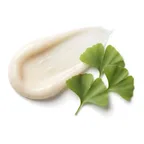 Ginkgo Biloba Leaf Extract
 Peg-6 Caprylic Capric Glycerides
 Fluidactiv Patent
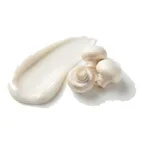 Mannitol
Average
- AverageOily Skin Fit
- HighEffectiveness
- Low RiskSafety
Works for oily acne-prone skin; other products fit it better.
- Clinical, Cosmetic and Investigational Dermatology, 2015
- Clinical, Cosmetic and Investigational Dermatology, 2023
This fit is calculated for the concerns frequently associated with oily acne-prone skin: shine, breakouts, blemishes, and enlarged pores. For scores and recommendations based on your full skin profile, including your 12D face scan results and any goals or preferences you have, please use the Lovi app.
Updated How the Fit score works
Lovi Assistant explains
- Offers moderate suitability for your oily skin, as zinc gluconate and copper sulfate help regulate sebum production and reduce inflammation, addressing your concerns with acne, blemishes, and breakouts. Ginkgo biloba leaf extract provides antioxidant benefits, further supporting clearer skin.
- The formula effectively cleanses pores and decongests oily skin, though it lacks sufficient ingredients for optimal results in managing oiliness or shiny skin.
- The product is generally safe for your oily skin, with a low risk of irritation from citric acid.
Buy online


Prices checked 20 Nov 2026
The Lovi Fit is the same in every country; only the stores and prices differ, and the ones here are for Europe.
How to apply
- Could be used as part of your AM or PM routine. Start using it daily to help manage your oily skin.
- Apply this micellar water as your first step before your cleanser and the rest of your routine.
- Pour some micellar water onto a cotton pad and gently wipe it across your face. Avoid harsh rubbing.
- Apply the micellar water on dry skin to effectively remove excess oil and impurities.
- Do a patch test before your first use. Avoid getting the product directly into your eyes.
People Say
★4.6Overall rating based on 800+ reviewsUsers with combination, oily, and acne-prone skin highly recommend this micellar water for its ability to effectively remove makeup and excess sebum without stripping the moisture barrier. Many reviewers note that it helps regulate oil production and prevents breakouts, leaving the skin feeling fresh and balanced rather than tight or dry.
Highlights
Effective oil control Mostly Mentioned
- “Helps control excess oil”
- “keeps my T-zone matte”
- “regulates sebum well”
Gentle and non-stripping Often Mentioned
- “Skin feels clean but not tight”
- “doesn't strip my skin”
- “gentle enough for daily use”
Thorough cleansing Often Mentioned
- “Removes sunscreen effortlessly”
- “takes off all foundation”
- “leaves no residue”
Helps clear acne Sometimes Noted
- “Helps with my millia”
- “keeps breakouts at bay”
- “clears clogged pores”
Price point Sometimes Noted
- “Price is a little steep”
- “expensive for a water”
- “good but pricey”
Waterproof makeup removal Sometimes Noted
- “Won't budge waterproof mascara”
- “struggles with heavy eye makeup”
- “need a separate eye remover”
Contains fragrance Rarely Noted
- “Has a cucumber scent”
- “wish it was fragrance-free”
- “smell is a bit strong”
Slightly drying Rarely Noted
- “Left my cheeks dry”
- “a bit drying in winter”
- “better for summer use”
Sources: lovi.care, ulta.com, boots.com, dermstore.com, walgreens.com, target.com, and more
Questions and answers
How well does Bioderma Sébium H2O work for oily acne-prone skin?
Bioderma Sébium H2O offers moderate suitability for your oily, acne-prone skin, as zinc and copper help control oil and reduce blemishes while ginkgo leaf extract provides antioxidant benefits. It is generally safe with a low risk of irritation, though an ideal product for this skin type needs stronger oil control and powerful ingredients to better manage shine and breakouts.
Clinical, Cosmetic and Investigational Dermatology, 2015Clinical, Cosmetic and Investigational Dermatology, 2023
Which ingredients make this cleanser a good fit for oily acne-prone skin?
Zinc gluconate and copper sulfate help control oil and calm breakouts on your oily skin, while ginkgo biloba leaf extract supports clearer skin. A product of this type needs gentle cleansers, strong blemish-fighting ingredients, and oil-controlling components for optimal results on oily acne-prone skin.
Clinical, Cosmetic and Investigational Dermatology, 2023Clinical, Cosmetic and Investigational Dermatology, 2015
What does Zinc Gluconate do for oily acne-prone skin?
Zinc gluconate helps calm oily, acne-prone skin by reducing inflammation and targeting bacteria that cause breakouts. It may also help control oil production safely with very few side effects.
Journal of Drugs in Dermatology, 2013Dermatologic Therapy, 2020
What does Ginkgo Biloba Leaf Extract do for oily acne-prone skin?
Ginkgo Biloba leaf extract helps improve oily, acne-prone skin by reducing redness, calming inflammation, and balancing oil. It also supports clearer skin by fighting the bacteria and irritation linked to breakouts.
Clinical, Cosmetic and Investigational Dermatology, 2015Clinical, Cosmetic and Investigational Dermatology, 2016
Where does it go in a skincare routine for oily acne-prone skin?
Bioderma Sébium H2O works as a makeup remover in the evening routine for oily acne-prone skin, cleansing pores while zinc and copper help calm breakouts. Because it offers only moderate suitability for managing oiliness and shine, an oily acne-prone routine also needs stronger oil-balancing and mattifying ingredients.
Can I use this cleanser with retinol, and in what order?
You can use this micellar water as a makeup remover in your evening routine before cleansing. It is generally safe for your skin, but to properly manage oiliness and shiny skin, your routine needs stronger oil-absorbing ingredients and deep-cleansing agents.
How often should I use it?
Bioderma Sébium H2O works well as an evening makeup remover for oily acne-prone skin. It is generally safe for daily use to help clear pores and reduce breakouts, though oily skin of this type needs extra oil-controlling ingredients for optimal results.
Can it clog pores, cause breakouts or purging for oily acne-prone skin?
Bioderma Sébium H2O is unlikely to clog pores or cause breakouts for oily acne-prone skin, as it cleanses pores and uses zinc gluconate to help reduce inflammation. However, because it lacks sufficient ingredients for optimal results in managing oiliness, this skin type needs stronger oil-balancing ingredients and deep-cleansing agents.
Is this cleanser fragrance-free and alcohol-free?
It has no drying alcohol and contains fragrance (parfum).
What the research says
A dermocosmetic containing bakuchiol, Ginkgo biloba extract, and mannitol improves inflammatory lesions, Investigator Global Assessment, and seborrhea intensity when added to adapalene 0.1% gel in patients with acne vulgaris.
Clinical, Cosmetic and Investigational Dermatology, 2015Daily use of a deep cleansing gel containing salicylic acid 2%, zinc gluconate 0.2% and lipohydroxy acid 0.05% significantly reduced total lesion count by 56.3% after 84 days in 35 subjects with mild to moderate truncal acne.
Clinical, Cosmetic and Investigational Dermatology, 2023A dermocosmetic cream containing Punica granatum Pericarp extract, Salicylic acid, Niacinamide, Zinc gluconate, and Aqua Posae Filiformis significantly decreased inflammatory, non-inflammatory, and total lesion counts in subjects with mild to moderate acne compared to untreated hemi-faces after 15 days.
Journal of Cosmetic Dermatology, 2026Daily treatment with a facial serum containing multiple acids reduced post-inflammatory hyperchromia lesion grade and number by 29.4% at 56 days, and decreased skin oiliness by 30.7% at 7 days in Brazilian patients with acne vulgaris.
Journal of Cosmetic Dermatology, 2021A novel composition containing salicylic acid, capryloyl salicylic acid, HEPES, glycolic acid, citric acid, and dioic acid showed similar tolerance and efficacy compared with clindamycin 1% and benzoyl peroxide 5% gel in subjects with acne vulgaris.
Journal of Drugs in Dermatology, 2013Topical 0.5% hyaluronic-ZnO nanogel applied twice daily reduced inflammatory-lesion counts by 58% at week four in human subjects compared to baseline without causing erythema.
Biomedicines, 2025Topical zinc oxide nanogels formulated using Dendrobium anosmum showed greater effectiveness against Gram-positive acne-causing bacteria compared to chemogenic nanoparticles.
Molecules, 2023Topical application of a 2% cream containing combined fruit extracts for 56 days significantly reduced wrinkle depth by 11.5%, length by 10.07%, and area by 29.55% in 21 female subjects compared to a placebo.
Clinical, Cosmetic and Investigational Dermatology, 2015Topical application of Ginkgo biloba cream for two weeks reduced wrinkles and improved skin shape, texture, and tautness in human volunteers compared to baseline.
Drug Development and Industrial Pharmacy, 2023A cosmetic formulation combining green tea and Ginkgo biloba extracts synergistically improved skin elasticity and skin barrier function in 48 volunteers compared to individual extracts.
Journal of Drugs in Dermatology, 2014Combining ectoine and mannitol with UV filters significantly improved protection of squalene oxidation, catalase activity, and trans-UCA compared to UV filters alone in 10 subjects on irradiated areas.
Journal of Cosmetic Dermatology, 2024Visible and UVA/visible lights induced DNA damage and micronuclei in a dose-dependent manner in human keratinocytes and CHO cells, and this damage was reduced by preincubation with ectoin, L-ergothioneine, mannitol, and various sunscreens.
Journal of Photochemistry and Photobiology. B, Biology, 2008
Why other products fit oily acne-prone skin better
Topical 5% tea tree oil gel significantly improved total acne lesions and acne severity index compared to placebo in 60 patients with mild to moderate acne vulgaris, showing 3.55 times and 5.75 times greater efficacy respectively.
Indian Journal of Dermatology, Venereology and Leprology, 2007Clay jojoba oil facial masks reduced total skin lesions by a mean of 54% after 6 weeks in 133 participants with acne-prone, lesioned skin and mild acne compared to baseline.
Forschende Komplementarmedizin, 2012
Ingredients
Water, Peg-6 Caprylic Capric Glycerides, Sodium Citrate, Zinc Gluconate, Copper Sulfate, Ginkgo Biloba Leaf Extract, Mannitol, Xylitol, Rhamnose, Fructooligosaccharides, Propylene Glycol, Citric Acid, Disodium Edta, Cetrimonium Bromide, Parfum
Behind this fit score
Lovi calculates every fit score from the full ingredient list with brand-independent rules our dermatologists and cosmetic chemists build and review, and personalizes every pick with AI trained on the real results of millions of users. Lovi trains its fit score models on a proprietary dataset built from more than 10,000 expert-labeled products and more than 100,000 simulated examples, following an internally consistent methodology presented at Cosmoprof, AMWC, and Skin of Color Update.
-

Co-founder, Medical Director
Cosmetic chemist, cosmetologist, aesthetic products developer
-

Co-founder, CEO and CTO
PhD in computer science, 3x US patent holder, ex-Google, ex-Yandex
-

Dr. Sofía Perea Pérez, MD, MSc
Medical Board
Aesthetic medicine practitioner, MSc in Longevity and Anti-Aging Medicine
-

Medical Board
Specialist dermatologist, MBBS, MD, IFAAD
-

Medical Board
Cosmetic chemist, SCS, IFSCC member
-

Medical Board, Medical Advisor
Dermatology MD
-

Elina Nazarenko, MD
Medical Board
Dermatology and diagnostic consultant
-

Victoria Derkova, MS
Medical Board
Cosmetic chemist, cosmetic development technologist


How does it fit your skin?
Scan your face, then any product: Lovi shows how well it fits you and what fits even better.