
Australian Gold Botanical Lotion SPF 30 for acne-prone skin

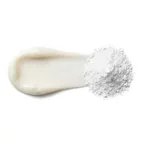 Titanium Dioxide
 Zinc Oxide
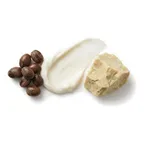 Butyrospermum Parkii Butter Shea Butter
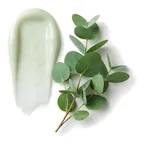 Eucalyptus Globulus Leaf Extract
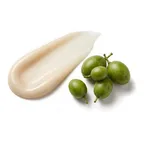 Terminalia Ferdinandiana Fruit Extract
High
- HighCombination Skin Fit
- AverageEffectiveness
- HighSafety
One of the best sunscreens for acne-prone skin.
- Clinical, Cosmetic and Investigational Dermatology, 2017
- Nanotechnology, Science and Applications, 2011
This fit is calculated for the concerns frequently associated with acne-prone skin: breakouts, blackheads, and post-acne marks. For scores and recommendations based on your full skin profile, including your 12D face scan results and any goals or preferences you have, please use the Lovi app.
Updated How the Fit score works
Lovi Assistant explains
- Offers moderate protection for your combination skin, as glycerin and squalane provide essential hydration and emollient benefits without increasing oiliness. However, the formula lacks specialized ingredients like salicylic acid or niacinamide to effectively target your acne, blemishes, and breakouts.
- The inclusion of titanium dioxide and zinc oxide ensures excellent UV protection, a key functional benefit for daily use.
- The product is safe for your combination skin, with no risks of irritation due to the absence of prohibited or harsh ingredients.
How to apply
- Apply this sunscreen every morning as the final step of your skincare routine. Reapply every two hours if you are outdoors for best protection against breakouts.
- Apply the sunscreen after your moisturizer and before applying any makeup. Let it absorb completely ⏱ before going outside.
- Take a nickel-sized amount and gently pat it evenly across your face and neck. Avoid rubbing aggressively to keep your combination skin calm.
- Apply the sunscreen on clean, dry skin to ensure an even protective layer. This helps manage excess shine without clogging your pores.
- Avoid the immediate eye area and do a quick patch test before first use. Stop using it if you notice any irritation and consult a specialist.
People Say
★4.1Overall rating based on 1.4k+ reviewsBased on a very large amount of data, users with oily or sensitive skin highly praise this mineral sunscreen for its unique powdery matte finish that feels non-greasy and lightweight. A significant drawback reported by many is a persistent white cast, making it difficult for those with medium-to-dark skin tones to wear.
Highlights
Non-greasy matte Mostly Mentioned
- “dries down powdery”
- “zero sticky residue”
- “feels like nothing on”
Visible white cast Mostly Mentioned
- “leaves a purple hue”
- “looks ghostly on tan skin”
- “takes forever to rub in”
Effective protection Often Mentioned
- “prevented burn in Florida sun”
- “stayed on while swimming”
- “great broad spectrum coverage”
Pleasant scent Often Mentioned
- “smells like citrus oasis”
- “subtle and refreshing”
- “not that chemical sunscreen smell”
Difficult to remove Often Mentioned
- “need to scrub hard”
- “requires oil cleanser to remove”
- “stays on skin for days”
Gentle on skin Sometimes Noted
- “no stinging eyes”
- “didn't break me out”
Thick consistency Sometimes Noted
- “hard to spread”
- “very thick paste”
- “drags on the skin”
Drying effect Rarely Noted
- “clings to dry patches”
- “felt tight after a few hours”
- “too drying for winter”
Sources: lovi.care, amazon.com, ulta.com, target.com, vitacost.com, influenster.com, and more
Questions and answers
What makes Australian Gold Botanical SPF 30 Lotion a great fit for acne-prone skin?
This sunscreen is a great fit because titanium dioxide and zinc oxide provide reliable UV protection, while glycerin and squalane hydrate your skin without making it oily. It is also safe and unlikely to cause irritation because it leaves out harsh ingredients. However, it does not include ingredients like salicylic acid or niacinamide to specifically target breakouts.
Which ingredients make this lotion a good fit for acne-prone skin?
Glycerin and squalane make this lotion a good fit by providing essential moisture without increasing oiliness, while titanium dioxide and zinc oxide give you safe and reliable sun protection. Because it lacks ingredients like salicylic acid or niacinamide, this product helps keep your skin soft but needs added blemish-fighting ingredients to actively target breakouts.
What does Titanium Dioxide do for acne-prone skin?
Titanium dioxide is generally safe for acne-prone skin because it sits on top of the skin without clogging pores and provides sun protection with very low irritation risks. However, since this sunscreen type may not be the best fit for every breakout-prone complexion, acne-prone skin needs lightweight, non-greasy physical or mineral formulas that offer broad-spectrum protection without heavy oils.
Photodermatology, Photoimmunology & Photomedicine, 2019Photochemical & Photobiological Sciences, 2010
What does Zinc Oxide do for acne-prone skin?
Zinc oxide helps calm acne-prone skin by reducing bacteria, redness, and swollen bumps. Topical treatments containing zinc oxide may safely improve skin clarity while causing fewer side effects like dryness than traditional options.
Where does this lotion go in a skincare routine for acne-prone skin?
This spf goes last in your morning routine, right after your moisturizer. It provides solid sun protection without adding extra oil, though acne-prone skin also needs ingredients like salicylic acid or niacinamide to effectively target breakouts.
Can I use this lotion with retinol, and in what order?
Yes, you can use this lotion in the morning after applying your moisturizer and before heading out. It is safe for your skin and provides good UV protection without clogging pores or causing irritation.
How often should I use this lotion?
Use this lotion every morning as the final step of your daytime routine to keep your skin protected from the sun. The mineral ingredients provide safe daily UV defense without increasing oiliness.
Can this lotion clog pores, cause breakouts or purging for acne-prone skin?
This lotion is unlikely to cause irritation on acne-prone skin, but it lacks targeted ingredients like salicylic acid or niacinamide to actively manage breakouts. Mineral sunscreens of this type generally need a lightweight texture and oil-free hydrators to keep pores clear.
Is this lotion fragrance-free and alcohol-free?
Yes, it has no fragrance and no drying alcohol.
What the research says
A single application of a moisturizing fluid containing hyaluronic acid 1%, glycerin 5%, and Centella asiatica stem cells extract significantly increased skin hydration by 29% and reduced transepidermal water loss at 24 hours compared to baseline and an untreated control site in twenty healthy women.
Clinical, Cosmetic and Investigational Dermatology, 2017Replacing microsized titanium dioxide and zinc oxide with nanoparticles in sunscreens eliminates opaqueness and alters UV protection balance while inducing (photo)cyto- and genotoxicity and penetrating viable skin layers during long-term exposures.
Nanotechnology, Science and Applications, 2011Bovine serum albumin surface functionalization of titanium dioxide nanoparticles reduces their penetration in Franz diffusion cells and human immortalized keratinocyte cells while maintaining safety and ultraviolet protection efficacy.
ACS Applied Bio Materials, 2024Biomimetic hyaluronic acid-stabilized zinc oxide nanoparticles selectively inhibited C. acnes, outperformed erythromycin in preclinical acne models, and safely reduced acne lesions and redness in a clinical trial.
Journal of Controlled Release, 2025Microfine titanium dioxide does not penetrate human skin when formulated in an oil-in-water emulsion with the pigment dispersed in the aqueous phase, compared to oily dispersions and liposomal encapsulation which allow deeper skin penetration.
International Journal of Cosmetic Science, 2000Hyaluronic acid-grafted titanium dioxide nanoparticles increased SPF from 13.3 to 19.1 while demonstrating low photocatalytic activity, exceptional thermal stability with >95% SPF retention, enhanced moisturization with >80% hydration retention, and minimal cytotoxicity with 88.5% cell viability in HaCaT keratinocytes compared to unmodified nanoparticles.
International Journal of Biological Macromolecules, 2025Co-exposure to titanium dioxide nanoparticles exerted an antagonistic effect on zinc oxide nanoparticle-induced cytotoxicity and DNA damage in human keratinocytes and a reconstructed human epidermis model by restricting cellular uptake and decreasing zinc ion dissociation.
Nanomaterials, 2022Topical 0.5% hyaluronic-ZnO nanogel applied twice daily reduced inflammatory-lesion counts by 58% at week four in human subjects compared to baseline without causing erythema.
Biomedicines, 2025Daily use of a deep cleansing gel containing salicylic acid 2%, zinc gluconate 0.2% and lipohydroxy acid 0.05% significantly reduced total lesion count by 56.3% after 84 days in 35 subjects with mild to moderate truncal acne.
Clinical, Cosmetic and Investigational Dermatology, 2023Topical zinc oxide nanogels formulated using Dendrobium anosmum showed greater effectiveness against Gram-positive acne-causing bacteria compared to chemogenic nanoparticles.
Molecules, 2023A skin barrier restoring cream with shea butter, silkflo, and vitamin E increased type I procollagen synthesis, enhanced antioxidant enzyme activity, decreased reactive oxygen species generation, and promoted hyaluronic acid production in H2O2-stimulated human keratinocyte cells compared to untreated cells.
International Journal of Cosmetic Science, 2025Treatment with a moisturizer containing Eucalyptus extract significantly improved skin conductance and transepidermal water loss compared to placebo in 20 subjects with dry skin, accompanied by an increase in CER [NP] levels.
Journal of Cosmetic Dermatology, 2013Topical and in vitro application of Eucalyptus extract increases ceramide levels and biosynthesis in keratinocytes and human stratum corneum, improving water-holding and barrier functions in dry skin compared to untreated solvent-induced dry skin.
International Journal of Cosmetic Science, 2012Eucalyptus globulus leaf essential oil and hydrodistillation residual water exhibited anti-aging, depigmenting, and anti-inflammatory effects in vitro without causing skin irritation or sensitization.
Pharmaceutics, 2022
Ingredients
Titanium Dioxide, Zinc Oxide, Alumina, Butyrospermum Parkii Butter Shea Butter, Caprylyl Glycol, Cetyl Peg Ppg-10 1 Dimethicone, Cyclopentasiloxane, Dimethicone Crosspolymer, Disodium Edta, Disteardimonium Hectorite, Eucalyptus Globulus Leaf Extract, Glycerin, Hexyl Laurate, Panthenol, Peg-10 Dimethicone, Phenoxyethanol, Polyglyceryl-4 Isostearate, Polymethylsilsesquioxane, Porphyra Umbilicalis Extract Red Algae Extract, Silica, Squalane, Stearic Acid, Terminalia Ferdinandiana Fruit Extract, Tocopheryl Acetate, Water
Behind this fit score
Lovi calculates every fit score from the full ingredient list with brand-independent rules our dermatologists and cosmetic chemists build and review, and personalizes every pick with AI trained on the real results of millions of users. Lovi trains its fit score models on a proprietary dataset built from more than 10,000 expert-labeled products and more than 100,000 simulated examples, following an internally consistent methodology presented at Cosmoprof, AMWC, and Skin of Color Update.
-

Co-founder, Medical Director
Cosmetic chemist, cosmetologist, aesthetic products developer
-

Co-founder, CEO and CTO
PhD in computer science, 3x US patent holder, ex-Google, ex-Yandex
-

Dr. Sofía Perea Pérez, MD, MSc
Medical Board
Aesthetic medicine practitioner, MSc in Longevity and Anti-Aging Medicine
-

Medical Board
Specialist dermatologist, MBBS, MD, IFAAD
-

Medical Board
Cosmetic chemist, SCS, IFSCC member
-

Medical Board, Medical Advisor
Dermatology MD
-

Elina Nazarenko, MD
Medical Board
Dermatology and diagnostic consultant
-

Victoria Derkova, MS
Medical Board
Cosmetic chemist, cosmetic development technologist


How does it fit your skin?
Scan your face, then any product: Lovi shows how well it fits you and what fits even better.