Tatcha The Rice Polish: Deep for acne-prone skin

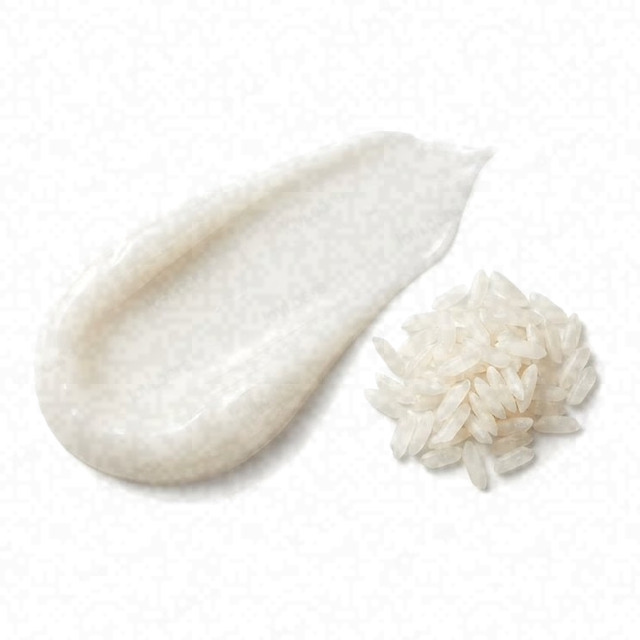 Rice Enzyme Powder
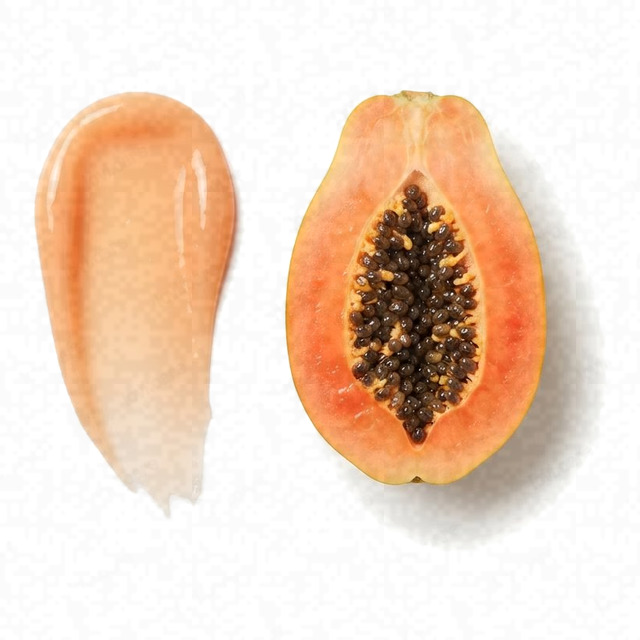 Papain
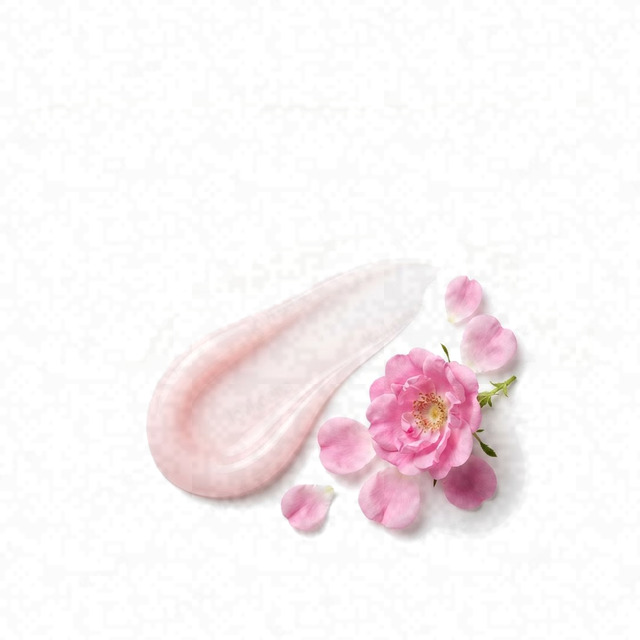 Rosa Multiflora Fruit Extract
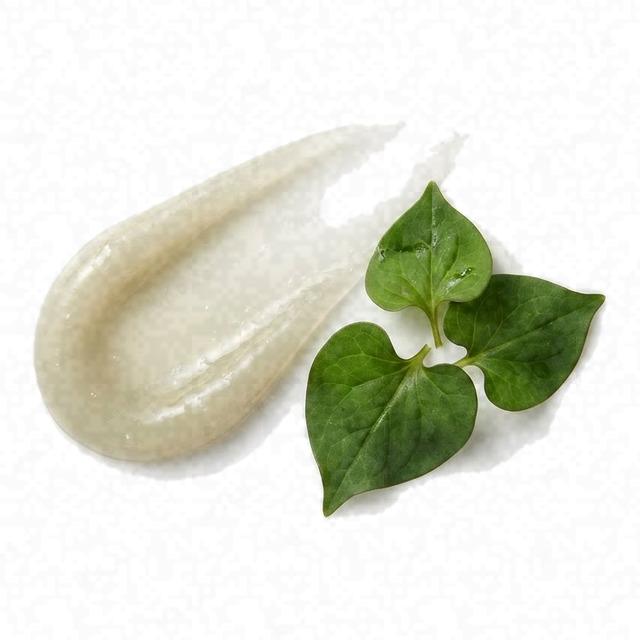 Houttuynia Cordata Extract
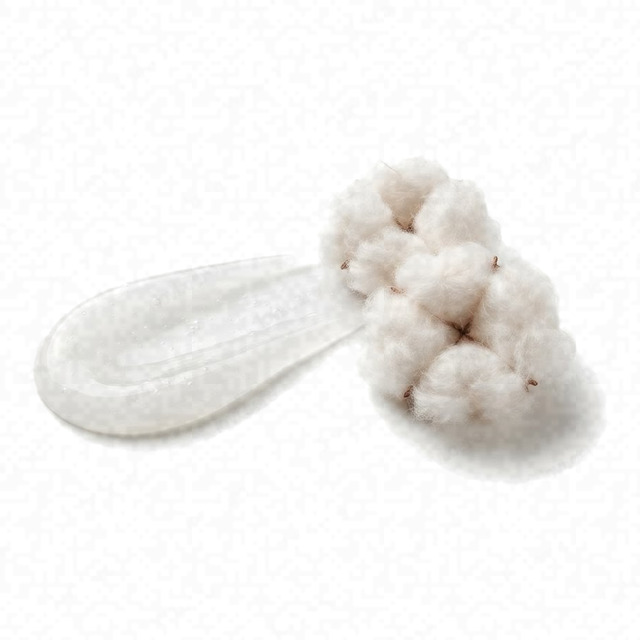 Microcrystalline Cellulose
Average
- SuperiorCombination Skin Fit
- AverageEffectiveness
- HighSafety
Works for acne-prone skin; other products fit it better.
This fit is calculated for the concerns frequently associated with acne-prone skin: breakouts, blackheads, and post-acne marks. For scores and recommendations based on your full skin profile, including your 12D face scan results and any goals or preferences you have, please use the Lovi app.
Page built Nov 8, 2026How the Fit score works
Lovi Assistant explains
- Offers moderate exfoliation for your combination skin, as papain and rice powder help regulate desquamation and smooth texture. Saccharomyces Camellia Sinensis Cladosiphon Okamuranus Rice Leaf Ferment Filtrate provides antioxidant benefits, supporting overall skin health.
- The formula is generally cleansing and mildly exfoliating, addressing concerns like acne and blemishes without causing irritation.
- This product has a good safety profile, with no harsh ingredients that would pose a risk to your acne-prone skin.
How to apply
- Could be used as part of your weekly routine. Start by using the enzyme powder exfoliant once a week and increase only if your skin tolerates it well.
- Apply the enzyme powder exfoliant after cleansing and before using a hydrating toner or your mask. This ensures the product works effectively on clean skin.
- Mix the enzyme powder exfoliant with a little water in your hands to create a gentle foam . Gently massage it onto your face while avoiding any harsh rubbing.
- Apply the enzyme powder exfoliant on slightly damp skin to help with gentle activation and even distribution. Make sure to rinse thoroughly with lukewarm water afterwards.
- Always avoid the delicate eye area when applying the enzyme powder exfoliant. Do a patch test before your first use to check for any sensitivity.
People Say
★4.6Overall rating based on 2.9k+ reviewsUsers with oily, combination, and congestion-prone skin consistently praise this water-activated exfoliant for delivering a "glass-like" smoothness without the harshness of physical scrubs. While the Japanese wild rose and leopard lily formula is celebrated for visibly tightening pores and reducing breakouts, a minority of users find the "squeaky clean" finish slightly drying if not immediately followed by a moisturizer. This summary is based on a very large amount of data and should definitely be taken into account.
Highlights
Gentle yet effective exfoliation Mostly Mentioned
- “Leaves my skin baby soft and perfectly clean.”
- “Non-abrasive but gets all the dead skin off.”
- “My face feels polished but not raw like other scrubs.”
Pore refinement & clarity Often Mentioned
- “Snatches the grime out of your pores.”
- “Visibly tightens pores after just one use.”
- “Helps keep my blackheads and breakouts at bay.”
High price point Often Mentioned
- “It hurts my wallet every time I buy it.”
- “Amazing product but way too expensive.”
- “Hard to justify the price for a face wash.”
Balanced deep clean Sometimes Noted
- “Deep cleans without leaving my face tight.”
- “Removes excess oil but keeps skin soft.”
- “Perfect balance for my combination skin.”
Luxurious foam texture Sometimes Noted
- “Turns into a cloud-like foam that feels amazing.”
- “The lather is so rich and creamy.”
- “Feels like a mini spa ritual every morning.”
Packaging design flaws Sometimes Noted
- “Glass jar is terrifyingly slippery in the shower.”
- “The dispensing hole gets clogged with water.”
- “Hate that the new jar is opaque; can't see what's left.”
Potential for dryness Rarely Noted
- “Left my skin feeling a bit too squeaky and tight.”
- “Can be drying if I use it every single day.”
- “Caused some dry patches around my nose.”
Scent preferences Rarely Noted
- “Has a weird, earthy rice smell I don't love.”
- “Smells a bit like hamster food.”
- “The scent is unappealing but fades quickly.”
Sources: lovi.care, kohls.com, ulta.com, sephora.com, tatcha.com, mecca.com, and more
Questions and answers
How well does Tatcha The Rice Polish: Deep work for acne-prone skin?
This product works for your acne-prone skin, though other products fit it better. It helps smooth texture and address blemishes without causing irritation, making your skin feel clean and soft. For this skin, a product needs gentle, soothing, and hydrating ingredients that target blemishes and control oil without causing irritation.
Which ingredients make this exfoliant a good fit for acne-prone skin?
Papain and rice powder help make this exfoliant a good fit by smoothing texture and regulating the shedding of dead skin cells for acne-prone skin. To fit this skin type even better, an exfoliant of this type needs soothing and hydrating ingredients that target blemishes, control oil, and calm irritation without any harsh risks.
Giornale Italiano Di Dermatologia E Venereologia, 2015Molecules, 2022
What does Rice Enzyme Powder do for acne-prone skin?
Rice Enzyme Powder helps calm acne-prone skin while gently clearing away dead surface cells to keep pores clear. Rice-derived ingredients offer anti-inflammatory properties that may reduce redness and irritation in sensitive, blemish-prone skin.
What does Papain do for acne-prone skin?
Papain helps clear acne-prone skin by gently removing dead cells and targeting blemishes as part of a targeted treatment gel used daily. However, it may cause mild redness or irritation, and since it can disrupt the skin barrier, acne-prone skin also needs soothing, barrier-repairing ingredients to stay calm and protected.
Giornale Italiano Di Dermatologia E Venereologia, 2015The Journal of Investigative Dermatology, 2015
Where does this exfoliant go in a skincare routine for acne-prone skin?
This exfoliant goes in your weekly routine after cleansing and before a mask, used once a week to gently smooth your texture. Acne-prone skin needs a product of this type that balances mild exfoliation with soothing plant extracts to keep pores clear without causing irritation.
Can I use it with retinol, and in what order?
You can use this enzyme powder exfoliant in your routine with retinol, but use them on different days to avoid making your skin too sensitive. This product helps smooth texture and address blemishes safely, though acne-prone skin needs gentle chemical exfoliants like salicylic acid or soothing ingredients like niacinamide for the best fit.
How often should I use this exfoliant?
Start by using this exfoliant once a week, and if your skin tolerates it well and shows good results, you can carefully use it more often. Acne-prone skin often needs gentle, regular exfoliation and soothing ingredients like fruit extracts to clear pores and smooth texture without causing irritation.
Can it clog pores, cause breakouts or purging for acne-prone skin?
This product is unlikely to clog pores or cause breakouts for your acne-prone skin, as it gently sweeps away dead skin cells without harsh ingredients that irritate. However, because other products fit this skin type better, acne-prone skin often needs soothing plant extracts and gentle acne-fighting ingredients to keep pores clear and calm.
Is this exfoliant fragrance-free and alcohol-free?
It has no fragrance and contains drying alcohol (alcohol).
What the research says
A fixed combination of hydroxypinacolone retinoate, retinol glycospheres, and papain glycospheres in aqueous gel applied once daily for 12 weeks achieved a 41% mean reduction in GAGS score and a 40.8% mean reduction in total lesions, with 15.3% of patients experiencing mild to moderate local side effects, in 94 evaluable patients with comedonal-papular, mild to moderate acne of the face.
Giornale Italiano Di Dermatologia E Venereologia, 2015Encapsulation of ferulic acid in phosphorylated rice starch enhanced its stability against heat and light and improved skin lightening, elasticity, smoothness, roughness, scaliness, and wrinkles compared to free ferulic acid in 16 volunteers over 1 month.
Molecules, 2022Daily application of a cream containing niosomes loaded with purple glutinous rice extract in 20 human volunteers for 28 days resulted in a significant decrease in melanin index and skin roughness by -14.05% and -9.95%, and increases in skin hydration and elastic recovery by +48.73% and +35.98% compared to initial values.
International Journal of Cosmetic Science, 2020The iontophoretic delivery of hyaluronic acid nanogel-loaded Saccharomyces/Rice Ferment Filtrate significantly reduced advanced glycation end products and mitigated skin stiffening in an ex vivo skin tissue glycation model.
International Journal of Nanomedicine, 2025Red rice extract suppressed UVB-induced inflammation and skin aging in human skin fibroblasts by inhibiting the MAPK signaling pathway, leading to decreased NF-kappa B and AP-1 activation, reduced ECM degradation, and increased ECM synthesis compared to UVB-irradiated controls.
Natural Product Communications, 2016Topical papain treatment may slightly decrease pain within 30 minutes in humans stung by Chrysaora chinensis compared to placebo.
Wilderness & Environmental Medicine, 2016Reflux extraction of Carica papaya leaves yielded higher antioxidant capacity and superior in vitro wound-healing activities including fibroblast proliferation, cell migration, and collagen synthesis in human skin fibroblasts compared to ultrasonic-assisted extraction and agitation.
Molecules, 2020Carica papaya leaf extracts obtained via supercritical fluid and conventional methods demonstrated antioxidant and cytoprotective effects on skin fibroblasts against oxidative stress, driven by their respective lipophilic and hydrophilic constituents.
Molecules, 2021Topical application of a mixture of extracts of Kochia scoparia and Rosa multiflora recovered dermal thickness and dermal fibroblasts, increased procollagen 1 and TGF-beta expression, and decreased MMP-13 expression in photoirradiated hairless mouse skin compared with vehicle control.
International Journal of Molecular Sciences, 2016Quercetin phospholipids 1% cream significantly reduced UV-, histamine-, and chemical-induced skin erythema (-10.05%) and mean wheal diameter in 30 healthy human volunteers, showing comparable efficacy to 1% dexchlorpheniramine cream.
Clinical, Cosmetic and Investigational Dermatology, 2016Quercetin-loaded niosomes formulated with Span60-RH40 at a 9:11 mass ratio improved quercetin solubility, photostability, sustained release, and transdermal penetration, yielding a skin retention 2.95 times higher than quercetin solution.
Molecules, 2019Optimized rutin-loaded glycerosomes formulated into a nanosunscreen gel demonstrated sustained drug release, greater skin permeation, good antioxidant activity, and better epidermal retention compared to the dermis, indicating high safety, stability, and sun protection factor values for topical administration.
Gels, 2023Nanofibrillar cellulose dressing provides efficient wound healing comparable to polylactide-based copolymer dressings at skin graft donor sites in 24 patients, with significant improvements in observer scar thickness and vascularity and skin elasticity.
Advances in Wound Care, 2020Bacterial cellulose membranes with and without glycerin showed good skin compatibility and no barrier disruption in human subjects compared to a negative control, with glycerin-containing membranes additionally providing a statistically significant skin moisturizing effect (p=0.044).
European Journal of Pharmaceutics and Biopharmaceutics, 2014AgNP-BC exhibited over 99% reduction in Escherichia coli, Staphylococcus aureus, and Pseudomonas aeruginosa with no cytotoxicity, allowing epidermal cell attachment and growth compared to unmodified bacterial cellulose.
Carbohydrate Polymers, 2014
Ingredients
Microcrystalline Cellulose, Rice Powder, Sodium Lauryl Phosphate, Sodium Lauroyl Glutamate, Sodium Stearoyl Glutamate, Sodium Cocoyl Glutamate, Lauryl Betaine, Sodium Lauroyl Methylaminopropionate, Saccharomyces Camellia Sinensis Cladosiphon Okamuranus Rice Leaf Ferment Filtrate, Papain, Rosa Multiflora Fruit Extract, Belamcanda Chinensis Root Extract, Houttuynia Cordata Extract, Rice Bran Extract, Propanediol, Dextrin, Butylene Glycol, Ethylhexylglycerin, Phytosteryl Octyldodecyl Lauroyl Glutamate, Phenoxyethanol, Silica, Iron Oxides Ci 77492, Ultramarines, Tocopherol, Alcohol, Water
Behind this fit score
Lovi calculates every fit score from the full ingredient list with brand-independent rules our dermatologists and cosmetic chemists build and review, and personalizes every pick with AI trained on the real results of millions of users. Lovi trains its fit score models on a proprietary dataset built from more than 10,000 expert-labeled products and more than 100,000 simulated examples, following an internally consistent methodology presented at Cosmoprof, AMWC, and Skin of Color Update.
-

Co-founder, Medical Director
Cosmetic chemist, cosmetologist, aesthetic products developer
-

Co-founder, CEO and CTO
PhD in computer science, 3x US patent holder, ex-Google, ex-Yandex
-

Dr. Sofía Perea Pérez, MD, MSc
Medical Board
Aesthetic medicine practitioner, MSc in Longevity and Anti-Aging Medicine
-

Medical Board
Specialist dermatologist, MBBS, MD, IFAAD
-

Medical Board
Cosmetic chemist, SCS, IFSCC member
-

Medical Board, Medical Advisor
Dermatology MD
-

Elina Nazarenko, MD
Medical Board
Dermatology and diagnostic consultant
-

Victoria Derkova, MS
Medical Board
Cosmetic chemist, cosmetic development technologist


How does it fit your skin?
Scan your face, then any product: Lovi shows how well it fits you and what fits even better.