Sunday Riley Good Genes All-In-One Lactic Acid Treatment for dry sensitive skin

 Lactic Acid
 Licorice Root
 Agave Tequilana Leaf Extract
 Opuntia Tuna Fruit Extract
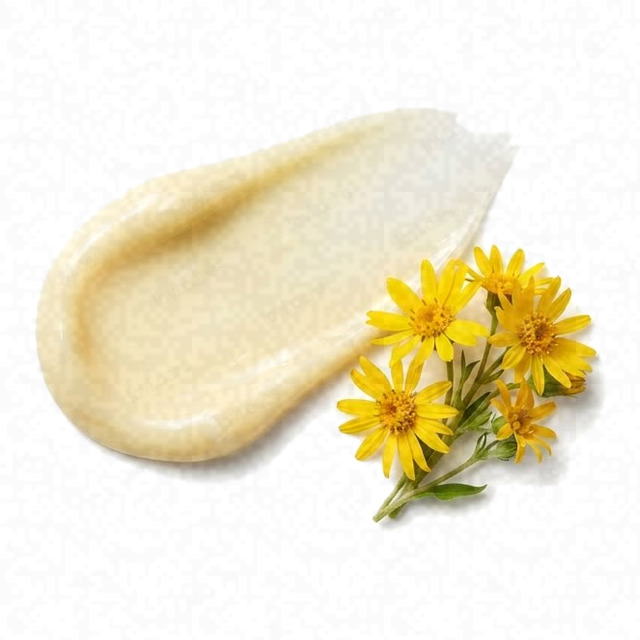 Arnica Montana Flower Extract
Average
- HighDry Skin Fit
- AverageEffectiveness
- HighSafety
Works for dry sensitive skin; other products fit it better.
This fit is calculated for the concerns frequently associated with dry sensitive skin: flakiness, tightness, redness, fine lines, and wrinkles. For scores and recommendations based on your full skin profile, including your 12D face scan results and any goals or preferences you have, please use the Lovi app.
Page built Nov 8, 2026How the Fit score works
Lovi Assistant explains
- Offers moderate exfoliation due to lactic acid, which supports hydration and barrier function for your dry skin, but may be irritating for your sensitive skin.
- The inclusion of squalane provides emollient action, which is beneficial for dry skin, though the primary humectant action of lactic acid is less ideal for sensitivity.
- The product is safe for your dry and sensitive skin as it lacks prohibited or harsh ingredients.
How to apply
- Use your exfoliant PM once a week to help with dryness. Start ⏳3 times a week only if your sensitive skin tolerates it well.
- Apply the exfoliant after cleansing and toning, but always before your favorite moisturizer .
- Gently press 2-3 drops of the exfoliant into your skin and avoid any rubbing. Let it absorb ⏱ for a minute before layering.
- Since your skin is reactive and sensitive, apply the exfoliant on completely dry skin for better tolerance.
- Always do a patch test before your first use and avoid the delicate eye area .
People Say
★4.7Overall rating based on 6.8k+ reviewsBased on a very large amount of data, this lactic acid treatment is highly praised for its ability to quickly exfoliate and retexturize skin, resulting in a noticeable glow and smoother skin texture. Users with dullness, hyperpigmentation, and fine lines report significant improvements in skin clarity and plumpness. Many find it gentle enough for sensitive or acne-prone skin, though the high price point is a frequent concern.
Highlights
Instant radiance Mostly Mentioned
- “woke up glowing”
- “instant radiance”
- “skin looks brighter overnight”
- “got that fresh look back”
Smoothes texture Mostly Mentioned
- “baby soft skin”
- “texture is gone”
- “smoothest my face has felt”
- “got rid of bumps”
High price point Mostly Mentioned
- “very expensive”
- “hurts my wallet”
- “wish it was cheaper”
- “luxury splurge”
Plumps fine lines Often Mentioned
- “lines look filled in”
- “plumps my skin”
- “wrinkles less visible”
- “youthful bounce”
Gentle exfoliation Sometimes Noted
- “no stinging”
- “great for sensitive skin”
- “didn't dry me out”
- “gentle but powerful”
Distinctive scent Sometimes Noted
- “smells like furniture polish”
- “strong lemongrass scent”
- “smell is off-putting”
- “sour milk odor”
Mild tingling Rarely Noted
- “tingles a bit”
- “slight burning sensation”
- “spicy on active acne”
- “stings for a minute”
Sources: lovi.care, dermstore.com, ulta.com, sephora.com, spacenk.com, amazon.com, and more
Questions and answers
How well does Sunday Riley Good Genes work for dry sensitive skin?
Sunday Riley Good Genes works moderately well for dry sensitive skin by offering gentle exfoliation and moisture, though it may cause irritation. An exfoliant for this skin type needs soothing, deeply nourishing ingredients that hydrate and protect without any risk of irritation.
Which ingredients make this exfoliant a good fit for dry sensitive skin?
Lactic acid and squalane make this exfoliant a good fit for dry skin by providing gentle smoothing and much-needed moisture. However, because your skin is sensitive, this product may occasionally cause irritation and needs soothing ingredients and extra barrier support to truly thrive.
What does Lactic Acid do for dry sensitive skin?
Lactic acid helps hydrate dry skin, but for sensitive skin it may cause stinging and irritation unless it is formulated with soothing ingredients like colloidal oat or tangerine fruit extract to calm discomfort.
Journal of Cosmetic Dermatology, 2023Clinical, Cosmetic and Investigational Dermatology, 2021
What does Licorice Root Extract do for dry sensitive skin?
Licorice root extract helps calm red and irritated dry skin while easing discomfort. It works through natural compounds that reduce inflammation, though long-term daily use requires caution as it may occasionally lead to unwanted side effects.
Where does this exfoliant go in a skincare routine for dry sensitive skin?
This exfoliant treatment goes in the evening routine once a week, as acid treatments may be irritating for sensitive skin. A product for this skin needs soothing ingredients and gentle hydrators to keep it calm and soft.
Can I use this exfoliant with retinol, and in what order?
Using this exfoliant with retinol may be too harsh for dry, sensitive skin, so it is best to use them on separate nights or skip one if your skin feels irritated. To make this product work better for your skin type, it needs extra soothing and hydrating ingredients to calm sensitivity while keeping skin soft.
How often should I use this exfoliant?
Start using this exfoliant once a week in the evening, and if your skin feels fine and you see good results, you can carefully use it more often. This product type works for your dry skin with its exfoliating and softening ingredients, but your skin needs a gentler formula that avoids irritation.
Can this exfoliant clog pores, cause breakouts or purging for dry sensitive skin?
This exfoliant is unlikely to clog pores or cause breakouts for dry sensitive skin, but the lactic acid may bring about mild initial purging as it speeds up cell turnover. A product for this skin needs soothing ingredients and gentle hydrators like squalane and licorice root to keep the skin calm and smooth.
Is this exfoliant fragrance-free and alcohol-free?
Yes, it has no fragrance and no drying alcohol. Cetearyl alcohol is a fatty alcohol, which soften the skin.
What the research says
Squalane at 0.005-0.015% counteracts UVA-induced oxidative stress, inflammation, and collagen metabolism inhibition while stimulating fibroblast migration in human dermal fibroblasts.
Molecules, 2025Topical application of a vitamin C-squalene bioconjugate significantly increased epidermal thickness, type III collagen production, and glycosaminoglycans production in human skin explants compared to free vitamin C and vitamin C-palmitate.
Scientific Reports, 2020Application of squalene/phosphotungstate calcium nanowires (Sql/PWC) oleogel on UVB-irradiated skin decreased epidermal thickness, increased dermal thickness, and promoted the expression of elastin, collagen, and skin barrier markers through antioxidant and anti-inflammatory activities.
Journal of Nanobiotechnology, 2025Application of a cream containing lactic acid 12% and pramoxine HCl 1% significantly improved skin dryness, hydration, and itch compared with a nontreated control in 24 women with a history of dry itchy skin.
Cutis, 2004Topical 12% ammonium lactate produced a significant sparing of epidermal and dermal atrophy induced by clobetasol propionate in human volunteers, without influencing the corticosteroid's bioavailability or antiinflammatory properties.
Journal of the American Academy of Dermatology, 1992A lactic acid/ceramide lotion significantly improved skin moisturization and desquamation compared to no treatment in women with dry, rough skin on the anterior shins.
The Journal of Clinical and Aesthetic Dermatology, 2020Combining 755 nm alexandrite laser with topical licorice gel significantly reduces terminal hair counts compared to alexandrite laser with placebo in women with idiopathic hirsutism.
Evidence-based Complementary and Alternative Medicine, 2015Licochalcone A activated Nrf2 signaling, elevated cytoprotective enzymes, increased the reduced-to-oxidized glutathione ratio, and decreased reactive oxygen species in human fibroblasts and neutrophils, while a LicA-rich licorice extract lowered UVA-induced oxidative processes in vivo.
Experimental Dermatology, 2015Bioactive glycyrrhizic acid and oxymatrine ionic liquid self-assembled nanomicelles significantly promoted the transdermal permeation, subcutaneous retention, and anti-photoaging efficacy of palmitoyl pentapeptide-4 in cellular and animal models compared to unformulated peptide.
Advanced Science, 2025Opuntia ficus-indica extract and its isorhamnetin-glucosyl-rhamnoside suppressed nitric oxide, COX-2, TNF-alpha, and IL-6 production in vitro and inhibited croton oil-induced ear edema in vivo.
BioMed Research International, 2015Opuntia ficus-indica extract activated AHR-NRF2 signaling, inhibited reactive oxygen species generation, and upregulated filaggrin and loricrin expression in human keratinocytes.
Journal of Medicinal Food, 2015Pre-treating normal human keratinocytes with an Opuntia ficus-indica cladode water extract protected against UVA-induced oxidative stress and apoptosis by inhibiting free radicals, lipid peroxidation, and GSH depletion.
Bioorganic & Medicinal Chemistry Letters, 2017Gels containing 1% Arnica montana L. flower extract successfully enhanced the volume of the lips and face with a reduction of wrinkles in humans.
International Journal of Cosmetic Science, 2023Topical application of Arnica montana ointment reduced the inflammatory response and oxidative damage in mice exposed to UVB radiation compared to untreated UVB-exposed skin.
Cutaneous and Ocular Toxicology, 2020The protocol combining microcurrent with topical Arnica montana reduces inflammation, increases myofibroblast proliferation, and decreases macrophage presence in rats with skin lesions compared to controls.
International Journal of Experimental Pathology, 2023
Ingredients
Water, Opuntia Tuna Fruit Extract, Cypripedium Pubescens Extract, Opuntia Vulgaris Leaf Extract, Agave Tequilana Leaf Extract, Arnica Montana Flower Extract, Aloe Barbadensis Leaf Extract, Yeast Extract, Leuconostoc Radish Root Ferment Filtrate, Caprylic Capric Triglyceride, Squalane, Lactic Acid, Ppg-12 Smdi Copolymer, Propanediol, Butylene Glycol, Stearic Acid, Dimethicone, Cetearyl Alcohol, Phenyl Trimethicone, Disiloxane, Ceteareth-20, Glyceryl Stearate, Peg-100 Stearate, Stearyl Glycyrrhetinate, Glycyrrhiza Glabra Root Extract, Cymbopogon Schoenanthus Oil Lemongrass Oil, Potassium Hydroxide, Phenoxyethanol, Xanthan Gum, Caprylyl Glycol, Chlorphenesin, Sodium Phytate
Behind this fit score
Lovi calculates every fit score from the full ingredient list with brand-independent rules our dermatologists and cosmetic chemists build and review, and personalizes every pick with AI trained on the real results of millions of users. Lovi trains its fit score models on a proprietary dataset built from more than 10,000 expert-labeled products and more than 100,000 simulated examples, following an internally consistent methodology presented at Cosmoprof, AMWC, and Skin of Color Update.
-

Co-founder, Medical Director
Cosmetic chemist, cosmetologist, aesthetic products developer
-

Co-founder, CEO and CTO
PhD in computer science, 3x US patent holder, ex-Google, ex-Yandex
-

Dr. Sofía Perea Pérez, MD, MSc
Medical Board
Aesthetic medicine practitioner, MSc in Longevity and Anti-Aging Medicine
-

Medical Board
Specialist dermatologist, MBBS, MD, IFAAD
-

Medical Board
Cosmetic chemist, SCS, IFSCC member
-

Medical Board, Medical Advisor
Dermatology MD
-

Elina Nazarenko, MD
Medical Board
Dermatology and diagnostic consultant
-

Victoria Derkova, MS
Medical Board
Cosmetic chemist, cosmetic development technologist


How does it fit your skin?
Scan your face, then any product: Lovi shows how well it fits you and what fits even better.