Renée Rouleau Moisture Infusion Toner for oily acne-prone skin

 Sodium Hyaluronate
 Niacinamide
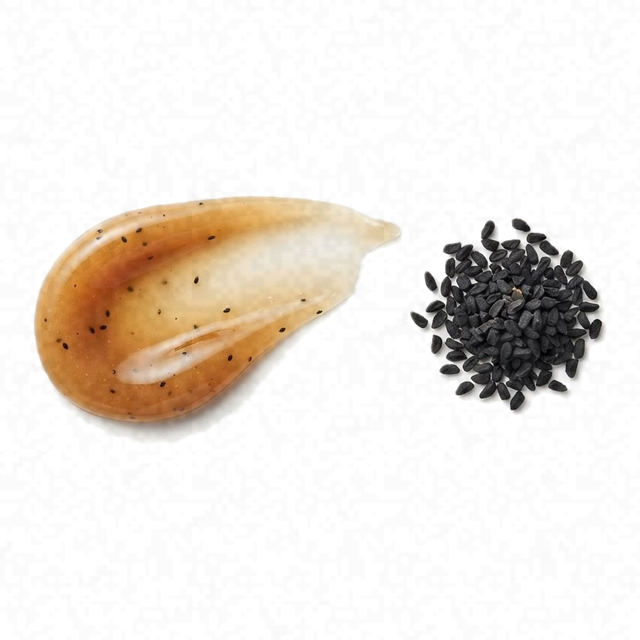 Nigella Sativa Seed Oil
 Ascorbyl Palmitate Ascorbic Acid
 Panthenol
Average
- AverageOily Skin Fit
- AverageEffectiveness
- ExcellentSafety
Works for oily acne-prone skin; other toners fit it better.
This fit is calculated for the concerns frequently associated with oily acne-prone skin: shine, breakouts, blemishes, and enlarged pores. For scores and recommendations based on your full skin profile, including your 12D face scan results and any goals or preferences you have, please use the Lovi app.
Page built Nov 8, 2026How the Fit score works
Lovi Assistant explains
- Offers moderate suitability for oily skin, as niacinamide helps with seboregulation, but it lacks sufficient potent ingredients for optimal oil control, and sodium hyaluronate and panthenol provide hydration without directly targeting your acne, blemishes, and breakouts.
- The formula is safe for your oily skin due to the absence of harsh ingredients and the inclusion of soothing components like niacinamide and panthenol.
- It provides excellent hydration with high concentrations of sodium hyaluronate and panthenol, which are beneficial for general skin health.
How to apply
- Could be used as part of your AM or PM routine. Start using it 3 times a week and move to daily use if your skin feels fine.
- Apply your hydrating toner after cleansing and before putting on your moisturizer or SPF.
- Gently press 2-3 drops of the hydrating toner into your skin with your hands. Let it ⏱absorb for a minute before adding your next product.
- Applying the hydrating toner on slightly damp skin helps your face absorb it better. This keeps your oily skin balanced and hydrated.
- Be sure to avoid the eye area when applying. Do a patch test before your first use to check for any reaction.
People Say
★4.9Overall rating based on 100+ reviewsBased on limited data, this serum-infused toner is highly praised for its ability to deeply hydrate and repair the skin's moisture barrier, making it particularly beneficial for dry, sensitive, or retinol-treated skin. Users frequently report a soothing effect that reduces redness and tightness, leaving the skin looking plump and dewy. While generally well-received, some users find the product to be expensive and note occasional availability issues.
Highlights
Deep hydration Mostly Mentioned
- “healed my damaged barrier”
- “skin just felt hydrated”
- “stopped pouring oils on it”
Soothing and calming Often Mentioned
- “calms redness”
- “soothes sensitive skin”
- “no sting”
Dewy finish Sometimes Noted
- “plump, dewy skin”
- “silky coat of moisture”
- “skin looks luminous”
Retinol companion Sometimes Noted
- “ideal for retinol users”
- “decreases sensitivity”
- “helps with flakiness”
High price point Sometimes Noted
- “expensive”
- “pricey”
- “not worth the price tag”
Availability issues Rarely Noted
- “backordered”
- “DTC only”
- “not in major stores”
Heavy for oily skin Rarely Noted
- “too hydrating for oily skin”
- “better for dry skin”
- “rich texture”
Ingredient concerns Rarely Noted
- “Ascorbyl Palmitate is icky”
- “contains silicones”
- “vitamin C derivative ineffective”
Sources: lovi.care, reneerouleau.com, reddit.com, incidecoder.com, skinsort.com, refinery29.com, and more
Questions and answers
How well does Moisture Infusion Toner work for oily acne-prone skin?
Renée Rouleau Moisture Infusion Toner works moderately well for oily acne-prone skin, as niacinamide helps balance oil while sodium hyaluronate and panthenol provide hydration without directly targeting blemishes. A product for this skin needs lightweight, non-comedogenic ingredients that deeply hydrate and control excess oil while actively targeting breakouts without causing irritation.
The Journal of Dermatological Treatment, 2017Journal of Cosmetic Dermatology, 2025
Which ingredients make this toner a good fit for oily acne-prone skin?
Niacinamide, sodium hyaluronate, and panthenol make this toner a good fit for oily acne-prone skin by helping balance oil and providing deep hydration. To work best for this skin type, a toner of this type needs lightweight, non-greasy ingredients that directly target breakouts and control excess oil.
The Journal of Dermatological Treatment, 2017American Journal of Clinical Dermatology, 2002
What does Hyaluronic Acid do for oily acne-prone skin?
Hyaluronic acid helps calm oily acne-prone skin by reducing sebum production and lipid synthesis in sebaceous glands. It also supports skin barrier function and improves hydration while helping deliver treatments without causing irritation.
The Journal of Investigative Dermatology, 2017Journal of Cosmetic Dermatology, 2022
What does Niacinamide do for oily acne-prone skin?
Niacinamide helps balance oil production, calms redness, and is unlikely to irritate oily, acne-prone skin while improving blemishes. Clinical tests show it reduces excess oil and helps clear up both inflammatory and non-inflammatory acne breakouts.
Journal of Cosmetic and Laser Therapy, 2006Journal of Cosmetic Dermatology, 2024
Where does this toner go in a skincare routine for oily acne-prone skin?
This hydrating toner fits into your morning routine right after cleansing and before your moisturizer. In weekly routines, it goes on after your cleansing mask to help restore skin moisture.
The Journal of Dermatological Treatment, 2022The Journal of Dermatological Treatment, 2017
Can I use this toner with retinol, and in what order?
You can use this toner with your retinol, applying it right after cleansing and before your retinol treatment. It provides gentle hydration and is safe for your skin, though an oily acne-prone skin type needs stronger ingredients dedicated to oil control and blemishes to see a better fit.
How often should I use this toner?
You can use this hydrating toner daily in your morning routine after cleansing and before moisturizing. It is safe for your skin, but because it has only moderate oil control, oily acne-prone skin also needs products with stronger oil-balancing and blemish-clearing ingredients for the best fit.
International Journal of Cosmetic Science, 2020The Journal of Dermatological Treatment, 2017
Can this toner clog pores, cause breakouts or purging for oily acne-prone skin?
This toner is unlikely to clog pores or cause breakouts because it has a safe formula without harsh ingredients, though it lacks strong oil-control ingredients. Oily acne-prone skin often needs a toner with powerful blemish-fighting and oil-regulating ingredients.
The Journal of Dermatological Treatment, 2017American Journal of Clinical Dermatology, 2002
Is this toner fragrance-free and alcohol-free?
Yes, it has no fragrance and no drying alcohol.
What the research says
A new topical panthenol-containing emollient significantly improved transepidermal water loss reduction, stratum corneum hydration, and intercellular lipid lamellae length compared with control in healthy subjects without negatively impacting bacterial viability.
The Journal of Dermatological Treatment, 2017A panthenol-enriched mask significantly decreased erythema and hyperpigmentation, increased sebum and stratum corneum moisture, and reduced transepidermal water loss compared to a saline dressing in 60 subjects undergoing facial laser treatment.
Journal of Cosmetic Dermatology, 2025Topical dexpanthenol acts as a moisturizer, improves stratum corneum hydration, accelerates wound healing and epidermal regeneration, reduces erythema, and improves symptoms of skin irritation compared to vehicle or no pretreatment.
American Journal of Clinical Dermatology, 2002A topical gel containing chitosan, chlorhexidine, allantoin, and dexpanthenol significantly reduced postoperative pain, trismus, swelling, and analgesic consumption, while improving wound healing after third molar surgery compared to a placebo.
Medicina Oral, Patologia Oral Y Cirugia Bucal, 2020Topical hyaluronic acid filler serum combined with Botulinum toxin type A lengthened the duration of the toxin's effect in reducing wrinkles compared to Botulinum toxin type A alone.
Dermatologic Therapy, 2022Topical application of 0.1% hyaluronic acid formulations of different molecular weights led to significant improvements in skin hydration and elasticity, with low-molecular-weight formulations also significantly reducing wrinkle depth in seventy-six female subjects compared to a vehicle control.
Journal of Drugs in Dermatology, 2011Topical application of hyaluronic acid in conjunction with free gingival graft significantly reduced donor site postoperative pain until day 7 compared to normal saline, with no significant differences in graft dimensions or patient satisfaction.
Clinical Oral Investigations, 2022Treatment with a hyaluronic acid-containing mouth rinse or topical gel led to significant lesion reduction, pain relief, and normalization of lesion color in adult patients with minor recurrent aphthous stomatitis, with the gel formulation showing an earlier healing onset at 3 days.
BMC Oral Health, 2019Topical post-laser application of human adipocyte-derived mesenchymal stem cell media combined with niacinamide significantly improved wrinkle index, melanin index, patient satisfaction, and investigator esthetic improvement scores compared to vehicle cream in patients with aging skin.
Journal of Cosmetic Dermatology, 2021Topical nicotinamide prevented solar-simulated UV-induced immunosuppression in healthy volunteers, and men experienced immunosuppression at solar-simulated UV doses three times lower than those required for women.
The Journal of Investigative Dermatology, 2008Topical 5% niacinamide applied twice daily for 12 weeks reduced fine lines and wrinkles, hyperpigmented spots, red blotchiness, and skin sallowness, and improved skin elasticity compared to vehicle control in 50 female white subjects with facial photoaging.
Dermatologic Surgery, 2005Thymoquinone-loaded liposomal chitosan gel demonstrated superior in vivo anti-inflammatory activity over thymoquinone gel and a comparable effect to marketed indomethacin gel in rats with carrageenan-induced paw edema.
AAPS PharmSciTech, 2018Thymoquinone pre-treatment attenuated UVA-induced oxidative stress, inflammation, and mitochondrial apoptosis in human HaCaT keratinocytes through COX-2 inhibition via the activation of the NrF2/ARE pathway.
Molecular Immunology, 2021Topical application of thymoquinone treated with cold plasma significantly improved wound healing potential, augmenting skin regeneration indices, reducing tumor necrosis factor-alpha, and enhancing hyaluronic acid, collagen type I, interleukin-10, alpha smooth muscle actin, and vascular endothelial growth factor compared to thymoquinone alone in a rat wound model.
International Immunopharmacology, 2023Topical application of 5% vitamin C cream significantly improved global clinical scores, increased skin microrelief density, and induced elastic tissue repair in photoaged skin compared to excipient control in healthy female volunteers.
Experimental Dermatology, 2003Ascorbic acid 2-glucoside gel significantly reduced gingival melanin pigmentation after 4 weeks compared to placebo in 73 subjects with symmetric pigmentation.
Journal of Periodontology, 2009Topical application of VC-IP cream twice daily for 8 weeks reduces periorbital wrinkles in female subjects compared to a placebo cream.
Journal of Cosmetic Dermatology, 2022Moisturizer containing 5% panthenol, madecassoside, and copper-zinc-manganese decreased adverse reactions and downtime after ablative fractional carbon dioxide laser resurfacing with comparable efficacy to 0.02% triamcinolone acetonide cream in 20 subjects.
Journal of Cosmetic Dermatology, 2019Topical dexpanthenol formulated in lipophilic vehicles improved stratum corneum hydration and reduced transepidermal water loss compared to vehicle control in humans.
Arzneimittel-Forschung, 2000Hyaluronic acid, hyaluronic acid plus dexpanthenol, and isotonic saline nasal sprays all significantly improved dry nose symptoms over four weeks in 240 patients, with hyaluronic acid plus dexpanthenol providing superior nasal moisturisation compared to the other two.
Auris, Nasus, Larynx, 2020
Ingredients
Water, Propanediol, Cyclopentasiloxane, Laureth-4, Nigella Sativa Seed Oil, Dimethicone, Rubus Leucodermis Seed Oil Black Raspberry Seed Oil, Sodium Hyaluronate, Tocopherol, Ascorbyl Palmitate Ascorbic Acid, Niacinamide, Moisturizing Lipid, Superoxide Dismutase, Beta-Carotene, Retinyl Palmitate, Panthenol, Acrylates C10-30 Alkyl Acrylate Crosspolymer, Tromethamine, Disodium Edta, Sodium Benzoate, Ethylhexylglycerin, Phenoxyethanol Water-Binding, Rosewood Oil Wood
Behind this fit score
Lovi calculates every fit score from the full ingredient list with brand-independent rules our dermatologists and cosmetic chemists build and review, and personalizes every pick with AI trained on the real results of millions of users. Lovi trains its fit score models on a proprietary dataset built from more than 10,000 expert-labeled products and more than 100,000 simulated examples, following an internally consistent methodology presented at Cosmoprof, AMWC, and Skin of Color Update.
-

Co-founder, Medical Director
Cosmetic chemist, cosmetologist, aesthetic products developer
-

Co-founder, CEO and CTO
PhD in computer science, 3x US patent holder, ex-Google, ex-Yandex
-

Dr. Sofía Perea Pérez, MD, MSc
Medical Board
Aesthetic medicine practitioner, MSc in Longevity and Anti-Aging Medicine
-

Medical Board
Specialist dermatologist, MBBS, MD, IFAAD
-

Medical Board
Cosmetic chemist, SCS, IFSCC member
-

Medical Board, Medical Advisor
Dermatology MD
-

Elina Nazarenko, MD
Medical Board
Dermatology and diagnostic consultant
-

Victoria Derkova, MS
Medical Board
Cosmetic chemist, cosmetic development technologist


How does it fit your skin?
Scan your face, then any product: Lovi shows how well it fits you and what fits even better.