Perricone MD High Potency Retinol Recovery Overnight Moisturizer for oily acne-prone skin

 Retinol
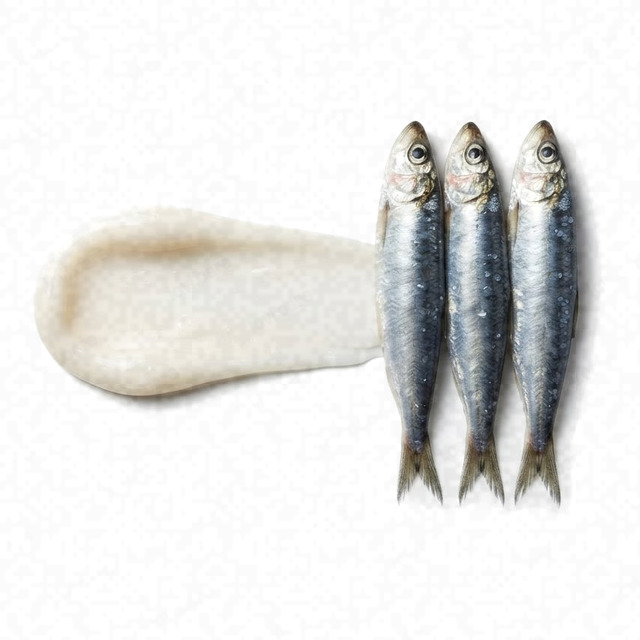 Dmae
 Sodium Hyaluronate
 Squalane
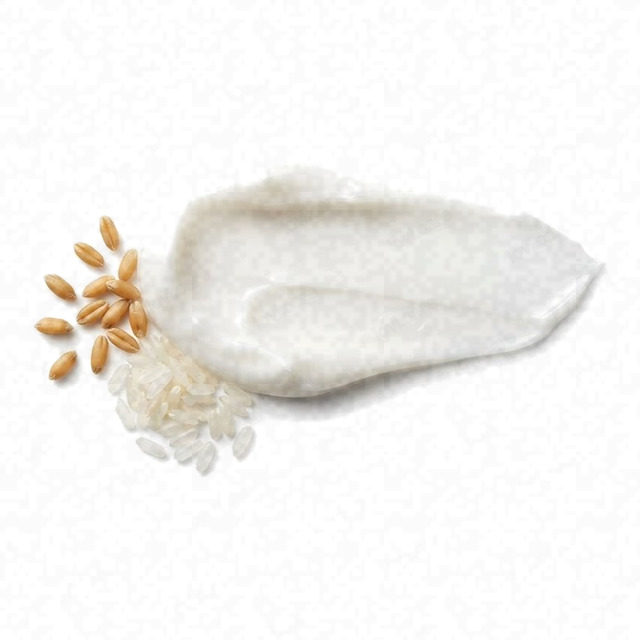 Ceramide Np
Average
- AverageOily Skin Fit
- AverageEffectiveness
- HighSafety
Works for oily acne-prone skin; other moisturizers fit it better.
- Clinical, Cosmetic and Investigational Dermatology, 2017
- International Journal of Cosmetic Science, 2017
This fit is calculated for the concerns frequently associated with oily acne-prone skin: shine, breakouts, blemishes, and enlarged pores. For scores and recommendations based on your full skin profile, including your 12D face scan results and any goals or preferences you have, please use the Lovi app.
Page built Nov 8, 2026How the Fit score works
Lovi Assistant explains
- Offers moderate suitability for your oily skin as retinol and retinyl linoleate promote cell turnover and regulate sebum production, addressing acne and breakouts. Sodium hyaluronate and glycerin provide essential hydration, smoothing texture without exacerbating oiliness.
- The inclusion of rosemary leaf extract and tocopherol offers antioxidant protection and soothing benefits, which are beneficial for maintaining overall skin health.
- The product is safe for your skin, with no reported risks of irritation due to the absence of harsh ingredients and the presence of soothing components.
How to apply
- Use this AM and PM routine every day to help clear your skin. Always remember to finish with SPF in the morning.
- Apply the moisturizer after your cleanser and toner, right before your SPF during the day.
- Gently press a small amount into your skin and avoid rubbing to keep pores clear.
- Apply on clean, slightly damp skin to help the product absorb better and control oil.
- Avoid the sensitive eye area and do a simple patch test before your first use.
Questions and answers
How well does Perricone MD Retinol Recovery Overnight Moisturizer work for oily acne-prone skin?
This moisturizer works reasonably well for oily acne-prone skin, as it helps clear breakouts and hydrates without adding extra oil. However, an ideal product for this skin type needs lightweight hydration, barrier-repairing ceramides, and blemish-clearing ingredients that do not clog pores.
Clinical, Cosmetic and Investigational Dermatology, 2017International Journal of Cosmetic Science, 2017
Which ingredients make this cream a good fit for oily acne-prone skin?
Retinol and retinyl linoleate make this cream a good fit for oily acne-prone skin by helping regulate oil production and clear breakouts, while sodium hyaluronate and glycerin provide lightweight hydration that smooths texture without adding extra oil. This skin type needs a product that uses hydrating ingredients and non-greasy, pore-clearing formulas to maintain moisture and manage blemishes without clogging pores.
Clinical, Cosmetic and Investigational Dermatology, 2017International Journal of Cosmetic Science, 2017
What does Retinol do for oily acne-prone skin?
Retinol helps oily acne-prone skin by clearing up breakouts and smoothing the skin, though it may occasionally cause some mild scaling or stinging. This ingredient works by addressing the root causes of acne, making it a reliable choice for keeping pores clear and skin smooth.
American Journal of Clinical Dermatology, 2019Journal of Drugs in Dermatology, 2018
What does DMAE do for oily acne-prone skin?
DMAE is not formulated to treat oily or acne-prone skin, as it is primarily studied for smoothing lines and increasing firmness in aging skin. An average fit for oily and acne-prone skin needs lightweight ingredients that help clear pores and control excess oil without clogging.
American Journal of Clinical Dermatology, 2005Skin Research and Technology, 2002
Where does this cream go in a skincare routine for oily acne-prone skin?
This treatment goes in the evening routine after cleansing and before your moisturizer. Oily acne-prone skin needs lightweight hydration and ingredients that balance oil without clogging pores, such as hyaluronic acid and niacinamide.
International Journal of Cosmetic Science, 2020Clinical, Cosmetic and Investigational Dermatology, 2017
Can I use this cream with vitamin C, and in what order?
You can use this cream and vitamin C in the same routine, but apply vitamin C in the morning and save this treatment for the evening. Using them at separate times of day helps prevent potential irritation while still giving your skin both antioxidant protection and blemish-fighting benefits. Oily acne-prone skin of this type needs lightweight hydrators and gentle soothing ingredients to keep pores clear and calm.
How often should I use this cream?
This cream works best in your evening routine as a treatment step, applied after cleansing and toning. Oily acne-prone skin needs a lighter, oil-free treatment fluid or gel with salicylic acid and niacinamide to better control breakouts and shine.
Can this cream clog pores, cause breakouts or purging for oily acne-prone skin?
This cream is unlikely to clog pores or cause irritation on oily acne-prone skin, as it features soothing ingredients and a safe profile, while the retinol and retinyl linoleate inside may cause mild initial purging as they regulate oil and promote cell renewal. Because other products fit your skin better, an ideal choice for oily acne-prone skin should provide lightweight hydration and cell turnover without heavy oils or rich butters.
Clinical, Cosmetic and Investigational Dermatology, 2017International Journal of Cosmetic Science, 2017
Can I use this cream around the eyes or on my body?
You can use this cream on your body, but it is not specifically designed or tested for the thin skin around the eyes.
Is this cream fragrance-free and alcohol-free?
It has no drying alcohol and contains fragrance (parfum, citronellol, geraniol, and eugenol). Cetearyl alcohol and behenyl alcohol are fatty alcohols, which soften the skin.
What the research says
A single application of a moisturizing fluid containing hyaluronic acid 1%, glycerin 5%, and Centella asiatica stem cells extract significantly increased skin hydration by 29% and reduced transepidermal water loss at 24 hours compared to baseline and an untreated control site in twenty healthy women.
Clinical, Cosmetic and Investigational Dermatology, 2017Topical 0.4% retinol significantly increased epidermal thickness, dermal vascularity, and extracellular matrix production by stimulating keratinocyte proliferation, endothelial cell proliferation, and fibroblast activation in naturally aged human skin compared to vehicle.
International Journal of Cosmetic Science, 2017Topical bakuchiol 0.5% applied twice daily compared with retinol 0.5% applied daily significantly decreased wrinkle surface area and hyperpigmentation with no statistical difference between the compounds in 44 patients over 12 weeks, while retinol users reported more facial skin scaling and stinging.
The British Journal of Dermatology, 2019Silicone particles encapsulating retinol increased its half-life by 9-fold and yielded 12-23% lower skin irritation in human subjects compared to Microsponge particles while maintaining biological activity.
Journal of Controlled Release, 2018Topical stabilized retinol treatment induced HAS gene expression and increased hyaluronic acid production in human skin in vitro, ex vivo, and in vivo compared to vehicle.
Archives of Dermatological Research, 2017Daily application of 3% DMAE facial gel for 16 weeks safely and efficaciously mitigates forehead lines and periorbital fine wrinkles, improves lip shape and fullness and overall aging skin appearance, and increases skin firmness compared to placebo.
American Journal of Clinical Dermatology, 2005A gel containing 3% 2-dimethylaminoethanol (DMAE) increased skin firmness, demonstrated by increased shear wave velocity in 30 volunteers compared to a formulation without DMAE.
Skin Research and Technology, 2002A DMAE-based formulation increased dermal and collagen fiber thickness in hairless mice and enhanced stratum corneum water content in human forearm skin compared to control formulations, without significantly modifying mechanical properties.
Die Pharmazie, 2009Topical application of 0.1% hyaluronic acid formulations of different molecular weights led to significant improvements in skin hydration and elasticity, with low-molecular-weight formulations also significantly reducing wrinkle depth in seventy-six female subjects compared to a vehicle control.
Journal of Drugs in Dermatology, 2011Topical application of hyaluronic acid in conjunction with free gingival graft significantly reduced donor site postoperative pain until day 7 compared to normal saline, with no significant differences in graft dimensions or patient satisfaction.
Clinical Oral Investigations, 2022Treatment with a hyaluronic acid-containing mouth rinse or topical gel led to significant lesion reduction, pain relief, and normalization of lesion color in adult patients with minor recurrent aphthous stomatitis, with the gel formulation showing an earlier healing onset at 3 days.
BMC Oral Health, 2019Squalane at 0.005-0.015% counteracts UVA-induced oxidative stress, inflammation, and collagen metabolism inhibition while stimulating fibroblast migration in human dermal fibroblasts.
Molecules, 2025Plant-derived squalane protected human dermal fibroblasts against UVA-induced damage by counteracting ROS formation, suppressing apoptosis-related proteins p53, caspase-3, caspase-9, and PARP, and restoring the pro-survival p-Akt/mTOR pathway.
Antioxidants, 2025
Ingredients
Water, Caprylic Capric Triglyceride, C12-15 Alkyl Benzoate, Propanediol, Shea Ethyl Esters Butter, Dicaprylyl Carbonate, Cetearyl Alcohol, Dimethicone, Squalane, Behenyl Alcohol, Hydrogenated Glycerides, Isoamyl Laurate, Aleurites Moluccana Seed Oil, Glyceryl Stearate, Peg-100 Stearate, Hydrogenated Oil, Hydrogenated Soybean Oil, Ceteareth-20, Glycerin, Phenoxyethanol, Polysilicone-11, Sodium Stearoyl Glutamate, Hydrogenated Olive Oil, Citric Acid, Dimethyl Mea, Petrolatum, Hydrogenated Jojoba Oil, Ethylhexylglycerin, Retinol, Retinyl Linoleate, Xanthan Gum, Polysorbate 20, Parfum, Tetrasodium Glutamate Diacetate, Helianthus Annuus Seed Oil Sunflower Seed Oil, Glycine Soja Soybean Lipids, Maltodextrin, Pentylene Glycol, Cetyl Palmitate, Laureth-23, Disodium Acetyl Glucosamine Phosphate, Sodium Glucuronate, Nephelium Lappaceum Leaf Extract, Sodium Acetylated Hyaluronate, Sodium Hyaluronate, Ceramide Np, Sodium Hydroxide, Trideceth-6 Phosphate, Magnesium Aspartate, Zinc Gluconate, Rosmarinus Officinalis Leaf Extract Rosemary Leaf Extract, Magnesium Sulfate, Sodium Hyaluronate Crosspolymer, Phytosterols, Tocopherol, Copper Gluconate, Citronellol, Geraniol, Hydroxycitronellal, Eugenol
Behind this fit score
Lovi calculates every fit score from the full ingredient list with brand-independent rules our dermatologists and cosmetic chemists build and review, and personalizes every pick with AI trained on the real results of millions of users. Lovi trains its fit score models on a proprietary dataset built from more than 10,000 expert-labeled products and more than 100,000 simulated examples, following an internally consistent methodology presented at Cosmoprof, AMWC, and Skin of Color Update.
-

Co-founder, Medical Director
Cosmetic chemist, cosmetologist, aesthetic products developer
-

Co-founder, CEO and CTO
PhD in computer science, 3x US patent holder, ex-Google, ex-Yandex
-

Dr. Sofía Perea Pérez, MD, MSc
Medical Board
Aesthetic medicine practitioner, MSc in Longevity and Anti-Aging Medicine
-

Medical Board
Specialist dermatologist, MBBS, MD, IFAAD
-

Medical Board
Cosmetic chemist, SCS, IFSCC member
-

Medical Board, Medical Advisor
Dermatology MD
-

Elina Nazarenko, MD
Medical Board
Dermatology and diagnostic consultant
-

Victoria Derkova, MS
Medical Board
Cosmetic chemist, cosmetic development technologist


How does it fit your skin?
Scan your face, then any product: Lovi shows how well it fits you and what fits even better.