Nécessaire The Body Retinol for oily skin

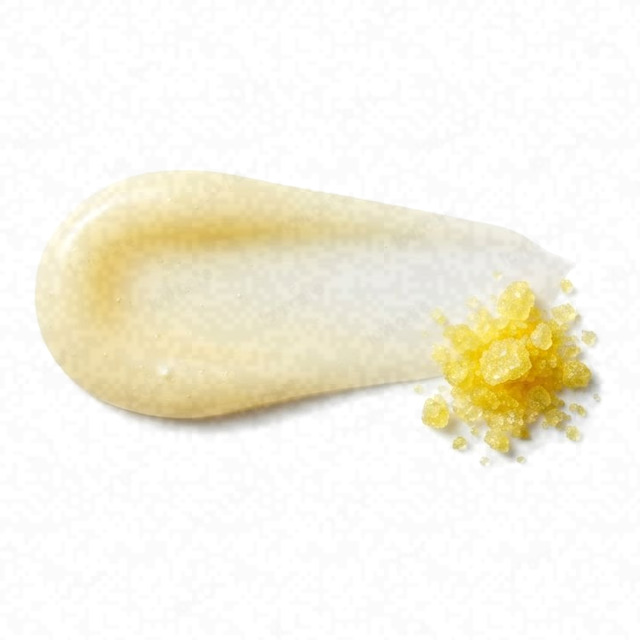 Retinol
 Glycolic Acid
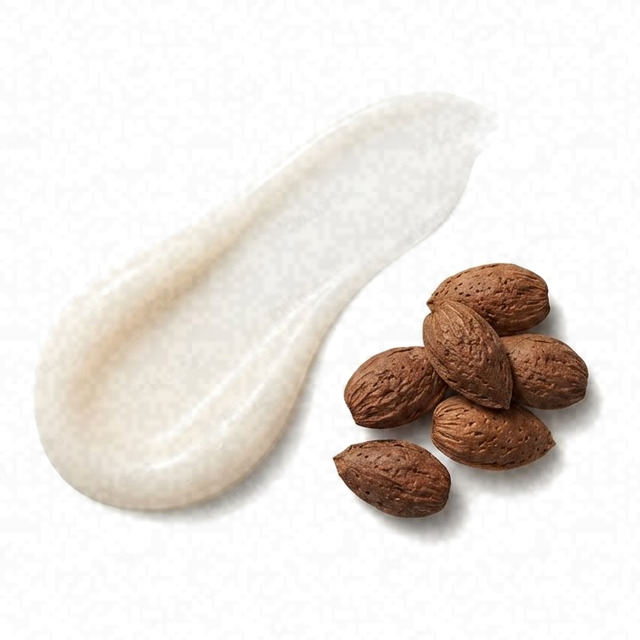 Mandelic Acid
 Niacinamide
 Sodium Hyaluronate
Caution
- AverageOily Skin Fit
- HighEffectiveness
- RiskySafety
A poor match for oily skin; the serums alongside fit it better.
This fit is calculated for the concerns frequently associated with oily skin: shine, enlarged pores, blackheads, and blemishes. For scores and recommendations based on your full skin profile, including your 12D face scan results and any goals or preferences you have, please use the Lovi app.
Page built Nov 8, 2026How the Fit score works
Lovi Assistant explains
- Offers moderate exfoliation for your oily skin due to the presence of glycolic acid and mandelic acid, which can help smooth and refine your skin, but may pose a risk of over-exfoliation leading to increased oiliness.
- While retinol and peptides provide excellent anti-aging and smoothing effects, the formula lacks sufficient seboregulating ingredients to optimally manage your oily shine.
How to apply
- Use this serum in your PM routine. Start by applying it 3 times a week and build up to daily use if your skin tolerates it well.
- Apply the serum after cleansing and toning, but right before your moisturizer for the best results.
- Gently press 2-3 drops of the serum into your skin. Let it absorb ⏱ for a minute before applying the next product.
- Apply the serum on clean and dry skin since your skin is not sensitive and you want to target oily shine. This helps control excess oil throughout the night.
- Avoid the delicate eye area and do a patch test before using the serum for the very first time.
People Say
★4.3Overall rating based on 2.4k+ reviewsBased on a very large amount of data, this body retinol is highly praised for improving skin texture and reducing crepey skin and hyperpigmentation. Users with various skin types find the formula gentle and non-irritating, though it is noted to function best as a treatment serum requiring a follow-up moisturizer for hydration.
Highlights
Improves skin texture Mostly Mentioned
- “My skin is completely transformed; any texture on my legs, gone.”
- “I've noticed a real improvement in my skin's texture - smoother, more even.”
- “Genuinely smooths and restores skin texture.”
Expensive price point Mostly Mentioned
- “It is pricey, and you will notice how fast the bottle empties.”
- “Very expensive for the size.”
- “The size is small for the price.”
Absorbs quickly Often Mentioned
- “It absorbs quickly, feels nourishing, and has been gentle on my skin.”
- “The lightweight formula absorbs quickly leaving behind no sticky or greasy residue.”
- “It absorbs instantly.”
Gentle, non-irritating Often Mentioned
- “I have been using it for almost a month, no irritation, no redness.”
- “It didn't irritate my skin which can sometimes be a concern.”
- “Works well when used consistently without irritation.”
Effective for KP Sometimes Noted
- “Amazing for KP.”
- “Fading and diminishing all bumps and blemishes with each application.”
- “Finally curing my bumpy skin.”
Not deeply moisturizing Sometimes Noted
- “It does not feel instantly moisturising, it is a treatment not a lotion.”
- “On its own, it does not give that comforting hydrated feeling.”
- “Some might find it a bit too minimal if you're used to richer creams.”
Packaging issues Sometimes Noted
- “The lid does not stay on very securely.”
- “The bottle does not open; you cannot unscrew the top to get extra product.”
- “Tragic because you can't get all the product out.”
Strong scent Rarely Noted
- “Everything was great except for the smell.”
- “Some mention the scent is strong or unpleasant.”
- “There is a very faint clinical scent.”
Sources: lovi.care, necessaire.com, dermapproved.com, goop.com, elestyled.com, reddit.com, and more
Questions and answers
Why does Lovi advise caution with Nécessaire The Body Retinol for oily skin?
Lovi advises caution because this treatment may cause over-exfoliation on oily skin, which can lead to increased oiliness. A product for this skin needs ingredients like niacinamide and zinc PCA to control excess oil and shine without causing irritation.
Which ingredients make this treatment a poor fit for oily skin?
Glycolic acid and mandelic acid make this treatment a poor fit for your oily skin because they can cause over-exfoliation and lead to increased oiliness. To properly care for oily skin, a product of this type needs ingredients like niacinamide, zinc PCA, and balancing extracts that control sebum production and manage shine without causing irritation.
What does Retinol do for oily skin?
Retinol helps oily skin by keeping pores clear and balancing sebum production, which may reduce shine and breakouts. Because it can sometimes cause dryness or peeling in the beginning, starting slowly is recommended.
What does Glycolic Acid do for oily skin?
Glycolic acid helps clear away dead skin and excess oil for a smooth, clean feel. It gently removes buildup from the surface, which keeps pores clear and skin looking fresh.
Molecules, 2023Journal of the European Academy of Dermatology and Venereology, 2011
Where does this treatment go in a skincare routine for oily skin?
This treatment goes in the evening routine. Oily skin of this type needs lightweight ingredients that help control shine and manage oil while smoothing the skin.
Can I use it with vitamin C, and in what order?
You can use this treatment with vitamin C by applying vitamin C in your morning routine and this treatment at night, as using them together may cause irritation. This product is a poor match for oily skin because it lacks sufficient oil-controlling ingredients to manage shine.
How often should I use this treatment?
This treatment is a poor match for oily skin because it offers moderate exfoliation and smoothing but lacks enough oil-controlling ingredients, which may risk over-exfoliation and more oiliness. To use it, start just once a week in your evening routine, and only use it more often if your skin tolerates it well and shows good results. Oily skin needs targeted oil-controlling ingredients like niacinamide and salicylic acid alongside lighter hydrators to keep shine in check.
Can it clog pores, cause breakouts or purging for oily skin?
This product may cause irritation or increased oiliness for oily skin due to the risk of over-exfoliation from its acids. A product of this type needs stronger oil-balancing ingredients to manage shine and keep pores clear for this skin type.
Is it fragrance-free and alcohol-free?
Yes, it has no fragrance and no drying alcohol. Cetearyl alcohol is a fatty alcohol, which soften the skin.
What the research says
Topical 0.4% retinol significantly increased epidermal thickness, dermal vascularity, and extracellular matrix production by stimulating keratinocyte proliferation, endothelial cell proliferation, and fibroblast activation in naturally aged human skin compared to vehicle.
International Journal of Cosmetic Science, 2017Topical bakuchiol 0.5% applied twice daily compared with retinol 0.5% applied daily significantly decreased wrinkle surface area and hyperpigmentation with no statistical difference between the compounds in 44 patients over 12 weeks, while retinol users reported more facial skin scaling and stinging.
The British Journal of Dermatology, 2019Silicone particles encapsulating retinol increased its half-life by 9-fold and yielded 12-23% lower skin irritation in human subjects compared to Microsponge particles while maintaining biological activity.
Journal of Controlled Release, 2018Repeated short-contact 70% glycolic acid peels provided superior results in atrophic acne scars compared to daily low-strength glycolic acid cream or placebo in 58 women over 24 weeks.
International Journal of Dermatology, 2000Serial glycolic acid peels combined with a modified Kligman formula significantly reduced facial PIH severity in Indian patients compared to the modified Kligman formula alone.
Dermatologic Surgery, 2017Treatment with 45% mandelic acid peel showed nearly equal overall efficacy as 30% salicylic acid peel in patients with mild-to-moderate facial acne vulgaris, but with fewer adverse effects.
Journal of Cosmetic Dermatology, 2020Chemical peels using 35% glycolic acid, 20% salicylic-10% mandelic acid, and phytic acid reduce acne scores by 70.55%, 74.14%, and 69.7% respectively, and significantly decline the postacne hyperpigmentation index in Asian patients with mild to moderate acne.
Journal of Cutaneous and Aesthetic Surgery, 2019Commonly used chemical peels showed no significant differences in effectiveness for acne vulgaris in most comparisons, though combined salicylic and mandelic acid peeling was superior to glycolic acid and glycolic acid was superior to placebo, based on twelve randomized controlled trials.
BMJ Open, 2018Topical post-laser application of human adipocyte-derived mesenchymal stem cell media combined with niacinamide significantly improved wrinkle index, melanin index, patient satisfaction, and investigator esthetic improvement scores compared to vehicle cream in patients with aging skin.
Journal of Cosmetic Dermatology, 2021Topical nicotinamide prevented solar-simulated UV-induced immunosuppression in healthy volunteers, and men experienced immunosuppression at solar-simulated UV doses three times lower than those required for women.
The Journal of Investigative Dermatology, 2008Topical 5% niacinamide applied twice daily for 12 weeks reduced fine lines and wrinkles, hyperpigmented spots, red blotchiness, and skin sallowness, and improved skin elasticity compared to vehicle control in 50 female white subjects with facial photoaging.
Dermatologic Surgery, 2005Topical application of 0.1% hyaluronic acid formulations of different molecular weights led to significant improvements in skin hydration and elasticity, with low-molecular-weight formulations also significantly reducing wrinkle depth in seventy-six female subjects compared to a vehicle control.
Journal of Drugs in Dermatology, 2011Topical application of hyaluronic acid in conjunction with free gingival graft significantly reduced donor site postoperative pain until day 7 compared to normal saline, with no significant differences in graft dimensions or patient satisfaction.
Clinical Oral Investigations, 2022Treatment with a hyaluronic acid-containing mouth rinse or topical gel led to significant lesion reduction, pain relief, and normalization of lesion color in adult patients with minor recurrent aphthous stomatitis, with the gel formulation showing an earlier healing onset at 3 days.
BMC Oral Health, 2019
Ingredients
Water, Glycolic Acid, Mandelic Acid, Caprylic Capric Triglyceride, Glycerin, Cetearyl Alcohol, Hydroxyethyl Acrylate Sodium Acryloyldimethyl Taurate Copolymer, Sodium Hydroxide, Coconut Alkanes, 1,2-Hexanediol, Cetearyl Olivate, Sorbitan Olivate, Propanediol, Silica, Silica Silylate, Magnesium Stearate, Niacinamide, Retinol, Sh-Oligopeptide-1, Sh-Oligopeptide-2, Sh-Polypeptide-1, Sh-Polypeptide-9, Sh-Polypeptide-11, Tocopherol, Tetrahexyldecyl Ascorbate, Bacillus Folic Acid Extract Ferment Filtrate, Cellulose Acetate Butyrate, C13-14 Alkane, C15-23 Alkane, Tricaprylin, Acetyl Glutamine, Pentaerythrityl Tetra-Di-T-Butyl Hydroxyhydrocinnamate, Lecithin, Hippophae Rhamnoides Oil Fruit, Coco-Caprylate Caprate, Decyl Glucoside, Sodium Hyaluronate, Caprylyl Glycol, Sodium Carbonate, Sodium Chloride, Ethylhexylglycerin, Hydroxyacetophenone
Behind this fit score
Lovi calculates every fit score from the full ingredient list with brand-independent rules our dermatologists and cosmetic chemists build and review, and personalizes every pick with AI trained on the real results of millions of users. Lovi trains its fit score models on a proprietary dataset built from more than 10,000 expert-labeled products and more than 100,000 simulated examples, following an internally consistent methodology presented at Cosmoprof, AMWC, and Skin of Color Update.
-

Co-founder, Medical Director
Cosmetic chemist, cosmetologist, aesthetic products developer
-

Co-founder, CEO and CTO
PhD in computer science, 3x US patent holder, ex-Google, ex-Yandex
-

Dr. Sofía Perea Pérez, MD, MSc
Medical Board
Aesthetic medicine practitioner, MSc in Longevity and Anti-Aging Medicine
-

Medical Board
Specialist dermatologist, MBBS, MD, IFAAD
-

Medical Board
Cosmetic chemist, SCS, IFSCC member
-

Medical Board, Medical Advisor
Dermatology MD
-

Elina Nazarenko, MD
Medical Board
Dermatology and diagnostic consultant
-

Victoria Derkova, MS
Medical Board
Cosmetic chemist, cosmetic development technologist


How does it fit your skin?
Scan your face, then any product: Lovi shows how well it fits you and what fits even better.