MISSHA Time Revolution Night Repair Ampoule for oily acne-prone skin

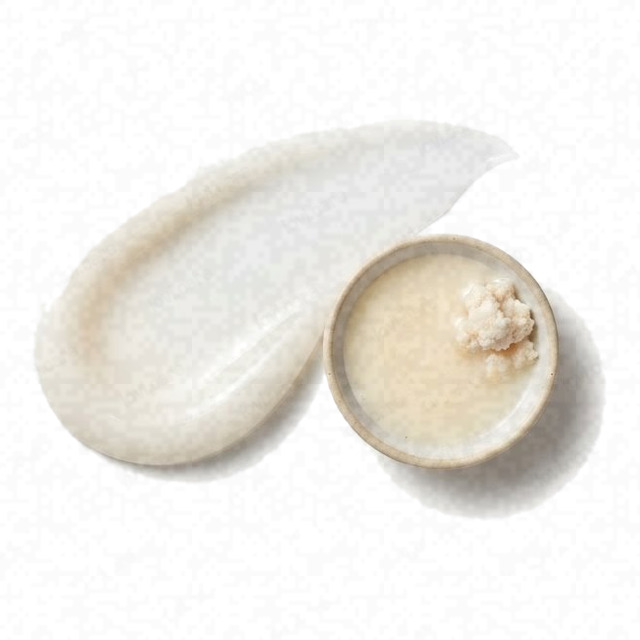 Bifida Lysate Ferment
 Niacinamide
 Retinol
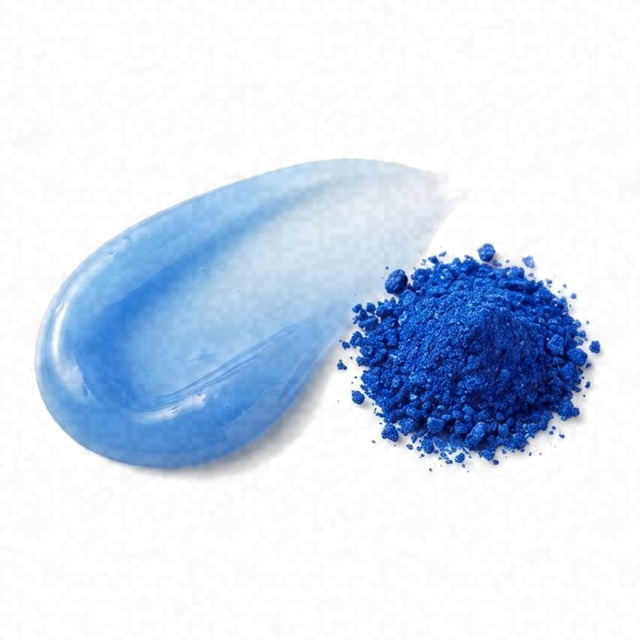 Copper Tripeptide-1
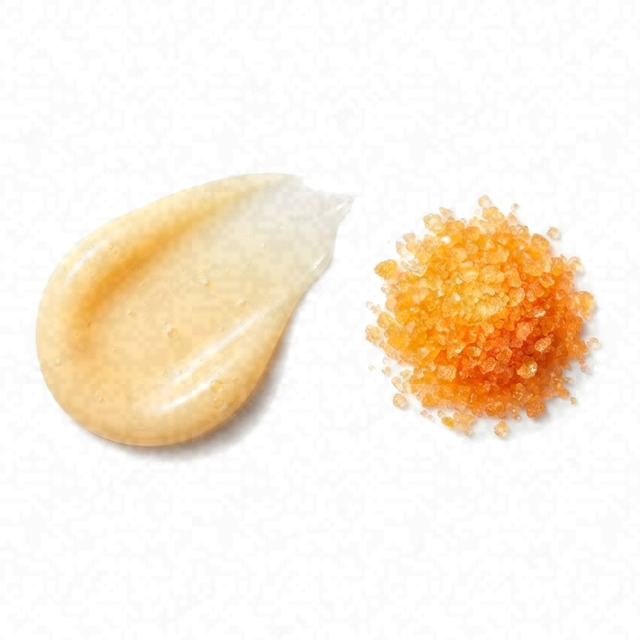 Ubiquinone
Average
- AverageOily Skin Fit
- AverageEffectiveness
- HighSafety
Works for oily acne-prone skin; other serums fit it better.
This fit is calculated for the concerns frequently associated with oily acne-prone skin: shine, breakouts, blemishes, and enlarged pores. For scores and recommendations based on your full skin profile, including your 12D face scan results and any goals or preferences you have, please use the Lovi app.
Page built Nov 8, 2026How the Fit score works
Lovi Assistant explains
- Offers moderate benefits for your oily skin, as bifida ferment lysate and niacinamide work to enhance barrier resilience and even skin tone, though it lacks targeted ingredients for significant acne treatment.
- Glycerin and niacinamide provide supportive hydration and soothing effects for your oily skin and acne concerns, but stronger seboregulation from additional potent ingredients would optimize results.
- The product is safe for your oily skin, with no risks of irritation due to the absence of harsh ingredients and the inclusion of soothing components like niacinamide and panthenol.
How to apply
- Could be used as part of your PM routine. Start 3 times a week and build up to daily use if your skin tolerates it well.
- Apply your serum after cleansing and toning, but before putting on your moisturizer.
- Gently press 2 to 3 drops of the serum into your skin and let it absorb for a minute.
- Apply the serum on clean, dry skin to help manage your blemishes safely.
- Do a patch test before your first use and avoid the delicate eye area.
People Say
★4.7Overall rating based on 4.1k+ reviewsBased on a very large amount of data, this anti-aging overnight treatment is highly regarded for its ability to deeply hydrate, plump, and brighten the skin, significantly improving texture and reducing fine lines, particularly for those with dry, mature, or dull complexions. While generally well-tolerated, a moderate number of users with sensitive or acne-prone skin reported experiencing breakouts or irritation, and a small number noted a sticky or oily feel and a noticeable herbal scent.
Highlights
Deeply hydrates skin Mostly Mentioned
- “It left my skin super hydrated, absorbed into the skin quite quickly.”
- “My skin feels noticeably more hydrated compared to when I skip it.”
- “It provided great hydration for my dry skin.”
- “This serum is very moisturizing with a non sticky texture!”
Brightens and adds glow Often Mentioned
- “I wake up with glowing skin.”
- “My complexion looks noticeably brighter and clearer with regular use.”
- “Giving the skin a radiant glow.”
- “Delivers real results, improved texture, brighter tone, and a consistent morning-after glow.”
Improves skin texture Often Mentioned
- “My skin texture became noticeably smoother and more supple.”
- “My skin immediately felt softer and smoother to the touch.”
- “Consistent, measurable improvements in texture, tone, and radiance.”
- “Making skin feel smoother, softer, and highly moisturized.”
Affordable luxury dupe Sometimes Noted
- “Often compared to Estee Lauder Advanced Night Repair at a fraction of the price.”
- “This product does what more expensive products do for a lot less money.”
- “Compared it favorably to the Estee Lauder Night Repair Serum but at a more affordable price point.”
- “Achieving roughly 80% of similar results at about 25% of the price.”
May cause breakouts Sometimes Noted
- “Suddenly I started getting deep breakouts, which was disappointing.”
- “Unfortunately I developed some blemishes after using it.”
- “My cheeks kept breaking out and it stung.”
- “I'm not sure why, but I think I'm getting deep breakouts now.”
Feels sticky or oily Rarely Noted
- “It's excessively oily. There's a limit to how much oil a product should have.”
- “Doesn't absorb completely, leaving an oily residue on the surface.”
- “Minor concerns about its stickiness and absorption time.”
- “The high oil content makes it a bit overwhelming for continuous use.”
Noticeable herbal scent Rarely Noted
- “There's a faint scent, slightly floral, slightly medicinal.”
- “It contains fragrant essentials oils such as lavender, bergamot and orange oil.”
- “Possibility of skin irritation from the added essential oils.”
- “There is a very light scent but I can't really pinpoint what it is exactly.”
Sources: lovi.care, iherb.com, target.com, sokoglam.com, hwahae.com, misshaus.com, and more
Questions and answers
How well does MISSHA Night Repair Ampoule work for oily acne-prone skin?
This product works moderately well for oily acne-prone skin, providing supportive hydration and even skin tone while remaining safe and gentle. To achieve optimal results for this skin type, a product needs effective ingredients like niacinamide and propolis or vitamin C that provide excellent skincare benefits, control excess oil, and address blemishes without any risk of irritation.
The British Journal of Dermatology, 2002Clinical, Cosmetic and Investigational Dermatology, 2017
Which ingredients make this serum a good fit for oily acne-prone skin?
Bifida ferment lysate, niacinamide, and glycerin make this serum a good fit by supporting barrier resilience and providing gentle hydration for oily skin. A product of this type needs additional potent ingredients for strong oil control, along with targeted blemish-fighting components like vitamin C or propolis to best manage oily acne-prone skin.
The British Journal of Dermatology, 2002Clinical, Cosmetic and Investigational Dermatology, 2017
What does Bifida Ferment Lysate do for oily acne-prone skin?
Bifida Ferment Lysate helps calm oily acne-prone skin by strengthening your skin barrier and lowering irritation. It is unlikely to clog pores and may help keep your skin feeling smooth and balanced.
Journal of Cosmetic Dermatology, 2023Experimental Dermatology, 2010
What does Niacinamide do for oily acne-prone skin?
Niacinamide helps balance oil production, calms redness, and is unlikely to irritate oily, acne-prone skin while improving blemishes. Clinical tests show it reduces excess oil and helps clear up both inflammatory and non-inflammatory acne breakouts.
Journal of Cosmetic and Laser Therapy, 2006Journal of Cosmetic Dermatology, 2024
Where does it go in a skincare routine for oily acne-prone skin?
This treatment goes in the evening routine after cleansing and toning, and before moisturizing. Oily acne-prone skin needs a product of this type to also include stronger blemish-fighting ingredients and oil-balancing components for optimal results.
Can I use this serum with AHA, and in what order?
You can use this treatment serum with an AHA by applying the AHA first after cleansing, letting it absorb, and then following with this serum. This product helps support skin barrier resilience and hydration, but to properly optimize results for oily and acne-prone skin, a routine of this type needs targeted acne-fighting ingredients and stronger oil-balancing components.
How often should I use it?
This treatment is typically used in the evening routine, starting gradually a few times a week and building up as your skin feels comfortable. This routine helps your skin adjust safely to active ingredients while supporting your moisture barrier.
Can this serum clog pores, cause breakouts or purging for oily acne-prone skin?
This treatment works for your oily acne-prone skin, but reviewers note it may cause breakouts. Oily acne-prone skin needs a product of this type to include stronger oil-balancing ingredients and targeted blemish treatments alongside soothing components like niacinamide and panthenol.
The British Journal of Dermatology, 2002American Journal of Clinical Dermatology, 2002
Is it fragrance-free and alcohol-free?
Yes, it has no fragrance and no drying alcohol.
What the research says
Niacinamide significantly decreased hyperpigmentation and increased skin lightness compared with vehicle alone after 4 weeks of use in women by inhibiting melanosome transfer.
The British Journal of Dermatology, 2002A single application of a moisturizing fluid containing hyaluronic acid 1%, glycerin 5%, and Centella asiatica stem cells extract significantly increased skin hydration by 29% and reduced transepidermal water loss at 24 hours compared to baseline and an untreated control site in twenty healthy women.
Clinical, Cosmetic and Investigational Dermatology, 2017Topical dexpanthenol acts as a moisturizer, improves stratum corneum hydration, accelerates wound healing and epidermal regeneration, reduces erythema, and improves symptoms of skin irritation compared to vehicle or no pretreatment.
American Journal of Clinical Dermatology, 2002A panthenol-enriched mask significantly decreased erythema and hyperpigmentation, increased sebum and stratum corneum moisture, and reduced transepidermal water loss compared to a saline dressing in 60 subjects undergoing facial laser treatment.
Journal of Cosmetic Dermatology, 2025Topical application of Bifida Ferment Lysate strengthens the skin barrier function by upregulating barrier and antimicrobial peptide genes, exhibiting strong antioxidant properties, and decreasing inflammatory cytokine secretion in vitro.
Journal of Cosmetic Dermatology, 2023Topical post-laser application of human adipocyte-derived mesenchymal stem cell media combined with niacinamide significantly improved wrinkle index, melanin index, patient satisfaction, and investigator esthetic improvement scores compared to vehicle cream in patients with aging skin.
Journal of Cosmetic Dermatology, 2021Topical nicotinamide prevented solar-simulated UV-induced immunosuppression in healthy volunteers, and men experienced immunosuppression at solar-simulated UV doses three times lower than those required for women.
The Journal of Investigative Dermatology, 2008Topical 5% niacinamide applied twice daily for 12 weeks reduced fine lines and wrinkles, hyperpigmented spots, red blotchiness, and skin sallowness, and improved skin elasticity compared to vehicle control in 50 female white subjects with facial photoaging.
Dermatologic Surgery, 2005Topical 0.4% retinol significantly increased epidermal thickness, dermal vascularity, and extracellular matrix production by stimulating keratinocyte proliferation, endothelial cell proliferation, and fibroblast activation in naturally aged human skin compared to vehicle.
International Journal of Cosmetic Science, 2017Topical bakuchiol 0.5% applied twice daily compared with retinol 0.5% applied daily significantly decreased wrinkle surface area and hyperpigmentation with no statistical difference between the compounds in 44 patients over 12 weeks, while retinol users reported more facial skin scaling and stinging.
The British Journal of Dermatology, 2019Silicone particles encapsulating retinol increased its half-life by 9-fold and yielded 12-23% lower skin irritation in human subjects compared to Microsponge particles while maintaining biological activity.
Journal of Controlled Release, 2018Topical copper tripeptide complex on CO2 laser-resurfaced skin caused no significant reduction in erythema or objective improvement in wrinkles compared to controls, but significantly increased patient satisfaction regarding overall skin quality.
Archives of Facial Plastic Surgery, 2006A novel regimen combining a hydroxy acid-based scrub and copper tripeptide serum significantly reduced adherent scalp flaking by 61.24%, increased hair density by 12.48%, increased hair thickness by 25.36%, and improved scalp skin hydration by 76.24% in adults with mild to moderate dandruff over 15 days.
Cureus, 2024The combination of Thermus thermophilus and Bacillus subtilis mixed-culture ferment extract and copper tripeptide-1 GHK-Cu reduced inflammatory cytokines, protected skin explants from UV-induced damage, and improved wrinkles and skin barrier conditions compared to individual components or controls.
Skin Research and Technology, 2026Topical application of CoQ10 improves mitochondrial function in aging skin in vivo, combating cellular signs of aging caused by an age-dependent shift to a functionally anaerobic energy metabolism.
BioFactors, 2008Encapsulating coenzyme Q10 in lipid nanoparticles for topical use improves skin compatibility, protects against degradation, increases skin penetration, and provides controlled release to counteract aging effects.
Colloids and Surfaces. B, Biointerfaces, 2023Review of topical administration of carotenoids and coenzyme Q10 loaded in lipid nanoparticles highlights their improved bioavailability, chemical stability, skin absorption, and photoprotective effects.
Antioxidants, 2021
Why other serums fit oily acne-prone skin better
A cream combining propolis, tea tree oil, and Aloe vera reduced erythema scars, acne severity index, and total lesion count better than erythromycin cream in sixty patients with mild to moderate acne vulgaris compared to placebo.
Clinical Pharmacology, 2018Niacinamide and ferulic acid incorporated in a stable multiple emulsion successfully reduced melanin, sebum, and skin erythema while improving skin elasticity and hydration in human skin compared to a placebo.
BioMed Research International, 2022
Ingredients
Water, Bifida Lysate Ferment, Glycereth-26, Juniperus Chinensis Xylem Extract, Sorbus Commixta Extract, Bis-Peg-18 Methyl Ether Dimethyl Silane, Butylene Glycol, Glycerin, Niacinamide, Betaine, Leuconostoc Radish Ferment Filtrate, Cyclopentasiloxane, Ethyl Hexanediol, Dimethicone, Grifola Frondosa Extract Ferment Filtrate Maitake Extract Ferment Filtrate Ophioglossum Vulgatum Extract Ferment Filtrate, Peg-11 Methyl Ether Dimethicone, Peg-40 Hydrogenated Castor Oil, Ppg-26-Buteth-26, Polysorbate 20, Carbomer, Glyceryl Caprylate, Triethanolamine, Chamomilla Recutita Flower Extract Matricaria Flower Extract, Dimethicone Vinyl Dimethicone Crosspolymer, Hydrolyzed Rice Extract, Lactobacillus Rice Ferment Filtrate, Portulaca Oleracea Extract, Sea Water, Sodium Hyaluronate, Octyldodecanol, Carthamus Tinctorius Oleosomes, Acacia Arabica Bark Extract Stem, Hydrolyzed Extensin, Adenosine, Xanthan Gum, Aronia Arbutifolia Extract, Beta Vulgaris Root Extract, Brassica Oleracea Capitata Leaf Extract, Daucus Carota Sativa Root Extract Carrot Root Extract, Blueberry Fruit Extract, Dipropylene Glycol, Echium Plantagineum Seed Oil, Tocopheryl Acetate, Cyclomethicone, Hydrogenated Lecithin, Disodium Edta, Ascorbyl Tetraisopalmitate, Dextrin, Lactobacillus Ferment, Lactococcus Lysate Ferment, Laminaria Digitata Extract, Manilkara Multinervis Leaf Extract, Theobroma Cacao Seed Extract, Lauryl Methacrylate Glycol Dimethacrylate Crosspolymer, Saccharomyces Ferment Filtrate, Lactobacillus Soybean Extract Ferment, Glyceryl Polyacrylate, Saccharomyces Viscum Album Extract Ferment Mistletoe Extract Ferment, Yeast Extract Ferment, Pogostemon Cablin Oil, Dimethiconol, Cardiospermum Halicacabum Vine Extract Flower Leaf, Helianthus Annuus Seed Oil Sunflower Seed Oil, Pseudoalteromonas Extract Ferment, Alpha-Glucan Oligosaccharide, Limnanthes Alba Seed Oil, Hydrolyzed Wheat Protein, Beta-Sitosterol, Panthenol, Hydrolyzed Soy Protein, Propylene Glycol, Cholesterol, Ceteth-24, Choleth-24, Glyceryl Arachidonate, Glyceryl Linoleate, Glyceryl Linolenate, Ubiquinone, Hydroxypropyltrimonium Maltodextrin Crosspolymer, Cetyl Phosphate, Caprylic Capric Triglyceride, Macadamia Ternifolia Seed Oil, Retinol, Lecithin, Phenoxyethanol, Cucumis Melo Fruit Extract, Amaranthus Caudatus Seed Extract, Biotin, Brassica Campestris Sterols, Peg-5 Rapeseed Sterol, Sodium Ascorbyl Phosphate, Tripeptide-10 Citrulline, Acetyl Hexapeptide-8, Bht, Ceteth-3, Ceteth-5, Copper Tripeptide-1, Silica, Tripeptide-1
Behind this fit score
Lovi calculates every fit score from the full ingredient list with brand-independent rules our dermatologists and cosmetic chemists build and review, and personalizes every pick with AI trained on the real results of millions of users. Lovi trains its fit score models on a proprietary dataset built from more than 10,000 expert-labeled products and more than 100,000 simulated examples, following an internally consistent methodology presented at Cosmoprof, AMWC, and Skin of Color Update.
-

Co-founder, Medical Director
Cosmetic chemist, cosmetologist, aesthetic products developer
-

Co-founder, CEO and CTO
PhD in computer science, 3x US patent holder, ex-Google, ex-Yandex
-

Dr. Sofía Perea Pérez, MD, MSc
Medical Board
Aesthetic medicine practitioner, MSc in Longevity and Anti-Aging Medicine
-

Medical Board
Specialist dermatologist, MBBS, MD, IFAAD
-

Medical Board
Cosmetic chemist, SCS, IFSCC member
-

Medical Board, Medical Advisor
Dermatology MD
-

Elina Nazarenko, MD
Medical Board
Dermatology and diagnostic consultant
-

Victoria Derkova, MS
Medical Board
Cosmetic chemist, cosmetic development technologist


How does it fit your skin?
Scan your face, then any product: Lovi shows how well it fits you and what fits even better.