Medi-Peel Melanon X Cream for oily acne-prone skin

 Niacinamide
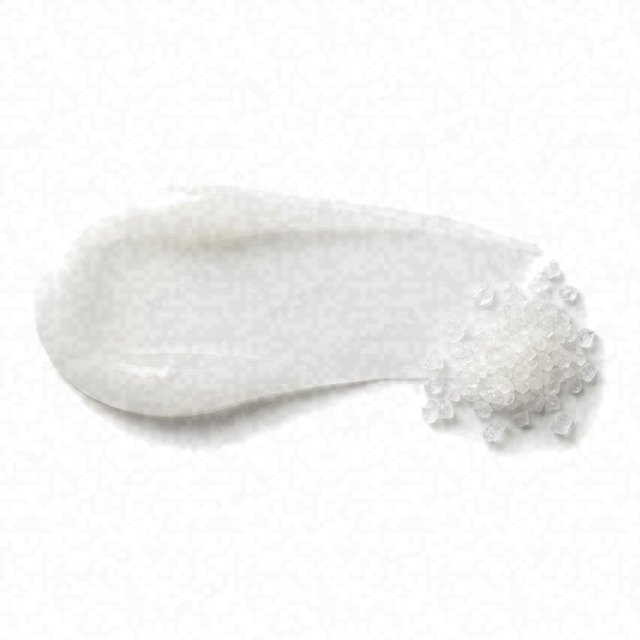 Tranexamic Acid
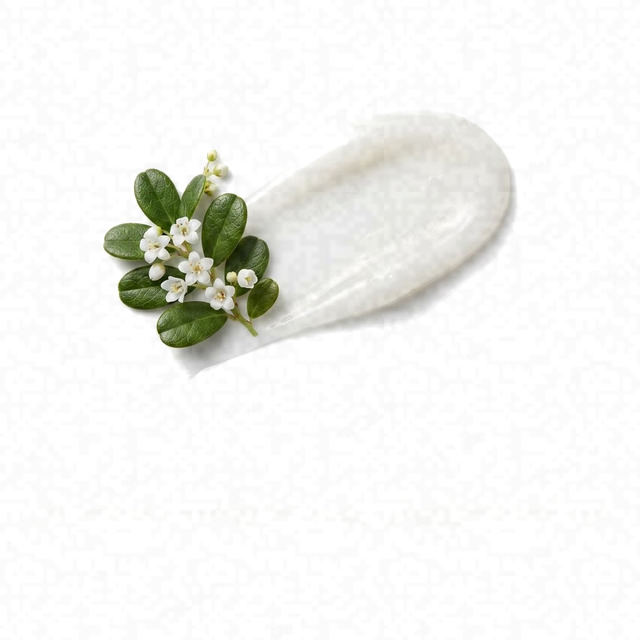 Alpha-Arbutin
 Magnesium Ascorbyl Phosphate
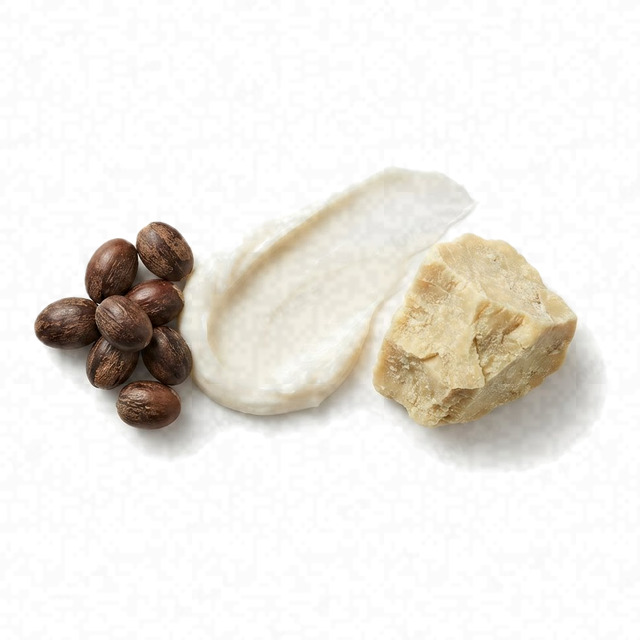 Butyrospermum Parkii Butter Shea Butter
Average
- AverageOily Skin Fit
- AverageEffectiveness
- HighSafety
Works for oily acne-prone skin; other serums fit it better.
This fit is calculated for the concerns frequently associated with oily acne-prone skin: shine, breakouts, blemishes, and enlarged pores. For scores and recommendations based on your full skin profile, including your 12D face scan results and any goals or preferences you have, please use the Lovi app.
Page built Nov 8, 2026How the Fit score works
Lovi Assistant explains
- Offers moderate suitability for your oily skin as niacinamide helps regulate oil production, while ingredients like Glycerin and Sodium Hyaluronate provide essential hydration supportive for acne-prone skin.
- The formulation includes Licorice Root Extract and Witch Hazel Extract, which offer soothing benefits, and moderate concentrations of niacinamide and alpha-arbutin contribute to evening your skin tone.
- The safety profile is good, with no risks of irritation for your oily skin due to the absence of harsh ingredients and the presence of soothing components.
How to apply
- Could be used as part of your PM routine. Start 3 times a week and build up to daily use if your skin tolerates it well.
- Apply your serum after cleansing and toning, but before putting on your moisturizer.
- Gently press 2 to 3 drops of the serum into your skin and let it absorb for a minute.
- Apply the serum on clean, dry skin to help manage your blemishes safely.
- Do a patch test before your first use and avoid the delicate eye area.
People Say
★4.6Overall rating based on 400+ reviewsUsers primarily utilize this cream as a targeted treatment for hyperpigmentation, melasma, and acne scars, often praising its rich, hydrating formula that suits dry or mature skin well. While many report a visible brightening effect and fading of dark spots over time, a significant number of reviewers note that results are gradual and require consistent use for at least 4–8 weeks.
Highlights
Deeply moisturizing Often Mentioned
- “Feels soft and nourishing”
- “great for dry skin”
- “hydrating without feeling too heavy”
Fades dark spots Often Mentioned
- “Melasma is slowly fading”
- “noticeably faded blemish marks”
- “skin became lighter”
Slow results Often Mentioned
- “Can't see any improvements yet”
- “effects manifest gradually”
- “don't expect a miracle”
Good value Sometimes Noted
- “Cost-efficient treatment”
- “good prices”
- “generous amount”
Potent ingredients Sometimes Noted
- “Great brightening ingredients”
- “contains tranexamic acid”
- “good composition”
Heavy texture Sometimes Noted
- “Too greasy”
- “leaves a shiny film”
- “better for night use”
Pills under makeup Rarely Noted
- “Pilling texture after application”
- “doesn't sit well under makeup”
- “balls up”
Unpleasant scent Rarely Noted
- “Strong scent”
- “synthetic floral scent”
- “tingly burn sensation”
Sources: lovi.care, stylekorean.com, stylevana.com, iherb.com, ballagrio.com, pickymed.com, and more
Questions and answers
How well does Medi-Peel Melanon X work for oily acne-prone skin?
Medi-Peel Melanon X Cream offers moderate suitability for your oily acne-prone skin, helping regulate oil while providing hydration and soothing benefits. It is unlikely to cause irritation, but an average fit of this type needs lighter ingredients focused on oil control, powerful acne-fighting actives like benzoyl peroxide, and lightweight hydration to perform better for this skin type.
The British Journal of Dermatology, 2002Phytochemistry, 2001
Which ingredients make this cream a good fit for oily acne-prone skin?
This cream works moderately well for your oily acne-prone skin because niacinamide helps balance oil, while glycerin and sodium hyaluronate provide lightweight hydration. It also includes soothing licorice root and witch hazel extracts, along with niacinamide and alpha-arbutin to help even out your skin tone. A treatment of this type needs effective ingredients like niacinamide, propolis, or vitamin C, plus lightweight hydrators and soothing extracts to control oil and clear breakouts without irritation.
What does Niacinamide do for oily acne-prone skin?
Niacinamide helps balance oil production, calms redness, and is unlikely to irritate oily, acne-prone skin while improving blemishes. Clinical tests show it reduces excess oil and helps clear up both inflammatory and non-inflammatory acne breakouts.
Journal of Cosmetic and Laser Therapy, 2006Journal of Cosmetic Dermatology, 2024
What does Tranexamic Acid do for oily acne-prone skin?
Tranexamic acid helps reduce redness and inflamed spots like pimples and pustules on oily, acne-prone skin. It may also fade lingering dark marks left behind by breakouts with a very low chance of irritation.
Journal of Research in Medical Sciences, 2023Journal of Cosmetic Dermatology, 2022
Where does this cream go in a skincare routine for oily acne-prone skin?
This treatment goes in the evening routine after cleansing and before moisturizing, as treatments with active ingredients work best at night for simplicity and safety around sun exposure. This skin type needs lightweight hydrating ingredients like glycerin and hyaluronic acid, along with soothing plant extracts and oil-controlling niacinamide.
Can I use this cream with retinol, and in what order?
You can use this treatment with retinol by applying your retinol first and following with this cream to help keep your skin calm and hydrated. Because this product offers an average fit for oily acne-prone skin, a better-suited product for this skin type needs lighter, oil-balancing ingredients along with soothing components to manage breakouts effectively.
How often should I use this cream?
Apply this treatment in your evening routine. Oily acne-prone skin of this type needs lightweight hydrators and oil-regulating ingredients like niacinamide.
Can this cream clog pores, cause breakouts or purging for oily acne-prone skin?
This cream is unlikely to cause irritation for your oily skin due to soothing components, but a product of this type needs a lightweight, non-greasy texture and pore-clearing ingredients like salicylic acid to truly fit this skin well.
Phytochemistry, 2001Clinical, Cosmetic and Investigational Dermatology, 2017
Is this cream fragrance-free and alcohol-free?
Yes, it has no fragrance and no drying alcohol. Cetearyl alcohol is a fatty alcohol, which soften the skin.
What the research says
A single application of a moisturizing fluid containing hyaluronic acid 1%, glycerin 5%, and Centella asiatica stem cells extract significantly increased skin hydration by 29% and reduced transepidermal water loss at 24 hours compared to baseline and an untreated control site in twenty healthy women.
Clinical, Cosmetic and Investigational Dermatology, 2017Niacinamide significantly decreased hyperpigmentation and increased skin lightness compared with vehicle alone after 4 weeks of use in women by inhibiting melanosome transfer.
The British Journal of Dermatology, 2002Hamamelis bark proanthocyanidins strongly increased the proliferation of cultured human keratinocytes and reduced transepidermal water loss and erythema formation in SLS-irritated skin, whereas the polysaccharide fraction had no effect.
Phytochemistry, 2001Topical treatment of nicotinamide, alone or in combination with other active ingredients, reduces the progression of skin aging and hyperpigmentation in clinical trials while being well tolerated.
Antioxidants, 2021Topical post-laser application of human adipocyte-derived mesenchymal stem cell media combined with niacinamide significantly improved wrinkle index, melanin index, patient satisfaction, and investigator esthetic improvement scores compared to vehicle cream in patients with aging skin.
Journal of Cosmetic Dermatology, 2021Topical nicotinamide prevented solar-simulated UV-induced immunosuppression in healthy volunteers, and men experienced immunosuppression at solar-simulated UV doses three times lower than those required for women.
The Journal of Investigative Dermatology, 2008Topical 5% niacinamide applied twice daily for 12 weeks reduced fine lines and wrinkles, hyperpigmented spots, red blotchiness, and skin sallowness, and improved skin elasticity compared to vehicle control in 50 female white subjects with facial photoaging.
Dermatologic Surgery, 2005A non-hydroquinone topical formulation (SKNB19) improved hyperpigmentation by 28.5% in patient self-assessment and 27% in independent reviewer assessment compared with 4% hydroquinone in 18 adult subjects, while showing significantly less irritation and better tolerability.
Journal of Cosmetic Science, 2020Encapsulation of alpha arbutin in an optimized ethosomal gel significantly improved skin melanin reduction, moisture content, and elasticity in human volunteers compared to conventional formulations.
Heliyon, 2023Combining a home-based radiofrequency device and arbutin cream reduced mMASI scores by 25.6% and melanin index by 22.8% at 8 weeks compared to baseline in 38 participants.
Journal of Cosmetic Dermatology, 2025Topical application of 5% vitamin C cream significantly improved global clinical scores, increased skin microrelief density, and induced elastic tissue repair in photoaged skin compared to excipient control in healthy female volunteers.
Experimental Dermatology, 2003Ascorbic acid 2-glucoside gel significantly reduced gingival melanin pigmentation after 4 weeks compared to placebo in 73 subjects with symmetric pigmentation.
Journal of Periodontology, 2009Topical application of VC-IP cream twice daily for 8 weeks reduces periorbital wrinkles in female subjects compared to a placebo cream.
Journal of Cosmetic Dermatology, 2022A combination cream of stimu-tex AS and saccharide isomerate reduced erythema, increased skin capacitance, and reduced transepidermal water loss compared to placebo in 20 subjects after fractional CO2 laser procedure without causing serious adverse events.
Lasers in Medical Science, 2025A skin barrier restoring cream with shea butter, silkflo, and vitamin E increased type I procollagen synthesis, enhanced antioxidant enzyme activity, decreased reactive oxygen species generation, and promoted hyaluronic acid production in H2O2-stimulated human keratinocyte cells compared to untreated cells.
International Journal of Cosmetic Science, 2025
Ingredients
Water, Butyrospermum Parkii Butter Shea Butter, Butylene Glycol, Caprylic Capric Triglyceride, Betaine, Hydrogenated Polydecene, Dimethicone, Niacinamide, Polyglyceryl-3 Methylglucose Distearate, Cetearyl Alcohol, Glyceryl Stearate, Beeswax, Alpha-Arbutin, Magnesium Ascorbyl Phosphate, Glycyrrhiza Glabra Root Extract Licorice Root Extract, Peg-100 Stearate, Dimethicone Vinyl Dimethicone Crosspolymer, Sorbitan Stearate, Sucrose Cocoate, Cysteine, Ascorbic Acid, Carnitine, Tranexamic Acid, Thuja Orientalis Leaf Extract, Polygonum Cuspidatum Root Extract, Witch Hazel Extract, Morus Alba Bark Extract, Phyllanthus Emblica Fruit Extract, Trichosanthes Kirilowii Root Extract, Vitis Vinifera Seed Oil Grape Seed Oil, Jojoba Seed Oil, Hydroxyacetophenone, Ozokerite, Tocopheryl Acetate, Arginine, Ethylhexylglycerin, Carbomer, Sodium Hyaluronate, Sh-Oligopeptide-1, Sh-Oligopeptide-2, Sh-Polypeptide-1, Sh-Polypeptide-3, Sh-Polypeptide-16, Adenosine, Xanthan Gum, Disodium Edta, 1,2-Hexanediol, Glycerin, Propanediol, Broussonetia Extract, Aletris Farinosa Root Extract, Zanthoxylum Schinifolium Leaf Extract
Behind this fit score
Lovi calculates every fit score from the full ingredient list with brand-independent rules our dermatologists and cosmetic chemists build and review, and personalizes every pick with AI trained on the real results of millions of users. Lovi trains its fit score models on a proprietary dataset built from more than 10,000 expert-labeled products and more than 100,000 simulated examples, following an internally consistent methodology presented at Cosmoprof, AMWC, and Skin of Color Update.
-

Co-founder, Medical Director
Cosmetic chemist, cosmetologist, aesthetic products developer
-

Co-founder, CEO and CTO
PhD in computer science, 3x US patent holder, ex-Google, ex-Yandex
-

Dr. Sofía Perea Pérez, MD, MSc
Medical Board
Aesthetic medicine practitioner, MSc in Longevity and Anti-Aging Medicine
-

Medical Board
Specialist dermatologist, MBBS, MD, IFAAD
-

Medical Board
Cosmetic chemist, SCS, IFSCC member
-

Medical Board, Medical Advisor
Dermatology MD
-

Elina Nazarenko, MD
Medical Board
Dermatology and diagnostic consultant
-

Victoria Derkova, MS
Medical Board
Cosmetic chemist, cosmetic development technologist


How does it fit your skin?
Scan your face, then any product: Lovi shows how well it fits you and what fits even better.