Mad Hippie Vitamin C Serum for skin with dark spots

 Ascorbic Acid Sodium Ascorbyl Phosphate
 Sodium Hyaluronate
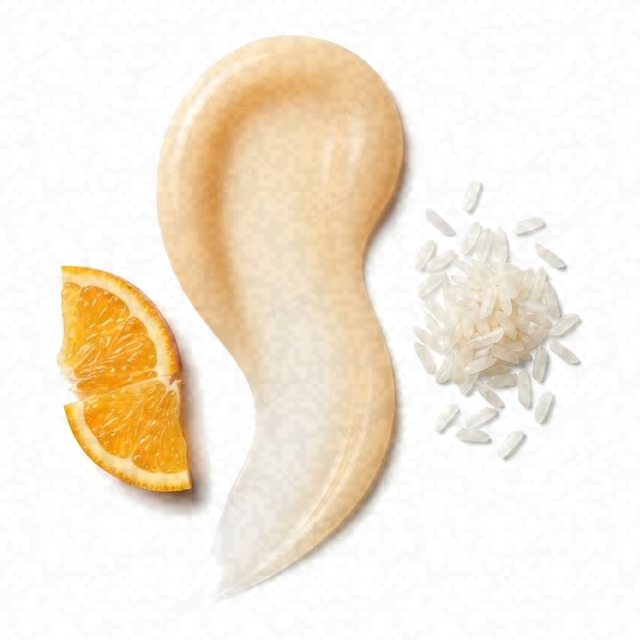 Ferulic Acid
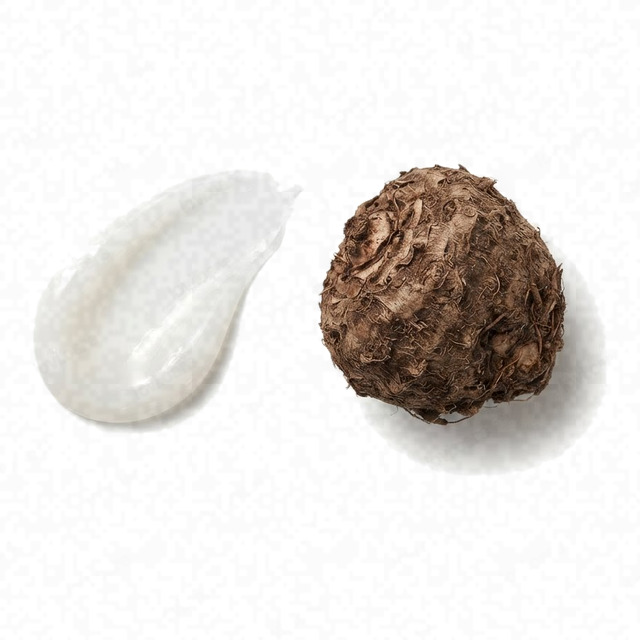 Amorphophallus Konjac Root
 Vitamin E Tocotrienol
High
- HighNormal Skin Fit
- HighEffectiveness
- ExcellentSafety
A great choice for skin with dark spots; a few serums fit it even better.
This fit is calculated for the concerns frequently associated with dark spots: hyperpigmentation, sun spots, and uneven skin tone. For scores and recommendations based on your full skin profile, including your 12D face scan results and any goals or preferences you have, please use the Lovi app.
Page built Nov 8, 2026How the Fit score works
Lovi Assistant explains
- Highly suitable for your normal skin, this serum effectively addresses pigmentation concerns with ascorbic acid and ferulic acid, which provide antioxidant protection and promote collagen synthesis. Sodium hyaluronate and glycerin further support skin hydration, enhancing the overall brightening effects.
- The inclusion of aloe barbadensis leaf and chamomile flower extract offers soothing benefits, complementing the active ingredients and ensuring a comfortable experience for your skin.
- This formula is safe for your skin, as it contains no harsh ingredients and includes soothing components that minimize irritation risk.
How to apply
- Apply this serum as part of your PM routine starting 3x/week and build up to daily use if your skin likes it.
- Place the serum after cleansing and toning, but before your moisturizer.
- Gently press 2-3 drops of the serum into your skin and wait a minute for it to absorb.
- Apply the serum on dry skin to help fade pigmentation effectively.
- Avoid the eye area and always use SPF 30+ during the day.
People Say
★4.5Overall rating based on 22.7k+ reviewsBased on a very large amount of data, users consistently praise this serum for its ability to brighten dull complexions and fade acne scars without irritating sensitive skin. While the lightweight, hydrating texture is a hit for most, a minority of users find the finish slightly tacky or experience breakouts.
Highlights
Brightens and evens Mostly Mentioned
- “visibly improves sun damaged skin”
- “brightening dark spots from blemish scars”
- “skin looks fresh and rested”
Gentle on skin Often Mentioned
- “didn't sting my skin”
- “no irritation unlike other serums”
- “gentle for sensitive skin”
Lightweight feel Often Mentioned
- “absorbs quickly”
- “not greasy like others”
- “feels light weight”
Improves acne Sometimes Noted
- “works on acne-prone skin”
- “acne and congestion virtually gone”
- “smoother, softer skin”
Tacky finish Sometimes Noted
- “leaves a slight tacky feeling”
- “bit sticky right after”
- “sticky and didn't fully absorb”
Caused breakouts Rarely Noted
- “gave me horrible cystic acne”
- “massive breakout of cysts”
- “caused excess dryness”
Lacks potency Rarely Noted
- “didn't do anything for my skin”
- “no significant changes”
- “end result isn't quite as impressive”
Scent disliked Rarely Noted
- “too fragranced”
- “smell was too strong”
- “grapefruit extract is a potential allergen”
Sources: lovi.care, iherb.com, target.com, ulta.com, madhippie.com, reddit.com, and more
Questions and answers
What makes Mad Hippie Vitamin C Serum a great fit for skin with dark spots?
Mad Hippie Vitamin C Serum is a great fit for skin with dark spots because it uses ascorbic acid and ferulic acid to fade pigmentation and brighten your look. It also includes sodium hyaluronate and glycerin to keep your skin hydrated, alongside soothing aloe and chamomile that help make the experience comfortable and low-risk.
Which ingredients make this serum a good fit for skin with dark spots?
Ascorbic acid and ferulic acid make this serum a great fit for skin with dark spots because they provide antioxidant protection and help fade pigmentation. Vitamin E and sodium hyaluronate further support this by boosting brightness and hydration.
What does Ascorbic Acid do for skin with dark spots?
Ascorbic acid helps fade dark spots and brightens uneven skin by reducing pigment production, making the skin look clearer and more balanced. It is unlikely to cause irritation when used consistently as part of your daily routine.
Journal of Periodontology, 2009Journal of Cosmetic Dermatology, 2023
What does Hyaluronic Acid do for skin with dark spots?
Hyaluronic acid is unlikely to directly fade dark spots, but it helps keep dry and uneven skin plump and deeply hydrated. To effectively target dark spots, this type of skin needs brightening ingredients like vitamin C or niacinamide alongside your hydrator.
Where does this serum go in a skincare routine for skin with dark spots?
This serum goes in your evening routine after cleansing and before moisturizing. Putting treatments in the evening helps keep your skin safe around sun exposure while fading dark spots.
Can I use this serum with retinol, and in what order?
You can use this serum with retinol by applying the serum in the morning and retinol at night, or by spacing them out on different nights. This approach helps minimize potential irritation while allowing both ingredients to work effectively on your skin.
How often should I use this serum?
This serum is used in the evening routine, starting once a week and gradually increasing as your skin tolerates it well. It helps fade dark spots while keeping your skin calm and hydrated.
Can this serum clog pores, cause breakouts or purging for skin with dark spots?
This serum is unlikely to clog pores or cause breakouts, as it contains no harsh ingredients and is well-suited for your skin. Reviewers rarely report breakouts from this product, and its gentle components help minimize irritation.
Is this serum fragrance-free and alcohol-free?
Yes, it has no fragrance and no drying alcohol.
What the research says
A single application of a moisturizing fluid containing hyaluronic acid 1%, glycerin 5%, and Centella asiatica stem cells extract significantly increased skin hydration by 29% and reduced transepidermal water loss at 24 hours compared to baseline and an untreated control site in twenty healthy women.
Clinical, Cosmetic and Investigational Dermatology, 2017Topical application of 5% vitamin C cream significantly improved global clinical scores, increased skin microrelief density, and induced elastic tissue repair in photoaged skin compared to excipient control in healthy female volunteers.
Experimental Dermatology, 2003Ascorbic acid 2-glucoside gel significantly reduced gingival melanin pigmentation after 4 weeks compared to placebo in 73 subjects with symmetric pigmentation.
Journal of Periodontology, 2009Topical application of VC-IP cream twice daily for 8 weeks reduces periorbital wrinkles in female subjects compared to a placebo cream.
Journal of Cosmetic Dermatology, 2022Topical treatment with 5% vitamin C and 0.1% madecassoside significantly improved clinical scores for wrinkles, suppleness, firmness, roughness, and skin hydration, along with functional and structural remodeling of the elastic fiber network in 20 female volunteers with photoaged skin after 6 months compared to baseline.
Experimental Dermatology, 2008Topical application of 0.1% hyaluronic acid formulations of different molecular weights led to significant improvements in skin hydration and elasticity, with low-molecular-weight formulations also significantly reducing wrinkle depth in seventy-six female subjects compared to a vehicle control.
Journal of Drugs in Dermatology, 2011Topical application of hyaluronic acid in conjunction with free gingival graft significantly reduced donor site postoperative pain until day 7 compared to normal saline, with no significant differences in graft dimensions or patient satisfaction.
Clinical Oral Investigations, 2022Treatment with a hyaluronic acid-containing mouth rinse or topical gel led to significant lesion reduction, pain relief, and normalization of lesion color in adult patients with minor recurrent aphthous stomatitis, with the gel formulation showing an earlier healing onset at 3 days.
BMC Oral Health, 2019Treatment with 14% ferulic acid and 12% l-ascorbic acid significantly reduced pigmentation and erythema while improving hydration and elasticity in 20 women with photoaged skin, with neither acid proving definitively more effective overall though ascorbic acid showed slightly greater skin lightening.
Dermatologic Therapy, 2022Combining fractional microneedle radiofrequency with a topical antioxidant serum significantly reduced wrinkle severity by 29.9% versus 18.0%, increased elasticity by 12.9% versus 2.3%, and improved aesthetic outcomes in 31 participants compared to radiofrequency and placebo.
The Journal of Dermatological Treatment, 2025Pretreatment with a topical antioxidant mixture of vitamin C, ferulic acid, and phloretin attenuated ultraviolet-induced sunburn cell formation, thymine dimer formation, matrix metalloproteinase-9 expression, p53 protein expression, and the suppression of CD1a-expressing Langerhans cells in human skin compared to vehicle control.
Journal of Cosmetic Dermatology, 2008Glucomannan isolated from Candida utilis suppressed UVB-induced decreases in keratinocyte viability and apoptosis in vitro, and decreased UV-induced skin erythema formation in human volunteers in vivo.
Carbohydrate Research, 2008A novel Konjac glucomannan/silver nanoparticle composite sponge exhibited good antibacterial activity and effectively accelerated wound healing, promoted fibroblast growth, and accelerated epithelialization in animal models while demonstrating good cytocompatibility with L929 cells.
Carbohydrate Polymers, 2018Carboxymethyl konjac glucomannan-chitosan composite sponges possessed high swelling ratio, proper water vapor transmission rate, and good biocompatibility, and effectively healed full-layer skin defect wounds in male ICR mice compared to untreated conditions.
International Journal of Biological Macromolecules, 2018Topical application of an antioxidant serum containing 15% ascorbic acid, 0.5% ferulic acid, and 1% tocopherol prevented particulate matter-induced degradation of extracellular matrix components, inflammation, and oxidative stress in the skin of 15 female volunteers compared to untreated controls.
Journal of Cosmetic Dermatology, 2025Dermatological products containing d-alpha tocopheryl acetate showed non-comedogenic potential with less than a 50% increase in microcomedones in 12 healthy male subjects compared to octyl palmitate.
Contemporary Clinical Trials Communications, 2021Topical application of an antioxidant mix containing 15% ascorbic acid, 0.5% ferulic acid, and 1% tocopherol prevented PM and UV-induced skin barrier perturbation, lipid peroxidation, inflammatory markers, MMP9 activation, and Type I collagen loss in 15 healthy females compared to untreated exposed skin.
Journal of Cosmetic Dermatology, 2024
Ingredients
Deionized Water Water, Ascorbic Acid Sodium Ascorbyl Phosphate, Alkyl Benzoate, Glycerin, Sodium Levulinate, Sodium Anisate, Salvia Sclarea, Grapefruit, Sodium Hyaluronate, Amorphophallus Konjac Root Powder, Aloe Barbadensis Leaf, Vitamin E Tocotrienol, Ferulic Acid, Chamomile Flower Extract Recutita Matricaria Flower Extract, Sodium Phytate, Xanthan Gum, Hydroxyethylcellulose
Behind this fit score
Lovi calculates every fit score from the full ingredient list with brand-independent rules our dermatologists and cosmetic chemists build and review, and personalizes every pick with AI trained on the real results of millions of users. Lovi trains its fit score models on a proprietary dataset built from more than 10,000 expert-labeled products and more than 100,000 simulated examples, following an internally consistent methodology presented at Cosmoprof, AMWC, and Skin of Color Update.
-

Co-founder, Medical Director
Cosmetic chemist, cosmetologist, aesthetic products developer
-

Co-founder, CEO and CTO
PhD in computer science, 3x US patent holder, ex-Google, ex-Yandex
-

Dr. Sofía Perea Pérez, MD, MSc
Medical Board
Aesthetic medicine practitioner, MSc in Longevity and Anti-Aging Medicine
-

Medical Board
Specialist dermatologist, MBBS, MD, IFAAD
-

Medical Board
Cosmetic chemist, SCS, IFSCC member
-

Medical Board, Medical Advisor
Dermatology MD
-

Elina Nazarenko, MD
Medical Board
Dermatology and diagnostic consultant
-

Victoria Derkova, MS
Medical Board
Cosmetic chemist, cosmetic development technologist


How does it fit your skin?
Scan your face, then any product: Lovi shows how well it fits you and what fits even better.