KORA Organics Turmeric Glow Moisturizer for acne-prone skin

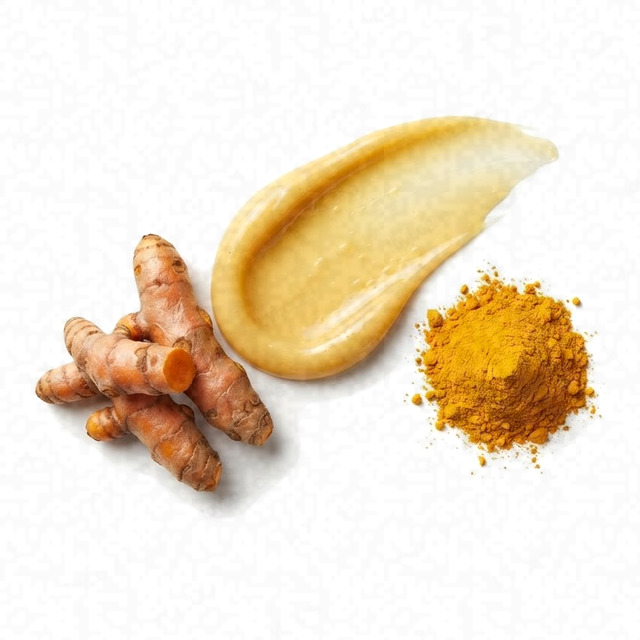 Curcuma Longa
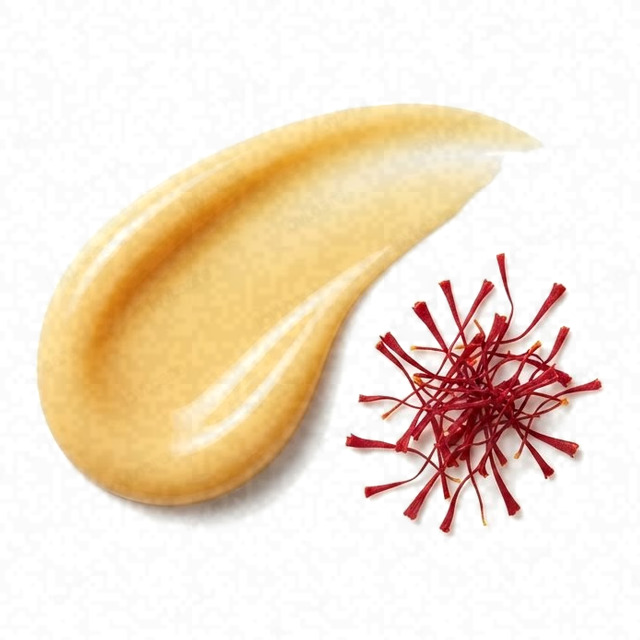 Crocus Sativus
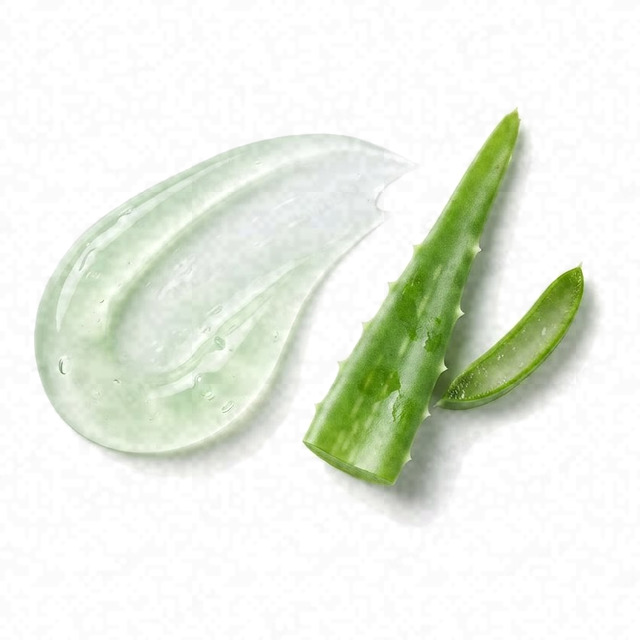 Aloe Barbadensis
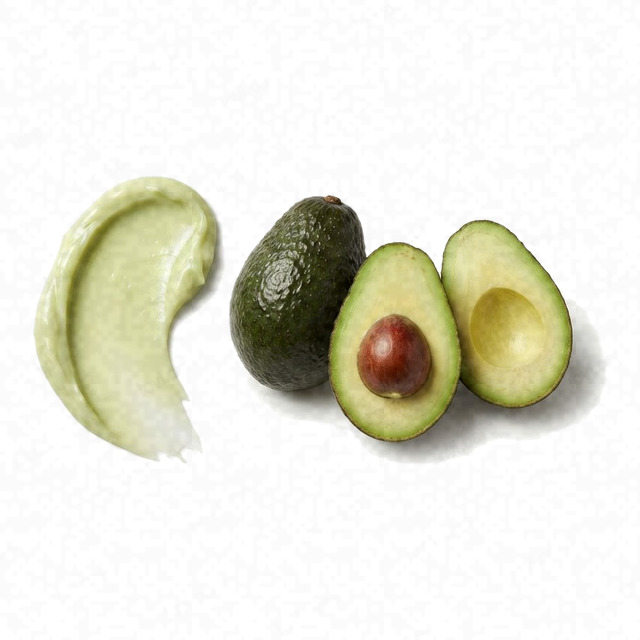 Avocado Oil
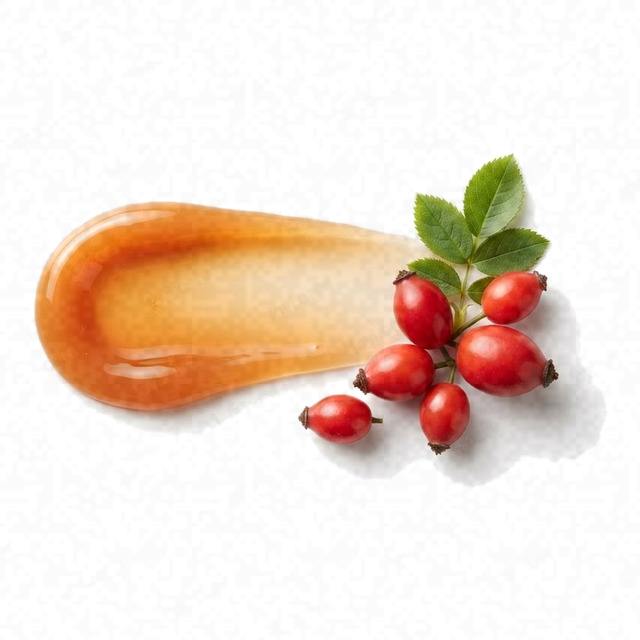 Rosehip Seed Oil
Average
- AverageCombination Skin Fit
- AverageEffectiveness
- HighSafety
Works for acne-prone skin; other moisturizers fit it better.
This fit is calculated for the concerns frequently associated with acne-prone skin: breakouts, blackheads, and post-acne marks. For scores and recommendations based on your full skin profile, including your 12D face scan results and any goals or preferences you have, please use the Lovi app.
Page built Nov 8, 2026How the Fit score works
Lovi Assistant explains
- Offers moderate suitability for combination skin, as sunflower seed oil and shea butter provide emollient action, while glycerin and hydrolyzed sodium hyaluronate deliver excellent hydration and plumping effects for your skin.
- While aloe barbadensis leaf juice and licorice root extract offer general soothing benefits for acne-prone skin, the formula lacks targeted ingredients to effectively address breakouts.
- The product is safe for your combination skin, with no risks of irritation due to the absence of prohibited or harsh ingredients.
How to apply
- Use your moisturizer twice a day in your AM and PM routines. Apply it daily to help keep breakouts under control.
- Apply after your cleanser and toner, and make sure to use your SPF right after in the morning.
- Gently spread a small amount of moisturizer over your face using soft motions. Let it absorb into the skin for a minute before getting dressed or applying makeup.
- Apply on slightly damp skin to help lock in extra moisture. This keeps your combination skin balanced without feeling heavy.
- Avoid the eye area and do a patch test before your first use. Stop using if you feel any irritation.
People Say
★4.7Overall rating based on 900+ reviewsThis moisturizer is highly praised for its ability to brighten and deeply hydrate the skin, leading to a radiant complexion. While generally well-tolerated, some users with very dry skin find it insufficient, and a few mention a slight tackiness in its texture.
Highlights
Deeply hydrating Mostly Mentioned
- “Ultra-hydrating”
- “skin feels hydrated”
- “great hydration”
Brightens skin tone Often Mentioned
- “Noticed a lovely glow”
- “skin looks more alive”
- “visibly brighter”
Smooths skin texture Often Mentioned
- “Visibly smooths”
- “skin feels smoother”
- “texture has improved”
Refillable packaging Sometimes Noted
- “Good system to reduce waste”
- “refillable pod”
- “nice touch”
Insufficient for dry Sometimes Noted
- “Not enough moisture”
- “didn't feel it was enough”
- “needed more”
Clunky packaging Rarely Noted
- “Clunky and large”
- “inconvenient to screw on”
- “lid too blingy”
Slightly tacky Rarely Noted
- “Slightly tacky”
- “can't explain”
- “not a fan of the experience”
Sources: lovi.care, koraorganics.com, thechristopherian.com, emilylightly.com, sephora.com.au, whimsysoul.com, and more
Questions and answers
How well does KORA Organics Turmeric Glow Moisturizer work for acne-prone skin?
This moisturizer is an average fit for acne-prone skin because it offers soothing benefits with aloe and licorice root, but it lacks targeted ingredients to effectively address breakouts. To truly fit this skin well, a product of this type needs effective ingredients that target acne and blemishes while keeping skin balanced and clear.
Which ingredients make this cream a good fit for acne-prone skin?
Aloe barbadensis leaf juice and licorice root extract help calm your skin, while avocado oil, rosehip seed oil, and other plant extracts keep it soft and smooth. To be a better fit for acne-prone skin, this type of product needs targeted ingredients that actively clear and prevent breakouts.
What does Turmeric do for acne-prone skin?
Turmeric helps calm redness and swelling in acne-prone skin thanks to its anti-inflammatory and antimicrobial properties. It is unlikely to irritate dry areas while working to improve breakouts. Skin dealing with frequent breakouts typically needs soothing ingredients and antioxidants to calm inflammation and support overall clarity.
Skin Pharmacology and Physiology, 2023Drugs in Context, 2025
What does Saffron Extract do for acne-prone skin?
Saffron Extract helps protect acne-prone skin with its anti-microbial and repairing activities, making it beneficial for treating skin breakouts. Its antioxidant properties also support overall skin health and help calm inflammation.
Where does it go in a skincare routine for acne-prone skin?
This moisturizing treatment goes after your hydrating toner and before your sunscreen in the morning, and after your treatment step at night. While it provides basic hydration, acne-prone skin needs a product that includes targeted blemish-fighting ingredients to properly manage breakouts.
Can I use this cream with retinol, and in what order?
You can use this cream with retinol, and applying it after your retinol treatment helps keep your skin calm and hydrated. This type of routine benefits acne-prone skin most when the moisturizer also includes targeted blemish-fighting ingredients to help clear breakouts.
How often should I use it?
You can use this moisturizing treatment twice daily as part of your morning and evening routine. Regular daily application helps keep your skin soft and hydrated, though acne-prone skin also needs targeted breakout-fighting ingredients.
Journal of Cosmetic Dermatology, 2020Health Science Reports, 2021
Can this cream clog pores, cause breakouts or purging for acne-prone skin?
This cream is unlikely to cause irritation on acne-prone skin, but it lacks targeted ingredients to effectively clear up or prevent breakouts. Acne-prone skin needs targeted blemish-fighting ingredients and lightweight, non-clogging hydration to stay clear and smooth.
Can I use it around the eyes or on my body?
This moisturizing treatment is safe to use on the thin skin around your eyes and on your body, as it has a very good skin tolerance and a safe profile without harsh ingredients. Because the skin in these areas is often thinner and more delicate, a product for this skin needs gentle hydrating ingredients and soothing plant extracts to keep it soft and smooth without irritation.
Is this cream fragrance-free and alcohol-free?
It contains fragrance (citral, geraniol, limonene, and linalool) and drying alcohol (alcohol).
What the research says
A single application of a moisturizing fluid containing hyaluronic acid 1%, glycerin 5%, and Centella asiatica stem cells extract significantly increased skin hydration by 29% and reduced transepidermal water loss at 24 hours compared to baseline and an untreated control site in twenty healthy women.
Clinical, Cosmetic and Investigational Dermatology, 2017Profhilo treatment led to significant improvements in superficial skin hydration and transepidermal water loss over time in Chinese females, while demonstrating good product tolerability.
Aesthetic Plastic Surgery, 2026Topical application of curcumin or turmeric treats various skin conditions by leveraging antioxidant, anti-inflammatory, and antimicrobial properties.
Skin Pharmacology and Physiology, 2023Topical formulations of curcumin target oxidative damage and inflammation to improve wound healing in animal models.
Drug Discovery Today, 2017A curcumin-loaded spanlastic anti-aging gel utilizing formula F5 incorporated into 2% HPMC E50 demonstrated sustained release action, compatibility, and the ability to penetrate skin layers to a depth of about 112.5 um without signs of irritation.
Saudi Pharmaceutical Journal, 2024Oral and topical botanical products containing ingredients like ashwagandha, saffron, l-theanine, and tocopherol reduced facial redness and pigmentation and improved sleep and certain mood parameters in healthy females with sensitive skin compared to baseline.
Journal of Clinical Medicine, 2022Topical water-in-oil cream containing 3% Crocus sativus extract demonstrated absolute physical stability across various storage conditions and produced a significant increase in skin moisture and changes in transepidermal water loss compared to the base in human volunteers.
Pakistan Journal of Pharmaceutical Sciences, 2014Topical cream containing saffron extract and avocado oil improved wrinkle grading, reduced nasolabial fold area and volume, and increased skin elasticity in twenty healthy volunteers over 12 weeks without allergic reactions.
Journal of Cosmetic Dermatology, 2020A cream combining propolis, tea tree oil, and Aloe vera reduced erythema scars, acne severity index, and total lesion count better than erythromycin cream in sixty patients with mild to moderate acne vulgaris compared to placebo.
Clinical Pharmacology, 2018Topical aloe vera gel significantly accelerated split-thickness skin graft donor-site healing compared to placebo in 12 patients, but showed no significant difference in pain relief.
Plastic and Reconstructive Surgery, 2018Topical application of Aloe vera cream reduced postoperative pain at rest and during defecation, accelerated wound healing at two weeks, and decreased analgesic requirements in patients after open hemorrhoidectomy compared to placebo.
Journal of Alternative and Complementary Medicine, 2010Topical treatment with SSFAO 50% or avocado oil increased wound contraction, reepithelialization, collagen density, and tensile strength while showing anti-inflammatory activity compared to petroleum jelly in rats.
Evidence-based Complementary and Alternative Medicine, 2013Topical treatments containing rosehip extract may reduce the size and erythema of postsurgical scars through macrophage polarization and inflammatory cytokine inhibition, though current clinical evidence remains insufficient to recommend its routine use.
Journal of Cosmetic Dermatology, 2024Sunflower and rosehip oil nanoemulsions prepared with a mix of phospholipids and synthetic emulsifiers permeated intact skin to the dermis and showed a more prominent healing effect in a human organotypic skin explant culture wound model compared to nanoemulsions prepared only with phospholipids.
Pharmaceutics, 2023A nanoemulsion containing 1 mg/mL kojic dipalmitate and 5% rosehip oil demonstrated high incorporation efficiency, suitable physicochemical stability, antioxidant and depigmenting efficacy close to 1 mM ascorbic acid, and no cytotoxicity at concentrations from 0.06% to 1% in vitro.
Pharmaceutics, 2023
Why other moisturizers fit acne-prone skin better
Co-delivery of paeonol and madecassoside via nanoemulsions improved transdermal delivery, promoted barrier repair proteins, inhibited inflammatory cytokine secretion in cellular and 3D models, and reduced transepidermal water loss and acne in human facial skin compared to free components.
Molecules, 2023A panthenol-enriched mask improved skin hydration, regulated sebum, and reduced redness and TEWL across dry sensitive, oily sensitive, and oily acne skin subgroups with excellent tolerance and no adverse reactions.
Journal of Cosmetic Dermatology, 2024A facial serum containing snail secretion filtrate, Calendula officinalis, and Glycyrrhiza glabra root extract significantly reduced inflammatory acne lesions compared to placebo in 66 participants with mild-to-moderate maskne over 12 weeks.
Journal of Cosmetic Dermatology, 2022
Ingredients
Aloe Barbadensis Leaf Juice, Glycerin, Coconut Alkanes, Cetearyl Alcohol, Persea Gratissima Oil Avocado Oil, Rosa Canina Seed Oil Rosehip Seed Oil, Balanites Roxburghii Seed Oil, Water, Lactobacillus Ferment, Cetearyl Olivate, Helianthus Annuus Seed Oil Sunflower Seed Oil, Sorbitan Olivate, Butyrospermum Parkii Butter Shea Butter, Hippophae Rhamnoides Oil Fruit, Passiflora Edulis Seed Oil Maracuja Seed Oil, Caprylic Capric Triglyceride, Rice Extract, Lactobacillus, Ascorbyl Glucoside, Coco-Caprylate Caprate, Lactobacillus Arundinaria Gigantea Leaf Ferment Filtrate, Astrocaryum Murumuru Seed Butter, Gossypium Herbaceum Seed Oil, Saccharomyces Lysate Extract, Bidens Pilosa Extract, Calendula Officinalis Flower Extract, Coconut Fruit Extract, Potassium Sorbate, Lavandula Angustifolia Oil Lavender Oil, Linum Usitatissimum Seed Oil, Lactic Acid, Lemon Peel Oil, Hydrolyzed Sodium Hyaluronate, Peppermint Oil Leaf Peppermint Indian Oil Leaf, Sclerotium Gum, Potassium Hydroxide, Curcuma Longa Root Extract, Glycyrrhiza Glabra Root Extract Licorice Root Extract, Morinda Citrifolia Fruit Extract, Yeast Powder, Sodium Phytate, Cylindrotheca Fusiformis Extract, Leuconostoc Radish Root Ferment Filtrate, Cananga Odorata Oil Flower, Juniperus Virginiana Oil Cedarwood Oil, Leuconostoc Radish Ferment Filtrate, Tocopherol, Bisabolol, Soybean Peroxidase, Superoxide Dismutase, Alcohol, Citral, Geraniol, Limonene, Linalool
Behind this fit score
Lovi calculates every fit score from the full ingredient list with brand-independent rules our dermatologists and cosmetic chemists build and review, and personalizes every pick with AI trained on the real results of millions of users. Lovi trains its fit score models on a proprietary dataset built from more than 10,000 expert-labeled products and more than 100,000 simulated examples, following an internally consistent methodology presented at Cosmoprof, AMWC, and Skin of Color Update.
-

Co-founder, Medical Director
Cosmetic chemist, cosmetologist, aesthetic products developer
-

Co-founder, CEO and CTO
PhD in computer science, 3x US patent holder, ex-Google, ex-Yandex
-

Dr. Sofía Perea Pérez, MD, MSc
Medical Board
Aesthetic medicine practitioner, MSc in Longevity and Anti-Aging Medicine
-

Medical Board
Specialist dermatologist, MBBS, MD, IFAAD
-

Medical Board
Cosmetic chemist, SCS, IFSCC member
-

Medical Board, Medical Advisor
Dermatology MD
-

Elina Nazarenko, MD
Medical Board
Dermatology and diagnostic consultant
-

Victoria Derkova, MS
Medical Board
Cosmetic chemist, cosmetic development technologist


How does it fit your skin?
Scan your face, then any product: Lovi shows how well it fits you and what fits even better.