IOPE Pro Peeling Enzyme Wash for sensitive skin

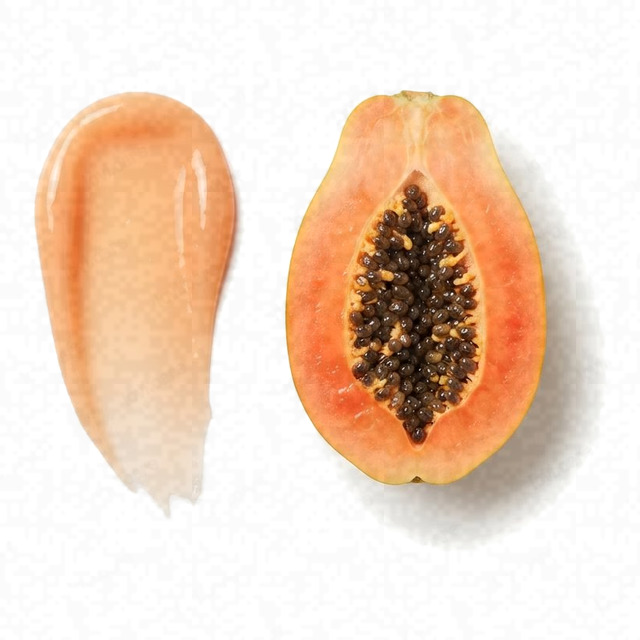 Papain
 Squalane
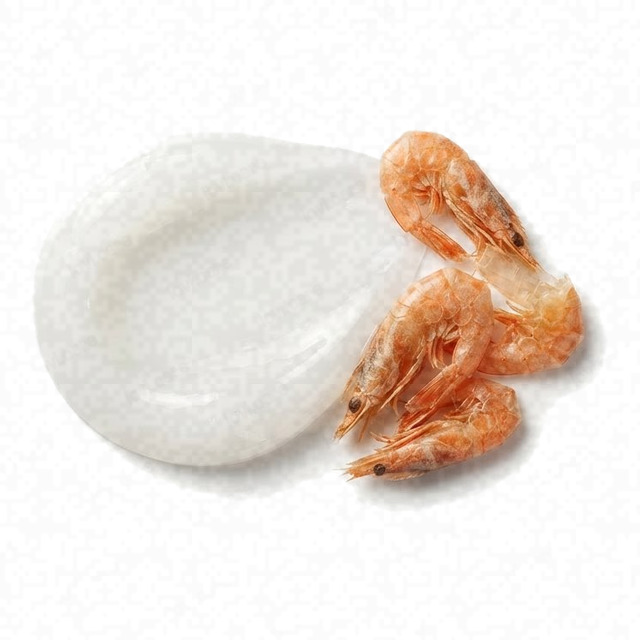 Acetyl Glucosamine
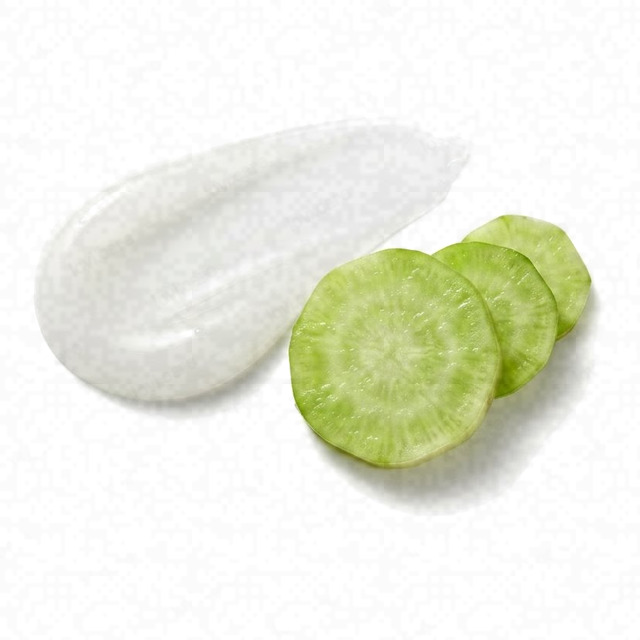 Betaine
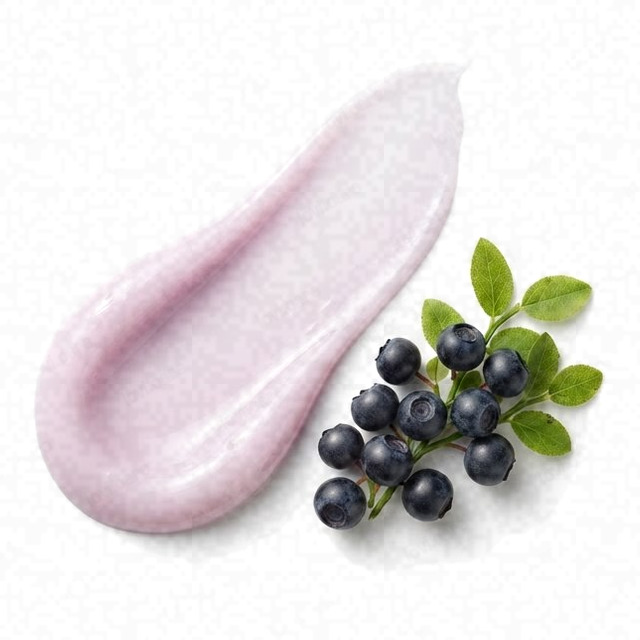 Vaccinium Myrtillus Fruit Extract
High
- SuperiorNormal Skin Fit
- HighEffectiveness
- HighSafety
A great choice for sensitive skin; a few products fit it even better.
This fit is calculated for the concerns frequently associated with sensitive skin: redness, stinging, and reactions to new products. For scores and recommendations based on your full skin profile, including your 12D face scan results and any goals or preferences you have, please use the Lovi app.
Page built Nov 8, 2026How the Fit score works
Lovi Assistant explains
- Offers moderate exfoliation for your redness and irritation, as papain and protease provide enzymatic cleansing suitable for your normal skin with sensitivity.
- Betaine and squalane further support humectant and emollient actions, enhancing overall skin comfort and hydration.
- The product is safe for your skin due to the absence of harsh ingredients, minimizing the risk of irritation.
How to apply
- Could be used as part of your PM routine once a week. Start slowly and increase usage only if your skin feels comfortable.
- Apply this enzyme powder cleanser after your regular cleanser, and before your hydrating toner and moisturizer.
- Pour a small amount into wet hands, lather into a foam, and gently massage onto your face without harsh rubbing.
- For sensitive skin, apply this product on slightly damp skin to ensure better tolerance and comfort.
- Avoid the eye area and do a patch test before your very first use to prevent irritation.
People Say
★4.2Overall rating based on 100+ reviewsBased on limited data, users find this enzyme wash effectively exfoliates and smooths skin, leaving it feeling soft and clean without dryness, making it suitable for sensitive skin. However, the product is considered expensive for the quantity provided, and the powder format can lead to clumping and dispensing difficulties.
Highlights
Improved skin texture Mostly Mentioned
- “Skin feels smoother”
- “Soft and silky finish”
- “Removes dead skin cells”
Gentle exfoliation Often Mentioned
- “Soft and light foam”
- “No scratchiness”
- “Good for sensitive skin”
Non-stripping cleanse Often Mentioned
- “No deep dryness”
- “Moist finish after washing”
- “Not slippery like other low pH cleansers”
Expensive for amount Often Mentioned
- “Price is disappointing”
- “Expensive for the amount”
- “Not budget-friendly”
Packaging issues Often Mentioned
- “Powder clumps at opening”
- “Hard to dispense near end”
- “Inconvenient to use”
Effective deep clean Sometimes Noted
- “Refreshed and matte”
- “Cleanses thoroughly”
- “Pores feel cleaner”
Availability issues Sometimes Noted
- “Hard to find”
- “Often out of stock”
Potential irritation Rarely Noted
- “Caused small blemishes”
- “Tingling sensation”
- “Redness after renewal”
Sources: lovi.care, hwahae.co.kr, yesstyle.com, whatsinmyjar.com, reddit.com, and more
Questions and answers
What makes IOPE Pro Peeling Enzyme Wash a great fit for sensitive skin?
IOPE Pro Peeling Enzyme Wash is a great fit because its papain and protease provide gentle enzymatic cleansing that helps avoid redness and irritation. Betaine and squalane further support comfort and hydration, while the absence of harsh ingredients keeps your skin safe.
Which ingredients make this cleanser a good fit for sensitive skin?
Papain and protease provide gentle enzymatic cleansing that helps keep redness and irritation at bay. Additionally, betaine and squalane boost skin comfort and hydration so your face feels soft and calm.
What does Papain do for sensitive skin?
Papain is not a good fit for sensitive skin because it can disrupt the skin barrier, cause inflammation, and act as a strong allergen. Sensitive skin needs gentle, soothing, and repairing ingredients that protect the outer layer rather than break it down.
What does Squalane do for sensitive skin?
Squalane helps calm sensitive skin by defending against everyday irritation and keeping it smooth and soft. It is unlikely to cause irritation and supports your skin barrier so it stays comfortable and hydrated.
Where does this cleanser go in a skincare routine for sensitive skin?
This enzyme powder is a great fit for your sensitive skin because papain and protease offer gentle exfoliation while betaine and squalane keep your face calm and hydrated. In your weekly routine, it goes after your cleanser and before a nourishing mask. It is safe to use once a week to minimize the risk of redness.
Can I use this cleanser with retinol, and in what order?
You can use this cleanser in your weekly routine, but it is best to avoid using it on the same nights as your retinol to prevent irritation. Using this gentle enzyme powder separately from your strong treatments helps keep your skin calm and comfortable.
How often should I use this cleanser?
Start by using this enzyme powder cleanser just once a week, and if your skin feels comfortable and tolerates it well, you can carefully use it more often. The gentle enzymes offer moderate exfoliation, while ingredients like squalane and betaine help keep your skin feeling calm and hydrated.
Can this cleanser clog pores, cause breakouts or purging for sensitive skin?
This enzyme powder cleanser is unlikely to clog pores or cause breakouts on sensitive skin because it is free of heavy, pore-clogging oils. While chemical exfoliants can sometimes cause skin purging, the gentle plant enzymes here provide light cleansing that is very well tolerated by easily irritated skin.
Is this cleanser fragrance-free and alcohol-free?
It has no fragrance and contains drying alcohol (ethanol).
What the research says
Topical papain treatment may slightly decrease pain within 30 minutes in humans stung by Chrysaora chinensis compared to placebo.
Wilderness & Environmental Medicine, 2016A fixed combination of hydroxypinacolone retinoate, retinol glycospheres, and papain glycospheres in aqueous gel applied once daily for 12 weeks achieved a 41% mean reduction in GAGS score and a 40.8% mean reduction in total lesions, with 15.3% of patients experiencing mild to moderate local side effects, in 94 evaluable patients with comedonal-papular, mild to moderate acne of the face.
Giornale Italiano Di Dermatologia E Venereologia, 2015Reflux extraction of Carica papaya leaves yielded higher antioxidant capacity and superior in vitro wound-healing activities including fibroblast proliferation, cell migration, and collagen synthesis in human skin fibroblasts compared to ultrasonic-assisted extraction and agitation.
Molecules, 2020Squalane at 0.005-0.015% counteracts UVA-induced oxidative stress, inflammation, and collagen metabolism inhibition while stimulating fibroblast migration in human dermal fibroblasts.
Molecules, 2025Plant-derived squalane protected human dermal fibroblasts against UVA-induced damage by counteracting ROS formation, suppressing apoptosis-related proteins p53, caspase-3, caspase-9, and PARP, and restoring the pro-survival p-Akt/mTOR pathway.
Antioxidants, 2025Topical 2% N-acetyl glucosamine reduced facial hyperpigmentation in an 8-week split-face clinical test, with an even greater effect observed when combined with 4% niacinamide.
Journal of Cosmetic Dermatology, 2007N-acetyl-glucosamine-loaded nanostructured lipid carriers successfully delivered the hydrophilic agent through the skin and reduced melanin distribution in healthy volunteers.
Advanced Pharmaceutical Bulletin, 2016Topical cosmetic products containing hyaluronic acid, N-acetyl glucosamine, and gamma-amino butyric acid improved skin hydration by 24.28% to 33.60%, elasticity by 11.98%, and skin lightening by 5.26% over 2 months in 20 female participants.
Journal of Cosmetic and Laser Therapy, 2019Topical dry mouth products containing olive oil, betaine, and xylitol significantly increased unstimulated whole salivary flow rates, reduced xerostomia complaints, and improved quality of life in adults with polypharmacy-induced xerostomia compared to their normal routine care, with no clinically significant adverse events.
Journal of Oral Rehabilitation, 2007Soaps containing betaine caused the least skin irritation compared to other tested soaps in twenty-eight healthy subjects, though irritation did not decrease with increasing concentrations of betaine.
Skin Research and Technology, 2003A combination of Aloe barbadensis leaf extract and trimethylglycine in a 1:1 mass ratio synergistically increased aquaporin 3 expression by up to 380% in keratinocytes and safely improved skin hydration in healthy volunteers.
Molecules, 2024Fermented bilberry extract improved wrinkle depth, skin smoothness, roughness, firmness, elasticity, antioxidant capacity, and complexion evenness compared to a placebo in 66 subjects over 84 days.
Nutrients, 2024Topical application of oil-in-water creams containing wild bilberry leaves extract and seeds oil produced significant beneficial effects on the skin of healthy human volunteers.
Antioxidants, 2021Bilberry fruit extract incorporated into chitosan-based hydrogels demonstrated antioxidant, anti-hyaluronidase, and anti-tyrosinase activities, supporting their potential use in topical anti-aging preparations.
Antioxidants, 2024
Ingredients
Microcrystalline Cellulose, Sodium Cocoyl Glycinate, Sodium Lauroyl Glutamate, Silica, Papain, Protease, Lipase, Lemon Fruit Extract, Saccharum Officinarum Extract, Sugar Maple Extract, Vaccinium Myrtillus Fruit Extract, Citrus Aurantium Dulcis Fruit Extract, Betaine, Squalane, Acetyl Glucosamine, Allantoin, Chitosan, Alpha-Glucan Oligosaccharide, Ethyl Cellulose, Ethanol, Xanthan Gum, Water, Butylene Glycol, Polycaprolactone, Peg-75, Disodium Edta
Behind this fit score
Lovi calculates every fit score from the full ingredient list with brand-independent rules our dermatologists and cosmetic chemists build and review, and personalizes every pick with AI trained on the real results of millions of users. Lovi trains its fit score models on a proprietary dataset built from more than 10,000 expert-labeled products and more than 100,000 simulated examples, following an internally consistent methodology presented at Cosmoprof, AMWC, and Skin of Color Update.
-

Co-founder, Medical Director
Cosmetic chemist, cosmetologist, aesthetic products developer
-

Co-founder, CEO and CTO
PhD in computer science, 3x US patent holder, ex-Google, ex-Yandex
-

Dr. Sofía Perea Pérez, MD, MSc
Medical Board
Aesthetic medicine practitioner, MSc in Longevity and Anti-Aging Medicine
-

Medical Board
Specialist dermatologist, MBBS, MD, IFAAD
-

Medical Board
Cosmetic chemist, SCS, IFSCC member
-

Medical Board, Medical Advisor
Dermatology MD
-

Elina Nazarenko, MD
Medical Board
Dermatology and diagnostic consultant
-

Victoria Derkova, MS
Medical Board
Cosmetic chemist, cosmetic development technologist


How does it fit your skin?
Scan your face, then any product: Lovi shows how well it fits you and what fits even better.