Gundry MD Polyphenol Dark Spot Diminisher for combination skin

 Niacinamide
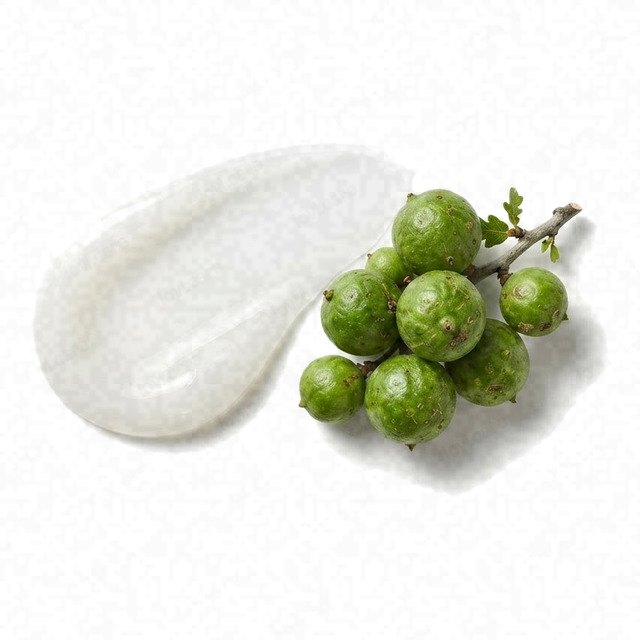 Diglucosyl Gallic Acid
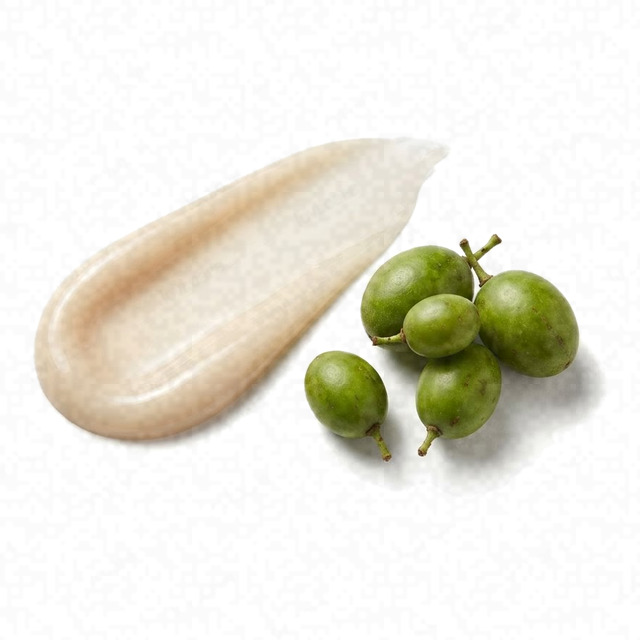 Terminalia Ferdinandiana Fruit Extract
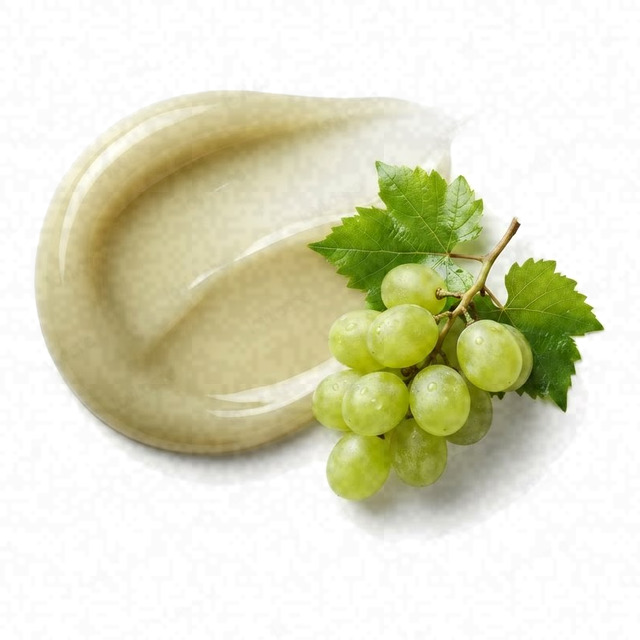 Vitis Vinifera Seed Oil Grape Seed Oil
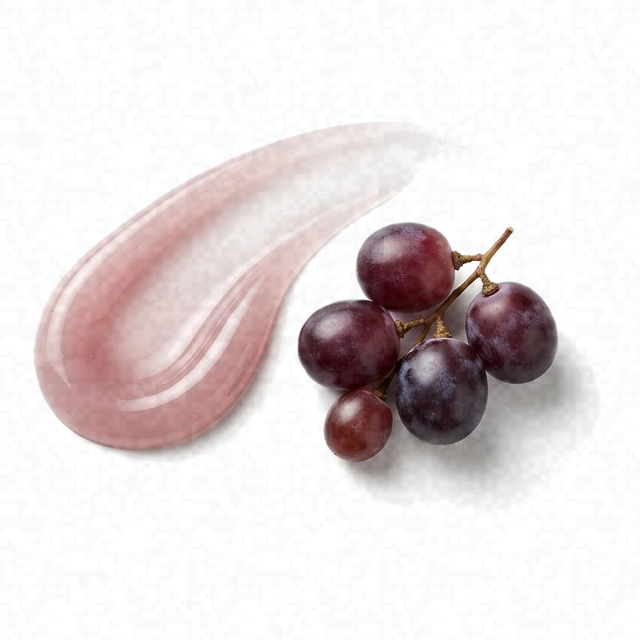 Resveratrol
Average
- AverageCombination Skin Fit
- AverageEffectiveness
- HighSafety
Works for combination skin; other serums fit it better.
This fit is calculated for the concerns frequently associated with combination skin: an oily T-zone, enlarged pores, and dry cheeks. For scores and recommendations based on your full skin profile, including your 12D face scan results and any goals or preferences you have, please use the Lovi app.
Page built Nov 8, 2026How the Fit score works
Lovi Assistant explains
- Offers moderate brightening for your combination skin, as Diglucosyl Gallic Acid and Niacinamide work to even skin tone and provide antioxidant benefits, though it lacks sufficient ingredients for optimal oil control on your oily areas.
- Squalane and Glycerin offer general hydration supportive for combination skin, but do not specifically target oily shine.
- The product is safe for your combination skin with no risks of irritation due to the absence of prohibited or harsh ingredients.
How to apply
- Use your serum as part of your PM routine. Start using it 3 times a week and move to daily use if your skin likes it.
- Apply the serum after cleansing and toner, and right before your moisturizer.
- Gently press 2-3 drops of the serum into your skin and wait a minute ⏳for it to soak in.
- Apply the serum on clean and dry skin since your skin is not sensitive.
- Always do a patch test before using the serum for the first time, and avoid the eye area .
People Say
★4.6Overall rating based on 100+ reviewsBased on limited data, users report positive outcomes in fading sun spots, age spots, and discoloration, leading to a more even complexion. The formula is frequently described as gentle and antioxidant-rich, leaving skin feeling soft. Some users note that complete spot disappearance requires consistent, long-term application, and results can vary.
Highlights
Easy application Often Mentioned
- “Very easy to use”
- “Goes on evenly”
- “Fast-absorbing serum”
Fades dark spots Often Mentioned
- “My sun spots are fading”
- “Black spots are almost gone”
- “Spots are just faint”
Slow results Often Mentioned
- “Will take some work”
- “Not completely disappeared”
- “Requires consistent use”
Gentle formula Sometimes Noted
- “No adverse reaction”
- “No scarring”
- “No harsh chemical irritation”
Improves skin texture Sometimes Noted
- “Makes skin soft and silky”
- “Skin feels smoother”
- “Skin looks more vibrant”
Incomplete fading Sometimes Noted
- “Does not get rid of discoloration”
- “Still visible”
- “Spots are just faint”
Price/Value Rarely Noted
- “Expensive for the amount”
- “Need multiple bottles”
- “Costly for long-term use”
Sources: lovi.care, productreview.com.au, gundrymd.com, streetinsider.com, solvadermstore.com, and more
Questions and answers
How well does Polyphenol Dark Spot Diminisher work for combination skin?
Gundry MD Polyphenol Dark Spot Diminisher works moderately well for combination skin, providing general hydration and brightening while being safe from irritation, though it lacks strong oil control for oily areas. Treatments that fit this skin type better need ingredients like niacinamide, propolis, and zinc PCA to regulate oiliness while keeping the skin balanced and hydrated.
The British Journal of Dermatology, 2002International Journal of Cosmetic Science, 2022
Which ingredients make this cream a good fit for combination skin?
Niacinamide and diglucosyl gallic acid make this cream a good fit by helping even your skin tone and brighten your complexion. Squalane and glycerin also provide gentle, general hydration that supports your skin. For a better fit with combination skin, a treatment of this type needs ingredients like niacinamide, propolis, or zinc PCA that regulate oiliness and manage oily shine without causing irritation.
The British Journal of Dermatology, 2002International Journal of Cosmetic Science, 2022
What does Niacinamide do for combination skin?
Niacinamide helps balance oily areas by reducing excess shine and pore size while keeping dry patches hydrated and smooth. It also works to calm redness and even out skin tone, making it very suitable for combination skin.
What does Diglucosyl Gallic Acid do for combination skin?
Diglucosyl gallic acid helps brighten combination skin while reducing dark spots and redness. It works to even out skin tone and improve overall radiance.
International Journal of Cosmetic Science, 2022ACS Omega, 2025
Where does this cream go in a skincare routine for combination skin?
This treatment goes in the evening routine after cleansing and before moisturizing. A product of this type for combination skin needs balancing and oil-controlling ingredients to manage shiny areas while keeping hydration steady.
Can I use this cream with retinol, and in what order?
Yes, you can use this treatment with retinol by applying the retinol first and following with this cream. This product is unlikely to cause irritation on combination skin.
How often should I use this cream?
This treatment works well in the evening routine, and a combination skin type needs ingredients that also help control shine in oily areas.
Can this cream clog pores, cause breakouts or purging for combination skin?
This cream is unlikely to clog pores or cause breakouts on your combination skin because it is made without harsh ingredients. To properly care for combination skin, a product of this type needs balancing ingredients that help control excess oil while keeping dry areas hydrated.
Is this cream fragrance-free and alcohol-free?
It has no drying alcohol and contains fragrance (parfum).
What the research says
Niacinamide significantly decreased hyperpigmentation and increased skin lightness compared with vehicle alone after 4 weeks of use in women by inhibiting melanosome transfer.
The British Journal of Dermatology, 2002Diglucosyl gallic acid exhibits stronger tyrosinase inhibition than VC with an IC50 of 2.68 mg/mL, and its application as a cosmetic ingredient improves skin brightness while reducing ultraviolet spots, melanin, and erythema in human volunteers.
International Journal of Cosmetic Science, 2022Topical post-laser application of human adipocyte-derived mesenchymal stem cell media combined with niacinamide significantly improved wrinkle index, melanin index, patient satisfaction, and investigator esthetic improvement scores compared to vehicle cream in patients with aging skin.
Journal of Cosmetic Dermatology, 2021A single application of a moisturizing fluid containing hyaluronic acid 1%, glycerin 5%, and Centella asiatica stem cells extract significantly increased skin hydration by 29% and reduced transepidermal water loss at 24 hours compared to baseline and an untreated control site in twenty healthy women.
Clinical, Cosmetic and Investigational Dermatology, 2017Topical nicotinamide prevented solar-simulated UV-induced immunosuppression in healthy volunteers, and men experienced immunosuppression at solar-simulated UV doses three times lower than those required for women.
The Journal of Investigative Dermatology, 2008Topical 5% niacinamide applied twice daily for 12 weeks reduced fine lines and wrinkles, hyperpigmented spots, red blotchiness, and skin sallowness, and improved skin elasticity compared to vehicle control in 50 female white subjects with facial photoaging.
Dermatologic Surgery, 2005Topical 2% niacinamide significantly decreased sebum excretion rate in Japanese individuals and casual sebum levels in Caucasian individuals compared to placebo or baseline.
Journal of Cosmetic and Laser Therapy, 2006Grapeseed oil-loaded dermocosmetic nanoemulgel applied on the cheeks of healthy volunteers significantly reduced skin melanin, erythema, sebum production, and pores while increasing moisture and elasticity compared to a placebo.
Journal of Cosmetic Dermatology, 2022Topical treatment with cranberry oil and grape oil improved wound healing in rats, with cranberry oil showing an 88.1% wound area reduction and grape oil showing 84.6% compared to 74.1% in controls and 78.4% in the mupirocin standard group on day 13.
Phytotherapy Research, 2011An ionic liquid-based grapeseed oil emulsion increased transdermal penetration by 4.63-fold and improved skin hydration, firmness, elasticity, and facial wrinkles after 28 days of continuous use compared to ordinary emulsion.
Pharmaceuticals, 2024Topical CE Ferulic plus resveratrol BE serum following ablative fractional CO2 laser treatment reduced erythema index (308.9 vs. 325.3), shortened complete scabbing detachment time (6.0 vs. 6.5 days), decreased melanin index (-7.4% vs. +0.2%), and improved skin hydration compared to normal saline in 51 Chinese patients.
Journal of the European Academy of Dermatology and Venereology, 2024Topical treatment with a combination of pyridine-2, 4-dicarboxylic acid diethyl ester and resveratrol significantly increased hair density in 79 Caucasian female subjects starting from 1.5 months compared to baseline.
International Journal of Cosmetic Science, 2020A nighttime topical antioxidant containing resveratrol, baicalin, and vitamin E significantly improved fine lines, wrinkles, firmness, elasticity, laxity, hyperpigmentation, radiance, roughness, and dermal thickness in subjects with mild to moderately photodamaged skin over 12 weeks.
Journal of Drugs in Dermatology, 2014
Why other serums fit combination skin better
Niacinamide and ferulic acid incorporated in a stable multiple emulsion successfully reduced melanin, sebum, and skin erythema while improving skin elasticity and hydration in human skin compared to a placebo.
BioMed Research International, 2022A panthenol-enriched mask improved skin hydration, regulated sebum, and reduced redness and TEWL across dry sensitive, oily sensitive, and oily acne skin subgroups with excellent tolerance and no adverse reactions.
Journal of Cosmetic Dermatology, 2024
Ingredients
Deionized Water, Propanediol, Diglucosyl Gallic Acid, Vitis Vinifera Seed Oil Grape Seed Oil, Squalane, Glycerin, Terminalia Ferdinandiana Fruit Extract, Butyrospermum Parkii Butter Shea Butter, Dimethicone, Cyclopentasiloxane, Niacinamide, Rhodiola Rosea Extract Roseroot Extract, Argania Spinosa Kernel Oil Argan Kernel Oil, Camellia Oleifera Leaf Extract Camellia Sinensis Leaf Extract, Euterpe Oleracea Fruit Extract, Diamond Powder, Polymethylsilsesquioxane, Ethylhexylglycerin, Caprylhydroxamic Acid, Caprylyl Glycol, Parfum, Blueberry Fruit Extract, Xanthan Gum, Pullulan, Sclerotium Gum, Tetrasodium Glutamate Diacetate, Citric Acid
Behind this fit score
Lovi calculates every fit score from the full ingredient list with brand-independent rules our dermatologists and cosmetic chemists build and review, and personalizes every pick with AI trained on the real results of millions of users. Lovi trains its fit score models on a proprietary dataset built from more than 10,000 expert-labeled products and more than 100,000 simulated examples, following an internally consistent methodology presented at Cosmoprof, AMWC, and Skin of Color Update.
-

Co-founder, Medical Director
Cosmetic chemist, cosmetologist, aesthetic products developer
-

Co-founder, CEO and CTO
PhD in computer science, 3x US patent holder, ex-Google, ex-Yandex
-

Dr. Sofía Perea Pérez, MD, MSc
Medical Board
Aesthetic medicine practitioner, MSc in Longevity and Anti-Aging Medicine
-

Medical Board
Specialist dermatologist, MBBS, MD, IFAAD
-

Medical Board
Cosmetic chemist, SCS, IFSCC member
-

Medical Board, Medical Advisor
Dermatology MD
-

Elina Nazarenko, MD
Medical Board
Dermatology and diagnostic consultant
-

Victoria Derkova, MS
Medical Board
Cosmetic chemist, cosmetic development technologist


How does it fit your skin?
Scan your face, then any product: Lovi shows how well it fits you and what fits even better.