Finacea Gel for dry sensitive skin

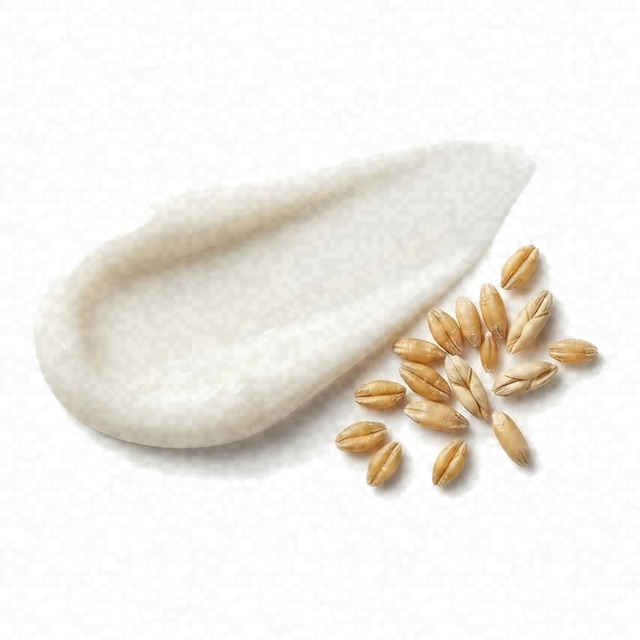 Azelaic Acid
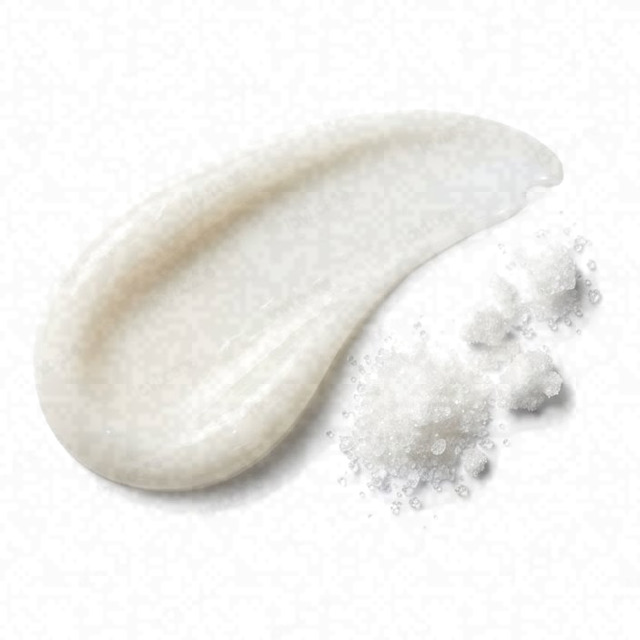 Benzoic Acid
 Disodium Edta
 Polysorbate 80
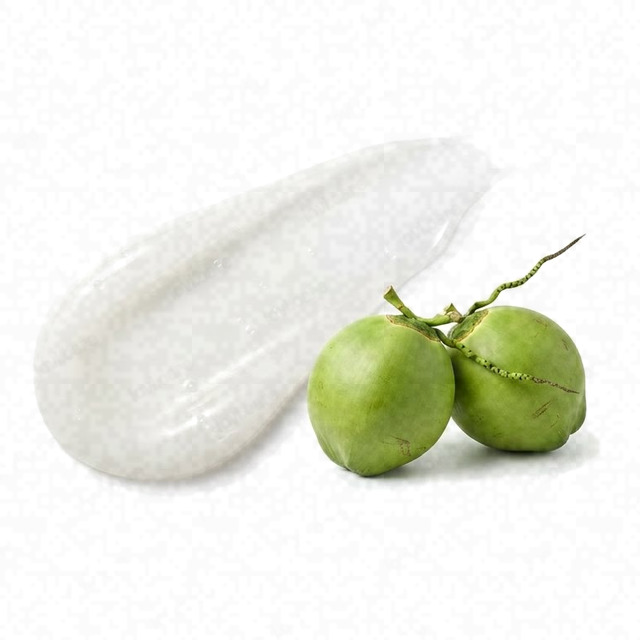 Medium-Chain Triglycerides
Low
- LowDry Skin Fit
- AverageEffectiveness
- HighSafety
A weak match for dry sensitive skin; the serums alongside fit it better.
This fit is calculated for the concerns frequently associated with dry sensitive skin: flakiness, tightness, redness, fine lines, and wrinkles. For scores and recommendations based on your full skin profile, including your 12D face scan results and any goals or preferences you have, please use the Lovi app.
Page built Nov 8, 2026How the Fit score works
Lovi Assistant explains
- Offers moderate treatment for acne-prone skin due to azelaic acid, which helps reduce acne lesions and blemishes, but it lacks specialized ingredients to address your dry or flaky skin concerns.
- Propylene glycol and polysorbate 80 may contribute to dryness, and the absence of emollient or humectant ingredients further limits its suitability for your dry skin type.
- The product is safe for your dry and sensitive skin as it contains no prohibited or harsh ingredients that would cause irritation.
How to apply
- Use this PM routine for your evening skincare. Start using the serum 3 times a week and increase to daily use if your skin feels comfortable.
- Apply the serum after cleansing and toner, but right before your moisturizer. This step locks in deep hydration for dry skin.
- Gently press 2-3 drops of the serum into your skin using your palms. Let it absorb completely for a minute ⏱ before applying your next product.
- Since your skin is sensitive, apply the serum on completely dry skin for better tolerance and less irritation.
- Avoid the sensitive eye area during application. Always do a patch test before your first use to ensure your skin reacts well.
People Say
★4.0Overall rating based on 200+ reviewsHowever, many users experience initial stinging, peeling, and dryness as their skin adjusts.
Highlights
Reduces facial redness Often Mentioned
- “angry red is disappearing”
- “redness is gone and I no longer have breakouts”
- “redness going down”
Initial stinging sensation Often Mentioned
- “causes stinging then itchiness for an hour”
- “felt like an army of invisible goblins tickling my face”
- “burning or stinging that persists”
- “itchiness is bothersome”
Improves skin texture Sometimes Noted
- “my texture changed completely”
- “skin feels smooth, like I'm on Accutane again”
- “skin was more creamy and lighter”
- “my skin is clear and bright”
Skin peeling/dryness Sometimes Noted
- “my face is peeling off!”
- “skin was peeling like crazy”
- “very dry patches of skin”
- “skin is still very dry and flakey”
Temporary acne purging Rarely Noted
- “purged for about five weeks of unrelenting breakouts”
- “had a severe breakout”
- “face is also purging and still peeling”
- “brings more bumps, congestion and whiteheads”
Sources: lovi.care, drugs.com, webmd.com, theindependentpharmacy.co.uk, medino.com, reddit.com, and more
Questions and answers
Why is Finacea Gel a weak match for dry sensitive skin?
Finacea Finacea Gel is a weak match for your dry sensitive skin because it lacks moisturizing and softening ingredients to address dryness, and some of its components may even dry out the skin further. A product of this type needs effective hydrating and nourishing ingredients, ceramides, and multiple forms of vitamin C to provide great hydration and texture improvement without irritation.
Which ingredients make this gel a poor fit for dry sensitive skin?
Propylene glycol and polysorbate 80 may contribute to dryness, while the absence of nourishing and moisturizing ingredients limits its suitability for your dry skin type. A treatment for dry sensitive skin needs soothing moisturizers and protective barrier-supporting ingredients.
What does Azelaic Acid do for dry sensitive skin?
Azelaic acid is generally not an ideal fit for dry sensitive skin because it may cause stinging, irritation, or dryness, though it can help calm redness and soothe inflammation when formulated gently. To work well for dry sensitive skin, a product of this type needs calming plant extracts, rich moisturizers, and barrier-repairing ingredients to keep the skin soft and comfortable.
What does Benzoic Acid do for dry sensitive skin?
Benzoic acid helps keep formulas safe and stable for your skin. It is unlikely to irritate dry sensitive skin when used at standard amounts in products.
Where does this gel go in a skincare routine for dry sensitive skin?
This treatment goes in the evening routine for dry sensitive skin, as it lacks specialized ingredients for dryness and needs moisturizing ingredients to properly care for this skin type.
Can I use it with niacinamide, and in what order?
You can use this treatment with niacinamide, applying the niacinamide first and letting it absorb before you put on the treatment. A product of this type for dry sensitive skin needs soothing ingredients and extra moisture to prevent dryness and keep your skin soft.
How often should I use this gel?
This treatment should be used once a week at night to start, and people who tolerate it well and see good results can carefully use it more often. A product of this type needs rich moisturizing ingredients that lock in moisture and soften dry skin, which this formula lacks.
Can this gel clog pores, cause breakouts or purging for dry sensitive skin?
Finacea Gel is unlikely to cause clogged pores or breakouts, but it may cause temporary skin peeling or dryness for dry sensitive skin. A product of this type needs rich moisturizing and soothing ingredients to keep dry skin soft and comfortable.
Is it fragrance-free and alcohol-free?
Yes, it has no fragrance and no drying alcohol.
What the research says
Azelaic acid nanocrystal hydrogel 10% achieved a higher success rate and greater lesion reduction than azelaic acid cream 20% in patients with mild to moderate facial acne.
Pharmaceutics, 2021Application of 15% azelaic acid gel significantly reduced post-inflammatory erythema and hyperpigmentation, decreased hemoglobin and melanin content, improved quality of life, and contributed to acne improvement in patients with mild to moderate acne compared to placebo.
Dermatology and Therapy, 2024Topical application of a dermocosmetic containing Myrtus communis extract and azelaic acid reduced acne relapses and helped maintain remission compared to a light moisturizing cream in adult females in the acne maintenance phase over 16 weeks.
Journal of the European Academy of Dermatology and Venereology, 2023Topical application of an emollient emulsion containing 15.0% caprylic/capric triglyceride doubled the amount of urocanic acid isomers and increased skin hydration with reduced transepidermal water loss in healthy subjects, though it did not prevent ultraviolet-induced urocanic acid isomerization.
Life, 2023Hempseed or flaxseed oil-based lyotropic liquid crystals with the highest oil content and lecithin/Tween 80 mixture provided a 2-fold reduction in TEWL values and decreased skin erythema levels in healthy adult subjects compared to baseline.
Acta Pharmaceutica, 2024Topical administration of 20% azelaic acid cream and 5% tranexamic acid solution comparably improved acne-related postinflammatory hyperpigmentation in patients with acne vulgaris, while tranexamic acid demonstrated a significantly better safety profile at week 4.
Journal of Research in Medical Sciences, 2023Azelaic acid 15% gel showed comparable efficacy to adapalene 0.1% gel in reducing lesions, severity, and Dermatology Life Quality Index in women with adult acne, with significantly lower dryness and scaling, and demonstrated superiority during maintenance compared to no further treatment.
Journal of the European Academy of Dermatology and Venereology, 2015Trioxsalen bath PUVA therapy suppressed nonimmunologic immediate contact reactions to benzoic acid and methyl nicotinate in 12 dermatologic patients, with the suppressive effect intensifying during therapy.
International Journal of Dermatology, 1989Liquid crystalline emulsions formulated with camellia seed oil and four different surfactant combinations reduced transepidermal water loss and increased skin hydration without causing skin irritation, with the formulation containing Lecinol S-10 and Tween 80 demonstrating the best clinical results.
Scientific Reports, 2023The cytotoxic effect of sodium lauryl sulphate on normal human keratinocytes was significantly decreased when combined with cocamidopropyl betaine, Tween 20, and Tween 80 at concentrations well below the critical micelle concentration.
Skin Pharmacology and Applied Skin Physiology, 2003Transfersomes formulated with Phospholipon 90 G and Tween 80 enhanced the transdermal delivery of eprosartan mesylate with high entrapment efficiency, deep skin penetration, and no skin irritation.
Pharmaceutical Development and Technology, 2018
Why other serums fit dry sensitive skin better
A formulation containing glycerol (5%) and xylitol (5%) applied twice daily for 14 days increased skin hydration, filaggrin protein quantity, interdigitation index, and biomechanical properties, and decreased transepidermal water loss compared to untreated and vehicle-treated skin in twelve volunteers with dry skin.
Acta Dermato-venereologica, 2017Glycerol accelerates barrier repair and improves stratum corneum hydration compared to untreated and base-treated sites.
Acta Dermato-venereologica, 1999In 50 participants with sensitive skin, a Ceramide NP C15-containing emollient improved skin barrier function with a significant reduction in transepidermal water loss and induced modest changes in skin microbiota compared to the vehicle.
Skin Pharmacology and Physiology, 2026
Ingredients
Azelaic Acid, Benzoic Acid, Disodium Edta, Lecithin, Medium-Chain Triglycerides, Polyacrylic Acid, Polysorbate 80, Propylene Glycol, Water, Sodium Hydroxide
Behind this fit score
Lovi calculates every fit score from the full ingredient list with brand-independent rules our dermatologists and cosmetic chemists build and review, and personalizes every pick with AI trained on the real results of millions of users. Lovi trains its fit score models on a proprietary dataset built from more than 10,000 expert-labeled products and more than 100,000 simulated examples, following an internally consistent methodology presented at Cosmoprof, AMWC, and Skin of Color Update.
-

Co-founder, Medical Director
Cosmetic chemist, cosmetologist, aesthetic products developer
-

Co-founder, CEO and CTO
PhD in computer science, 3x US patent holder, ex-Google, ex-Yandex
-

Dr. Sofía Perea Pérez, MD, MSc
Medical Board
Aesthetic medicine practitioner, MSc in Longevity and Anti-Aging Medicine
-

Medical Board
Specialist dermatologist, MBBS, MD, IFAAD
-

Medical Board
Cosmetic chemist, SCS, IFSCC member
-

Medical Board, Medical Advisor
Dermatology MD
-

Elina Nazarenko, MD
Medical Board
Dermatology and diagnostic consultant
-

Victoria Derkova, MS
Medical Board
Cosmetic chemist, cosmetic development technologist


How does it fit your skin?
Scan your face, then any product: Lovi shows how well it fits you and what fits even better.