Epimax Cream for acne-prone skin

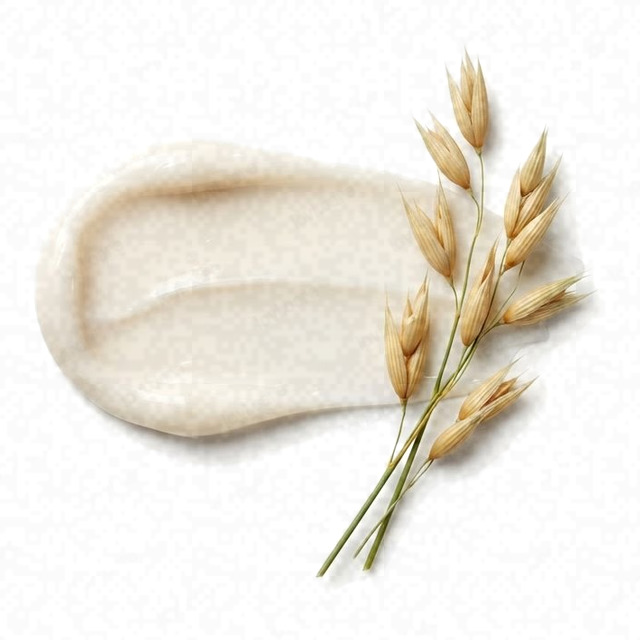 Oat
 Glycerin
 Liquid Paraffin
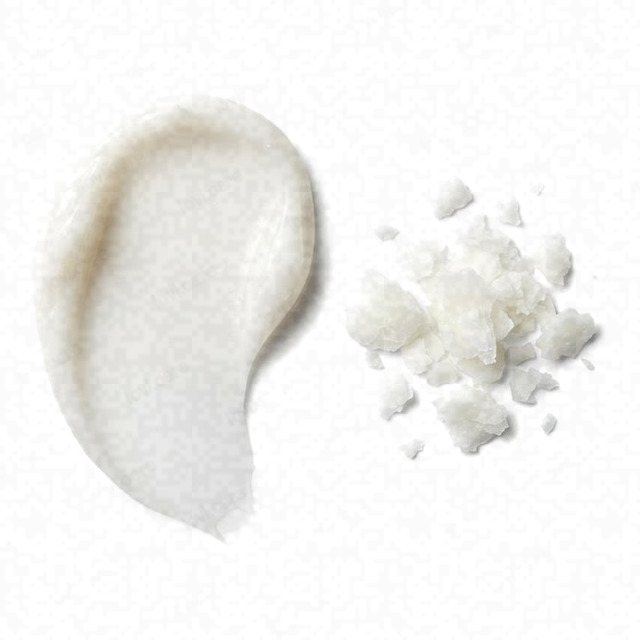 Cetostearyl Alcohol
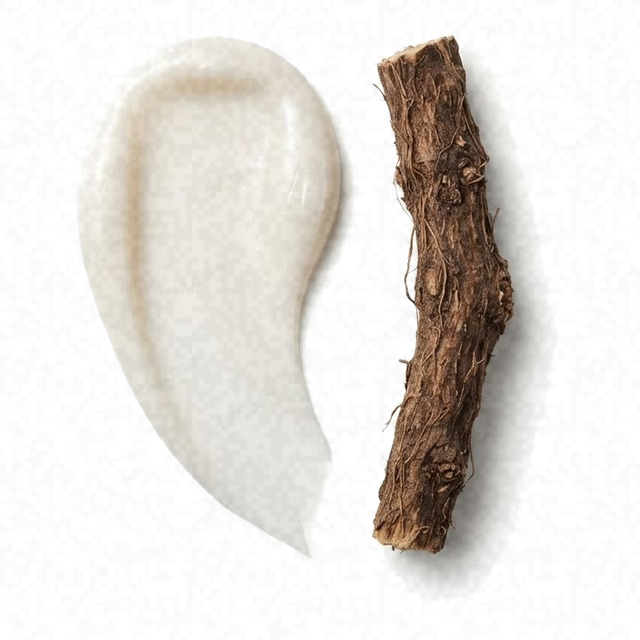 Allantoin
Average
- AverageCombination Skin Fit
- AverageEffectiveness
- HighSafety
Works for acne-prone skin; other moisturizers fit it better.
- Journal of the American Academy of Dermatology, 1992
- Clinical, Cosmetic and Investigational Dermatology, 2017
This fit is calculated for the concerns frequently associated with acne-prone skin: breakouts, blackheads, and post-acne marks. For scores and recommendations based on your full skin profile, including your 12D face scan results and any goals or preferences you have, please use the Lovi app.
Page built Nov 8, 2026How the Fit score works
Lovi Assistant explains
- Offers excellent moisturizing for your combination skin due to glycerin and white soft paraffin, which hydrate and enhance barrier resilience, but these benefits are largely irrelevant for your primary concerns of acne, blemishes, and breakouts.
- While the formula is safe for combination skin and free of harsh ingredients, it lacks sufficient ingredients for effective seboregulation, which is crucial for managing acne.
- The product has a good safety profile with no risks of irritation for your combination skin.
How to apply
- Use your moisturizer twice a day in your AM and PM routines. Apply it daily to help keep breakouts under control.
- Apply after your cleanser and toner, and make sure to use your SPF right after in the morning.
- Gently spread a small amount of moisturizer over your face using soft motions. Let it absorb into the skin for a minute before getting dressed or applying makeup.
- Apply on slightly damp skin to help lock in extra moisture. This keeps your combination skin balanced without feeling heavy.
- Avoid the eye area and do a patch test before your first use. Stop using if you feel any irritation.
Questions and answers
How well does Epimax Cream work for acne-prone skin?
Epimax Cream works decently for acne-prone skin by providing solid hydration with glycerin and liquid paraffin, though other products fit this skin better. Because it lacks ingredients to help control oil, an acne-prone skin needs a moisturizer with specialized blemish-fighting ingredients and soothing extracts to truly manage breakouts.
Which ingredients make this cream a good fit for acne-prone skin?
Glycerin and white soft paraffin make this cream a good fit by hydrating your skin and protecting its barrier, but it lacks ingredients that help control oil and breakouts. A moisturizer for acne-prone skin needs ingredients that target blemishes, calm redness, and balance oil production.
What does Oat do for acne-prone skin?
Oat helps calm redness and irritation on acne-prone skin while soothing dry, sensitive spots without clogging pores. Because acne-prone skin needs lightweight hydration and gentle care to keep the skin barrier strong, products for this skin type benefit from soothing ingredients like colloidal oatmeal.
Journal of Drugs in Dermatology, 2015Journal of Drugs in Dermatology, 2020
What does Glycerin do for acne-prone skin?
Glycerin helps keep acne-prone skin hydrated and calm without clogging pores or feeling heavy. It supports the skin barrier so it stays soft and smooth while handling everyday treatments.
The British Journal of Dermatology, 2008International Journal of Toxicology, 2019
Where does it go in a skincare routine for acne-prone skin?
Epimax Epimax Cream goes as the moisturizer step in both your morning and evening routines. While it hydrates well with glycerin and white soft paraffin, acne-prone skin needs a moisturizer with added oil-controlling and breakout-clearing ingredients to truly manage blemishes.
Can I use this cream with retinol, and in what order?
You can use this cream with retinol by applying the retinol first, letting it absorb, and then smoothing on the moisturizer. This routine helps keep your skin soft and smooth while protecting it from dryness and irritation. To better manage acne and breakouts, this skin also needs ingredients that balance oil production.
How often should I use it?
You can use this moisturizer daily in your morning and evening skincare routines to keep your skin hydrated and soft. Daily application helps maintain skin barrier function and moisture levels.
Health Science Reports, 2021Journal of Cosmetic Dermatology, 2020
Can this cream clog pores, cause breakouts or purging for acne-prone skin?
This cream is unlikely to cause irritation for your acne-prone skin, but it lacks the oil-controlling ingredients needed to actively manage breakouts. A moisturizer for this skin type needs targeted ingredients that help balance oil and keep pores clear.
Can I use it around the eyes or on my body?
You can safely use this moisturizer on your body and around the eyes because it has a gentle formula with no irritation risks and works well on thinner skin areas. Ingredients like glycerin and white soft paraffin help hydrate the skin and keep the barrier strong.
Surgical and Radiologic Anatomy, 2002Journal of the American Academy of Dermatology, 1992
Is this cream fragrance-free and alcohol-free?
It has no drying alcohol and contains fragrance (benzyl alcohol).
What the research says
Vaseline Petroleum Jelly accelerated barrier recovery and penetrated throughout the stratum corneum interstices in human volunteers after acetone-induced barrier disruption.
Journal of the American Academy of Dermatology, 1992A single application of a moisturizing fluid containing hyaluronic acid 1%, glycerin 5%, and Centella asiatica stem cells extract significantly increased skin hydration by 29% and reduced transepidermal water loss at 24 hours compared to baseline and an untreated control site in twenty healthy women.
Clinical, Cosmetic and Investigational Dermatology, 2017A repair cream containing Rhealba oat plantlets extract, l-ALA-l-GLU dipeptide, and hyaluronic acid provided immediate relief and was judged by doctors as good or very good in 96.8% of cases for wound healing in 2,363 patients following dermatological acts.
Clinical, Cosmetic and Investigational Dermatology, 2018Topically applied Avena sativa and Avena Rhealba oatmeal extracts significantly reduced skin irritation parameters including a* parameter increase and blood flow increase compared to vehicle in 12 healthy individuals subjected to the sodium lauryl sulfate irritation model.
Skin Pharmacology and Applied Skin Physiology, 2002Colloidal oat extracts diminished pro-inflammatory cytokines in vitro and colloidal oat lotion improved skin dryness, scaling, roughness, and itch intensity in healthy female subjects compared to baseline.
Journal of Drugs in Dermatology, 2015The emollient V0034CR significantly reduced TEWL compared to vehicle and vehicle plus glycerol, and significantly increased corneometry scores compared to vehicle and vehicle plus petrolatum in healthy volunteers with dry skin, demonstrating combined barrier function improvement from petrolatum and hydration improvement from glycerol.
Journal of Cosmetic Dermatology, 2020Ten days of treatment with a cream containing 20% glycerin significantly increased skin hydration measured by corneometer values in 17 healthy volunteers compared to a placebo cream, but showed no influence on transepidermal water loss or skin sensitivity to an irritating surfactant.
International Journal of Cosmetic Science, 2001Niacinamide/glycerin body moisturizers provided better rapid and prolonged improvement of cosmetic xerosis through functional improvement of stratum corneum barrier function compared to no treatment and conventional moisturizers in female subjects.
Journal of Drugs in Dermatology, 2012Repeated application of concentrated water-in-oil emulsions over four weeks caused no skin irritation, positively affected skin properties, and delivered almost 50% of the applied fluorescein sodium, with isopropyl myristate showing superior penetration performance compared to liquid paraffin in healthy volunteers.
International Journal of Pharmaceutics, 2019Topical gel containing chitosan, 0.2% chlorhexidine, allantoin and dexpanthenol did not improve postoperative comfort regarding swelling and pain, but improved the wound's aesthetic appearance following impacted lower third molar extraction compared to no gel.
Medicina Oral, Patologia Oral Y Cirugia Bucal, 2016A topical gel containing chitosan, chlorhexidine, allantoin, and dexpanthenol significantly reduced postoperative pain, trismus, swelling, and analgesic consumption, while improving wound healing after third molar surgery compared to a placebo.
Medicina Oral, Patologia Oral Y Cirugia Bucal, 2020An overnight patch containing Allium cepa extract and allantoin safely promotes scar healing after dermatologic surgery, resulting in significantly greater reductions in observer- and patient-assessed POSAS scores compared to no treatment.
Aesthetic Plastic Surgery, 2018
Why other moisturizers fit acne-prone skin better
Co-delivery of paeonol and madecassoside via nanoemulsions improved transdermal delivery, promoted barrier repair proteins, inhibited inflammatory cytokine secretion in cellular and 3D models, and reduced transepidermal water loss and acne in human facial skin compared to free components.
Molecules, 2023A panthenol-enriched mask improved skin hydration, regulated sebum, and reduced redness and TEWL across dry sensitive, oily sensitive, and oily acne skin subgroups with excellent tolerance and no adverse reactions.
Journal of Cosmetic Dermatology, 2024A facial serum containing snail secretion filtrate, Calendula officinalis, and Glycyrrhiza glabra root extract significantly reduced inflammatory acne lesions compared to placebo in 66 participants with mild-to-moderate maskne over 12 weeks.
Journal of Cosmetic Dermatology, 2022
Ingredients
Allantoin, Avena Sativa Kernel Flour Oat Kernel Flour, Benzyl Alcohol, Cetostearyl Alcohol, Dimethicone, Distearyldimonium Chloride, Ethylhexylglycerin, Glycerin, Isopropanol, Isopropyl Palmitate, Liquid Paraffin, Octyldodecanol, Phenoxyethanol, Sodium Chloride, Water, White Soft Paraffin
Behind this fit score
Lovi calculates every fit score from the full ingredient list with brand-independent rules our dermatologists and cosmetic chemists build and review, and personalizes every pick with AI trained on the real results of millions of users. Lovi trains its fit score models on a proprietary dataset built from more than 10,000 expert-labeled products and more than 100,000 simulated examples, following an internally consistent methodology presented at Cosmoprof, AMWC, and Skin of Color Update.
-

Co-founder, Medical Director
Cosmetic chemist, cosmetologist, aesthetic products developer
-

Co-founder, CEO and CTO
PhD in computer science, 3x US patent holder, ex-Google, ex-Yandex
-

Dr. Sofía Perea Pérez, MD, MSc
Medical Board
Aesthetic medicine practitioner, MSc in Longevity and Anti-Aging Medicine
-

Medical Board
Specialist dermatologist, MBBS, MD, IFAAD
-

Medical Board
Cosmetic chemist, SCS, IFSCC member
-

Medical Board, Medical Advisor
Dermatology MD
-

Elina Nazarenko, MD
Medical Board
Dermatology and diagnostic consultant
-

Victoria Derkova, MS
Medical Board
Cosmetic chemist, cosmetic development technologist


How does it fit your skin?
Scan your face, then any product: Lovi shows how well it fits you and what fits even better.