Dr. Dennis Gross Alpha Beta Universal Daily Peel for acne-prone skin

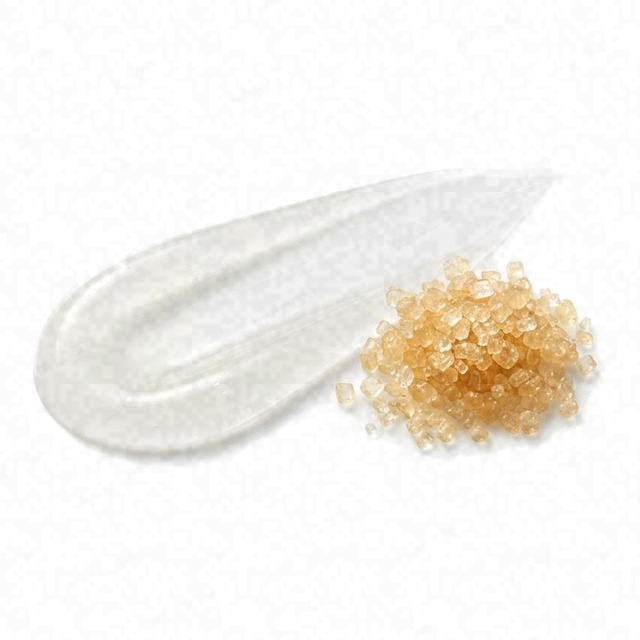 Glycolic Acid
 Salicylic Acid
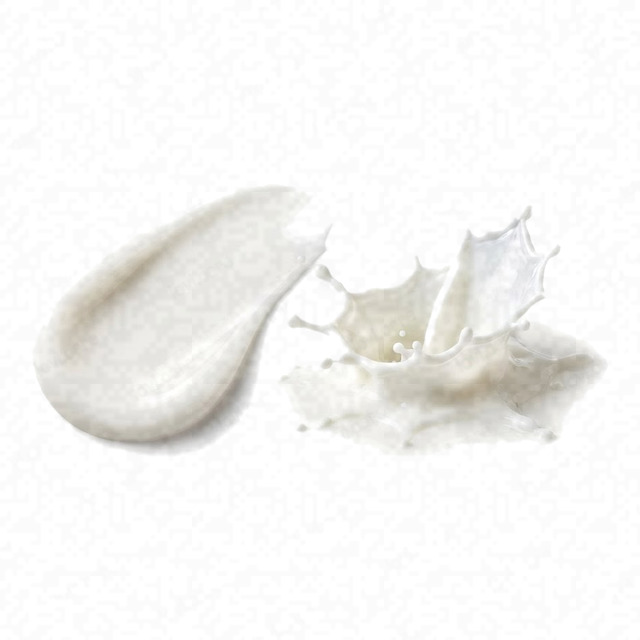 Lactic Acid
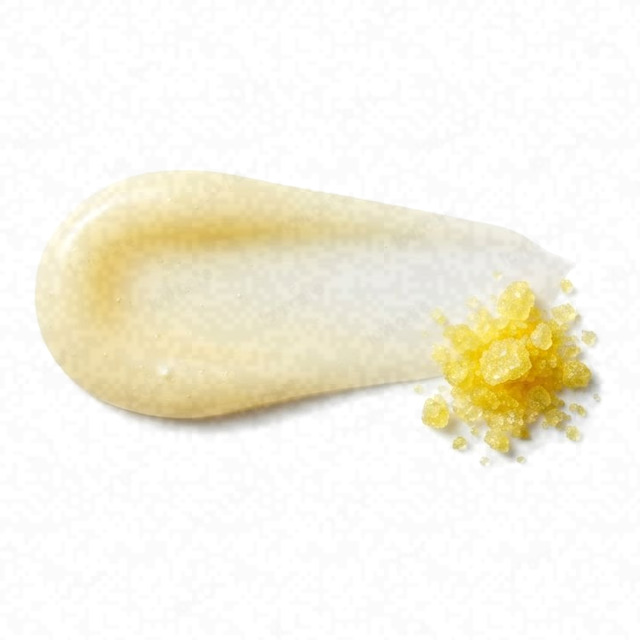 Retinol
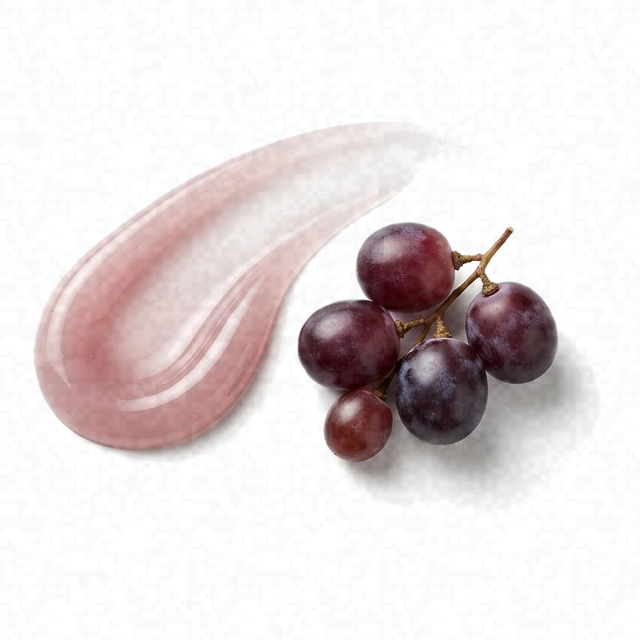 Resveratrol
Superior
- SuperiorCombination Skin Fit
- HighEffectiveness
- ExcellentSafety
One of the best products for acne-prone skin.
This fit is calculated for the concerns frequently associated with acne-prone skin: breakouts, blackheads, and post-acne marks. For scores and recommendations based on your full skin profile, including your 12D face scan results and any goals or preferences you have, please use the Lovi app.
Page built Nov 8, 2026How the Fit score works
Lovi Assistant explains
- Excellent suitability for your combination skin as glycolic acid and salicylic acid offer superb exfoliation to decongest pores and regulate oil production, targeting your acne and blemishes effectively.
- Camellia Sinensis Leaf Extract and Chamomilla Recutita Flower Extract provide soothing benefits, complementing the potent acids and ensuring comfort for your skin.
- The safety profile is excellent, with no risks of irritation due to the absence of harsh ingredients and the presence of calming botanical extracts.
How to apply
- Use this exfoliant PM once a week to start, and gradually increase if your combination skin tolerates it well. Always apply SPF the next morning to protect your clear skin.
- Apply the exfoliant after cleansing and toning, but right before your moisturizer step. This ensures the treatment targets blemishes effectively.
- Gently press 2-3 drops of the exfoliant into your skin without rubbing. Let it absorb for a minute before moving to the next step.
- Apply the exfoliant on clean, dry skin to help control breakouts safely. Since your skin is not sensitive, this dry application method ensures good product absorption.
- Avoid the sensitive eye area and do a patch test before your first use. Do not mix this exfoliant with other strong acids in the same routine.
People Say
★4.7Overall rating based on 2.5k+ reviewsThis two-step chemical peel is highly praised for delivering professional-level results at home, with users consistently reporting immediate improvements in skin radiance and smoothness. It is effective for treating dullness, uneven texture, and mild acne across various skin types. However, it is a potent treatment that can cause stinging or purging in sensitive individuals and comes with a high price tag. This summary is based on a very large amount of data and should be definitely taken into account.
Highlights
Instant glow Mostly Mentioned
- “My skin looks brighter and more even in just five days.”
- “Gives me a healthy glow that isn't highlighter.”
- “Restores radiance immediately after use.”
- “Woke up with glowing skin the next morning.”
Smoother skin texture Often Mentioned
- “My skin feels so soft and smooth, like a baby's.”
- “Completely got rid of the rough bumps on my forehead.”
- “Makeup applies so much better on my exfoliated skin.”
- “Texture is significantly refined after a few uses.”
Expensive price point Often Mentioned
- “Incredible stuff but pricey for what it is.”
- “Hard to justify the cost for a daily item.”
- “I only buy it during sales because it's so expensive.”
- “Wish it was cheaper so I could use it every day.”
Acne and pore reduction Sometimes Noted
- “Keeps my hormonal acne and clogged pores at bay.”
- “Helps clear up breakouts faster than anything else.”
- “Noticed my pores look smaller and cleaner.”
- “Great for keeping blackheads away.”
Convenient and easy Sometimes Noted
- “Love the pre-soaked pads, perfect for travel.”
- “The two-step process is quick and effortless.”
- “Fuss-free application, takes only two minutes.”
- “So much easier than messy liquid toners.”
Stinging sensation Sometimes Noted
- “Felt a strong burning sensation upon application.”
- “My face was on fire and red instantly.”
- “Too strong for my sensitive skin, caused irritation.”
- “Stings a bit too much for comfort.”
Anti-aging benefits Rarely Noted
- “Softens fine lines on my forehead.”
- “Skin feels firmer and more plump.”
- “Helps with sun spots and discoloration over time.”
Drying or dehydrating Rarely Noted
- “Dried my skin out significantly at first.”
- “Left my face feeling tight and stripped.”
- “Need to use a heavy moisturizer afterwards.”
Purging and breakouts Rarely Noted
- “Experienced bad purging with new breakouts for a week.”
- “Caused a rash and tiny bumps all over my face.”
- “Made me break out in cystic acne initially.”
Strong chemical smell Rarely Noted
- “Smells very chemically and strong.”
- “The fumes can be a bit overpowering.”
- “Has a harsh alcohol-like scent.”
Sources: lovi.care, drdennisgross.com, sephora.ph, sephora.my, influenster.com, spacenk.com, and more
Questions and answers
What makes Dr. Dennis Gross Alpha Beta Universal Daily Peel one of the best fits for acne-prone skin?
This exfoliant treatment is one of the best fits because glycolic acid and salicylic acid offer superb exfoliation to clear out pores and manage oil, tackling your acne and blemishes effectively. Soothing plant extracts help balance the strong acids to keep your skin comfortable and calm.
Journal of Drugs in Dermatology, 2023Clinical, Cosmetic and Investigational Dermatology, 2019
Which ingredients make this exfoliant a good fit for acne-prone skin?
Glycolic acid and salicylic acid make this exfoliant a great fit for acne-prone skin because they clear out pores and manage oil production to treat breakouts. Soothing plant extracts help keep your skin comfortable while the strong acids work.
Journal of Drugs in Dermatology, 2023Clinical, Cosmetic and Investigational Dermatology, 2019
What does Glycolic Acid do for acne-prone skin?
Glycolic acid helps clear acne-prone skin by reducing pimples and breakouts. It also helps fade dark spots left behind by acne and controls skin oiliness, with very few side effects when used properly.
Journal of Cosmetic Dermatology, 2021Dermatologic Surgery, 2014
What does Salicylic Acid do for acne-prone skin?
Salicylic acid helps clear acne-prone skin by reducing pimples and calming redness without causing many side effects. It works by dipping deep into pores to clear out blockages and control oil, making it a reliable choice for keeping skin smooth and clear.
BioMed Research International, 2020Journal of Cosmetic Dermatology, 2024
Where does it go in a skincare routine for acne-prone skin?
This treatment goes in the evening routine, starting once a week before your moisturizer. You can carefully use it more often if your skin tolerates it well and you see good results.
Can I use this exfoliant with niacinamide, and in what order?
Yes, you can use this exfoliant with niacinamide by applying the exfoliant first on clean skin, letting it dry, and then following with niacinamide. Using calming ingredients alongside strong acids helps keep acne-prone skin comfortable and prevents irritation.
How often should I use it?
Start by using this exfoliant treatment once a week in your evening routine, and if your skin feels comfortable and you see good results, you can carefully use it more often. The blend of acids helps clear out pores and balance oil, while soothing plant extracts keep your skin calm with little chance of irritation.
Dermatologic Surgery, 2003Journal of Cosmetic Dermatology, 2021
Can this exfoliant clog pores, cause breakouts or purging for acne-prone skin?
This exfoliant is unlikely to clog your pores because glycolic acid and salicylic acid clear away dead skin and oil to keep pores clean and free of breakouts. Calming plant extracts help keep your skin comfortable and safe from irritation.
Journal of Drugs in Dermatology, 2023Clinical, Cosmetic and Investigational Dermatology, 2019
Is it fragrance-free and alcohol-free?
It contains fragrance (parfum) and drying alcohol (alcohol denat).
What the research says
The use of a salicylic acid-based dermocosmetic significantly reduces the needed quantity of benzoyl peroxide without impacting efficacy in mild to moderate acne, and as maintenance post-benzoyl peroxide allows a significant reduction of acne relapse compared to vehicle.
Journal of Drugs in Dermatology, 2023A moisturizer containing licochalcone A, 1,2-decanediol, L-carnitine, and salicylic acid significantly reduced noninflammatory, inflammatory, and total acne lesion counts compared to a vehicle control in Thai patients during a 12-week maintenance phase.
BioMed Research International, 2020Glycolic acid, salicylic acid, gluconolactone, and licochalcone A combined with 0.1% adapalene showed no hindrance compared to adapalene monotherapy and provided benefits in reducing complications in 25 subjects with mild-to-moderate acne vulgaris.
Clinical, Cosmetic and Investigational Dermatology, 2019An anti-acne hydrogel containing Aloe barbadensis, Garcinia mangostana, and Camellia sinensis extracts showed superior antiacne and antiblotch activities compared to 1% clindamycin gel in sixty subjects with mild-moderate acne.
Clinical, Cosmetic and Investigational Dermatology, 2019Twice daily application of a multitargeted dermocosmetic cream provided comparable efficacy to benzoyl peroxide 5% gel in reducing inflammatory, non-inflammatory, and total lesions in 150 Caucasian subjects with mild-to-moderate acne over 56 days, while demonstrating superior skin tolerability.
Journal of Cosmetic Dermatology, 2024Repeated short-contact 70% glycolic acid peels provided superior results in atrophic acne scars compared to daily low-strength glycolic acid cream or placebo in 58 women over 24 weeks.
International Journal of Dermatology, 2000Serial glycolic acid peels combined with a modified Kligman formula significantly reduced facial PIH severity in Indian patients compared to the modified Kligman formula alone.
Dermatologic Surgery, 2017Cryotherapy with liquid nitrogen achieved a higher cure rate (39%) than salicylic acid (24%) and a wait-and-see approach (16%) for cutaneous warts at 13 weeks in primary care patients.
CMAJ, 2010Treatment with 2% supramolecular salicylic acid hydrogel resulted in a regression and markedly improvement rate of 51.01% compared to 43.10% for Adapaline gel in patients with mild to moderate facial acne vulgaris, showing no significant difference in efficacy.
Journal of Cosmetic Dermatology, 2024Topical 5% benzoyl peroxide plus salicylic acid achieved the greatest lesion reduction at early 2 to 4 week time points compared to benzoyl peroxide, clindamycin, and combination benzoyl peroxide/clindamycin, while 5% benzoyl peroxide plus salicylic acid and combination benzoyl peroxide/clindamycin showed similar efficacy at 10 to 12 weeks in acne patients.
Journal of the American Academy of Dermatology, 2010Application of a cream containing lactic acid 12% and pramoxine HCl 1% significantly improved skin dryness, hydration, and itch compared with a nontreated control in 24 women with a history of dry itchy skin.
Cutis, 2004Topical 12% ammonium lactate produced a significant sparing of epidermal and dermal atrophy induced by clobetasol propionate in human volunteers, without influencing the corticosteroid's bioavailability or antiinflammatory properties.
Journal of the American Academy of Dermatology, 1992A lactic acid/ceramide lotion significantly improved skin moisturization and desquamation compared to no treatment in women with dry, rough skin on the anterior shins.
The Journal of Clinical and Aesthetic Dermatology, 2020Topical 0.4% retinol significantly increased epidermal thickness, dermal vascularity, and extracellular matrix production by stimulating keratinocyte proliferation, endothelial cell proliferation, and fibroblast activation in naturally aged human skin compared to vehicle.
International Journal of Cosmetic Science, 2017Topical bakuchiol 0.5% applied twice daily compared with retinol 0.5% applied daily significantly decreased wrinkle surface area and hyperpigmentation with no statistical difference between the compounds in 44 patients over 12 weeks, while retinol users reported more facial skin scaling and stinging.
The British Journal of Dermatology, 2019Silicone particles encapsulating retinol increased its half-life by 9-fold and yielded 12-23% lower skin irritation in human subjects compared to Microsponge particles while maintaining biological activity.
Journal of Controlled Release, 2018Topical CE Ferulic plus resveratrol BE serum following ablative fractional CO2 laser treatment reduced erythema index (308.9 vs. 325.3), shortened complete scabbing detachment time (6.0 vs. 6.5 days), decreased melanin index (-7.4% vs. +0.2%), and improved skin hydration compared to normal saline in 51 Chinese patients.
Journal of the European Academy of Dermatology and Venereology, 2024Topical treatment with a combination of pyridine-2, 4-dicarboxylic acid diethyl ester and resveratrol significantly increased hair density in 79 Caucasian female subjects starting from 1.5 months compared to baseline.
International Journal of Cosmetic Science, 2020A nighttime topical antioxidant containing resveratrol, baicalin, and vitamin E significantly improved fine lines, wrinkles, firmness, elasticity, laxity, hyperpigmentation, radiance, roughness, and dermal thickness in subjects with mild to moderately photodamaged skin over 12 weeks.
Journal of Drugs in Dermatology, 2014
Ingredients
Water, Alcohol Denat, Glycolic Acid, Potassium Hydroxide, Witch Hazel Water, Salicylic Acid, Polysorbate 20, Citric Acid, Lactic Acid, Mandelic Acid, Malic Acid, Camellia Sinensis Leaf Extract, Achillea Millefolium Extract, Chamomilla Recutita Flower Extract Matricaria Flower Extract, Soy Isoflavones, Glycerin, Copper Pca, Zinc Pca, Lecithin, Disodium Edta, Parfum, Phenoxyethanol, Benzoic Acid, Sodium Benzoate, Potassium Sorbate, Sodium Bicarbonate, Ascorbic Acid, Retinol, Tocopheryl Acetate, Resveratrol, Ubiquinone, Adenosine, Leuconostoc Radish Root Ferment Filtrate, Dimethicone, Octoxynol-9, Bht, Bha, Tetrasodium Edta
Behind this fit score
Lovi calculates every fit score from the full ingredient list with brand-independent rules our dermatologists and cosmetic chemists build and review, and personalizes every pick with AI trained on the real results of millions of users. Lovi trains its fit score models on a proprietary dataset built from more than 10,000 expert-labeled products and more than 100,000 simulated examples, following an internally consistent methodology presented at Cosmoprof, AMWC, and Skin of Color Update.
-

Co-founder, Medical Director
Cosmetic chemist, cosmetologist, aesthetic products developer
-

Co-founder, CEO and CTO
PhD in computer science, 3x US patent holder, ex-Google, ex-Yandex
-

Dr. Sofía Perea Pérez, MD, MSc
Medical Board
Aesthetic medicine practitioner, MSc in Longevity and Anti-Aging Medicine
-

Medical Board
Specialist dermatologist, MBBS, MD, IFAAD
-

Medical Board
Cosmetic chemist, SCS, IFSCC member
-

Medical Board, Medical Advisor
Dermatology MD
-

Elina Nazarenko, MD
Medical Board
Dermatology and diagnostic consultant
-

Victoria Derkova, MS
Medical Board
Cosmetic chemist, cosmetic development technologist


How does it fit your skin?
Scan your face, then any product: Lovi shows how well it fits you and what fits even better.