Derma E Vitamin C Concentrated Serum for oily skin

 Ascorbic Acid
 Sodium Hyaluronate
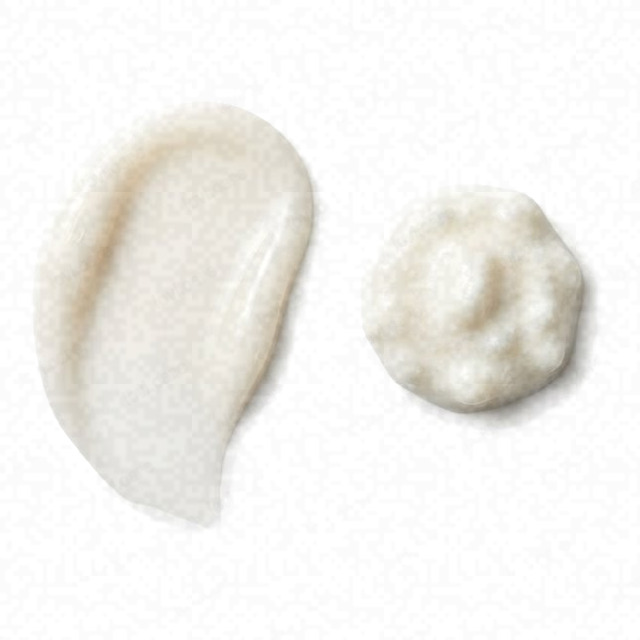 Probiotics
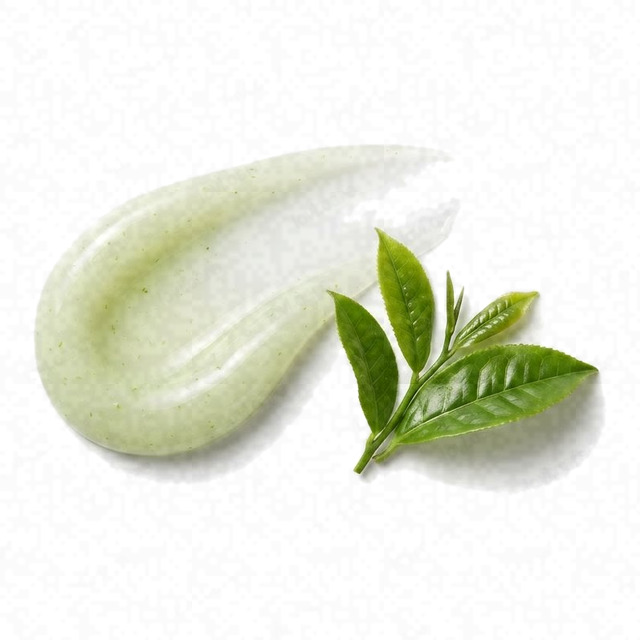 Camellia Sinensis Extract
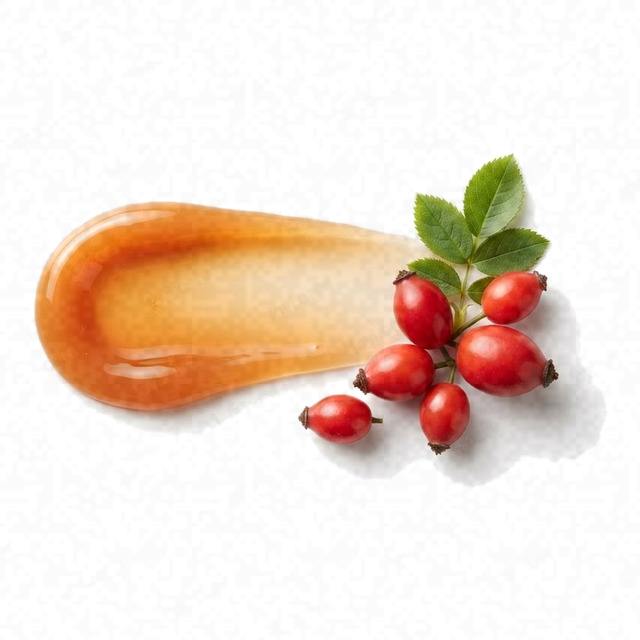 Rosehip Seed Oil
High
- HighOily Skin Fit
- AverageEffectiveness
- HighSafety
One of the best serums for oily skin.
This fit is calculated for the concerns frequently associated with oily skin: shine, enlarged pores, blackheads, and blemishes. For scores and recommendations based on your full skin profile, including your 12D face scan results and any goals or preferences you have, please use the Lovi app.
Page built Nov 8, 2026How the Fit score works
Lovi Assistant explains
- Highly suitable for your oily skin, this serum contains Camellia Sinensis Leaf Extract and Alpha-Glucan Oligosaccharide to provide antioxidant activity and humectant action, respectively, which help manage oiliness.
- The inclusion of Tocopheryl Acetate and Rosa Canina Seed Oil offers excellent brightening and evening of skin tone, supporting your goal of reducing oily shine.
- This formula is safe for your skin, with no risks of irritation due to the absence of harsh ingredients.
How to apply
- Use this serum in your PM routine. Start by applying it 3 times a week and build up to daily use if your skin tolerates it well.
- Apply the serum after cleansing and toning, but right before your moisturizer for the best results.
- Gently press 2-3 drops of the serum into your skin. Let it absorb ⏱ for a minute before applying the next product.
- Apply the serum on clean and dry skin since your skin is not sensitive and you want to target oily shine. This helps control excess oil throughout the night.
- Avoid the delicate eye area and do a patch test before using the serum for the very first time.
People Say
★4.5Overall rating based on 7.8k+ reviewsBased on a very large amount of data, users frequently praise this serum for its ability to brighten dull complexions and provide lightweight hydration without irritating sensitive skin. A minority of users report no visible changes in hyperpigmentation or fine lines, and some experience a tacky residue or breakouts.
Highlights
Brightens skin tone Mostly Mentioned
- “natural glow”
- “reduction in redness”
- “faded dark spots”
Gentle for sensitive skin Often Mentioned
- “didn't cause breakouts”
- “gentle enough for super sensitive skin”
- “no stinging”
Lightweight and absorbs Often Mentioned
- “non-greasy”
- “soaks in completely”
- “layers well under makeup”
Hydrating and softening Sometimes Noted
- “promotes moisture”
- “skin dewy”
- “silky smooth”
Pleasant scent Sometimes Noted
- “fresh citrus smell”
- “light lemon dessert scent”
- “smells like fruit loops”
No visible results Sometimes Noted
- “didn't do anything to fine wrinkles”
- “hasn't gotten rid of dark spots”
- “didn't deliver any results”
Caused breakouts Rarely Noted
- “promotes too much shine”
- “look and feel greasier”
- “active acne”
Packaging issues Rarely Noted
- “pump squirting everywhere”
- “hard to control”
- “bottle emptying too fast”
Scent dislike Rarely Noted
- “fragrance ugly”
- “overpowering”
- “prefer unscented products”
Sticky finish Rarely Noted
- “tacky residue”
- “sticky feeling”
- “feels slightly tacky”
Sources: lovi.care, iherb.com, ulta.com, dermae.com, walmart.com, target.com, and more
Questions and answers
What makes Derma E Vitamin C Serum a great fit for oily skin?
This serum is a great fit because it contains green tea extract and prebiotic sugars that help manage oiliness while offering antioxidant protection. It also includes vitamin E and rosehip seed oil to brighten and even out your skin tone, all without any harsh ingredients that might cause irritation.
Carcinogenesis, 2001Journal of the American Academy of Dermatology, 2001
Which ingredients make this serum a good fit for oily skin?
Camellia Sinensis Extract and Alpha-Glucan Oligosaccharide help manage oiliness by providing antioxidant activity and holding moisture in the skin. Additionally, Tocopheryl Acetate and Rosehip Seed Oil brighten and even out skin tone while helping to reduce oily shine.
Carcinogenesis, 2001Journal of the American Academy of Dermatology, 2001
What does Vitamin C do for oily skin?
Vitamin C helps brighten skin tone and smooth texture while providing antioxidant protection that prevents sebum oxidation. For oily skin, this type of product typically needs to be paired with oil-controlling or pore-clearing ingredients like salicylic acid or plant extracts.
International Journal of Cosmetic Science, 2005Journal of Cosmetic Dermatology, 2023
What does Hyaluronic Acid do for oily skin?
Hyaluronic acid helps oily skin by reducing extra oil and sebum production without causing irritation. Clinical studies show it successfully balances oil levels while keeping the skin comfortable.
Where does this serum go in a skincare routine for oily skin?
This serum goes in the evening routine after cleansing and before moisturizing, though it is safe enough that some can use it more often. Using antioxidant serums in the evening provides extra safety around sun exposure, and this formula helps manage oiliness while brightening your skin.
Can I use it with retinol, and in what order?
You can use this serum with retinol by applying the serum first and following with your retinol product. It is unlikely to cause irritation because the formula is safe and free of harsh ingredients for your skin.
How often should I use this serum?
This serum is used in your evening routine, applying it once a day for simplicity and extra safety around sun exposure. It is safe for your skin with no risks of irritation.
Carcinogenesis, 2001Journal of the American Academy of Dermatology, 2001
Can it clog pores, cause breakouts or purging for oily skin?
This serum is unlikely to cause breakouts for oily skin since it is safe and free of harsh ingredients, though a small number of reviewers have reported minor breakouts. It does not cause skin purging because it lacks exfoliating acids.
Is this serum fragrance-free and alcohol-free?
Yes, it has no fragrance and no drying alcohol.
What the research says
Topical application of (-)-epigallocatechin-3-gallate (EGCG) to human skin before UV irradiation decreases UV-induced production of hydrogen peroxide by 68-90% and nitric oxide by 30-100%, inhibits leukocyte infiltration and lipid peroxidation by 41-84%, and restores glutathione levels and glutathione peroxidase activity compared to UV exposure alone.
Carcinogenesis, 2001Application of green tea extracts on normal human skin resulted in dose-dependent inhibition of UV-evoked erythema, reduced sunburn cells, protected Langerhans cells, and decreased UV-induced DNA damage compared to untreated UV-exposed skin.
Journal of the American Academy of Dermatology, 2001Topical low-dose green tea extract reduces UVB-induced p53 expression and apoptosis in human skin keratinocytes compared to placebo.
Experimental Dermatology, 2009Topical application of 5% vitamin C cream significantly improved global clinical scores, increased skin microrelief density, and induced elastic tissue repair in photoaged skin compared to excipient control in healthy female volunteers.
Experimental Dermatology, 2003Ascorbic acid 2-glucoside gel significantly reduced gingival melanin pigmentation after 4 weeks compared to placebo in 73 subjects with symmetric pigmentation.
Journal of Periodontology, 2009Topical application of VC-IP cream twice daily for 8 weeks reduces periorbital wrinkles in female subjects compared to a placebo cream.
Journal of Cosmetic Dermatology, 2022Topical application of 0.1% hyaluronic acid formulations of different molecular weights led to significant improvements in skin hydration and elasticity, with low-molecular-weight formulations also significantly reducing wrinkle depth in seventy-six female subjects compared to a vehicle control.
Journal of Drugs in Dermatology, 2011Topical application of hyaluronic acid in conjunction with free gingival graft significantly reduced donor site postoperative pain until day 7 compared to normal saline, with no significant differences in graft dimensions or patient satisfaction.
Clinical Oral Investigations, 2022Treatment with a hyaluronic acid-containing mouth rinse or topical gel led to significant lesion reduction, pain relief, and normalization of lesion color in adult patients with minor recurrent aphthous stomatitis, with the gel formulation showing an earlier healing onset at 3 days.
BMC Oral Health, 2019Topical green tea extract significantly improved clinical symptoms, tear breakup times, and meibomian gland health compared to standard treatment in patients with dry eye and Meibomian Gland Dysfunction.
Journal of Clinical and Diagnostic Research, 2017An anti-acne hydrogel containing Aloe barbadensis, Garcinia mangostana, and Camellia sinensis extracts showed superior antiacne and antiblotch activities compared to 1% clindamycin gel in sixty subjects with mild-moderate acne.
Clinical, Cosmetic and Investigational Dermatology, 2019Topical application of green tea extract encapsulated chitosan microparticles improved skin elasticity, melanin index, and facial wrinkles compared to a placebo in female volunteers without causing skin irritation.
Journal of Cosmetic Dermatology, 2022Topical treatments containing rosehip extract may reduce the size and erythema of postsurgical scars through macrophage polarization and inflammatory cytokine inhibition, though current clinical evidence remains insufficient to recommend its routine use.
Journal of Cosmetic Dermatology, 2024Sunflower and rosehip oil nanoemulsions prepared with a mix of phospholipids and synthetic emulsifiers permeated intact skin to the dermis and showed a more prominent healing effect in a human organotypic skin explant culture wound model compared to nanoemulsions prepared only with phospholipids.
Pharmaceutics, 2023A nanoemulsion containing 1 mg/mL kojic dipalmitate and 5% rosehip oil demonstrated high incorporation efficiency, suitable physicochemical stability, antioxidant and depigmenting efficacy close to 1 mM ascorbic acid, and no cytotoxicity at concentrations from 0.06% to 1% in vitro.
Pharmaceutics, 2023
Ingredients
Water, Aloe Barbadensis Leaf Juice, Glycerin, Camellia Sinensis Leaf Extract, Sodium Hyaluronate, Tocopheryl Acetate Vitamin E, Polymnia Sonchifolia Root Juice, Rosa Canina Seed Oil, Lactobacillus, Citric Acid, Alpha-Glucan Oligosaccharide, Allantoin, Panthenol Vitamin B5, Cellulose Gum, Microcrystalline Cellulose, Caprylic Capric Triglyceride, Ethylhexyl Palmitate, Xanthan Gum, Maltodextrin, Sodium Citrate, Ethylhexylglycerin, Phenoxyethanol, Oil
Behind this fit score
Lovi calculates every fit score from the full ingredient list with brand-independent rules our dermatologists and cosmetic chemists build and review, and personalizes every pick with AI trained on the real results of millions of users. Lovi trains its fit score models on a proprietary dataset built from more than 10,000 expert-labeled products and more than 100,000 simulated examples, following an internally consistent methodology presented at Cosmoprof, AMWC, and Skin of Color Update.
-

Co-founder, Medical Director
Cosmetic chemist, cosmetologist, aesthetic products developer
-

Co-founder, CEO and CTO
PhD in computer science, 3x US patent holder, ex-Google, ex-Yandex
-

Dr. Sofía Perea Pérez, MD, MSc
Medical Board
Aesthetic medicine practitioner, MSc in Longevity and Anti-Aging Medicine
-

Medical Board
Specialist dermatologist, MBBS, MD, IFAAD
-

Medical Board
Cosmetic chemist, SCS, IFSCC member
-

Medical Board, Medical Advisor
Dermatology MD
-

Elina Nazarenko, MD
Medical Board
Dermatology and diagnostic consultant
-

Victoria Derkova, MS
Medical Board
Cosmetic chemist, cosmetic development technologist


How does it fit your skin?
Scan your face, then any product: Lovi shows how well it fits you and what fits even better.