De La Cruz 10% Sulfur Ointment for acne-prone skin

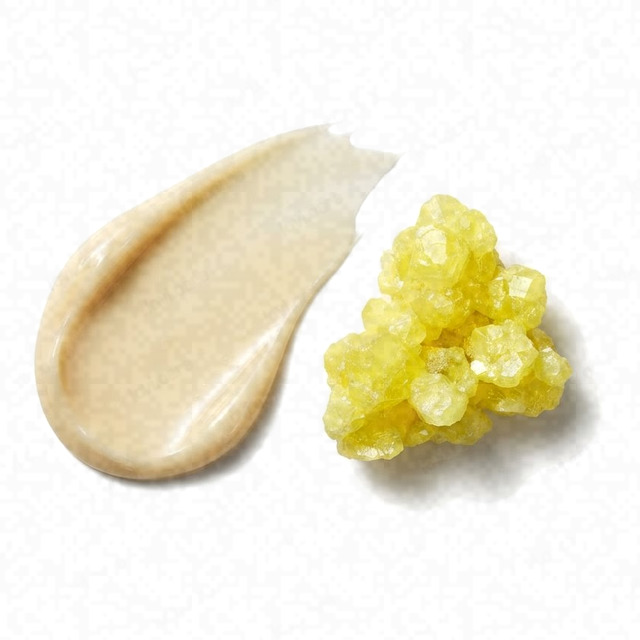 Sulfur
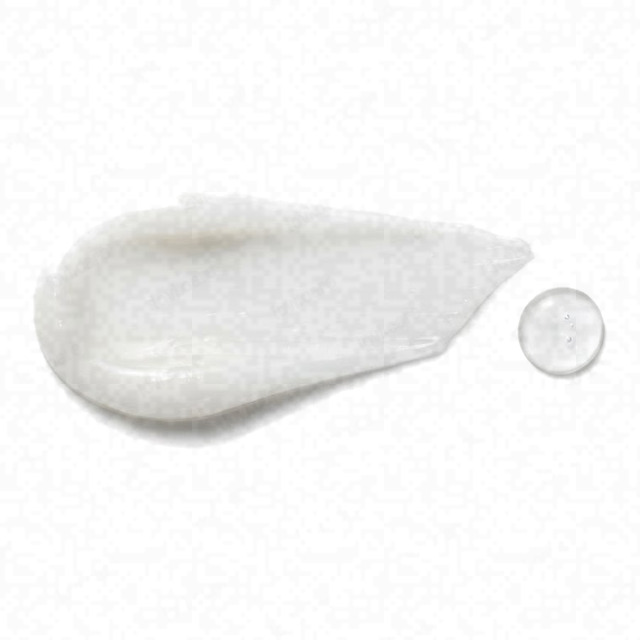 Polyethylene Glycol
Average
- HighCombination Skin Fit
- AverageEffectiveness
- HighSafety
Works for acne-prone skin; other serums fit it better.
- Journal of Evidence-based Medicine, 2020
- Revista de Investigacion Clinica; Organo Del Hospital de Enfermedades de la Nutricion, 2004
This fit is calculated for the concerns frequently associated with acne-prone skin: breakouts, blackheads, and post-acne marks. For scores and recommendations based on your full skin profile, including your 12D face scan results and any goals or preferences you have, please use the Lovi app.
Page built Nov 8, 2026How the Fit score works
Lovi Assistant explains
- Offers moderate benefits for your acne and blemishes as sulfur helps to dry out surface blemishes and unblock pores, making it suitable for your combination skin by managing oiliness.
- Polyethylene glycol provides humectant action, supporting skin hydration without compromising the treatment of acne lesions.
- The formula is safe for your acne-prone skin, with no risks of irritation due to the absence of prohibited or harsh ingredients.
How to apply
- Use your serum as part of your PM routine and start 3x/week before working up to daily use.
- Apply this treatment after cleansing and toner, and before your moisturizer.
- Gently press 2-3 drops of the serum into your skin and let it absorb for a minute.
- Apply the product on clean, dry skin to help manage your breakouts safely.
- Avoid the eye area and do a patch test before your first use.
Questions and answers
How well does De La Cruz 10% Sulfur Ointment work for acne-prone skin?
De La Cruz 10% Sulfur Ointment offers moderate benefits for acne-prone skin by drying out surface blemishes, unblocking pores, and managing oiliness. A treatment for this skin needs effective ingredients like niacinamide, propolis, or zinc PCA that provide excellent benefits, balance hydration, and control oiliness without causing excess dryness.
Indian Dermatology Online Journal, 2025Journal of Drugs in Dermatology, 2004
Which ingredients make this ointment a good fit for acne-prone skin?
Sulfur and polyethylene glycol make this ointment a good fit for acne-prone skin because sulfur helps dry out surface blemishes and unblock pores to manage oiliness, while polyethylene glycol supports skin hydration. To work even better for this skin type, a treatment needs soothing and balancing ingredients like niacinamide, zinc PCA, and antioxidants to provide optimal hydration and keep breakouts under control without irritation.
Indian Dermatology Online Journal, 2025Journal of Drugs in Dermatology, 2004
What does Sulfur do for acne-prone skin?
Sulfur helps clear up acne-prone skin by reducing blemishes and calming irritation, with uncommon side effects mostly limited to mild skin dryness. It is a well-established choice for breakouts because it treats spots effectively while keeping your skin calm and smooth.
Journal of Drugs in Dermatology, 2004Journal of the American Academy of Dermatology, 1988
What does Polyethylene Glycol do for acne-prone skin?
Polyethylene glycol helps boost skin moisture and helps ingredients sink in better, but it may bring allergy risks like hives for acne-prone skin. A product for this skin type needs gentle, oil-free hydrators and soothing ingredients that keep pores clear without causing irritation.
Where does it go in a skincare routine for acne-prone skin?
This treatment goes in the evening routine after cleansing and toning, and before your moisturizer. Acne-prone skin often needs products that combine blemish-drying ingredients like sulfur with hydrating helpers like polyethylene glycol to manage oiliness without causing irritation.
Can I use this ointment with benzoyl peroxide, and in what order?
It is best to use De La Cruz 10% Sulfur Ointment and benzoyl peroxide at different times or on alternate days to avoid drying out your skin too much. Using both active treatments at once may easily irritate acne-prone skin, so alternating them helps manage breakouts safely.
American Family Physician, 2012Journal of Drugs in Dermatology, 2004
How often should I use it?
This treatment is used in the evening and weekly as part of your routine. Because it is an average fit for your acne-prone skin, a product of this type needs ingredients like sulfur to help dry out surface blemishes and manage oiliness safely.
Can this ointment clog pores, cause breakouts or purging for acne-prone skin?
This ointment is unlikely to clog pores or cause breakouts because sulfur helps unblock pores and dry out surface blemishes while polyethylene glycol supports skin hydration. To work best for acne-prone skin, a product of this type needs ingredients that dry out blemishes and manage oiliness without causing irritation.
Indian Dermatology Online Journal, 2025Journal of Drugs in Dermatology, 2004
What the research says
Azelaic acid was probably less effective than benzoyl peroxide in acne treatment response, while showing little or no difference compared to tretinoin, and adverse events were mild and transient across evaluated topical treatments.
Journal of Evidence-based Medicine, 2020Topical application of precipitated sulphur 2-8% petrolatum achieved a 95% clinical and ectoparasitological cure rate in 40 ambulatory scabies patients without relevant adverse effects.
Revista de Investigacion Clinica; Organo Del Hospital de Enfermedades de la Nutricion, 2004Topical 10% benzoyl peroxide and 2%-5% sulfur cream achieved "good" to "excellent" results with no undesirable side effects in 113 consecutive patients with acne.
Canadian Medical Association Journal, 1966Binary systems of trans-resveratrol with polyethylene glycol or beta-cyclodextrin enhanced its antioxidant activity and in vivo skin anti-aging effects compared to trans-resveratrol alone in human keratinocytes and volunteers.
Drug Development and Industrial Pharmacy, 2014Topical application of 30% salicylic acid in polyethylene glycol effectively cleared comedones and papules in 436 patients with acne while causing no stinging, burning, edema, bleeding, or crusting.
Dermatologic Surgery, 2008Glycerol-containing zinc shake lotion and PEG gels produced hydration on nonmoisturized and moisturized skin in healthy volunteers, whereas zinc oil and Lotio Cordes had little impact on stratum corneum hydration.
Skin Pharmacology and Applied Skin Physiology, 2001
Ingredients
Behind this fit score
Lovi calculates every fit score from the full ingredient list with brand-independent rules our dermatologists and cosmetic chemists build and review, and personalizes every pick with AI trained on the real results of millions of users. Lovi trains its fit score models on a proprietary dataset built from more than 10,000 expert-labeled products and more than 100,000 simulated examples, following an internally consistent methodology presented at Cosmoprof, AMWC, and Skin of Color Update.
-

Co-founder, Medical Director
Cosmetic chemist, cosmetologist, aesthetic products developer
-

Co-founder, CEO and CTO
PhD in computer science, 3x US patent holder, ex-Google, ex-Yandex
-

Dr. Sofía Perea Pérez, MD, MSc
Medical Board
Aesthetic medicine practitioner, MSc in Longevity and Anti-Aging Medicine
-

Medical Board
Specialist dermatologist, MBBS, MD, IFAAD
-

Medical Board
Cosmetic chemist, SCS, IFSCC member
-

Medical Board, Medical Advisor
Dermatology MD
-

Elina Nazarenko, MD
Medical Board
Dermatology and diagnostic consultant
-

Victoria Derkova, MS
Medical Board
Cosmetic chemist, cosmetic development technologist


How does it fit your skin?
Scan your face, then any product: Lovi shows how well it fits you and what fits even better.