
d'Alba Piedmont Waterfull Tone-up Sunscreen

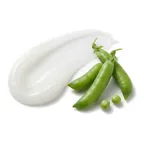 Niacinamide
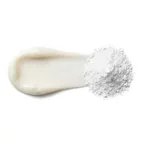 Titanium Dioxide
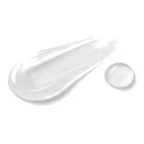 Sodium Hyaluronate
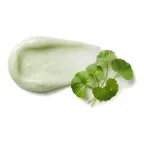 Centella Asiatica Extract
 Aloe Barbadensis Leaf Extract
Niacinamide, titanium dioxide, and hyaluronic acid control oil, provide sun protection, and hold in water, so it suits most skin types. Where to buy in Spain: Amazon.de and Notino, €17.99 to €26.00.
Each fit is calculated for the concerns frequently associated with that skin type. For scores and recommendations based on your full skin profile, including your 12D face scan results and goals, use the Lovi app.
Updated How the Fit score works
Where it fits best and least
Best fit High
Oily Skin, Dry Skin, Combination Skin, Acne-Prone Skin, Skin with Dark Spots, Mature Skin, Dry Sensitive Skin, Oily Acne-Prone Skin
A great choice for oily skin; a few products fit it even better.
- Highly suitable for your oily skin, this product contains niacinamide which effectively controls sebum production and offers anti-inflammatory action, addressing your oily shine concerns.
Lowest fit Average
Works for sensitive skin; other products fit it better.
- This sunscreen offers moderate benefits for your normal skin with sensitivity, as niacinamide and sodium hyaluronate provide hydration and barrier support, while Centella Asiatica Extract and Aloe Barbadensis Leaf Extract offer mild soothing effects for redness.
Buy online


Prices checked 22 Nov 2026
The Lovi Fit is the same in every country; only the stores and prices differ, and the ones here are for Spain.
People Say
★4.6Overall rating based on 500+ reviewsThis sunscreen is highly recommended for those with dry or dull skin, offering a moisturizing feel and a natural pinkish tone-up effect that brightens the complexion without appearing heavy. Users with oily skin, however, report that the dewy finish can feel too greasy, and the presence of citrus-based essential oils may cause irritation for sensitive individuals.
Highlights
Hydrating and dewy Often Mentioned
- “super hydrating for my dry skin”
- “makes my skin feel moist... slightly dewy”
- “leaves your face shined which I love in the winter”
- “skips my cream and use the sunscreen alone”
Natural tone-up Often Mentioned
- “brightens my skin tone and gives a natural, healthy glow”
- “gives me a well rested look, nice and pinkish”
- “really brightens the face without looking fake”
- “leaves the skin naturally radiant”
Great makeup base Sometimes Noted
- “sits perfectly under makeup without causing pilling”
- “makes your makeup look smoother”
- “doubles as a makeup base, so I sometimes skip primer”
- “foundation sits well on top of it”
Lightweight texture Sometimes Noted
- “watery lotion consistency that can be easily absorbed”
- “glides on easily and does not leave a white cast”
- “lightweight essence-like sunscreen”
- “spreads easily on the skin”
Greasy on oily skin Sometimes Noted
- “too creamy for me... prefer light cream/gel”
- “might look a bit greasy on someone with an oilier skin type”
- “feels sticky on the skin”
- “leaves your face shined... not for oily skin”
Strong fragrance Sometimes Noted
- “smell is quite strong... like fruity pebbles”
- “scent is a very subtle sweet citrus... potentially sensitizing”
- “somewhat strong smell”
- “contains fragrance... not great for someone who is sensitive”
Eye irritation Rarely Noted
- “does sting my eyes a little if it seeps in”
- “stinging a little bit”
White cast potential Rarely Noted
- “makes me appear a bit chalky or pale if I apply 2 fingers”
- “not suitable for dark skin”
- “leaves a very light whitecast... certainly is there”
- “slightly whitens the skin”
Sources: lovi.care, iherb.com, oliveyoung.com, stylekorean.com, reddit.com, olivekollection.com, and more
Questions and answers
What makes d'Alba Waterfull Tone-up Sunscreen a great fit for oily skin?
This tinted sunscreen is a great fit for oily skin because it contains niacinamide, which helps control shine and calm redness. It also includes soothing centella asiatica extract and allantoin to keep your skin comfortable and calm without any irritation.
How well does d'Alba Waterfull Tone-up Sunscreen work for sensitive skin?
This sunscreen works moderately well for sensitive skin, as niacinamide and sodium hyaluronate provide hydration, while Centella Asiatica and Aloe Barbadensis help soothe redness. A product of this type needs high suitability with effective hydration, strong sun protection, and a lack of allergens to fit sensitive skin best.
Indian Journal of Pharmaceutical Sciences, 2016Clinical Pharmacology, 2018
Can I use this sunscreen with retinol, and in what order?
You can use this sunscreen in the morning as the final step of your routine after applying your moisturizer. It is unlikely to cause irritation when paired with retinol because it features soothing ingredients that help keep your skin calm.
How often should I use this sunscreen?
You can use this sunscreen every morning as the final step of your daytime skincare routine. Using it daily helps protect your skin from sun damage while keeping your oily shine under control.
Is this sunscreen fragrance-free and alcohol-free?
What makes d'Alba Waterfull Tone-up Sunscreen a great fit for dry skin?
This sunscreen is a great fit for dry skin because it combines strong UV protection with hydrating ingredients like sodium hyaluronate and glycerin, while panthenol helps support barrier repair and soothe dryness. Soothing extracts like Centella Asiatica further help calm the skin and ensure a comfortable feel.
Clinical, Cosmetic and Investigational Dermatology, 2017The Journal of Dermatological Treatment, 2017
What makes d'Alba Waterfull Tone-up Sunscreen a great fit for combination skin?
This sunscreen is a great fit because it provides strong UV protection while niacinamide and willow herb help manage oily shine and soothe your skin. Sodium hyaluronate keeps your skin hydrated, and soothing ingredients like centella extract and allantoin ensure a gentle, safe experience.
General Physiology and Biophysics, 2013Indian Journal of Pharmaceutical Sciences, 2016
What makes d'Alba Waterfull Tone-up Sunscreen a great fit for acne-prone skin?
This tinted sunscreen is a great fit because it protects your skin from the sun using gentle mineral filters while niacinamide and glycerin help keep oil in check and skin hydrated. Centella asiatica extract and allantoin also help calm breakouts and soothe irritation without making acne worse.
Indian Journal of Pharmaceutical Sciences, 2016Molecules, 2023
What makes d'Alba Waterfull Tone-up Sunscreen a great fit for skin with dark spots?
This sunscreen is a great fit because it provides strong UV protection alongside niacinamide, which helps brighten dark spots. It also keeps your skin calm and hydrated with soothing ingredients like centella asiatica extract and sodium hyaluronate.
What makes d'Alba Waterfull Tone-up Sunscreen a great fit for mature skin?
This sunscreen is a great fit for mature skin because it offers reliable UV protection while keeping skin hydrated with glycerin and sodium hyaluronate. Niacinamide and adenosine help support a healthy skin barrier and smooth out the look of fine lines.
International Journal of Molecular Sciences, 2026International Journal of Cosmetic Science, 2018
What makes d'Alba Waterfull Tone-up Sunscreen a great fit for dry sensitive skin?
This sunscreen is a great fit because centella asiatica extract and aloe vera help calm and soothe dry skin, while glycerin and sodium hyaluronate bring in essential moisture. It also provides strong UV protection with a very safe and gentle formula that is unlikely to cause irritation.
Indian Journal of Pharmaceutical Sciences, 2016Clinical, Cosmetic and Investigational Dermatology, 2017
What makes d'Alba Waterfull Tone-up Sunscreen a great fit for oily acne-prone skin?
This tinted sunscreen is a great fit for your oily acne-prone skin because it helps control excess oil with niacinamide while soothing breakouts with centella asiatica extract and aloe. The formula also provides reliable UV protection and hydration without causing irritation or leaving your skin feeling heavy.
Molecules, 2023Clinical, Cosmetic and Investigational Dermatology, 2017
What the research says
Cosmetic formulations containing 5% Centella asiatica extract showed the best efficacy in improving skin moisture and decreasing transepidermal water loss, while also exhibiting antiinflammatory properties in 25 volunteers compared to baseline measurements.
Indian Journal of Pharmaceutical Sciences, 2016Topical nicotinamide prevented solar-simulated UV-induced immunosuppression in healthy volunteers, and men experienced immunosuppression at solar-simulated UV doses three times lower than those required for women.
The Journal of Investigative Dermatology, 2008Topical 5% niacinamide applied twice daily for 12 weeks reduced fine lines and wrinkles, hyperpigmented spots, red blotchiness, and skin sallowness, and improved skin elasticity compared to vehicle control in 50 female white subjects with facial photoaging.
Dermatologic Surgery, 2005Topical 2% niacinamide significantly decreased sebum excretion rate in Japanese individuals and casual sebum levels in Caucasian individuals compared to placebo or baseline.
Journal of Cosmetic and Laser Therapy, 2006Microfine titanium dioxide does not penetrate human skin when formulated in an oil-in-water emulsion with the pigment dispersed in the aqueous phase, compared to oily dispersions and liposomal encapsulation which allow deeper skin penetration.
International Journal of Cosmetic Science, 2000Replacing microsized titanium dioxide and zinc oxide with nanoparticles in sunscreens eliminates opaqueness and alters UV protection balance while inducing (photo)cyto- and genotoxicity and penetrating viable skin layers during long-term exposures.
Nanotechnology, Science and Applications, 2011Hyaluronic acid-grafted titanium dioxide nanoparticles increased SPF from 13.3 to 19.1 while demonstrating low photocatalytic activity, exceptional thermal stability with >95% SPF retention, enhanced moisturization with >80% hydration retention, and minimal cytotoxicity with 88.5% cell viability in HaCaT keratinocytes compared to unmodified nanoparticles.
International Journal of Biological Macromolecules, 2025Topical application of 0.1% hyaluronic acid formulations of different molecular weights led to significant improvements in skin hydration and elasticity, with low-molecular-weight formulations also significantly reducing wrinkle depth in seventy-six female subjects compared to a vehicle control.
Journal of Drugs in Dermatology, 2011Topical hyaluronic acid serum used twice daily by 40 females with facial photoaging produced an immediate 134% increase in skin hydration, a sustained 55% increase at week 6, and significant improvements in smoothness, plumping, fine lines, wrinkles, and global appearance without causing irritation.
Dermatology and Therapy, 2021A topical antioxidant serum significantly reduced air pollution-induced skin pigmentation and proinflammatory gene expression ex vivo, and improved skin aging signs in 40 healthy adult females after 90 days of daily use.
Journal of Cosmetic Dermatology, 2022A single application of a moisturizing fluid containing hyaluronic acid 1%, glycerin 5%, and Centella asiatica stem cells extract significantly increased skin hydration by 29% and reduced transepidermal water loss at 24 hours compared to baseline and an untreated control site in twenty healthy women.
Clinical, Cosmetic and Investigational Dermatology, 2017Topical treatment with 5% vitamin C and 0.1% madecassoside significantly improved clinical scores for wrinkles, suppleness, firmness, roughness, and skin hydration, along with functional and structural remodeling of the elastic fiber network in 20 female volunteers with photoaged skin after 6 months compared to baseline.
Experimental Dermatology, 2008Treatment with an asiaticoside-containing cream applied twice daily for 12 weeks significantly improved periorbital wrinkles in 65% of 27 female volunteers compared to a vehicle control cream.
International Journal of Cosmetic Science, 2008A cream combining propolis, tea tree oil, and Aloe vera reduced erythema scars, acne severity index, and total lesion count better than erythromycin cream in sixty patients with mild to moderate acne vulgaris compared to placebo.
Clinical Pharmacology, 2018Formulations containing 0.10%, 0.25%, and 0.50% freeze-dried Aloe vera extract increased stratum corneum water content compared with the vehicle in 20 female subjects, while transepidermal water loss was not modified.
Skin Research and Technology, 2006Kombucha-mediated fermentation of aloe vera gel for 10 and 20 days enhanced its phenolic and flavonoid content, antioxidant capacity, cytoprotective effects, enzyme inhibition against collagenase, elastase, and hyaluronidase, and moisturizing properties compared to unfermented gel.
Molecules, 2025Co-delivery of paeonol and madecassoside via nanoemulsions improved transdermal delivery, promoted barrier repair proteins, inhibited inflammatory cytokine secretion in cellular and 3D models, and reduced transepidermal water loss and acne in human facial skin compared to free components.
Molecules, 2023A combination serum containing galactomyces ferment filtrate, dexpanthenol, and Centella asiatica effectively treated post-acne hyperpigmentation in subjects with colored skin by significantly increasing lightness scores in Fitzpatrick skin type V and reducing the melanin index in Fitzpatrick skin type IV compared to placebo.
Skinmed, 2021Aloe vera gel phenolic and polysaccharide extracts demonstrated distinct wound-healing properties in vitro, with the phenolic extract exhibiting anti-inflammatory, antioxidant, and fibroblast-stimulating effects, and the polysaccharide extract showing enhanced collagen synthesis and antibacterial activity against Staphylococcus aureus.
Journal of Functional Biomaterials, 2024Niacinamide significantly decreased hyperpigmentation and increased skin lightness compared with vehicle alone after 4 weeks of use in women by inhibiting melanosome transfer.
The British Journal of Dermatology, 2002Treatment with a combination of niacinamide and hyaluronic acid improved skin aging signs and demonstrated a senomorphic effect by decreasing SASP and autocrine signaling genes in women.
Scientific Reports, 2024A new topical panthenol-containing emollient significantly improved transepidermal water loss reduction, stratum corneum hydration, and intercellular lipid lamellae length compared with control in healthy subjects without negatively impacting bacterial viability.
The Journal of Dermatological Treatment, 2017Topical dexpanthenol acts as a moisturizer, improves stratum corneum hydration, accelerates wound healing and epidermal regeneration, reduces erythema, and improves symptoms of skin irritation compared to vehicle or no pretreatment.
American Journal of Clinical Dermatology, 2002The combination of allantoin, bisabolol, D-panthenol and dipotassium glycyrrhizinate reduces UVB-induced PGE2, inflammatory cytokines, and mitochondrial superoxide in human epidermal keratinocytes.
International Journal of Cosmetic Science, 2024Bovine serum albumin surface functionalization of titanium dioxide nanoparticles reduces their penetration in Franz diffusion cells and human immortalized keratinocyte cells while maintaining safety and ultraviolet protection efficacy.
ACS Applied Bio Materials, 2024Epilobium angustifolium extract increased cell viability, altered gene expressions in senescent normal human dermal fibroblasts, down-regulated UV-induced release of matrix metalloproteinases, and protected skin against UV-induced erythema formation in vivo.
General Physiology and Biophysics, 2013Topical treatment of nicotinamide, alone or in combination with other active ingredients, reduces the progression of skin aging and hyperpigmentation in clinical trials while being well tolerated.
Antioxidants, 2021Topical application of a disodium adenosine monophosphate-based formulation reduced wrinkles and hyperpigmentation while improving hydration, barrier function, skin lifting, and epidermal turnover in female participants.
International Journal of Molecular Sciences, 2026Adenosine-loaded dissolving microneedle patches showed similar or better efficacy on skin wrinkles, dermal density, elasticity, and hydration compared to adenosine cream in 22 female subjects.
International Journal of Cosmetic Science, 2018A mixture of Aloe gel and Aloe vera flower synergistically induced the proliferation, migration, and extracellular matrix formation of normal human dermal fibroblast cells and induced HaCaT cell migration while suppressing inflammatory cytokines by enhancing the expression of MFAP4 and associated signaling pathways.
Journal of Ethnopharmacology, 2022
Ingredients
Water, Dibutyl Adipate, Propanediol, Titanium Dioxide, Caprylic Capric Triglyceride, C12-15 Alkyl Benzoate, Diethylamino Hydroxybenzoyl Hexyl Benzoate, Caprylyl Methicone, Ethylhexyl Triazone, Niacinamide, Glycerin, Diethylhexyl Butamido Triazone, 1,2-Hexanediol, Pentylene Glycol, Portulaca Oleracea Extract, Epilobium Angustifolium Stem Extract Flower Leaf, Rhododendron Ferrugineum Extract, Centella Asiatica Extract, Prunus Persica Flower Extract, Prunus Persica Fruit Extract, Prunus Serrulata Flower Extract, Aloe Barbadensis Leaf Extract, Houttuynia Cordata Extract, Tuber Magnatum Extract, Citrus Aurantium Dulcis Oil, Citrus Nobilis Peel Oil Mandarin Orange Peel Oil, Sodium Hyaluronate, Litsea Cubeba Oil Fruit, Rosa Damascena Flower Water, Betula Platyphylla Japonica Juice, Panthenol, Polyhydroxystearic Acid, Dimethicone Vinyl Dimethicone Crosspolymer, Vp Eicosene Copolymer, Dimethiconol, Trisiloxane, Coco-Caprylate Caprate, Stearic Acid, Sodium Polyacryloyldimethyl Taurate, Ammonium Polyacryloyldimethyl Taurate, Alumina, Hydroxypropyl Methylcellulose Stearoxy Ether, Dicaprylyl Carbonate, Xanthan Gum, Ethylhexylglycerin, Adenosine, Sodium Polyacrylate, Triethoxycaprylylsilane, T-Butyl Alcohol, Pvm Ma Copolymer, Polyether-1, Hydrolyzed Hyaluronic Acid, Allantoin, Butylene Glycol, Tocopherol, Disodium Phosphate, Citric Acid, Caprylyl Glycol, Iron Oxides Ci 77492, Iron Oxides Ci 77491, Limonene, Citral
Behind these fit scores
Lovi calculates every fit score from the full ingredient list with brand-independent rules our dermatologists and cosmetic chemists build and review, and personalizes every pick with AI trained on the real results of millions of users. Lovi trains its fit score models on a proprietary dataset built from more than 10,000 expert-labeled products and more than 100,000 simulated examples, following an internally consistent methodology presented at Cosmoprof, AMWC, and Skin of Color Update.
-

Co-founder, Medical Director
Cosmetic chemist, cosmetologist, aesthetic products developer
-

Co-founder, CEO and CTO
PhD in computer science, 3x US patent holder, ex-Google, ex-Yandex
-

Dr. Sofía Perea Pérez, MD, MSc
Medical Board
Aesthetic medicine practitioner, MSc in Longevity and Anti-Aging Medicine
-

Medical Board
Specialist dermatologist, MBBS, MD, IFAAD
-

Medical Board
Cosmetic chemist, SCS, IFSCC member
-

Medical Board, Medical Advisor
Dermatology MD
-

Elina Nazarenko, MD
Medical Board
Dermatology and diagnostic consultant
-

Victoria Derkova, MS
Medical Board
Cosmetic chemist, cosmetic development technologist


How does it fit your skin?
Scan your face, then any product: Lovi shows how well it fits you and what fits even better.