
Ceradan Cream

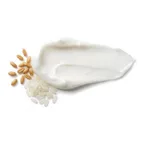 Ceramides
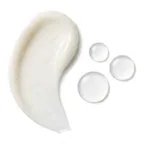 Squalane
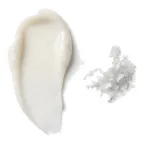 Cholesterol
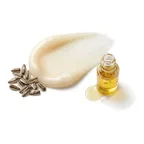 Linoleic Acid
 Vitamin E Tocopherol
Squalane, cholesterol, and linoleic acid replenish moisture, support barrier function, and reduce inflammation, so it suits dry skin, sensitive skin, and dry sensitive skin best. For skin that needs oil control, moisturizers with niacinamide get higher fit scores.
Each fit is calculated for the concerns frequently associated with that skin type. For scores and recommendations based on your full skin profile, including your 12D face scan results and goals, use the Lovi app.
Updated How the Fit score works
Where it fits best and least
Best fit High
Dry Skin, Sensitive Skin, Dry Sensitive Skin
A great choice for dry skin; a few moisturizers fit it even better.
- Excellent suitability for your dry skin is provided by ingredients like squalane and glycerin, which offer humectant and emollient actions to replenish moisture and smooth intercellular lipids.
Lowest fit Low
A weak match for oily skin.
- Offers suboptimal suitability for your oily skin as squalane and jojoba seed oil provide emollient action, but the formula lacks sufficient ingredients for strong seboregulation to address oily shine.
Other skin types
How to apply
- Could be used as part of your AM and PM routine. Start using it 3 times a week and move to daily use if your skin likes it.
- Apply this moisturizer after your cleanser and toner, right before your morning SPF.
- Gently press a small amount of the moisturizer into your skin. Avoid rubbing it too hard so it absorbs nicely.
- For the best moisture, you can apply it when your skin is slightly damp. This helps your skin stay soft and happy.
- Remember to avoid the eye area when applying. Always do a patch test before your first use.
Questions and answers
What makes Ceradan Cream a great fit for dry skin?
Ceradan Cream is a great fit because ingredients like squalane and glycerin draw in and lock in moisture to smooth and soften dry skin. It also builds up your skin barrier so it stays comfortable, with a very safe and gentle formula that is unlikely to cause irritation.
How well does Ceradan Cream work for combination skin?
This cream works moderately well for combination skin because ingredients like glycerin and squalane give you essential hydration without making your oily areas worse. However, a moisturizer for this skin type needs extra ingredients to help reduce oily shine and brighten the skin.
Why is Ceradan Cream a weak match for oily skin?
Ceradan Cream is a weak match for your oily skin because it lacks sufficient ingredients for strong seboregulation to manage oily shine. A moisturizer for oily skin needs peptides and hydrating agents with a lightweight texture, along with ingredients that control excess oil and support the skin barrier without heavy oils.
Can I use this cream with retinol, and in what order?
You can use this cream with retinol by applying the moisturizer first to help soothe your skin and make the retinol easier to tolerate. Using a barrier-enhancing moisturizer along with your routine helps improve your skin comfort while supporting your skin barrier against dryness.
Can I use this cream around the eyes or on my body?
Yes, this cream is suitable for the thin skin around the eyes and on the body because its gentle moisturizing formula helps smooth and soften dry areas without causing irritation. Clinical studies on similar gentle moisturizers show they improve hydration and barrier strength safely across different body regions.
Is this cream fragrance-free and alcohol-free?
Yes, it has no fragrance and no drying alcohol. Behenyl alcohol and cetyl alcohol are fatty alcohols, which soften the skin.
What makes Ceradan Cream a great fit for sensitive skin?
Ceradan Cream is a great fit for sensitive skin because it helps calm redness and irritation while supporting your skin barrier with ingredients like linoleic acid and cholesterol. Glycerin and squalane provide deep moisture to keep your skin hydrated, and the formula is safe because it leaves out harsh ingredients that could trigger discomfort.
How well does Ceradan Cream work for acne-prone skin?
Ceradan Cream works moderately well for acne-prone skin, providing essential hydration and comfort without making you greasy, though it lacks targeted ingredients to actively clear breakouts. Moisturizers that fit this skin best need effective acne-fighting ingredients, soothing extracts, and hydration that balances the skin without causing irritation.
What makes Ceradan Cream a great fit for dry sensitive skin?
Ceradan Cream is a great fit for dry sensitive skin because glycerin and squalane provide essential hydration and barrier support while jojoba seed oil helps soothe irritation. It also effectively addresses dry or flaky skin concerns by offering moderate moisturization and barrier enhancement through ingredients like linoleic acid. Furthermore, it has a very safe profile for your skin, containing no harsh ingredients and including beneficial components to help prevent irritation.
How well does Ceradan Cream work for skin with dark spots?
Ceradan Cream works moderately well for skin with dark spots, as it provides great hydration and keeps your skin barrier healthy. However, it lacks specialized brightening ingredients like Vitamin C or Niacinamide to effectively target your pigmentation concerns. A product of this type needs effective brightening ingredients and soothing components to address dark spots while keeping your skin calm.
How well does Ceradan Cream work for mature skin?
Ceradan Cream works for mature skin by keeping it soft and hydrated, though it does not directly target wrinkles and fine lines. To better fit mature skin, a moisturizer of this type needs potent anti-aging ingredients like peptides and antioxidants along with rich nourishing components.
Clinical, Cosmetic and Investigational Dermatology, 2017Colloids and Surfaces. B, Biointerfaces, 2019
How well does Ceradan Cream work for oily acne-prone skin?
This cream works moderately well for oily acne-prone skin, providing gentle hydration and soothing benefits without irritation, though it lacks sufficient oil control. Oily skin of this type needs lightweight ingredients that balance moisture and control shine without heavy oils or clogged pores.
What the research says
A single application of a moisturizing fluid containing hyaluronic acid 1%, glycerin 5%, and Centella asiatica stem cells extract significantly increased skin hydration by 29% and reduced transepidermal water loss at 24 hours compared to baseline and an untreated control site in twenty healthy women.
Clinical, Cosmetic and Investigational Dermatology, 2017A topical serum containing vitamin C, vitamin E, and raspberry leaf cell culture extract improved skin color, elasticity, radiance, smoothness, scaliness, and wrinkles compared to the untreated contralateral side in fifty female volunteers.
Journal of Cosmetic Dermatology, 2020A nighttime topical antioxidant containing resveratrol, baicalin, and vitamin E significantly improved fine lines, wrinkles, firmness, elasticity, laxity, hyperpigmentation, radiance, roughness, and dermal thickness in subjects with mild to moderately photodamaged skin over 12 weeks.
Journal of Drugs in Dermatology, 2014Ceramide and niacinamide-containing moisturizer combined with anti-acne treatment significantly improved non-inflammatory, inflammatory, and total acne lesions compared to hydrophilic cream in 40 patients with mild to moderate acne vulgaris after 8 weeks.
Journal of Cosmetic Dermatology, 2024Topical application of a pseudo-ceramide-containing spray improved stratum corneum water content, transepidermal water loss, cell area, and scaling score, and normalized the ceramide profile in patients with dry and sensitive skin compared to a control spray.
Journal of Cosmetic Dermatology, 2025Application of fullerene-C60 dissolved in squalane cream twice daily for 8 weeks significantly enhanced skin moisture and reduced wrinkle formation compared to placebo in 23 Japanese women without severe side effects.
Journal of Nanoscience and Nanotechnology, 2010Squalane at 0.005-0.015% counteracts UVA-induced oxidative stress, inflammation, and collagen metabolism inhibition while stimulating fibroblast migration in human dermal fibroblasts.
Molecules, 2025Plant-derived squalane protected human dermal fibroblasts against UVA-induced damage by counteracting ROS formation, suppressing apoptosis-related proteins p53, caspase-3, caspase-9, and PARP, and restoring the pro-survival p-Akt/mTOR pathway.
Antioxidants, 2025Topical lovastatin treatment impairs the recovery of cutaneous permeability barrier function and stratum corneum cholesterol levels after acetone disruption in mice, an effect normalized by simultaneous treatment with mevalonate or cholesterol.
The Journal of Clinical Investigation, 1990Topical cholesterol application decreased transepidermal water loss and ameliorated oxazolone-induced cutaneous hypersensitivity in hapten-stimulated mice, likely by sustaining epidermal 11beta-HSD1 expression.
Experimental Dermatology, 2014Topical application of cholesterol sulfate increases stratum corneum thickness and inhibits protease-induced cell dissociation by competitively inhibiting serine proteases in mice and human stratum corneum.
The Journal of Investigative Dermatology, 1998Topical application of linoleic acid achieved an almost 25% reduction in the overall size of follicular casts and microcomedones over a 1-month treatment period in patients with mild acne compared to no change at placebo-treated sites.
Clinical and Experimental Dermatology, 1998A lotion containing triethyl citrate and ethyl linoleate reduced Leeds grading, total, inflammatory, and noninflammatory lesion counts, and sebum production compared with a placebo in patients with mild to moderate acne.
The British Journal of Dermatology, 2007Liposomal formulation of linoleic acid significantly enhances its skin whitening effect compared to non-liposomal forms in UV-stimulated guinea pig and human skin.
Biological & Pharmaceutical Bulletin, 2004A topical antioxidant serum significantly reduced air pollution-induced skin pigmentation and proinflammatory gene expression ex vivo, and improved skin aging signs in 40 healthy adult females after 90 days of daily use.
Journal of Cosmetic Dermatology, 2022Tocopherol succinate-loaded ethosomal gel increased skin deposition, stability, moisture, and mechanical properties in 13 human subjects compared to a control gel over 12 weeks.
Journal of Cosmetic Dermatology, 2022Hydrogels containing vitamin E-loaded nanostructured lipid carriers exhibited better occlusive properties and long-lasting effects, while vitamin E-loaded nanoemulsions performed a faster skin hydration effect and were selected as more attractive for skin application.
Colloids and Surfaces. B, Biointerfaces, 2019Cosmetic eye and facial creams containing palmitoyl peptides, Silybum marianum seed oil, and vitamin E improve facial wrinkles, elasticity, dermal density, and skin tone in healthy volunteers with aged skin after 4 weeks of application compared to pre-application.
Experimental and Therapeutic Medicine, 2016Topical application of jojoba wax reduced LPS-induced secretion of IL-6, IL-8, and TNFα by approximately 30% and increased the synthesis of pro-collagen III and hyaluronic acid compared to untreated skin in an ex-vivo human skin organ culture model.
Frontiers in Pharmacology, 2024Clay jojoba oil facial masks reduced total skin lesions by a mean of 54% after 6 weeks in 133 participants with acne-prone, lesioned skin and mild acne compared to baseline.
Forschende Komplementarmedizin, 2012
Ingredients
Glyceryl Stearate, Linoleic Acid, Behenyl Alcohol, Cetyl Alcohol, Sodium Lauroyl Lactylate, Sorbitan Stearate, Squalane, Ethylhexylglycerin, Xanthan Gum, Water, Carbomer, Butylene Glycol, Glycerin, Cholesterol, Trideceth-12, Pentylene Glycol, Hydroxypropyl Bispalmitamide Mea, Jojoba Seed Oil, Tocopherol Vitamin E, Hydrogenated Polydecene, Dimethicone, Cyclopentasiloxane, Sodium Hydroxide, Peg-32, Peg-6, Peg-60 Glyceryl Isostearate, Peg-8 Beeswax, Phenoxyethanol
Behind these fit scores
Lovi calculates every fit score from the full ingredient list with brand-independent rules our dermatologists and cosmetic chemists build and review, and personalizes every pick with AI trained on the real results of millions of users. Lovi trains its fit score models on a proprietary dataset built from more than 10,000 expert-labeled products and more than 100,000 simulated examples, following an internally consistent methodology presented at Cosmoprof, AMWC, and Skin of Color Update.
-

Co-founder, Medical Director
Cosmetic chemist, cosmetologist, aesthetic products developer
-

Co-founder, CEO and CTO
PhD in computer science, 3x US patent holder, ex-Google, ex-Yandex
-

Dr. Sofía Perea Pérez, MD, MSc
Medical Board
Aesthetic medicine practitioner, MSc in Longevity and Anti-Aging Medicine
-

Medical Board
Specialist dermatologist, MBBS, MD, IFAAD
-

Medical Board
Cosmetic chemist, SCS, IFSCC member
-

Medical Board, Medical Advisor
Dermatology MD
-

Elina Nazarenko, MD
Medical Board
Dermatology and diagnostic consultant
-

Victoria Derkova, MS
Medical Board
Cosmetic chemist, cosmetic development technologist


How does it fit your skin?
Scan your face, then any product: Lovi shows how well it fits you and what fits even better.