Bioderma Pigmentbio Sensitive Areas for acne-prone skin

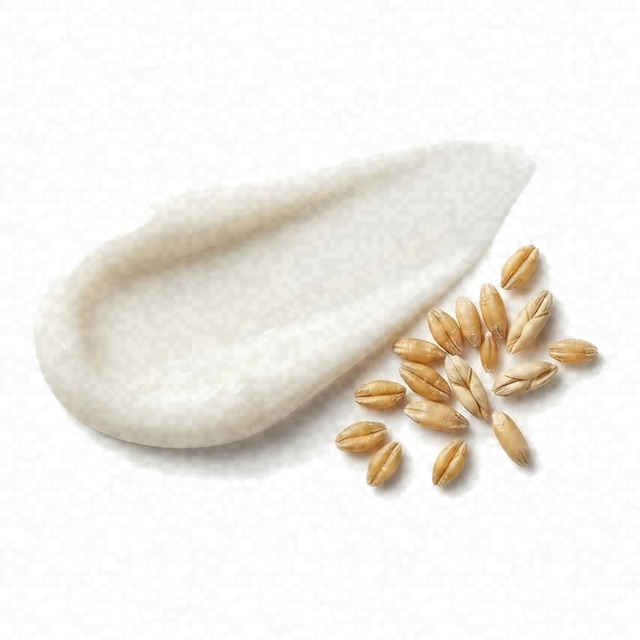 Azelaic Acid
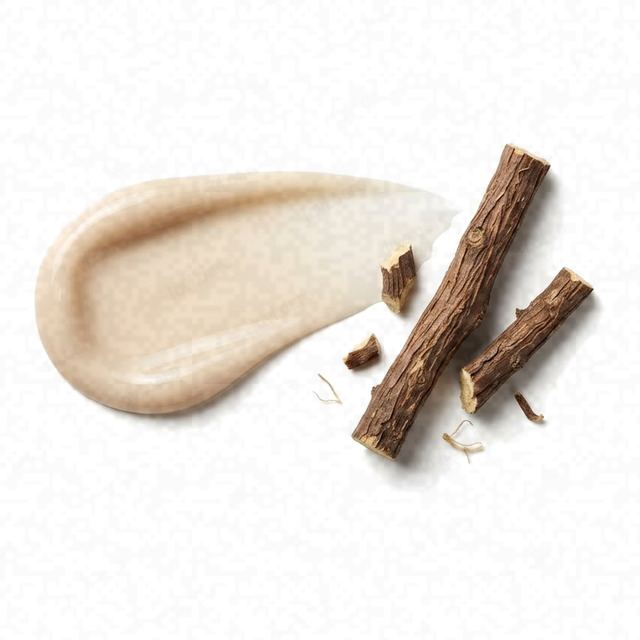 Licorice Root Extract
 Salicylic Acid
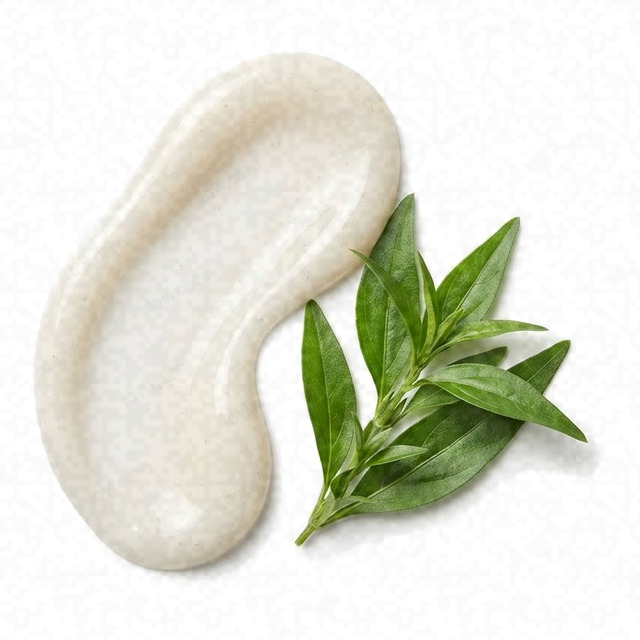 Andrographis Paniculata Leaf Extract
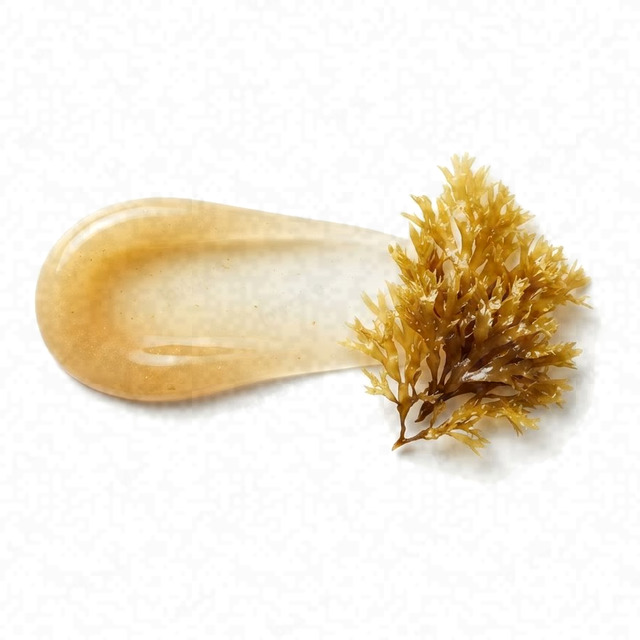 Laminaria Ochroleuca Extract
Average
- HighCombination Skin Fit
- HighEffectiveness
- HighSafety
Works for acne-prone skin; other serums fit it better.
This fit is calculated for the concerns frequently associated with acne-prone skin: breakouts, blackheads, and post-acne marks. For scores and recommendations based on your full skin profile, including your 12D face scan results and any goals or preferences you have, please use the Lovi app.
Page built Nov 8, 2026How the Fit score works
Lovi Assistant explains
- Offers moderate exfoliation for your acne and blemishes due to the presence of salicylic acid and azelaic acid, which help to unclog pores and reduce inflammation.
- The formula is highly suitable for your combination skin, as these ingredients also regulate melanogenesis to even skin tone.
- The product is safe for your combination skin, with no risks of irritation due to the absence of prohibited or harsh ingredients.
How to apply
- Use your serum as part of your PM routine and start 3x/week before working up to daily use.
- Apply this treatment after cleansing and toner, and before your moisturizer.
- Gently press 2-3 drops of the serum into your skin and let it absorb for a minute.
- Apply the product on clean, dry skin to help manage your breakouts safely.
- Avoid the eye area and do a patch test before your first use.
People Say
★4.7Overall rating based on 100+ reviewsBased on limited data, this product is highly praised for its ability to gently fade hyperpigmentation and dark spots in delicate areas. Users with sensitive skin appreciate its soothing, non-irritating, and hydrating formula, though some note that achieving visible lightening outcomes requires consistent, long-term application.
Highlights
Fades dark spots Often Mentioned
- “It brightened my skin and faded dark spots.”
- “It's really helped lighten the dark spots on my skin, especially in sensitive areas.”
- “I have struggled with dark underarms for years, and this cream has worked wonders.”
- “I use this product regularly for dark spots on my face and have noticed an improvement.”
Gentle on skin Often Mentioned
- “Perfect for sensitive skin! Love how gentle yet effective it is.”
- “The cream feels gentle and soothing”
- “Pigmentbio Cream brightens gently without irritation.”
- “It feels incredibly gentle and calming.”
Absorbs very quickly Sometimes Noted
- “I love that it's non-greasy and absorbs quickly.”
- “It's lightweight and absorbs swiftly, easily fitting into any skincare regimen.”
- “It actually disappears into the skin and does not leave any greasy or sticky feel”
Hydrating and moisturizing Sometimes Noted
- “It's also great for hydrating my skin, leaving it soft and moisturized.”
- “Regular use helps even skin tone, reduce discoloration, and improve overall skin comfort.”
- “Leaves the skin soft and comfortable thanks to its rich, smooth texture.”
Slow visible results Sometimes Noted
- “I have been using this since last month, I didn't see significant changes”
- “I've been using it for more than two weeks now and it doesn't do anything”
- “You just need to continue using it consistently to see results.”
- “I do not see an impressive result that is worth the value.”
Half empty tubes Rarely Noted
- “It says 75 ml, but the truth is that its quantity is equal to 30 ml.”
- “I bought two and they were both half empty.”
- “Quantity less than written.”
Poor packaging design Rarely Noted
- “the packaging was terrible condition so it was very easy for anyone to use them”
- “It was clear that it was used by someone”
- “Remember to store the tube in an Inverted way (upside-down), as it takes time for the cream to come out.”
Sources: lovi.care, judge.me, cosmetology.co.za, delmeds.com, cocooncenter.co.uk, perfumesclub.us, and more
Questions and answers
How well does Bioderma Pigmentbio Sensitive Areas work for acne-prone skin?
This treatment works moderately well for acne-prone skin, as it contains salicylic acid and azelaic acid to unclog pores and help reduce blemishes without irritating. To fit this skin type best, a treatment needs ingredients like niacinamide, propolis, or zinc PCA that balance oil and hydration while keeping skin clear.
Which ingredients make this cream a good fit for acne-prone skin?
This cream works for acne-prone skin because salicylic acid and azelaic acid provide moderate exfoliation that helps to unclog pores and reduce inflammation. To fit this skin type even better, products need ingredients like niacinamide, zinc PCA, or propolis that balance oil and hydrate without causing excess oiliness or dryness.
What does Azelaic Acid do for acne-prone skin?
Azelaic acid helps clear acne-prone skin by fighting bacteria and calming redness, while also fading dark spots left behind by breakouts. It targets multiple causes of acne at once to keep your skin smooth and even-toned.
Journal of Drugs in Dermatology, 2015Postepy Dermatologii I Alergologii, 2023
What does Licorice Root Extract do for acne-prone skin?
Licorice Root Extract helps calm red, irritated skin and soothe breakouts. It also works to fade the dark marks that pimples often leave behind.
Where does this cream go in a skincare routine for acne-prone skin?
This treatment goes in the evening routine after cleansing, and products for this skin need exfoliating acids like salicylic acid or azelaic acid to help clear pores and reduce blemishes.
Can I use this cream with retinol, and in what order?
You can use this treatment alongside a retinol, applying the treatment in your PM routine after cleansing and toning, and before your moisturizer. Because this product already contains exfoliating ingredients like salicylic acid and azelaic acid, combining it with retinol may increase skin sensitivity, so it is best to introduce them slowly. An acne-prone skin routine works best when it includes gentle soothing ingredients and barrier-repairing agents to prevent dryness and irritation.
How often should I use this cream?
You can use this treatment in your evening routine once a week to start, and then slowly use it more often if your skin tolerates it well. A product of this type needs soothing ingredients and gentle exfoliants that unclog pores without causing irritation.
Can this cream clog pores, cause breakouts or purging for acne-prone skin?
This cream is unlikely to clog pores or cause breakouts because it contains salicylic acid and azelaic acid, which help to unclog pores and reduce inflammation. However, because this is an average fit for acne-prone skin, a product of this type needs more targeted oil-controlling ingredients and lightweight hydrators to fully prevent breakouts.
Is this cream fragrance-free and alcohol-free?
Yes, it has no fragrance and no drying alcohol. Cetyl alcohol is a fatty alcohol, which soften the skin.
What the research says
Azelaic acid nanocrystal hydrogel 10% achieved a higher success rate and greater lesion reduction than azelaic acid cream 20% in patients with mild to moderate facial acne.
Pharmaceutics, 2021Application of 15% azelaic acid gel significantly reduced post-inflammatory erythema and hyperpigmentation, decreased hemoglobin and melanin content, improved quality of life, and contributed to acne improvement in patients with mild to moderate acne compared to placebo.
Dermatology and Therapy, 2024A moisturizer containing licochalcone A, 1,2-decanediol, L-carnitine, and salicylic acid significantly reduced noninflammatory, inflammatory, and total acne lesion counts compared to a vehicle control in Thai patients during a 12-week maintenance phase.
BioMed Research International, 2020Combined treatment of andrographolide and Bidens pilosa extract activated RXR alpha, enhanced extracellular matrix protein gene expression with antioxidant and anti-inflammatory efficacies, and improved wrinkles, skin elasticity, and hydration without causing irritating side effects in human subjects.
Biomolecules, 2025Topical application of a dermocosmetic containing Myrtus communis extract and azelaic acid reduced acne relapses and helped maintain remission compared to a light moisturizing cream in adult females in the acne maintenance phase over 16 weeks.
Journal of the European Academy of Dermatology and Venereology, 2023Topical administration of 20% azelaic acid cream and 5% tranexamic acid solution comparably improved acne-related postinflammatory hyperpigmentation in patients with acne vulgaris, while tranexamic acid demonstrated a significantly better safety profile at week 4.
Journal of Research in Medical Sciences, 2023Azelaic acid 15% gel showed comparable efficacy to adapalene 0.1% gel in reducing lesions, severity, and Dermatology Life Quality Index in women with adult acne, with significantly lower dryness and scaling, and demonstrated superiority during maintenance compared to no further treatment.
Journal of the European Academy of Dermatology and Venereology, 2015Combining 755 nm alexandrite laser with topical licorice gel significantly reduces terminal hair counts compared to alexandrite laser with placebo in women with idiopathic hirsutism.
Evidence-based Complementary and Alternative Medicine, 2015Licochalcone A activated Nrf2 signaling, elevated cytoprotective enzymes, increased the reduced-to-oxidized glutathione ratio, and decreased reactive oxygen species in human fibroblasts and neutrophils, while a LicA-rich licorice extract lowered UVA-induced oxidative processes in vivo.
Experimental Dermatology, 2015Bioactive glycyrrhizic acid and oxymatrine ionic liquid self-assembled nanomicelles significantly promoted the transdermal permeation, subcutaneous retention, and anti-photoaging efficacy of palmitoyl pentapeptide-4 in cellular and animal models compared to unformulated peptide.
Advanced Science, 2025Cryotherapy with liquid nitrogen achieved a higher cure rate (39%) than salicylic acid (24%) and a wait-and-see approach (16%) for cutaneous warts at 13 weeks in primary care patients.
CMAJ, 2010Treatment with 2% supramolecular salicylic acid hydrogel resulted in a regression and markedly improvement rate of 51.01% compared to 43.10% for Adapaline gel in patients with mild to moderate facial acne vulgaris, showing no significant difference in efficacy.
Journal of Cosmetic Dermatology, 2024Topical 5% benzoyl peroxide plus salicylic acid achieved the greatest lesion reduction at early 2 to 4 week time points compared to benzoyl peroxide, clindamycin, and combination benzoyl peroxide/clindamycin, while 5% benzoyl peroxide plus salicylic acid and combination benzoyl peroxide/clindamycin showed similar efficacy at 10 to 12 weeks in acne patients.
Journal of the American Academy of Dermatology, 2010An Andrographis paniculata extract promoted epidermal stem cell proliferation, up-regulated integrin beta1 and vascular endothelial growth factor expression, enhanced collagen production, and improved skin hydration, dermal density, wrinkling, and sagging in clinical evaluation.
Molecules, 2015Topical administration of andrographolide sodium bisulfate prevented UV-induced skin photoaging in mice by increasing collagen content, reducing epidermal thickness and MDA levels, upregulating SOD and CAT activities, and downregulating IL-1β, IL-6, IL-10, and TNF-α production compared to UV-irradiated mice without ASB.
Mediators of Inflammation, 2016Matrine, baicalin, ursolic acid, sodium danshensu, magnolol, honokiol, hesperidin, and andrographolide significantly reduced IL-8 and TNF-alpha production in human HaCaT keratinocytes pretreated with heat-killed Propionibacterium acnes.
Natural Product Research, 2012
Ingredients
Water, Glycerin, Cetyl Alcohol, Dimethicone, Polymethylsilsesquioxane, Dipropylene Glycol, Propylheptyl Caprylate, Caprylic Capric Triglyceride, Hdi Trimethylol Hexyllactone Crosspolymer, C14-22 Alcohols, Pentylene Glycol, Carbomer, Polysilicone-11, Caprylyl Glycol, 1,2-Hexanediol, Ammonium Acryloyldimethyltaurate Vp Copolymer, Butylene Glycol, Disodium Edta, Lysine, C12-20 Alkyl Glucoside, Azelaic Acid, Laminaria Ochroleuca Extract, Mannitol, Salicylic Acid, Xylitol, Andrographis Paniculata Leaf Extract, Rhamnose, Sodium Hydroxide, Glycyrrhiza Glabra Root Extract Licorice Root Extract, Decyl Glucoside, Fructooligosaccharides, Tocopherol
Behind this fit score
Lovi calculates every fit score from the full ingredient list with brand-independent rules our dermatologists and cosmetic chemists build and review, and personalizes every pick with AI trained on the real results of millions of users. Lovi trains its fit score models on a proprietary dataset built from more than 10,000 expert-labeled products and more than 100,000 simulated examples, following an internally consistent methodology presented at Cosmoprof, AMWC, and Skin of Color Update.
-

Co-founder, Medical Director
Cosmetic chemist, cosmetologist, aesthetic products developer
-

Co-founder, CEO and CTO
PhD in computer science, 3x US patent holder, ex-Google, ex-Yandex
-

Dr. Sofía Perea Pérez, MD, MSc
Medical Board
Aesthetic medicine practitioner, MSc in Longevity and Anti-Aging Medicine
-

Medical Board
Specialist dermatologist, MBBS, MD, IFAAD
-

Medical Board
Cosmetic chemist, SCS, IFSCC member
-

Medical Board, Medical Advisor
Dermatology MD
-

Elina Nazarenko, MD
Medical Board
Dermatology and diagnostic consultant
-

Victoria Derkova, MS
Medical Board
Cosmetic chemist, cosmetic development technologist


How does it fit your skin?
Scan your face, then any product: Lovi shows how well it fits you and what fits even better.