Benton PHA Peeling Toner for acne-prone skin

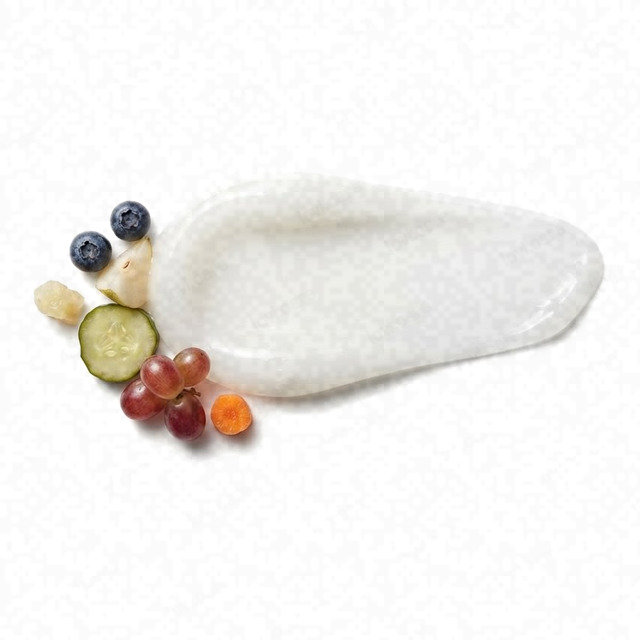 Pha Polyhydroxy Acid
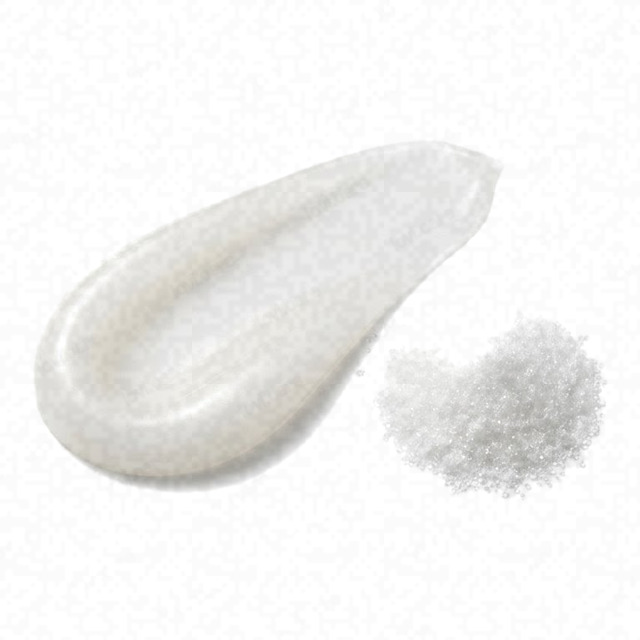 Lactobionic Acid
 Sodium Hyaluronate
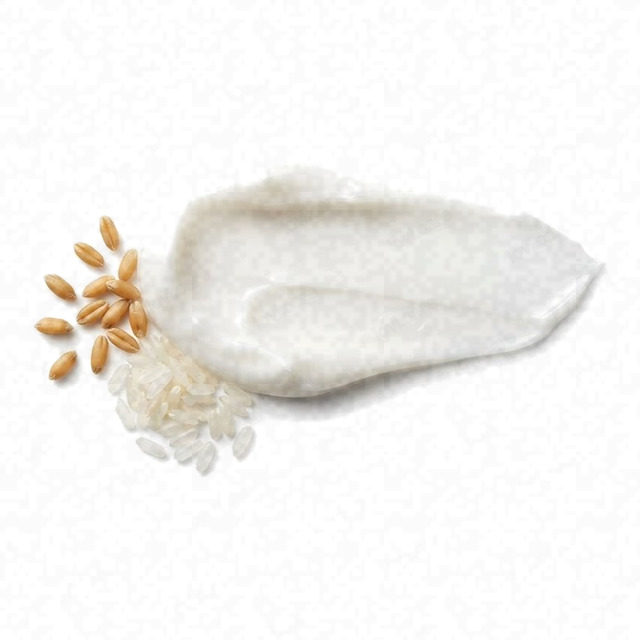 Ceramide Np
 Glycerin
Superior
- SuperiorCombination Skin Fit
- SuperiorEffectiveness
- ExcellentSafety
One of the best toners for acne-prone skin.
This fit is calculated for the concerns frequently associated with acne-prone skin: breakouts, blackheads, and post-acne marks. For scores and recommendations based on your full skin profile, including your 12D face scan results and any goals or preferences you have, please use the Lovi app.
Page built Nov 8, 2026How the Fit score works
Lovi Assistant explains
- Excellent suitability for your combination skin and acne, blemishes, and breakouts is provided by lactobionic acid and oleanolic acid, which offer targeted exfoliation and sebum regulation to smooth skin texture and minimize imperfections.
- The inclusion of Dipotassium Glycyrrhizate and Allantoin further supports skin health by soothing and calming the skin, ensuring a comfortable experience.
- This formula is safe for your skin, as it contains no harsh ingredients and includes beneficial soothing components.
How to apply
- You can use this exfoliating toner in your PM routine. Start by using it 1 time per week and increase slowly if your skin is happy.
- Apply your exfoliating toner right after cleansing and before your moisturizing steps. This helps your skin stay clean and clear.
- Gently press 2-3 drops of the exfoliating toner into your skin with your hands. Avoid rubbing to keep your face calm.
- Apply the exfoliating toner on clean and dry skin for the best comfort. Let it dry for a minute ⏱ before moving on.
- Always do a patch test before your first use and avoid putting the product too close to your eyes.
People Say
★4.3Overall rating based on 100+ reviewsBased on limited data, this toner is highly regarded as a gentle exfoliant suitable for sensitive, dry, and acne-prone skin, often called a beginner-friendly acid that refines texture without compromising hydration. Many users report a dewy glow and reduced flakiness, though some find it too mild for significant results compared to stronger exfoliants.
Highlights
Gentle exfoliation Mostly Mentioned
- “no irritation whatsoever”
- “great for sensitive skin”
- “mild enough for daily use”
- “no stinging”
Hydrating Often Mentioned
- “skin slurps it up”
- “leaves a dewy finish”
- “feels like a hydrating toner”
- “not drying at all”
Clean ingredients Sometimes Noted
- “fragrance-free”
- “unscented”
- “no alcohol”
- “soothing cornflower water”
Smoothes texture Sometimes Noted
- “removes dry flakes”
- “skin feels softer”
- “makeup applies better”
- “texture is refined”
Poor pump Sometimes Noted
- “squirts everywhere”
- “pump is too strong”
- “messy application”
- “hard to control amount”
Too mild Sometimes Noted
- “underwhelming effects”
- “no visible difference”
- “takes weeks to work”
- “too weak for exfoliation”
Price/volume Rarely Noted
- “bottle is small”
- “finished too quickly”
- “expensive for the results”
Sticky finish Rarely Noted
- “sticky upon drying”
- “tacky residue”
- “takes time to absorb”
Sources: lovi.care, stylekorean.com, seouloftokyo.co.za, picky.com, hwahae.co.kr, skinsort.com, and more
Questions and answers
What makes Benton PHA Peeling Toner one of the best fits for acne-prone skin?
This toner is one of the best fits for your acne-prone skin because lactobionic acid and oleanolic acid gently exfoliate and balance oil to smooth texture and minimize breakouts. Soothing ingredients like allantoin and dipotassium glycyrrhizate also calm the skin to ensure a comfortable, irritation-free experience.
Journal of Cosmetic Dermatology, 2019The Australasian Journal of Dermatology, 1992
Which ingredients make this toner a good fit for acne-prone skin?
This toner is a great fit because lactobionic acid and oleanolic acid gently exfoliate and help keep oily skin and breakouts under control. It also includes allantoin and dipotassium glycyrrhizate to help keep your skin feeling calm and comfortable.
Journal of Cosmetic Dermatology, 2019Medicina Oral, Patologia Oral Y Cirugia Bucal, 2020
What does Polyhydroxy Acid do for acne-prone skin?
Polyhydroxy Acid helps clear mild to moderate acne by reducing pimples and bumps while keeping your skin calm and comfortable. It is unlikely to cause irritation or dryness, making it a gentle option for sensitive skin types prone to breakouts.
What does Lactobionic Acid do for acne-prone skin?
Lactobionic acid helps acne-prone skin by gently clearing pores while keeping your skin calm and moisturized. Because it is very gentle, it is unlikely to cause irritation or damage your skin barrier while working to make your skin smooth.
Journal of Cosmetic Dermatology, 2010Journal of Cosmetic Dermatology, 2019
Where does this toner go in a skincare routine for acne-prone skin?
This exfoliating toner is a great fit for your acne-prone skin because lactobionic acid and oleanolic acid smooth texture and help control oil. It goes in your evening routine as a cleansing step before your treatment and moisturizer. You should start using it once a week, and you may use it more often if your skin handles it well.
Can I use this toner with retinol, and in what order?
You can use this toner with retinol by applying the toner first, waiting for it to absorb, and then following with your retinol. Because this formula gently exfoliates and calms your skin without harsh ingredients, it is unlikely to cause irritation when paired thoughtfully with your treatment routine.
Journal of Cosmetic Dermatology, 2019Medicina Oral, Patologia Oral Y Cirugia Bucal, 2020
How often should I use this toner?
Start using this exfoliating toner once a week, and if your skin tolerates it well and shows good results, you may carefully use it more often. This gentle approach helps smooth your skin and minimize breakouts while keeping your skin calm and comfortable.
Can this toner clog pores, cause breakouts or purging for acne-prone skin?
This toner is unlikely to clog pores or cause breakouts for acne-prone skin because it contains lactobionic acid and oleanolic acid, which help clear blemishes and regulate oil without irritation. It also includes soothing ingredients like allantoin and dipotassium glycyrrhizate to keep your skin calm and comfortable.
Journal of Cosmetic Dermatology, 2019Medicina Oral, Patologia Oral Y Cirugia Bucal, 2020
Is this toner fragrance-free and alcohol-free?
Yes, it has no fragrance and no drying alcohol.
What the research says
A topical gel containing chitosan, chlorhexidine, allantoin, and dexpanthenol significantly reduced postoperative pain, trismus, swelling, and analgesic consumption, while improving wound healing after third molar surgery compared to a placebo.
Medicina Oral, Patologia Oral Y Cirugia Bucal, 2020Dipotassium glycyrrhizinate-loaded hydroxypropyl chitosan and poly(N-isopropylacrylamide) hydrogels applied to wounds in a mouse full-thickness skin defect model resulted in rapid wound closure, efficient tissue remolding, collagen deposition, and decreased inflammation compared to commercial Tegaderm film and 3M dressing controls.
Acta Biomaterialia, 2022An emulsion containing 10% lactobionic acid significantly reduces human skin surface pH without causing skin irritation or barrier impairment.
Journal of Cosmetic Dermatology, 2019Gluconolactone 14% solution significantly improved mild to moderate acne by reducing inflamed and non-inflamed lesions similarly to 5% benzoyl peroxide, but with fewer side-effects in 150 patients.
The Australasian Journal of Dermatology, 1992Emulsions containing ceramides 1 and 3 improved skin hydration and reduced transepidermal water loss in sodium lauryl sulfate-irritated skin of fifteen healthy Asian women compared to a control emulsion.
International Journal of Dermatology, 2008Lactobionic acid produced better skin performance with a lack of skin irritation and barrier impairment compared to glycolic acid in 77 healthy volunteers.
Journal of Cosmetic Dermatology, 2010Combining a 20% lactobionic acid peel with aluminum oxide crystal microdermabrasion increases skin hydration, improves elasticity, and decreases transepidermal water loss in 20 Caucasian females compared to lactobionic acid peel alone.
Journal of Cosmetic Dermatology, 2019Carboxytherapy alone and combined with lactobionic acid, ferulic acid, and ascorbic acid significantly reduced vascular dark circles and combined pigmentation in the tear trough and lower eyelid of 39 Caucasian participants.
Clinical, Cosmetic and Investigational Dermatology, 2024Topical application of 0.1% hyaluronic acid formulations of different molecular weights led to significant improvements in skin hydration and elasticity, with low-molecular-weight formulations also significantly reducing wrinkle depth in seventy-six female subjects compared to a vehicle control.
Journal of Drugs in Dermatology, 2011Topical application of hyaluronic acid in conjunction with free gingival graft significantly reduced donor site postoperative pain until day 7 compared to normal saline, with no significant differences in graft dimensions or patient satisfaction.
Clinical Oral Investigations, 2022Treatment with a hyaluronic acid-containing mouth rinse or topical gel led to significant lesion reduction, pain relief, and normalization of lesion color in adult patients with minor recurrent aphthous stomatitis, with the gel formulation showing an earlier healing onset at 3 days.
BMC Oral Health, 2019A single application of a moisturizing fluid containing hyaluronic acid 1%, glycerin 5%, and Centella asiatica stem cells extract significantly increased skin hydration by 29% and reduced transepidermal water loss at 24 hours compared to baseline and an untreated control site in twenty healthy women.
Clinical, Cosmetic and Investigational Dermatology, 2017The emollient V0034CR significantly reduced TEWL compared to vehicle and vehicle plus glycerol, and significantly increased corneometry scores compared to vehicle and vehicle plus petrolatum in healthy volunteers with dry skin, demonstrating combined barrier function improvement from petrolatum and hydration improvement from glycerol.
Journal of Cosmetic Dermatology, 2020Ten days of treatment with a cream containing 20% glycerin significantly increased skin hydration measured by corneometer values in 17 healthy volunteers compared to a placebo cream, but showed no influence on transepidermal water loss or skin sensitivity to an irritating surfactant.
International Journal of Cosmetic Science, 2001
Ingredients
Water, Centaurea Cyanus Flower Water, Pentylene Glycol, Lactobionic Acid, Glycerin, Sodium Pca, Propanediol, Chrysanthemum Morifolium Flower Extract, Oleanolic Acid, Sodium Hyaluronate, Sodium Gluconate, Dipotassium Glycyrrhizate, Enantia Chlorantha Bark Extract, Ceramide Np, Allantoin, Butylene Glycol, Caprylic Capric Triglyceride, Hydrogenated Lecithin, Phytosteryl Octyldodecyl Lauroyl Glutamate
Behind this fit score
Lovi calculates every fit score from the full ingredient list with brand-independent rules our dermatologists and cosmetic chemists build and review, and personalizes every pick with AI trained on the real results of millions of users. Lovi trains its fit score models on a proprietary dataset built from more than 10,000 expert-labeled products and more than 100,000 simulated examples, following an internally consistent methodology presented at Cosmoprof, AMWC, and Skin of Color Update.
-

Co-founder, Medical Director
Cosmetic chemist, cosmetologist, aesthetic products developer
-

Co-founder, CEO and CTO
PhD in computer science, 3x US patent holder, ex-Google, ex-Yandex
-

Dr. Sofía Perea Pérez, MD, MSc
Medical Board
Aesthetic medicine practitioner, MSc in Longevity and Anti-Aging Medicine
-

Medical Board
Specialist dermatologist, MBBS, MD, IFAAD
-

Medical Board
Cosmetic chemist, SCS, IFSCC member
-

Medical Board, Medical Advisor
Dermatology MD
-

Elina Nazarenko, MD
Medical Board
Dermatology and diagnostic consultant
-

Victoria Derkova, MS
Medical Board
Cosmetic chemist, cosmetic development technologist


How does it fit your skin?
Scan your face, then any product: Lovi shows how well it fits you and what fits even better.