111SKIN Y Theorem Repair Light Serum NAC Y2 for oily acne-prone skin

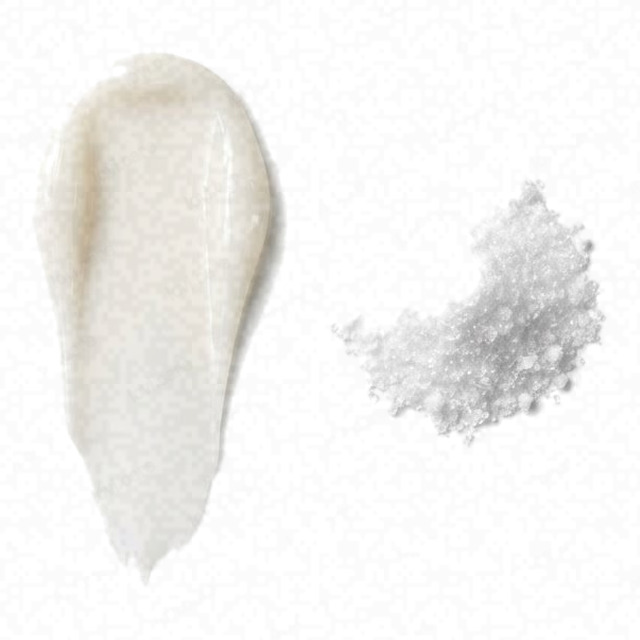 Nac Y2
 Niacinamide
 Calendula Officinalis Extract
 Aloe Barbadensis Extract
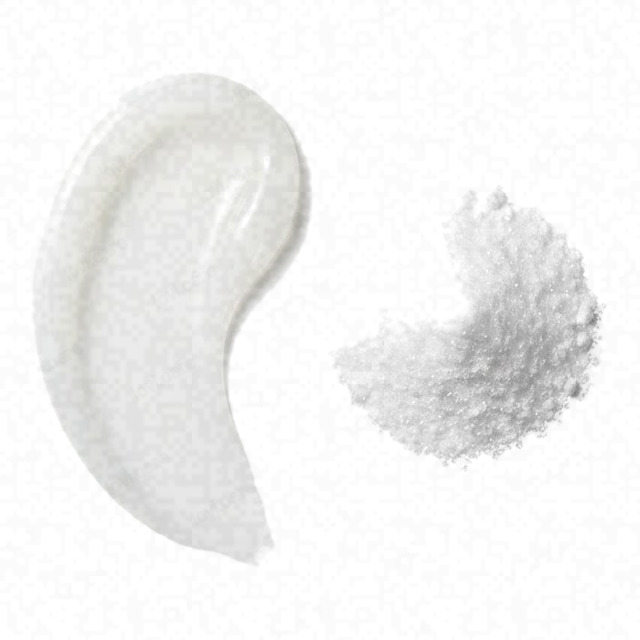 Acetyl Cysteine
Average
- HighOily Skin Fit
- AverageEffectiveness
- HighSafety
Works for oily acne-prone skin; other serums fit it better.
This fit is calculated for the concerns frequently associated with oily acne-prone skin: shine, breakouts, blemishes, and enlarged pores. For scores and recommendations based on your full skin profile, including your 12D face scan results and any goals or preferences you have, please use the Lovi app.
Page built Nov 8, 2026How the Fit score works
Lovi Assistant explains
- Offers moderate benefits for your oily skin, as niacinamide and sodium ascorbyl phosphate help regulate oil and provide antioxidant protection, though ingredients like Glycerin and Aloe Barbadensis Extract offer general hydration rather than targeted treatment for your acne and blemishes.
- The presence of acetyl cysteine and niacinamide aids in skin repair and barrier resilience, contributing to overall skin health.
- The formula is safe for your oily skin, with no reported risks of irritation due to the absence of harsh or prohibited ingredients.
How to apply
- Could be used as part of your PM routine. Start 3 times a week and build up to daily use if your skin tolerates it well.
- Apply your serum after cleansing and toning, but before putting on your moisturizer.
- Gently press 2 to 3 drops of the serum into your skin and let it absorb for a minute.
- Apply the serum on clean, dry skin to help manage your blemishes safely.
- Do a patch test before your first use and avoid the delicate eye area.
People Say
★4.2Overall rating based on 200+ reviewsUsers with oily, combination, or humid-climate skin praise the serum's lightweight, water-like texture for providing deep hydration without greasiness, often noting significant improvements in redness, inflammation, and post-procedure healing. A notable portion of reviewers feel the extremely high price point is unjustified, citing strong fragrance and a lack of dramatic anti-aging results as key drawbacks compared to more affordable alternatives.
Highlights
Lightweight & fast-absorbing Mostly Mentioned
- “absorbs almost instantly”
- “water-like texture”
- “not sticky or tacky”
- “perfect for oilier skin”
Extremely expensive Mostly Mentioned
- “not worth the money”
- “terrible for money”
- “understandable to balk at the price”
- “overpriced for what it is”
Hydrating & plumping Often Mentioned
- “skin was baby-soft”
- “beaming with light”
- “hydrates and plumps”
- “woke up looking radiant”
Soothing & healing Often Mentioned
- “calms my very sensitive skin”
- “heals and evens out acne scars”
- “reduced redness”
- “great for post-procedure”
Good for oily skin Sometimes Noted
- “didn't leave me feeling greasy”
- “perfect for oilier skin types”
- “balanced my oily skin”
Lack of visible results Sometimes Noted
- “just ok”
- “none of them did anything”
- “didn't see a difference”
- “all hype”
Strong fragrance Sometimes Noted
- “smells absolutely revolting”
- “wish it wasn't fragranced”
- “strong floral scent”
- “smell is too much”
Potential irritation Rarely Noted
- “winced when applied”
- “not for sensitive skin”
- “caused a reaction”
Sources: lovi.care, sephora.co.uk, spacenk.com, cultbeauty.co.uk, dermstore.com, neimanmarcus.com, and more
Questions and answers
How well does 111SKIN Y Theorem Repair Light Serum work for oily acne-prone skin?
This serum works moderately well for your oily acne-prone skin, as niacinamide and sodium ascorbyl phosphate help control oil while other ingredients offer general hydration instead of targeted blemish treatment. It is safe and unlikely to cause irritation, but a treatment of this type needs ingredients like propolis, vitamin C, and specialized extracts that directly target acne and uneven texture.
Which ingredients make this serum a good fit for oily acne-prone skin?
Niacinamide, sodium ascorbyl phosphate, and acetyl cysteine make this serum a good fit by helping regulate oil, providing antioxidants, and aiding skin repair. A treatment for this skin needs ingredients like niacinamide, propolis, or Vitamin C, along with soothing extracts and lightweight hydrators to target blemishes and control oil without breakouts.
What does Nac Y2 do for oily acne-prone skin?
NAC Y2 helps calm stressed, oily skin and supports a clearer, more balanced look. It is unlikely to feel heavy, but oily skin with breakouts also needs ingredients that clear pores and control shine.
What does Niacinamide do for oily acne-prone skin?
Niacinamide helps balance oil production, calms redness, and is unlikely to irritate oily, acne-prone skin while improving blemishes. Clinical tests show it reduces excess oil and helps clear up both inflammatory and non-inflammatory acne breakouts.
Journal of Cosmetic and Laser Therapy, 2006Journal of Cosmetic Dermatology, 2024
Where does this serum go in a skincare routine for oily acne-prone skin?
This treatment goes in the evening routine after cleansing and before your moisturizer. It is safe for your oily skin and unlikely to cause irritation, though oily acne-prone skin also needs targeted blemish-fighting ingredients and oil-regulating actives to see the best results.
Can I use this serum with retinol, and in what order?
You can use this serum with retinol by applying it during your evening routine after cleansing and toning, and before your moisturizer. It is unlikely to cause irritation on oily skin, but this skin type also needs targeted acne-fighting ingredients like salicylic acid or benzoyl peroxide to properly clear breakouts.
How often should I use this serum?
You can use this serum in your evening routine, as treatments fit well there for simplicity and extra safety around sun exposure. It is safe for your oily skin with no reported risks of irritation, though an oily acne-prone skin needs products with targeted blemish-fighting ingredients and oil-balancing actives for the best results.
Can this serum clog pores, cause breakouts or purging for oily acne-prone skin?
This serum is unlikely to cause breakouts or clog pores on oily acne-prone skin because it has a safe profile with no harsh ingredients. However, it offers only moderate benefits for your breakouts, as an oily acne-prone skin type needs targeted blemish-fighting ingredients and oil-balancing components rather than general hydration.
Is this serum fragrance-free and alcohol-free?
It contains fragrance (benzyl alcohol and parfum) and drying alcohol (alcohol).
What the research says
Combined ascorbyl palmitate and sodium ascorbyl phosphate treatment significantly reduced facial sebum secretions in healthy female volunteers compared to a placebo control over 90 days.
Drug Research, 2017A single application of a moisturizing fluid containing hyaluronic acid 1%, glycerin 5%, and Centella asiatica stem cells extract significantly increased skin hydration by 29% and reduced transepidermal water loss at 24 hours compared to baseline and an untreated control site in twenty healthy women.
Clinical, Cosmetic and Investigational Dermatology, 2017Topical genistein and N-acetyl cysteine prevent ultraviolet-induced photoaging signaling pathways in human skin in vivo by inhibiting specific kinase activities and antioxidant mechanisms without acting as sunscreens.
The Journal of Investigative Dermatology, 2003Glutathione amino acid precursors effectively increase cellular glutathione levels, reducing oxidative stress, ATP depletion, and DNA damage in human keratinocytes, clinical subjects, and ex vivo skin compared to controls.
Journal of the European Academy of Dermatology and Venereology, 2024Topical glutathione improves hyperpigmentation, reduces ultraviolet-induced erythema and wrinkles, decreases transepidermal water loss, and enhances antioxidant capacity.
The Journal of Clinical and Aesthetic Dermatology, 2025RayGel reduced skin reaction severity with a lower average score of 93.7 compared to 123.3 for the placebo group in patients undergoing whole breast external-beam irradiation.
American Journal of Surgery, 2005Topical post-laser application of human adipocyte-derived mesenchymal stem cell media combined with niacinamide significantly improved wrinkle index, melanin index, patient satisfaction, and investigator esthetic improvement scores compared to vehicle cream in patients with aging skin.
Journal of Cosmetic Dermatology, 2021Topical nicotinamide prevented solar-simulated UV-induced immunosuppression in healthy volunteers, and men experienced immunosuppression at solar-simulated UV doses three times lower than those required for women.
The Journal of Investigative Dermatology, 2008Topical 5% niacinamide applied twice daily for 12 weeks reduced fine lines and wrinkles, hyperpigmented spots, red blotchiness, and skin sallowness, and improved skin elasticity compared to vehicle control in 50 female white subjects with facial photoaging.
Dermatologic Surgery, 2005Topical application of Calendula officinalis extract cream significantly improved skin hydration and firmness (reflected in significant changes in R0 and R6 parameters) in 21 healthy human volunteers compared to a base cream.
Acta Poloniae Pharmaceutica, 2011Treatment with standardized extract of Calendula officinalis L. led to a shorter epithelization time and faster healing speed compared to mineral oil in patients with acute skin loss wounds of the hand and fingers healing by secondary intention.
Tissue Barriers, 2022Topical administration of Calendula provides weak evidence of effectiveness in acute and chronic wounds compared to standard treatments based on a narrative review of available trials.
Wounds, 2008A cream combining propolis, tea tree oil, and Aloe vera reduced erythema scars, acne severity index, and total lesion count better than erythromycin cream in sixty patients with mild to moderate acne vulgaris compared to placebo.
Clinical Pharmacology, 2018Topical aloe vera gel significantly accelerated split-thickness skin graft donor-site healing compared to placebo in 12 patients, but showed no significant difference in pain relief.
Plastic and Reconstructive Surgery, 2018Topical application of Aloe vera cream reduced postoperative pain at rest and during defecation, accelerated wound healing at two weeks, and decreased analgesic requirements in patients after open hemorrhoidectomy compared to placebo.
Journal of Alternative and Complementary Medicine, 2010Topical N-acetylcysteine plus doxycycline achieved significantly greater improvements in total lesion count, inflammatory lesion count, IGA, GAGS, and CADI scores compared to benzoyl peroxide plus doxycycline in 40 patients with moderate acne vulgaris.
Dermatology Practical & Conceptual, 2026Topical application of alpha-tocopherol, l-ascorbic acid, alpha-lipoic acid, glutathione ethylester, and N-acetylcysteine decreased UVB-radiation-induced cell death, apoptosis, and lipid peroxidation in ex vivo pig skin explants compared to untreated controls.
Radiation Research, 2003Topical vitamin C, vitamin E, and acetylcysteine showed similar effects on the healing of experimentally created corneal wounds in rabbits, with no statistically significant differences compared to each other.
Indian Journal of Ophthalmology, 2020
Why other serums fit oily acne-prone skin better
A cream combining propolis, tea tree oil, and Aloe vera reduced erythema scars, acne severity index, and total lesion count better than erythromycin cream in sixty patients with mild to moderate acne vulgaris compared to placebo.
Clinical Pharmacology, 2018Niacinamide and ferulic acid incorporated in a stable multiple emulsion successfully reduced melanin, sebum, and skin erythema while improving skin elasticity and hydration in human skin compared to a placebo.
BioMed Research International, 2022
Ingredients
Water, Glycerin, Alcohol, Benzyl Alcohol, Aloe Barbadensis Extract, Calendula Officinalis Extract, Carbomer, Sodium Hydroxide, Aesculus Hippocastanum Extract, Sodium Ascorbyl Phosphate, Panthenol, Niacinamide, Thiamin, Riboflavin, Pyridoxine, Cyanocobalamin, Glycyrrhiza Glabra Root Extract Licorice Root Extract, Prunus Armeniaca Kernel Oil Apricot Kernel Oil, Acetyl Cysteine, Parfum
Behind this fit score
Lovi calculates every fit score from the full ingredient list with brand-independent rules our dermatologists and cosmetic chemists build and review, and personalizes every pick with AI trained on the real results of millions of users. Lovi trains its fit score models on a proprietary dataset built from more than 10,000 expert-labeled products and more than 100,000 simulated examples, following an internally consistent methodology presented at Cosmoprof, AMWC, and Skin of Color Update.
-

Co-founder, Medical Director
Cosmetic chemist, cosmetologist, aesthetic products developer
-

Co-founder, CEO and CTO
PhD in computer science, 3x US patent holder, ex-Google, ex-Yandex
-

Dr. Sofía Perea Pérez, MD, MSc
Medical Board
Aesthetic medicine practitioner, MSc in Longevity and Anti-Aging Medicine
-

Medical Board
Specialist dermatologist, MBBS, MD, IFAAD
-

Medical Board
Cosmetic chemist, SCS, IFSCC member
-

Medical Board, Medical Advisor
Dermatology MD
-

Elina Nazarenko, MD
Medical Board
Dermatology and diagnostic consultant
-

Victoria Derkova, MS
Medical Board
Cosmetic chemist, cosmetic development technologist


How does it fit your skin?
Scan your face, then any product: Lovi shows how well it fits you and what fits even better.