Youth To The People Superclay Purify + Clear Power Mask for oily acne-prone skin

 Niacinamide
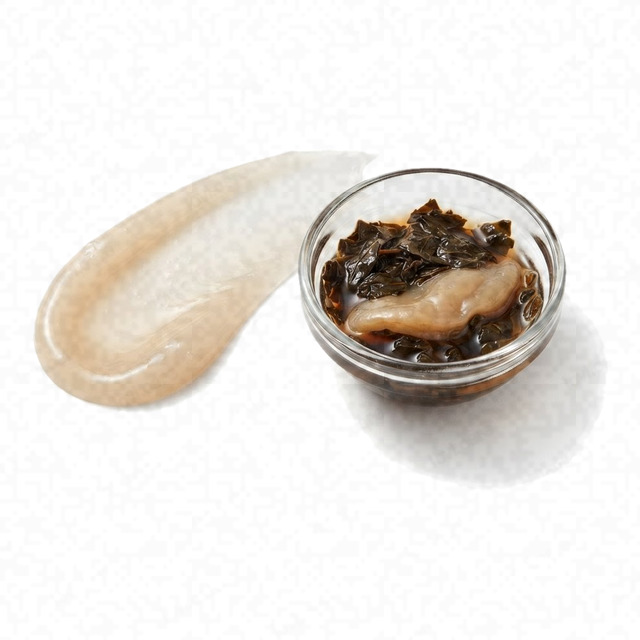 Saccharomyces Xylinum Black Tea
 Salicylic Acid
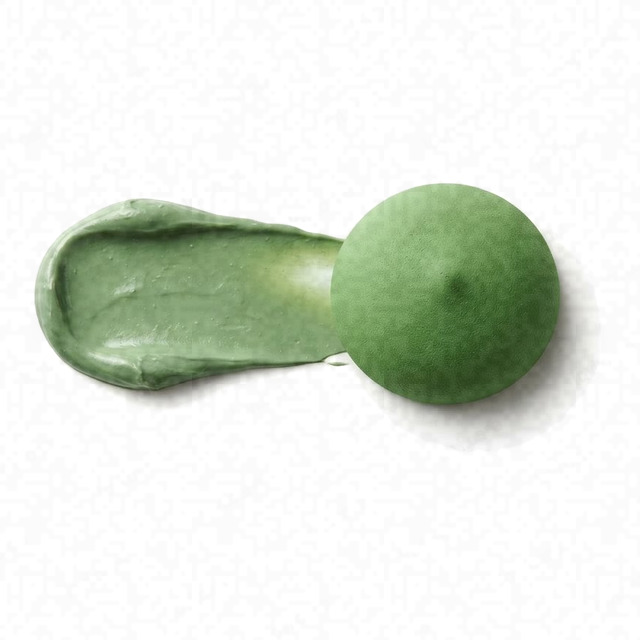 French Green Clay
 Aloe Barbadensis
Superior
- SuperiorOily Skin Fit
- SuperiorEffectiveness
- ExcellentSafety
One of the best cleansing masks for oily acne-prone skin.
This fit is calculated for the concerns frequently associated with oily acne-prone skin: shine, breakouts, blemishes, and enlarged pores. For scores and recommendations based on your full skin profile, including your 12D face scan results and any goals or preferences you have, please use the Lovi app.
Page built Nov 8, 2026How the Fit score works
Lovi Assistant explains
- Excellent suitability for your oily skin is provided by kaolin and bentonite clays, which absorb excess oil, alongside salicylic acid and lactic acid for exfoliation and niacinamide for sebum regulation.
- The inclusion of charcoal powder and red willow bark extract further enhances pore decongestion and blemish reduction, directly addressing your primary concerns.
- The product is safe for your skin, with aloe barbadensis leaf juice powder and allantoin offering soothing benefits and no risk of irritation.
How to apply
- Use your cleansing mask PM as part of your weekly routine. Start 1×/week and increase carefully if your oily skin tolerates it well.
- Apply this step after your enzyme powder and before your hydrating toner. Follow the standard weekly order to keep your skin balanced.
- Spread an even layer of the cleansing mask across your face while avoiding the eye area. Let it sit for the recommended time without rubbing .
- Apply the mask on clean and dry skin for the best purifying effect on your breakouts. Clean skin allows the formula to target blemishes directly.
- Always do a patch test before your first use to check for sensitivity. Avoid combining this mask with strong acids or retinoids in the same routine .
People Say
★4.6Overall rating based on 800+ reviewsUsers with oily, combination, and acne-prone skin highly praise this mask for its ability to clear congestion and reduce breakouts without stripping moisture. Recent reviews are dominated by disappointment that the product appears to have been discontinued, with many customers pleading for its return.
Highlights
Product discontinued Mostly Mentioned
- “please bring back”
- “sad it's gone”
- “unable to repurchase”
Clears pores/acne Often Mentioned
- “pimples reduced overnight”
- “clears my acne”
- “pores look diminished”
Non-drying formula Often Mentioned
- “leaves skin soft”
- “not over drying”
- “hydrated feel”
Gentle on sensitive Sometimes Noted
- “no irritation”
- “great for sensitive skin”
- “gentle effective option”
Smooth texture Sometimes Noted
- “glides on easily”
- “creamy clay”
- “lightweight texture”
Expensive for size Sometimes Noted
- “pricey for amount”
- “small jar”
- “expensive clay mask”
Caused irritation Rarely Noted
- “caused redness”
- “burning sensation”
- “chemical burn”
Jar packaging Rarely Noted
- “prefer a tube”
- “hard to scoop”
- “hygiene concerns”
Sources: lovi.care, sephora.com, influenster.com, cultbeauty.co.uk, youthtothepeople.com, reddit.com, and more
Questions and answers
What makes Youth To The People Superclay Purify + Clear Power Mask one of the best fits for oily acne-prone skin?
This mask is one of the best fits for your oily acne-prone skin because it uses kaolin and bentonite clays to soak up excess oil, while salicylic acid, lactic acid, and charcoal clear out pores. It also includes niacinamide to help balance oil production and aloe vera and allantoin to keep your skin calm and comfortable.
Which ingredients make this mask a good fit for oily acne-prone skin?
This mask is a great fit for your oily acne-prone skin because it uses kaolin and bentonite clays to soak up extra oil, along with salicylic acid and lactic acid to clear pores. Niacinamide helps control oil, while aloe vera and allantoin soothe your skin to keep it calm and comfortable.
What does Niacinamide do for oily acne-prone skin?
Niacinamide helps balance oil production, calms redness, and is unlikely to irritate oily, acne-prone skin while improving blemishes. Clinical tests show it reduces excess oil and helps clear up both inflammatory and non-inflammatory acne breakouts.
Journal of Cosmetic and Laser Therapy, 2006Journal of Cosmetic Dermatology, 2024
What does Saccharomyces Xylinum do for oily acne-prone skin?
Saccharomyces Xylinum helps smooth and soften oily acne-prone skin while improving the skin's overall texture. This ingredient may also help keep the skin feeling balanced and comfortable throughout the day.
Where does this mask go in a skincare routine for oily acne-prone skin?
This cleansing mask goes into your weekly routine after a makeup remover, cleanser, and enzyme powder, and before a hydrating toner and treatment. It is an excellent fit for your oily, acne-prone skin because it uses clays to soak up extra oil and acids to clear out pores.
Can I use this mask with retinol, and in what order?
You can use this mask in your weekly routine, but it is best to avoid using it on the exact same night as your retinol to prevent irritation. Since this mask contains exfoliating acids and clays, alternating nights helps your skin stay calm while still getting the benefits of both treatments.
How often should I use this mask?
This cleansing mask fits into your weekly routine as a once-a-week step. Kaolin and bentonite clays absorb excess oil, while salicylic acid and lactic acid gently exfoliate and niacinamide regulates sebum.
Can this mask clog pores, cause breakouts or purging for oily acne-prone skin?
This mask is a great fit for your oily, acne-prone skin and is unlikely to cause irritation while helping to clear pores and absorb excess oil. Salicylic acid and clay ingredients support blemish reduction, and soothing ingredients help keep your skin calm.
Journal of Cosmetic Dermatology, 2024Journal of Drugs in Dermatology, 2023
Is this mask fragrance-free and alcohol-free?
Yes, it has no fragrance and no drying alcohol. Cetyl alcohol and stearyl alcohol are fatty alcohols, which soften the skin.
What the research says
Twice daily application of a multitargeted dermocosmetic cream provided comparable efficacy to benzoyl peroxide 5% gel in reducing inflammatory, non-inflammatory, and total lesions in 150 Caucasian subjects with mild-to-moderate acne over 56 days, while demonstrating superior skin tolerability.
Journal of Cosmetic Dermatology, 2024The use of a salicylic acid-based dermocosmetic significantly reduces the needed quantity of benzoyl peroxide without impacting efficacy in mild to moderate acne, and as maintenance post-benzoyl peroxide allows a significant reduction of acne relapse compared to vehicle.
Journal of Drugs in Dermatology, 2023A bentonite-based facial mask with Alcea sulphurea extract combined with oral azithromycin significantly reduced total lesion count and acne severity index while enhancing patient satisfaction in patients with moderate acne compared to placebo plus azithromycin over 8 weeks.
Journal of Cosmetic Dermatology, 2025Topical post-laser application of human adipocyte-derived mesenchymal stem cell media combined with niacinamide significantly improved wrinkle index, melanin index, patient satisfaction, and investigator esthetic improvement scores compared to vehicle cream in patients with aging skin.
Journal of Cosmetic Dermatology, 2021Topical nicotinamide prevented solar-simulated UV-induced immunosuppression in healthy volunteers, and men experienced immunosuppression at solar-simulated UV doses three times lower than those required for women.
The Journal of Investigative Dermatology, 2008Topical 5% niacinamide applied twice daily for 12 weeks reduced fine lines and wrinkles, hyperpigmented spots, red blotchiness, and skin sallowness, and improved skin elasticity compared to vehicle control in 50 female white subjects with facial photoaging.
Dermatologic Surgery, 2005Kombucha Yerba Mate ferments after 14 and 21 days of fermentation showed about a 40% inhibition of lipoxygenase, collagenase, and elastase enzymes, long-lasting skin hydration, and increased cell viability on keratinocyte and fibroblast cell lines compared to unfermented extracts.
Scientific Reports, 2021Fermentation of grape stems extract using a Scoby consortium for 10 and 20 days increases phenolic content and antioxidant activity, and when added to model cosmetic creams, improves skin hydration and reduces transepidermal water loss.
International Journal of Cosmetic Science, 2023Cryotherapy with liquid nitrogen achieved a higher cure rate (39%) than salicylic acid (24%) and a wait-and-see approach (16%) for cutaneous warts at 13 weeks in primary care patients.
CMAJ, 2010A moisturizer containing licochalcone A, 1,2-decanediol, L-carnitine, and salicylic acid significantly reduced noninflammatory, inflammatory, and total acne lesion counts compared to a vehicle control in Thai patients during a 12-week maintenance phase.
BioMed Research International, 2020Treatment with 2% supramolecular salicylic acid hydrogel resulted in a regression and markedly improvement rate of 51.01% compared to 43.10% for Adapaline gel in patients with mild to moderate facial acne vulgaris, showing no significant difference in efficacy.
Journal of Cosmetic Dermatology, 2024Quaternized carboxymethyl chitosan/organic montmorillonite nanocomposite demonstrated superior moisture-adsorption and retention compared to hyaluronic acid, good UV-protection ability, negligible dermal irritation, and prominent moisture-retention efficacy on human stratum corneum when formulated into a cosmetic cream.
Carbohydrate Polymers, 2017Twice-weekly use of a clay mask over 4 weeks in 75 adults with oily or combination skin improved acne-related outcomes, sebum content, skin evenness, hydration, and reduced dryness and irritation.
Skin Research and Technology, 2023Clay jojoba oil facial masks reduced total skin lesions by a mean of 54% after 6 weeks in 133 participants with acne-prone, lesioned skin and mild acne compared to baseline.
Forschende Komplementarmedizin, 2012A cream combining propolis, tea tree oil, and Aloe vera reduced erythema scars, acne severity index, and total lesion count better than erythromycin cream in sixty patients with mild to moderate acne vulgaris compared to placebo.
Clinical Pharmacology, 2018Topical aloe vera gel significantly accelerated split-thickness skin graft donor-site healing compared to placebo in 12 patients, but showed no significant difference in pain relief.
Plastic and Reconstructive Surgery, 2018Topical application of Aloe vera cream reduced postoperative pain at rest and during defecation, accelerated wound healing at two weeks, and decreased analgesic requirements in patients after open hemorrhoidectomy compared to placebo.
Journal of Alternative and Complementary Medicine, 2010
Ingredients
Water, Kaolin, Cetyl Alcohol, Propanediol, Glycerin, Glyceryl Stearate, Bentonite, Niacinamide, Rice Starch, Stearyl Alcohol, Magnesium Aluminum Silicate, Montmorillonite Clay French Green Clay, Illite, Calcite, Salicylic Acid, Salix Purpurea Bark Extract Red Willow Bark Extract, Saccharomyces Xylinum Black Tea Ferment, Allantoin, Carthamus Tinctorius Seed Oil, Phycocyanin Blue Algae, Aloe Barbadensis Leaf Juice Powder, Glyceryl Acrylate Acrylic Acid Copolymer, Cetearyl Olivate, Sorbitan Olivate, Triticum Aestivum Leaf Powder Wheatgrass Leaf Powder, Lactic Acid, Sorbitan Stearate, Caprylhydroxamic Acid, Sodium Citrate, 1,2-Hexanediol, Charcoal Powder, Maltodextrin, Gardenia Florida Fruit Extract
Behind this fit score
Lovi calculates every fit score from the full ingredient list with brand-independent rules our dermatologists and cosmetic chemists build and review, and personalizes every pick with AI trained on the real results of millions of users. Lovi trains its fit score models on a proprietary dataset built from more than 10,000 expert-labeled products and more than 100,000 simulated examples, following an internally consistent methodology presented at Cosmoprof, AMWC, and Skin of Color Update.
-

Co-founder, Medical Director
Cosmetic chemist, cosmetologist, aesthetic products developer
-

Co-founder, CEO and CTO
PhD in computer science, 3x US patent holder, ex-Google, ex-Yandex
-

Dr. Sofía Perea Pérez, MD, MSc
Medical Board
Aesthetic medicine practitioner, MSc in Longevity and Anti-Aging Medicine
-

Medical Board
Specialist dermatologist, MBBS, MD, IFAAD
-

Medical Board
Cosmetic chemist, SCS, IFSCC member
-

Medical Board, Medical Advisor
Dermatology MD
-

Elina Nazarenko, MD
Medical Board
Dermatology and diagnostic consultant
-

Victoria Derkova, MS
Medical Board
Cosmetic chemist, cosmetic development technologist


How does it fit your skin?
Scan your face, then any product: Lovi shows how well it fits you and what fits even better.