U Beauty Resurfacing Compound for oily acne-prone skin

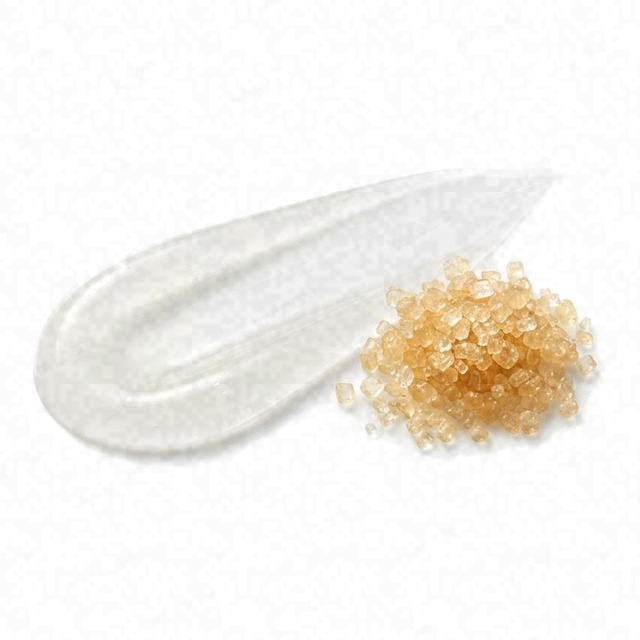 Glycolic Acid
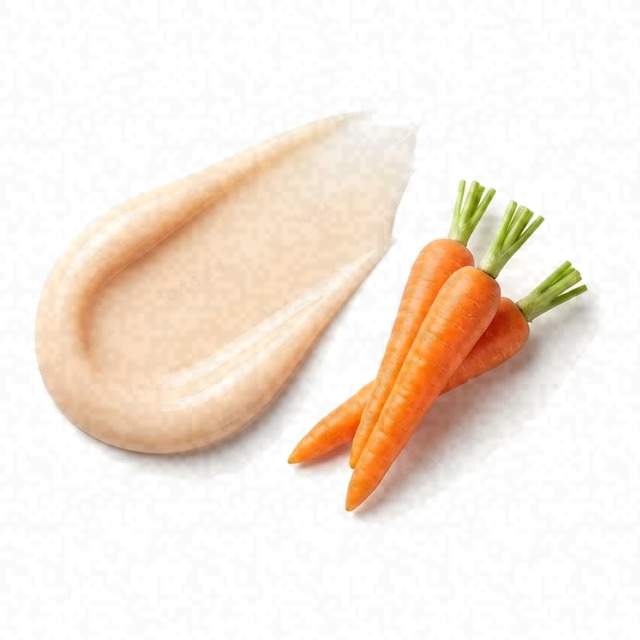 Retinyl Palmitate
 Sodium Hyaluronate
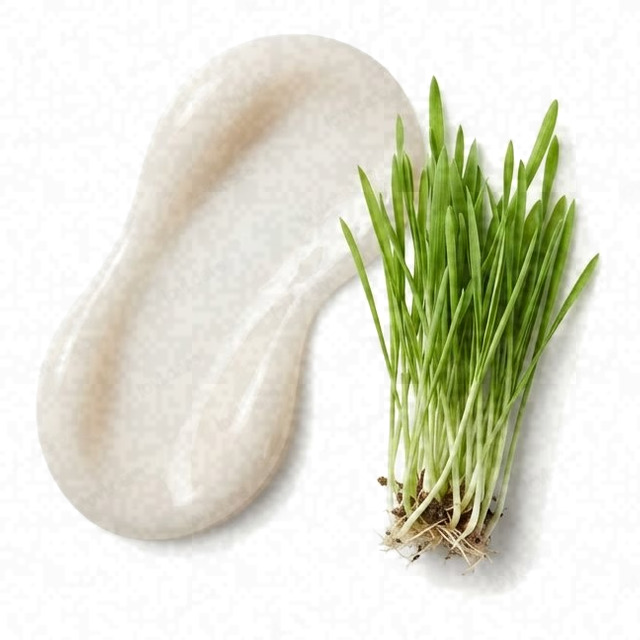 Superoxide Dismutase
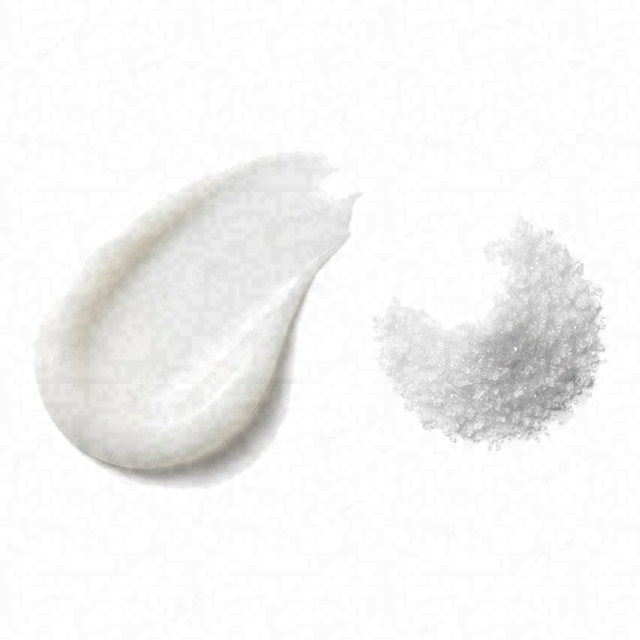 Glutathione
Average
- HighOily Skin Fit
- AverageEffectiveness
- ExcellentSafety
Works for oily acne-prone skin; other products fit it better.
This fit is calculated for the concerns frequently associated with oily acne-prone skin: shine, breakouts, blemishes, and enlarged pores. For scores and recommendations based on your full skin profile, including your 12D face scan results and any goals or preferences you have, please use the Lovi app.
Page built Nov 8, 2026How the Fit score works
Lovi Assistant explains
- Offers moderate exfoliation for your oily skin and acne concerns due to the presence of glycolic acid and mandelic acid, which help to resurface texture and manage breakouts.
- Sodium ascorbyl phosphate also aids in seboregulation, further supporting your oily skin type.
- The product is safe for your skin, with aloe barbadensis leaf juice powder and tocopherol providing soothing benefits and no harsh ingredients.
How to apply
- Use this exfoliant as part of your PM routine once a week to start, increasing frequency only if your skin tolerates it well.
- Apply the exfoliant after cleansing and toning, but before your final moisturizer step.
- Gently press 2-3 drops of the exfoliant into your skin and let it absorb for a minute.
- Apply the product directly onto clean, dry skin for the best results against breakouts.
- Avoid the sensitive eye area and always use a daily SPF since exfoliating makes skin more sensitive to the sun.
People Say
★4.5Overall rating based on 500+ reviewsThis product is frequently described as a "game-changer" for achieving "glass skin," with users praising its ability to smooth texture and brighten dull complexions within days. Some users with drier skin types report needing an additional moisturizer to prevent tightness.
Highlights
Smoother skin texture Mostly Mentioned
- “skin feels like butter”
- “airbrushed look”
- “texture is so smooth”
Brightens and evens Often Mentioned
- “faded acne scars”
- “dark spots diminished”
- “glowy and bright”
Simplifies routine Often Mentioned
- “cut 4 steps”
- “replaced my toner and serum”
- “one-and-done product”
Expensive product Often Mentioned
- “steep price tag”
- “too expensive to repurchase”
Fast-acting results Sometimes Noted
- “saw changes in 3 days”
- “immediate difference”
- “glow within a week”
Reduces pore visibility Sometimes Noted
- “pores look diminished”
- “blackheads are gone”
- “less congested nose”
Drying or tight Sometimes Noted
- “sucked moisture out”
- “skin felt tight”
- “need extra moisturizer”
Irritation and breakouts Rarely Noted
- “red and blotchy”
- “caused cystic acne”
- “bad reaction”
Packaging quality Rarely Noted
- “pump stopped working”
- “cheap plastic bottle”
- “packaging feels nasty”
Scent issues Rarely Noted
- “fragrance caused breakouts”
- “smell is too strong”
- “fruity scent”
Sources: lovi.care, dermstore.com, sephora.com, purewow.com, whowhatwear.com, reddit.com, and more
Questions and answers
How well does the Resurfacing Compound work for oily acne-prone skin?
This compound works moderately well for oily acne-prone skin, offering gentle exfoliation and oil control through ingredients like glycolic acid and mandelic acid. Because other products fit this skin type better, an ideal choice for oily skin needs targeted ingredients like niacinamide, propolis, or benzoyl peroxide to manage breakouts and reduce excess oil without irritation.
Which ingredients make this exfoliant a good fit for oily acne-prone skin?
Glycolic acid, mandelic acid, and sodium ascorbyl phosphate make this exfoliant a good fit because they help resurface texture, manage breakouts, and control oil. Oily and acne-prone skin needs ingredients like niacinamide, propolis, benzoyl peroxide, or vitamin C for excellent results without irritation.
What does Glycolic Acid do for oily acne-prone skin?
Glycolic acid helps clear acne-prone skin by reducing pimples and soothing breakouts. It exfoliates the surface to keep pores clear and leaves the skin feeling smooth.
Clinical, Cosmetic and Investigational Dermatology, 2019Dermatologic Surgery, 2014
What does Retinyl Palmitate do for oily acne-prone skin?
Retinyl palmitate helps manage acne-prone skin by reducing acne blemishes and spots while keeping skin irritation low. It works well for oily skin types because it supports normal skin cell turnover and helps keep pores clear, though this type of skin also needs ingredients that control excess oil and soothe inflammation.
International Journal of Nanomedicine, 2021Biochimica Et Biophysica Acta, 2012
Where does this exfoliant go in a skincare routine for oily acne-prone skin?
This exfoliant treatment goes in your evening routine once a week to start, and if your skin handles it well, you may use it more often. A product of this type needs exfoliating acids like glycolic acid or mandelic acid to resurface texture and manage breakouts, along with soothing ingredients like aloe and vitamin E to keep oily skin calm.
Can I use this exfoliant with retinol, and in what order?
You can use this exfoliant in your evening routine, but using it with a separate retinol may easily irritate your skin. To safely address oily and acne-prone skin, a routine of this type needs gentle exfoliating acids, soothing ingredients, and oil-balancing agents without overloading on strong actives.
How often should I use this exfoliant?
Start using this exfoliant treatment once a week in your evening routine, and if your oily acne-prone skin tolerates it well and sees good results, you may carefully use it more often. This product type works for this skin, though oily acne-prone skin generally needs formulas that combine stronger pore-clearing acids like salicylic acid with soothing and oil-balancing ingredients.
Journal of Cosmetic Dermatology, 2021Journal of Cosmetic Dermatology, 2024
Can this exfoliant clog pores, cause breakouts or purging for oily acne-prone skin?
This exfoliant is unlikely to clog pores and has a low likelihood of causing irritation or breakouts on your oily, acne-prone skin. It offers moderate exfoliation with acids that help manage breakouts, but an average fit for this skin needs ingredients that provide stronger oil control and targeted blemish-clearing support.
Journal of Cosmetic Dermatology, 2020Clinical, Cosmetic and Investigational Dermatology, 2019
Is this exfoliant fragrance-free and alcohol-free?
It has no drying alcohol and contains fragrance (benzyl alcohol).
What the research says
Treatment with 45% mandelic acid peel showed nearly equal overall efficacy as 30% salicylic acid peel in patients with mild-to-moderate facial acne vulgaris, but with fewer adverse effects.
Journal of Cosmetic Dermatology, 2020Glycolic acid, salicylic acid, gluconolactone, and licochalcone A combined with 0.1% adapalene showed no hindrance compared to adapalene monotherapy and provided benefits in reducing complications in 25 subjects with mild-to-moderate acne vulgaris.
Clinical, Cosmetic and Investigational Dermatology, 2019Commonly used chemical peels showed no significant differences in effectiveness for acne vulgaris in most comparisons, though combined salicylic and mandelic acid peeling was superior to glycolic acid and glycolic acid was superior to placebo, based on twelve randomized controlled trials.
BMJ Open, 2018Combined ascorbyl palmitate and sodium ascorbyl phosphate treatment significantly reduced facial sebum secretions in healthy female volunteers compared to a placebo control over 90 days.
Drug Research, 2017Repeated short-contact 70% glycolic acid peels provided superior results in atrophic acne scars compared to daily low-strength glycolic acid cream or placebo in 58 women over 24 weeks.
International Journal of Dermatology, 2000Serial glycolic acid peels combined with a modified Kligman formula significantly reduced facial PIH severity in Indian patients compared to the modified Kligman formula alone.
Dermatologic Surgery, 2017Over-the-counter retinol products provided only weak evidence for a mild ameliorating effect on fine facial skin wrinkle lines in randomized, double-blind, vehicle-controlled trials, and major methodological flaws call the validity of positive results into question.
The Journal of Clinical and Aesthetic Dermatology, 2021A cosmetic niacinamide/peptide/retinyl propionate regimen significantly improved periorbital wrinkle appearance relative to a 0.02% tretinoin regimen at 8 weeks with comparable benefits at 24 weeks, while demonstrating significantly better tolerability in 196 women.
The British Journal of Dermatology, 2010A novel triple-active cosmetic formulation containing 4-hexylresorcinol, retinyl propionate, and niacinamide improved the visual appearance of photoageing similarly to 0.02% tretinoin and reversed a consensus gene signature associated with ageing in female adults while causing less skin irritation.
International Journal of Cosmetic Science, 2024Topical application of 0.1% hyaluronic acid formulations of different molecular weights led to significant improvements in skin hydration and elasticity, with low-molecular-weight formulations also significantly reducing wrinkle depth in seventy-six female subjects compared to a vehicle control.
Journal of Drugs in Dermatology, 2011Topical application of hyaluronic acid in conjunction with free gingival graft significantly reduced donor site postoperative pain until day 7 compared to normal saline, with no significant differences in graft dimensions or patient satisfaction.
Clinical Oral Investigations, 2022Treatment with a hyaluronic acid-containing mouth rinse or topical gel led to significant lesion reduction, pain relief, and normalization of lesion color in adult patients with minor recurrent aphthous stomatitis, with the gel formulation showing an earlier healing onset at 3 days.
BMC Oral Health, 2019Topical application of TAT-SOD significantly suppresses UVB-induced erythema formation, blood flow rise, and apoptotic sunburn cell formation in human volunteers compared to a vehicle control.
European Journal of Pharmaceutics and Biopharmaceutics, 2016Topical treatment with the synthetic SOD/catalase mimetic EUK-134 reduced lipid peroxide levels both at baseline on non-irradiated human skin and at the surface of UVA-exposed skin when applied before or after irradiation, compared to controls.
International Journal of Cosmetic Science, 2004Topical superoxide dismutase formulations maintained physical stability and enzymatic activity for 6 months at 4 and 30 degrees C, and effectively inhibited UVB-induced skin erythema for 48 hours, whereas formulations combined with alpha-tocopherol were unstable.
European Journal of Pharmaceutics and Biopharmaceutics, 2007Glutathione amino acid precursors effectively increase cellular glutathione levels, reducing oxidative stress, ATP depletion, and DNA damage in human keratinocytes, clinical subjects, and ex vivo skin compared to controls.
Journal of the European Academy of Dermatology and Venereology, 2024Topical oxidized glutathione significantly decreases the skin melanin index and improves moisture content, smoothness, wrinkle formation, and elasticity compared to placebo in healthy women.
Clinical, Cosmetic and Investigational Dermatology, 2014Topical glutathione improves hyperpigmentation, reduces ultraviolet-induced erythema and wrinkles, decreases transepidermal water loss, and enhances antioxidant capacity.
The Journal of Clinical and Aesthetic Dermatology, 2025
Ingredients
Water, Aloe Barbadensis Leaf Juice Powder, Sodium Ascorbyl Phosphate, Dimethyl Sulfone, Citric Acid, Polysorbate 20, Glycerin, Witch Hazel Leaf Extract, Sodium Hyaluronate, Glycolic Acid, Superoxide Dismutase, Lactobionic Acid, Hydrolyzed Hyaluronic Acid, Glutathione, Acacia Decurrens Jojoba Sunflower Polyglyceryl-3 Esters Wax Seed, Mandelic Acid, Linoleic Acid, Retinyl Palmitate, Helianthus Annuus Seed Oil Sunflower Seed Oil, Oleic Acid, Palmitic Acid, Stearic Acid, Tocopherol, Linolenic Acid, Xanthan Gum, Pentylene Glycol, Butylene Glycol, Methyldihydrojasmonate, Hydroxyphenyl Propamidobenzoic Acid, Caprylyl Glycol, N-Prolyl Palmitoyl Tripeptide-56 Acetate, Benzyl Alcohol, Dehydroacetic Acid
Behind this fit score
Lovi calculates every fit score from the full ingredient list with brand-independent rules our dermatologists and cosmetic chemists build and review, and personalizes every pick with AI trained on the real results of millions of users. Lovi trains its fit score models on a proprietary dataset built from more than 10,000 expert-labeled products and more than 100,000 simulated examples, following an internally consistent methodology presented at Cosmoprof, AMWC, and Skin of Color Update.
-

Co-founder, Medical Director
Cosmetic chemist, cosmetologist, aesthetic products developer
-

Co-founder, CEO and CTO
PhD in computer science, 3x US patent holder, ex-Google, ex-Yandex
-

Dr. Sofía Perea Pérez, MD, MSc
Medical Board
Aesthetic medicine practitioner, MSc in Longevity and Anti-Aging Medicine
-

Medical Board
Specialist dermatologist, MBBS, MD, IFAAD
-

Medical Board
Cosmetic chemist, SCS, IFSCC member
-

Medical Board, Medical Advisor
Dermatology MD
-

Elina Nazarenko, MD
Medical Board
Dermatology and diagnostic consultant
-

Victoria Derkova, MS
Medical Board
Cosmetic chemist, cosmetic development technologist


How does it fit your skin?
Scan your face, then any product: Lovi shows how well it fits you and what fits even better.