TruSkin Facial Serum for sensitive skin

 Ascorbic Acid
 Vitamin E
 Sodium Hyaluronate
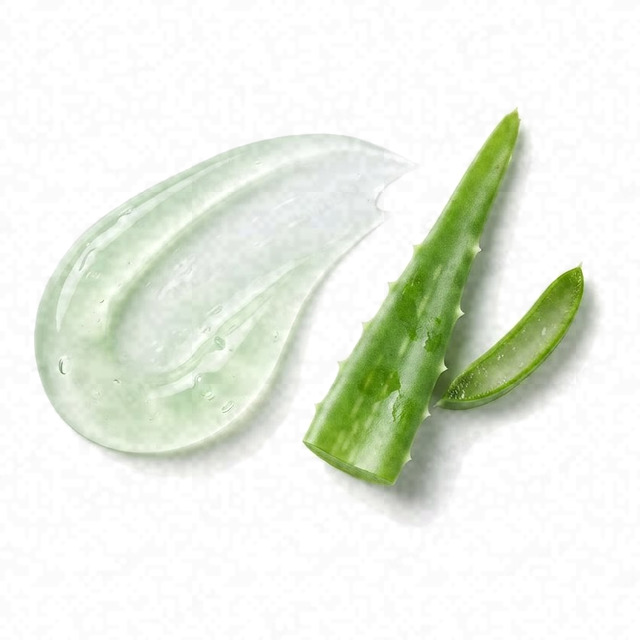 Aloe Barbadensis
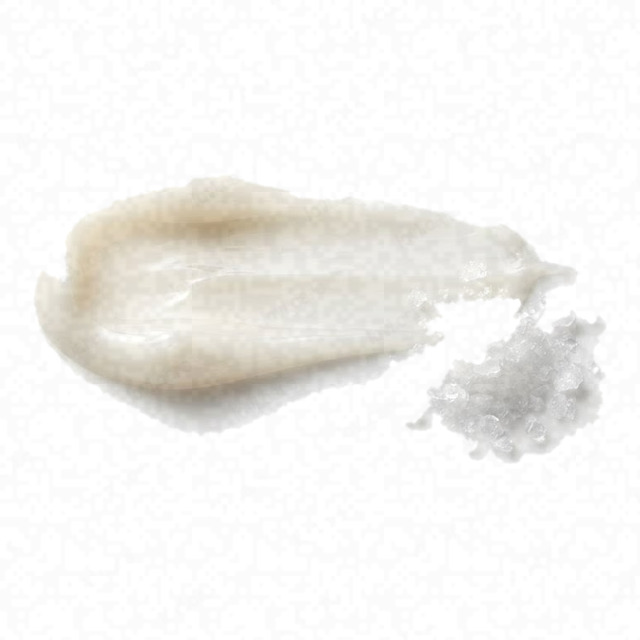 Dimethyl Sulfone
Average
- HighNormal Skin Fit
- AverageEffectiveness
- Low RiskSafety
Works for sensitive skin; other serums fit it better.
- Indian Journal of Pharmaceutical Sciences, 2016
- Clinical, Cosmetic and Investigational Dermatology, 2017
This fit is calculated for the concerns frequently associated with sensitive skin: redness, stinging, and reactions to new products. For scores and recommendations based on your full skin profile, including your 12D face scan results and any goals or preferences you have, please use the Lovi app.
Page built Nov 8, 2026How the Fit score works
Lovi Assistant explains
- Offers moderate benefits for your redness and irritation, as Sodium Hyaluronate and Centella Asiatica provide hydration and soothing effects suitable for normal skin. Vitamin E Tocopheryl Acetate also offers antioxidant activity, complementing the humectant action of Glycerin.
- The formulation includes Sodium Ascorbyl Phosphate and Ascorbic Acid, which are effective for skin brightening and evening skin tone, though these ingredients carry a slight risk of irritation for your sensitive skin.
- The product is generally safe for your sensitive skin, with a low potential for adverse reactions.
How to apply
- Use your serum in the PM routine, starting 3 times a week before building up to daily use if your skin is happy.
- Apply the serum after cleansing and toning, but before putting on your moisturizer for the best results.
- Gently press 2-3 drops of the serum into your skin and wait a minute ⏱ for it to soak in.
- Since your skin is sensitive and easily irritated, apply the serum on completely dry skin to help keep it calm.
- Always do a patch test before your first use and avoid getting the serum too close to your eyes .
Questions and answers
How well does TruSkin Facial Serum work for sensitive skin?
This serum works moderately well for sensitive skin, offering hydration and soothing benefits alongside brightening effects, though vitamin C carries a slight risk of irritation. A treatment for this skin needs soothing and hydrating ingredients like niacinamide and snail secretion filtrate, along with powerful antioxidants while posing no risk of irritation.
Indian Journal of Pharmaceutical Sciences, 2016Clinical, Cosmetic and Investigational Dermatology, 2017
Which ingredients make this serum a good fit for sensitive skin?
Sodium hyaluronate, centella asiatica, and vitamin E make this serum a good fit for sensitive skin by providing soothing hydration and antioxidant benefits. To work best for this skin type without irritation, treatments need soothing ingredients that calm redness, hydrating components, and no allergens.
Indian Journal of Pharmaceutical Sciences, 2016Clinical, Cosmetic and Investigational Dermatology, 2017
What does Vitamin C do for sensitive skin?
Vitamin C helps brighten skin, smooth out fine lines, and fade dark spots. Clinical studies show it is generally safe and well-tolerated when improving overall skin quality.
What does Vitamin E do for sensitive skin?
Vitamin E helps calm sensitive skin by reducing redness, swelling, and irritation while strengthening the skin barrier against everyday environmental stress. Regular use is unlikely to cause trouble and may improve overall comfort.
Archives of Biochemistry and Biophysics, 1992Scanning Microscopy, 1993
Where does it go in a skincare routine for sensitive skin?
This treatment goes in your evening routine, as treatments with active ingredients are placed in the PM for simplicity and extra safety around sun exposure. While it brings soothing hydration, a sensitive skin type needs gentle, barrier-supporting ingredients like hyaluronic acid and centella asiatica without the extra risk of irritation from strong brightening acids.
Can I use this serum with retinol, and in what order?
This serum is unlikely to cause severe reactions on sensitive skin, but the brightening ingredients carry a slight risk of irritation when mixed with strong actives like retinol. To use them safely, apply your retinol in the evening and keep this treatment for a separate time, or look for a gentler alternative packed with extra soothing ingredients and hydrating agents to keep your skin calm and smooth.
How often should I use it?
This treatment works well in the evening routine up to a few times a week, as it brings a slight risk of irritation for your sensitive skin. To fit sensitive skin better, a product of this type needs calming plant extracts and gentle hydrators that soothe redness without strong active ingredients.
Indian Journal of Pharmaceutical Sciences, 2016Clinical, Cosmetic and Investigational Dermatology, 2017
Can this serum clog pores, cause breakouts or purging for sensitive skin?
This serum is unlikely to clog pores or cause breakouts for your sensitive skin, as its ingredients carry a low potential for adverse reactions. However, the brightening ingredients inside may cause a slight risk of irritation. A product for this skin needs gentle soothing ingredients and hydrating agents like hyaluronic acid and Centella asiatica to keep skin calm and smooth.
Indian Journal of Pharmaceutical Sciences, 2016Clinical, Cosmetic and Investigational Dermatology, 2017
Is it fragrance-free and alcohol-free?
Yes, it has no fragrance and no drying alcohol.
What the research says
Cosmetic formulations containing 5% Centella asiatica extract showed the best efficacy in improving skin moisture and decreasing transepidermal water loss, while also exhibiting antiinflammatory properties in 25 volunteers compared to baseline measurements.
Indian Journal of Pharmaceutical Sciences, 2016A single application of a moisturizing fluid containing hyaluronic acid 1%, glycerin 5%, and Centella asiatica stem cells extract significantly increased skin hydration by 29% and reduced transepidermal water loss at 24 hours compared to baseline and an untreated control site in twenty healthy women.
Clinical, Cosmetic and Investigational Dermatology, 2017Co-delivery of paeonol and madecassoside via nanoemulsions improved transdermal delivery, promoted barrier repair proteins, inhibited inflammatory cytokine secretion in cellular and 3D models, and reduced transepidermal water loss and acne in human facial skin compared to free components.
Molecules, 2023A topical serum containing vitamin C, vitamin E, and raspberry leaf cell culture extract improved skin color, elasticity, radiance, smoothness, scaliness, and wrinkles compared to the untreated contralateral side in fifty female volunteers.
Journal of Cosmetic Dermatology, 2020Dermatological products containing d-alpha tocopheryl acetate showed non-comedogenic potential with less than a 50% increase in microcomedones in 12 healthy male subjects compared to octyl palmitate.
Contemporary Clinical Trials Communications, 2021Topical application of 5% vitamin C cream significantly improved global clinical scores, increased skin microrelief density, and induced elastic tissue repair in photoaged skin compared to excipient control in healthy female volunteers.
Experimental Dermatology, 2003Ascorbic acid 2-glucoside gel significantly reduced gingival melanin pigmentation after 4 weeks compared to placebo in 73 subjects with symmetric pigmentation.
Journal of Periodontology, 2009Topical application of VC-IP cream twice daily for 8 weeks reduces periorbital wrinkles in female subjects compared to a placebo cream.
Journal of Cosmetic Dermatology, 2022Topical application of an antioxidant serum containing 15% ascorbic acid, 0.5% ferulic acid, and 1% tocopherol prevented particulate matter-induced degradation of extracellular matrix components, inflammation, and oxidative stress in the skin of 15 female volunteers compared to untreated controls.
Journal of Cosmetic Dermatology, 2025Topical application of an antioxidant mix containing 15% ascorbic acid, 0.5% ferulic acid, and 1% tocopherol prevented PM and UV-induced skin barrier perturbation, lipid peroxidation, inflammatory markers, MMP9 activation, and Type I collagen loss in 15 healthy females compared to untreated exposed skin.
Journal of Cosmetic Dermatology, 2024A topical antioxidant serum significantly reduced air pollution-induced skin pigmentation and proinflammatory gene expression ex vivo, and improved skin aging signs in 40 healthy adult females after 90 days of daily use.
Journal of Cosmetic Dermatology, 2022Topical application of 0.1% hyaluronic acid formulations of different molecular weights led to significant improvements in skin hydration and elasticity, with low-molecular-weight formulations also significantly reducing wrinkle depth in seventy-six female subjects compared to a vehicle control.
Journal of Drugs in Dermatology, 2011Topical application of hyaluronic acid in conjunction with free gingival graft significantly reduced donor site postoperative pain until day 7 compared to normal saline, with no significant differences in graft dimensions or patient satisfaction.
Clinical Oral Investigations, 2022Treatment with a hyaluronic acid-containing mouth rinse or topical gel led to significant lesion reduction, pain relief, and normalization of lesion color in adult patients with minor recurrent aphthous stomatitis, with the gel formulation showing an earlier healing onset at 3 days.
BMC Oral Health, 2019A cream combining propolis, tea tree oil, and Aloe vera reduced erythema scars, acne severity index, and total lesion count better than erythromycin cream in sixty patients with mild to moderate acne vulgaris compared to placebo.
Clinical Pharmacology, 2018Topical aloe vera gel significantly accelerated split-thickness skin graft donor-site healing compared to placebo in 12 patients, but showed no significant difference in pain relief.
Plastic and Reconstructive Surgery, 2018Topical application of Aloe vera cream reduced postoperative pain at rest and during defecation, accelerated wound healing at two weeks, and decreased analgesic requirements in patients after open hemorrhoidectomy compared to placebo.
Journal of Alternative and Complementary Medicine, 2010Natural mineral sulfur non-toxic sulfur and methylsulfonylmethane inhibited lipopolysaccharide-induced inflammatory responses, nuclear accumulation of NF-κB, reactive oxygen species accumulation, and DNA damage in CCD-986Sk skin fibroblasts compared to untreated cells.
Life, 2021Topical formulations AS632 and AS633 significantly reduced TNF-Α, IL-1Β, MMP-2, MMP-9, MMP-13 expression, and ROS levels in LPS- or cytokine-stimulated THP-1-derived macrophages, HaCaT keratinocytes, and C28/I2 chondrocytes, with AS632 showing greater suppression of TNF-Α than AS633.
Pharmaceuticals, 2025Methylsulfonylmethane reduces hair loss and increases hair growth, follicle expansion, and follicle number in male mice compared to a control group through antioxidant and anti-inflammatory properties.
Wiadomosci Lekarskie (Warsaw, Poland, 2022
Ingredients
Sodium Hyaluronate, Carbomer, Ethyl Hexyl Glycerol, Glycerin, Dimethyl Sulfone, Aloe Barbadensis Leaf, Deionized Herbal Infusion, Centella Asiatica, Jojoba Oil, Phenoxyethanol, Sodium Ascorbyl Phosphate Ascorbic Acid, Vitamin E Tocopheryl Acetate, Water, Wildcrafted Dandelion, Wildcrafted Equisetum Arvense Equisetum Arvense, Wildcrafted Geranium, Witch Hazel
Behind this fit score
Lovi calculates every fit score from the full ingredient list with brand-independent rules our dermatologists and cosmetic chemists build and review, and personalizes every pick with AI trained on the real results of millions of users. Lovi trains its fit score models on a proprietary dataset built from more than 10,000 expert-labeled products and more than 100,000 simulated examples, following an internally consistent methodology presented at Cosmoprof, AMWC, and Skin of Color Update.
-

Co-founder, Medical Director
Cosmetic chemist, cosmetologist, aesthetic products developer
-

Co-founder, CEO and CTO
PhD in computer science, 3x US patent holder, ex-Google, ex-Yandex
-

Dr. Sofía Perea Pérez, MD, MSc
Medical Board
Aesthetic medicine practitioner, MSc in Longevity and Anti-Aging Medicine
-

Medical Board
Specialist dermatologist, MBBS, MD, IFAAD
-

Medical Board
Cosmetic chemist, SCS, IFSCC member
-

Medical Board, Medical Advisor
Dermatology MD
-

Elina Nazarenko, MD
Medical Board
Dermatology and diagnostic consultant
-

Victoria Derkova, MS
Medical Board
Cosmetic chemist, cosmetic development technologist


How does it fit your skin?
Scan your face, then any product: Lovi shows how well it fits you and what fits even better.