TRULY Glass Skin Facial Serum for oily skin

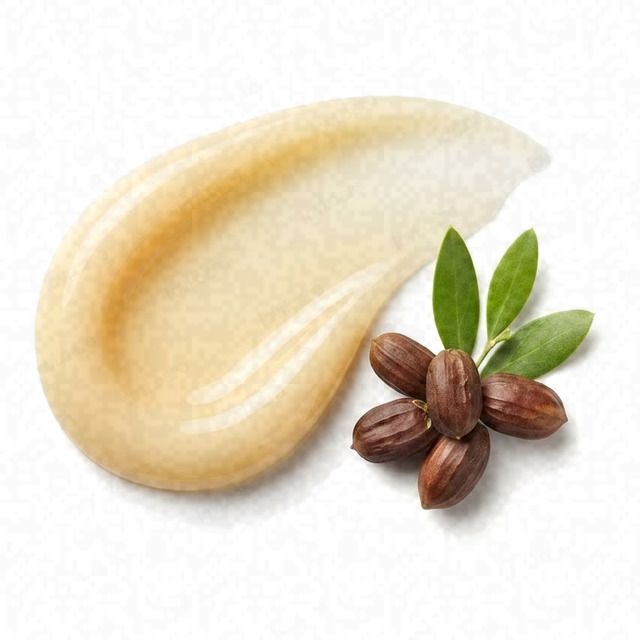 Jojoba Oil
 Niacinamide
 Sodium Hyaluronate
 Aloe Barbadensis
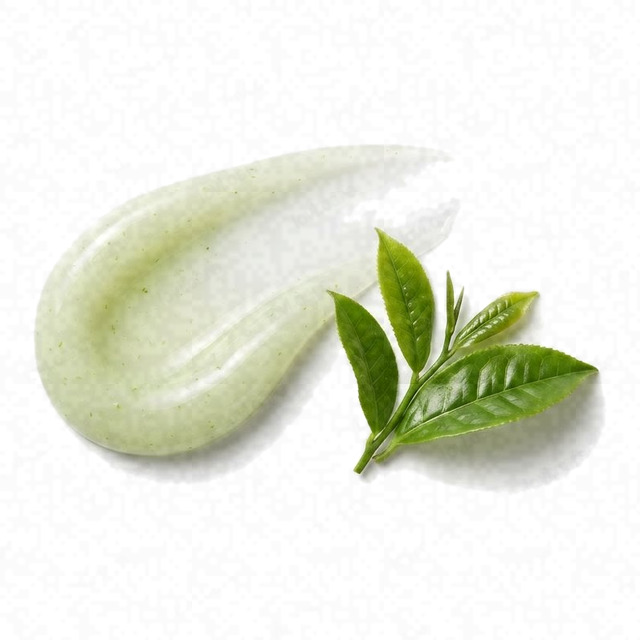 Camellia Sinensis Extract
Average
- AverageOily Skin Fit
- AverageEffectiveness
- HighSafety
Works for oily skin; other moisturizers fit it better.
This fit is calculated for the concerns frequently associated with oily skin: shine, enlarged pores, blackheads, and blemishes. For scores and recommendations based on your full skin profile, including your 12D face scan results and any goals or preferences you have, please use the Lovi app.
Page built Nov 8, 2026How the Fit score works
Lovi Assistant explains
- Offers moderate suitability for your oily skin, as niacinamide helps with seboregulation and glycerin provides hydration, but it lacks stronger ingredients for comprehensive oil control.
- The presence of aloe barbadensis leaf juice and camellia sinensis leaf extract ensures a gentle experience, minimizing irritation risks for your oily skin.
- The product is safe for your skin, with no harsh ingredients and a focus on soothing components.
How to apply
- Could be used as part of your AM or PM routine every day to keep your face fresh.
- Apply this moisturizer after cleansing and toning, but right before your SPF in the morning.
- Gently press a small amount into your skin and let it absorb fully.
- Apply on clean, slightly dry skin to help control that oily shine.
- Avoid the eye area and do a quick patch test before your first use.
People Say
★4.2Overall rating based on 500+ reviewsThe serum is widely praised for its hydrating properties and lightweight, whipped consistency that leaves skin feeling smooth and refreshed. However, many users and experts caution that it functions more like a basic moisturizer than a targeted serum, and those with acne-prone skin should be wary of potentially pore-clogging ingredients like coconut oil and cocoa butter.
Highlights
Deeply hydrating Often Mentioned
- “Leaves skin feeling hydrated”
- “Great for dry skin”
- “Provides lasting moisture”
Lightweight texture Often Mentioned
- “Feels like a whipped gel”
- “Absorbs quickly”
- “Not heavy on skin”
Misleading name Often Mentioned
- “Not a true serum”
- “More of a cream”
- “Doesn't give glass skin”
Cooling sensation Sometimes Noted
- “Refreshing when applied”
- “Soothing on contact”
- “Feels cooling”
Skin smoothing Sometimes Noted
- “Made my face smooth”
- “Softens upper skin layer”
- “Improves skin texture”
Lacks active results Sometimes Noted
- “No change in pores”
- “Didn't exfoliate”
- “Basic moisturizer only”
Potential breakouts Sometimes Noted
- “Caused new breakouts”
- “Clogged my pores”
- “Not for acne-prone skin”
Can feel greasy Rarely Noted
- “A bit too greasy”
- “Left a residue”
- “Heavy if layered”
Sources: lovi.care, walmart.com, skinsort.com, whatsinmyjar.com, youtube.com, and more
Questions and answers
How well does TRULY Glass Skin Facial Serum work for oily skin?
TRULY Glass Skin Facial Serum works moderately well for oily skin, as niacinamide helps balance oil and glycerin provides lightweight hydration. It has a very safe and gentle formula, but oily skin needs a treatment with stronger oil control, a high concentration of hyaluronic acid, and soothing ingredients like allantoin to maintain balance and refine pores.
Which ingredients make this serum a good fit for oily skin?
Niacinamide helps balance oil and glycerin provides hydration, while aloe juice and green tea extract keep the formula gentle and soothing on oily skin. Oily skin often needs a moisturizing treatment with ingredients like hyaluronic acid to maintain lightweight moisture and ceramides to keep pores clear.
What does Jojoba Oil do for oily skin?
Jojoba oil helps calm oily and breakout-prone skin by reducing blemishes and inflammation. It is unlikely to clog pores and helps keep the skin feeling balanced and smooth.
Forschende Komplementarmedizin, 2012Giornale Italiano Di Dermatologia E Venereologia, 2013
What does Niacinamide do for oily skin?
Niacinamide helps balance oily skin by significantly reducing excess oil production and shine. It is well tolerated and may improve skin texture without clogging pores.
Journal of Cosmetic and Laser Therapy, 2006Antioxidants, 2021
Where does it go in a skincare routine for oily skin?
This treatment goes in the evening routine after cleansing and before moisturizing. Putting it at night keeps it simple and avoids extra safety concerns around sun exposure.
Can I use it with retinol, and in what order?
You can use this treatment with retinol by applying it after your retinol step to help soothe the skin. This product works for oily skin, though other products fit it better because it lacks stronger ingredients for comprehensive oil control.
How often should I use it?
You can use this moisturizing treatment in your evening routine, as treatments fit best at night for simplicity and safety around sun exposure. Daily application of this product type helps improve moisture and keeps skin feeling soft and smooth.
Journal of Cosmetic Dermatology, 2020Health Science Reports, 2021
Can this serum clog pores, cause breakouts or purging for oily skin?
This serum may cause breakouts for oily skin, as some reviewers note. A product for this skin needs stronger oil-balancing ingredients to keep pores clear.
Can I use it around the eyes or on my body?
This moisturizing treatment is safe to use on the body and around the eyes, where skin is particularly thin. Its gentle ingredients like aloe and green tea extract help provide a soothing experience without irritation.
Is it fragrance-free and alcohol-free?
It has no fragrance and contains drying alcohol (ethanol and alcohol).
What the research says
A single application of a moisturizing fluid containing hyaluronic acid 1%, glycerin 5%, and Centella asiatica stem cells extract significantly increased skin hydration by 29% and reduced transepidermal water loss at 24 hours compared to baseline and an untreated control site in twenty healthy women.
Clinical, Cosmetic and Investigational Dermatology, 2017Topical application of (-)-epigallocatechin-3-gallate (EGCG) to human skin before UV irradiation decreases UV-induced production of hydrogen peroxide by 68-90% and nitric oxide by 30-100%, inhibits leukocyte infiltration and lipid peroxidation by 41-84%, and restores glutathione levels and glutathione peroxidase activity compared to UV exposure alone.
Carcinogenesis, 2001Application of green tea extracts on normal human skin resulted in dose-dependent inhibition of UV-evoked erythema, reduced sunburn cells, protected Langerhans cells, and decreased UV-induced DNA damage compared to untreated UV-exposed skin.
Journal of the American Academy of Dermatology, 2001Clay jojoba oil facial masks reduced total skin lesions by a mean of 54% after 6 weeks in 133 participants with acne-prone, lesioned skin and mild acne compared to baseline.
Forschende Komplementarmedizin, 2012Topical application of jojoba wax reduced LPS-induced secretion of IL-6, IL-8, and TNFα by approximately 30% and increased the synthesis of pro-collagen III and hyaluronic acid compared to untreated skin in an ex-vivo human skin organ culture model.
Frontiers in Pharmacology, 2024Topical jojoba oil application in male mice decreased exercise-induced pro-inflammatory gene expression (Il-1b and Il-6 in soleus, Il-1b in gastrocnemius) compared to untreated exercised mice.
Biomolecules, 2025Nanolipidgel formulations with argan or jojoba oil and humectants demonstrate good sensory attributes, instrumental properties, and moisturizing efficacy for cosmetic application.
International Journal of Cosmetic Science, 2014Topical post-laser application of human adipocyte-derived mesenchymal stem cell media combined with niacinamide significantly improved wrinkle index, melanin index, patient satisfaction, and investigator esthetic improvement scores compared to vehicle cream in patients with aging skin.
Journal of Cosmetic Dermatology, 2021Topical nicotinamide prevented solar-simulated UV-induced immunosuppression in healthy volunteers, and men experienced immunosuppression at solar-simulated UV doses three times lower than those required for women.
The Journal of Investigative Dermatology, 2008Topical 5% niacinamide applied twice daily for 12 weeks reduced fine lines and wrinkles, hyperpigmented spots, red blotchiness, and skin sallowness, and improved skin elasticity compared to vehicle control in 50 female white subjects with facial photoaging.
Dermatologic Surgery, 2005Topical application of 0.1% hyaluronic acid formulations of different molecular weights led to significant improvements in skin hydration and elasticity, with low-molecular-weight formulations also significantly reducing wrinkle depth in seventy-six female subjects compared to a vehicle control.
Journal of Drugs in Dermatology, 2011Topical application of hyaluronic acid in conjunction with free gingival graft significantly reduced donor site postoperative pain until day 7 compared to normal saline, with no significant differences in graft dimensions or patient satisfaction.
Clinical Oral Investigations, 2022Treatment with a hyaluronic acid-containing mouth rinse or topical gel led to significant lesion reduction, pain relief, and normalization of lesion color in adult patients with minor recurrent aphthous stomatitis, with the gel formulation showing an earlier healing onset at 3 days.
BMC Oral Health, 2019A cream combining propolis, tea tree oil, and Aloe vera reduced erythema scars, acne severity index, and total lesion count better than erythromycin cream in sixty patients with mild to moderate acne vulgaris compared to placebo.
Clinical Pharmacology, 2018Topical aloe vera gel significantly accelerated split-thickness skin graft donor-site healing compared to placebo in 12 patients, but showed no significant difference in pain relief.
Plastic and Reconstructive Surgery, 2018Topical application of Aloe vera cream reduced postoperative pain at rest and during defecation, accelerated wound healing at two weeks, and decreased analgesic requirements in patients after open hemorrhoidectomy compared to placebo.
Journal of Alternative and Complementary Medicine, 2010Topical green tea extract significantly improved clinical symptoms, tear breakup times, and meibomian gland health compared to standard treatment in patients with dry eye and Meibomian Gland Dysfunction.
Journal of Clinical and Diagnostic Research, 2017Topical low-dose green tea extract reduces UVB-induced p53 expression and apoptosis in human skin keratinocytes compared to placebo.
Experimental Dermatology, 2009An anti-acne hydrogel containing Aloe barbadensis, Garcinia mangostana, and Camellia sinensis extracts showed superior antiacne and antiblotch activities compared to 1% clindamycin gel in sixty subjects with mild-moderate acne.
Clinical, Cosmetic and Investigational Dermatology, 2019
Why other moisturizers fit oily skin better
A panthenol-enriched mask improved skin hydration, regulated sebum, and reduced redness and TEWL across dry sensitive, oily sensitive, and oily acne skin subgroups with excellent tolerance and no adverse reactions.
Journal of Cosmetic Dermatology, 2024A peel-off facial mask containing myoinositol and trehalose-loaded liposomes improved adult female acne by decreasing lesion counts, sebum production, GAGS scores, and local androgen levels while increasing beclin-1 levels.
Journal of Cosmetic Dermatology, 2017Epigallocatechin-3-gallate significantly improved acne in patients compared to the control side during an 8-week clinical trial.
The Journal of Investigative Dermatology, 2013
Ingredients
Water, Caprylic Capric Triglyceride, Glycerin, Phenoxyethanol, Hydroxyethyl Acrylate Sodium Acryloyldimethyl Taurate Copolymer, Squalane, Polysorbate 60, Sorbitan Isostearate, Jojoba Seed Oil, Niacinamide, Citrus Aurantium Dulcis Oil Flower, Aloe Barbadensis Leaf Juice, Sodium Benzoate, Potassium Sorbate, Lactobacillus Ferment, Avena Sativa Kernel Extract Oat Kernel Extract, Emulsifying Wax, Camellia Sinensis Leaf Extract, Ethanol, Dmae Bitartrate, Dimethyl Sulfone, Aspalathus Linearis Leaf Extract, Sodium Hyaluronate, White Tea Leaf Extract, Willow Bark Extract, Tocopherol, Helianthus Annuus Seed Oil Sunflower Seed Oil, Xanthan Gum, Ascophyllum Nodosum Powder, Alcohol, Vitamin E
Behind this fit score
Lovi calculates every fit score from the full ingredient list with brand-independent rules our dermatologists and cosmetic chemists build and review, and personalizes every pick with AI trained on the real results of millions of users. Lovi trains its fit score models on a proprietary dataset built from more than 10,000 expert-labeled products and more than 100,000 simulated examples, following an internally consistent methodology presented at Cosmoprof, AMWC, and Skin of Color Update.
-

Co-founder, Medical Director
Cosmetic chemist, cosmetologist, aesthetic products developer
-

Co-founder, CEO and CTO
PhD in computer science, 3x US patent holder, ex-Google, ex-Yandex
-

Dr. Sofía Perea Pérez, MD, MSc
Medical Board
Aesthetic medicine practitioner, MSc in Longevity and Anti-Aging Medicine
-

Medical Board
Specialist dermatologist, MBBS, MD, IFAAD
-

Medical Board
Cosmetic chemist, SCS, IFSCC member
-

Medical Board, Medical Advisor
Dermatology MD
-

Elina Nazarenko, MD
Medical Board
Dermatology and diagnostic consultant
-

Victoria Derkova, MS
Medical Board
Cosmetic chemist, cosmetic development technologist


How does it fit your skin?
Scan your face, then any product: Lovi shows how well it fits you and what fits even better.