Tarte Maracuja Oil for oily acne-prone skin

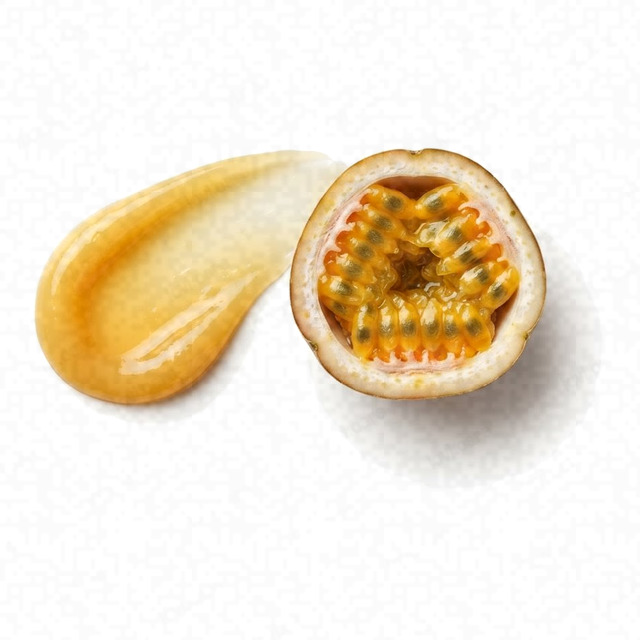 Maracuja Oil Seed Oil Passiflora Edulis Oil Seed Oil
 Tocopherol Vitamin E
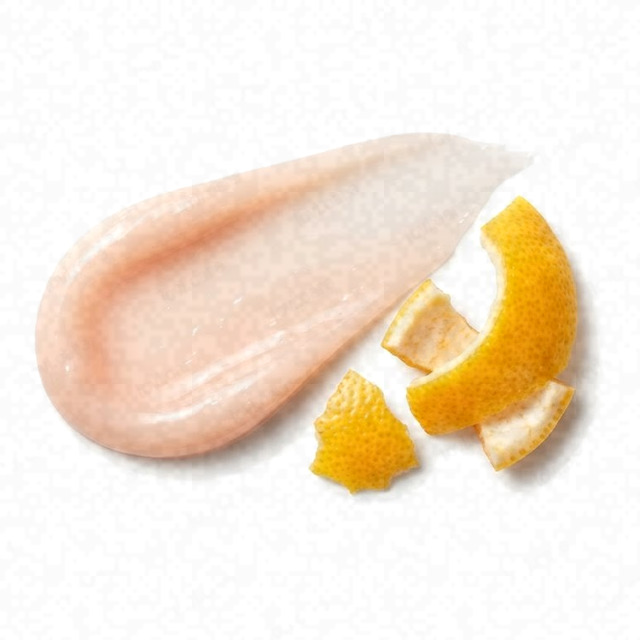 Grapefruit Peel Oil
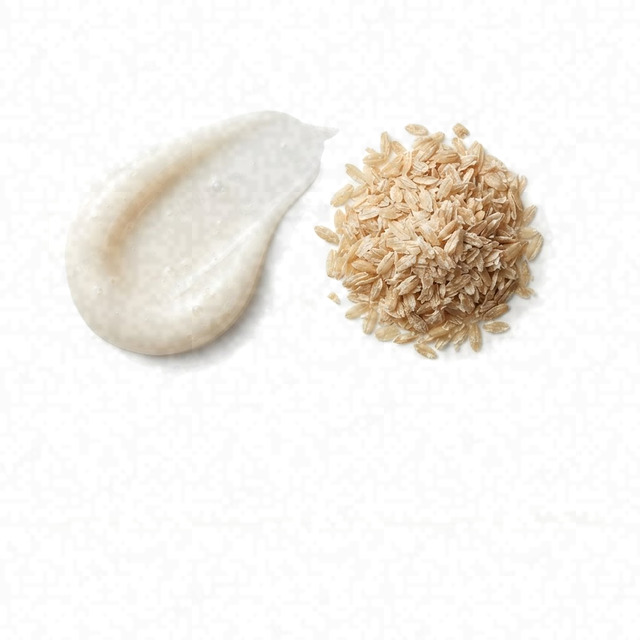 Rice Bran Extract
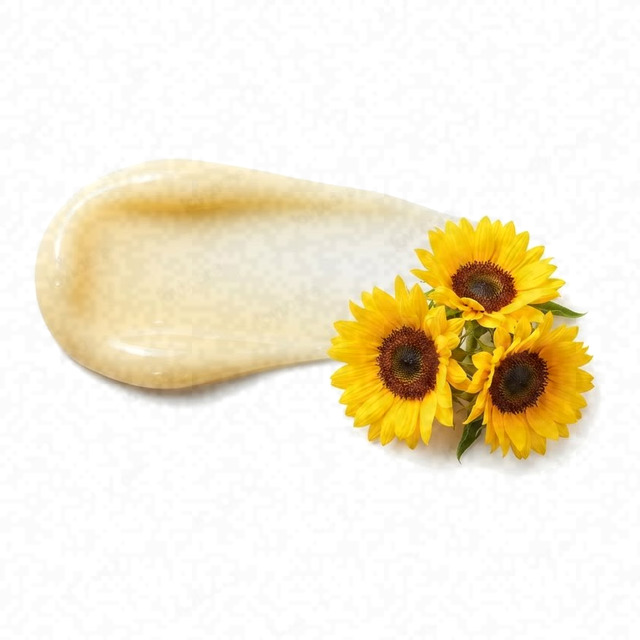 Helianthus Annuus Extract Sunflower Extract
Average
- AverageOily Skin Fit
- AverageEffectiveness
- HighSafety
Works for oily acne-prone skin; other moisturizers fit it better.
This fit is calculated for the concerns frequently associated with oily acne-prone skin: shine, breakouts, blemishes, and enlarged pores. For scores and recommendations based on your full skin profile, including your 12D face scan results and any goals or preferences you have, please use the Lovi app.
Page built Nov 8, 2026How the Fit score works
Lovi Assistant explains
- Offers moderate moisturizing for your oily skin, as Passiflora Edulis Seed Oil and Tocopherol hydrate and enhance barrier resilience, but it lacks targeted ingredients for your acne, blemishes, and breakouts.
- Grapefruit Peel Oil provides antioxidant activity suitable for oily skin, though it does not offer sufficient oil control for your primary concerns.
- The product is safe for your skin, with tocopherol and rosemary leaf extract providing soothing benefits and no harsh ingredients.
How to apply
- Use this AM and PM routine every day to help clear your skin. Always remember to finish with SPF in the morning.
- Apply the moisturizer after your cleanser and toner, right before your SPF during the day.
- Gently press a small amount into your skin and avoid rubbing to keep pores clear.
- Apply on clean, slightly damp skin to help the product absorb better and control oil.
- Avoid the sensitive eye area and do a simple patch test before your first use.
People Say
★4.5Overall rating based on 2.5k+ reviewsBased on a very large amount of data, Tarte Maracuja Oil is highly regarded for its hydrating and softening properties, effectively addressing dry and flaky skin without causing breakouts. Users frequently observe improvements in skin texture, leading to a smoother and more radiant complexion. Some users find the product to be expensive and occasionally note an unpleasant scent, while a small number mention it can feel heavy if overused.
Highlights
Deeply hydrating Mostly Mentioned
- “Gets rid of flakiness”
- “Infuses thirsty skin”
- “Keeps skin moisturized”
Improves texture Often Mentioned
- “Smoother, brighter skin”
- “Softens the skin”
- “Improved skin texture”
Non-comedogenic Often Mentioned
- “Never broken me out”
- “Doesn't clog pores”
- “Safe for acne-prone”
Expensive price Often Mentioned
- “Exorbitant price tag”
- “Not cheap”
- “Cannot justify price”
Lightweight feel Sometimes Noted
- “Absorbs quickly”
- “Not greasy”
- “Very lightweight”
Unpleasant scent Sometimes Noted
- “Rancid scent”
- “Nutty, herbal-like”
- “Not a fan of smell”
Can be heavy Rarely Noted
- “Slightly rich”
- “Too heavy if overused”
- “Use sparingly”
Sources: lovi.care, sephora.sg, beautylish.com, makeupwithdrawal.com, luxurylifestylemag.co.uk, fsfashionista.com, and more
Questions and answers
How well does Tarte Maracuja Oil work for oily acne-prone skin?
Tarte Maracuja Oil works moderately well for oily acne-prone skin, providing basic hydration and soothing benefits without harsh ingredients, but it lacks targeted ingredients for breakouts and oil control. A moisturizing treatment for this skin needs powerful ingredients that hydrate and repair while clearing acne and blemishes without clogging pores.
Which ingredients make this facial oil a good fit for oily acne-prone skin?
Passiflora edulis seed oil and tocopherol help hydrate and calm your oily skin, while grapefruit peel oil provides antioxidant benefits. To be a better fit for this skin type, a product of this type needs targeted ingredients that treat acne and blemishes while helping control excess oil.
What does Maracuja Oil do for oily acne-prone skin?
Maracuja oil is generally too heavy for oily acne-prone skin and may clog pores and lead to breakouts. Oily skin typically needs lightweight, non-greasy ingredients that help balance oil without trapping dirt.
What does Tocopherol do for oily acne-prone skin?
Tocopherol helps keep skin calm and hydrated when used for oily, acne-prone skin. Because skin surface oils can oxidize and trigger inflammation, this antioxidant may help protect the skin, though an oily or acne-prone skin type also needs lightweight, non-clogging hydration and balancing ingredients to stay clear and smooth.
Der Hautarzt; Zeitschrift Fur Dermatologie, Venerologie, und Verwandte Gebiete, 2006Mediators of Inflammation, 2010
Where does this facial oil go in a skincare routine for oily acne-prone skin?
This facial oil fits into your evening routine as a treatment step after cleansing and toning, and before your moisturizer. Oily acne-prone skin needs lightweight hydration alongside targeted blemish-fighting ingredients and oil control.
Can I use it with retinol, and in what order?
Yes, you can use it with retinol by applying the oil after your retinol treatment to help soothe your skin and lock in moisture. This type of skin also needs targeted blemish-clearing ingredients and oil control to effectively manage breakouts.
How often should I use it?
You can use this moisturizing treatment daily to keep your oily skin soft and calm, though an average fit for your skin needs extra oil control and targeted blemish-fighting ingredients.
Can it clog pores, cause breakouts or purging for oily acne-prone skin?
This oil is unlikely to clog pores or cause purging, but it does not help with breakouts. Oily acne-prone skin needs a moisturizing treatment with targeted blemish-fighting ingredients and oil control.
Can I use it around the eyes or on my body?
Yes, you can safely use this moisturizing treatment on your body and the thin skin around your eyes since it has a very safe profile with soothing ingredients like vitamin E and rosemary leaf extract. However, because it only offers moderate hydration for oily skin, your skin needs lightweight hydrators and ingredients that clear pores and control oil for your breakouts.
Is it fragrance-free and alcohol-free?
It has no drying alcohol and contains fragrance (limonene, citral, and linalool).
What the research says
A topical serum containing vitamin C, vitamin E, and raspberry leaf cell culture extract improved skin color, elasticity, radiance, smoothness, scaliness, and wrinkles compared to the untreated contralateral side in fifty female volunteers.
Journal of Cosmetic Dermatology, 2020Nanostructured lipid carriers prepared with glyceryl distearate and Passiflora edulis seed oil using ultrasonication exhibited superior physicochemical properties, high occlusion, and non-irritant potential in the HET-CAM assay compared to other tested formulations.
Colloids and Surfaces. B, Biointerfaces, 2020Topical application of an antioxidant serum containing 15% ascorbic acid, 0.5% ferulic acid, and 1% tocopherol prevented particulate matter-induced degradation of extracellular matrix components, inflammation, and oxidative stress in the skin of 15 female volunteers compared to untreated controls.
Journal of Cosmetic Dermatology, 2025Dermatological products containing d-alpha tocopheryl acetate showed non-comedogenic potential with less than a 50% increase in microcomedones in 12 healthy male subjects compared to octyl palmitate.
Contemporary Clinical Trials Communications, 2021Topical application of an antioxidant mix containing 15% ascorbic acid, 0.5% ferulic acid, and 1% tocopherol prevented PM and UV-induced skin barrier perturbation, lipid peroxidation, inflammatory markers, MMP9 activation, and Type I collagen loss in 15 healthy females compared to untreated exposed skin.
Journal of Cosmetic Dermatology, 2024A novel D-limonene and Gelucire 44/12 based microemulsion formulated with Labrasol and Labrafil M 1944 CS showed high stability, optical transparency, nanometric globule size, and a safe in vivo skin profile on mice ear skin.
Advanced Pharmaceutical Bulletin, 2021Topical application of d-Limonene and perillyl alcohol reduced the severity of TPA-induced skin lesions, lowered serum IL-6 and TNF-alpha concentrations, inhibited P-selectin expression, and improved tissue regeneration associated with reduced neovascularization in murine models.
Anti-inflammatory & Anti-allergy Agents in Medicinal Chemistry, 2014Grapefruit essential oil promoted HaCaT cell proliferation, reduced ROS production, inhibited IL-1 and COX-2 expression, and recovered LOR and FLG contents in a cell damage model of skin inflammation stimulated by S. aureus metabolites compared to lime essential oil.
Chemistry & Biodiversity, 2022Topical gel and cream formulations containing niosomes entrapped with rice bran bioactive compounds improved skin hydration, lightening, thickness, roughness, and elasticity in 30 human volunteers over 28 days compared to baseline.
Pharmaceutical Biology, 2012Gel and cream formulations containing rice bran bioactive compounds entrapped in niosomes increased in vitro antioxidant activity (ORAC values of 20-28 micromol TE/g versus 16-18 micromol TE/g for placebo), enhanced lipid peroxidation inhibition in human sebum by about 1.5 times, and improved in vivo human skin hydration by approximately 3 to 30% depending on the measurement technique.
Journal of Nanoscience and Nanotechnology, 2011Stirring Nukadoko fermented rice bran beds by hand leads to temporary settlement of microorganisms on human skin with quick shedding.
FEMS Microbiology Letters, 2023
Why other moisturizers fit oily acne-prone skin better
Co-delivery of paeonol and madecassoside via nanoemulsions improved transdermal delivery, promoted barrier repair proteins, inhibited inflammatory cytokine secretion in cellular and 3D models, and reduced transepidermal water loss and acne in human facial skin compared to free components.
Molecules, 2023A peel-off facial mask containing myoinositol and trehalose-loaded liposomes improved adult female acne by decreasing lesion counts, sebum production, GAGS scores, and local androgen levels while increasing beclin-1 levels.
Journal of Cosmetic Dermatology, 2017A panthenol-enriched mask improved skin hydration, regulated sebum, and reduced redness and TEWL across dry sensitive, oily sensitive, and oily acne skin subgroups with excellent tolerance and no adverse reactions.
Journal of Cosmetic Dermatology, 2024
Ingredients
Passiflora Edulis Seed Oil, Grapefruit Peel Oil, Limonene, Tocopherol, Rice Bran Extract, Helianthus Annuus Extract Sunflower Extract, Rosmarinus Officinalis Leaf Extract Rosemary Leaf Extract, Citral, Linalool
Behind this fit score
Lovi calculates every fit score from the full ingredient list with brand-independent rules our dermatologists and cosmetic chemists build and review, and personalizes every pick with AI trained on the real results of millions of users. Lovi trains its fit score models on a proprietary dataset built from more than 10,000 expert-labeled products and more than 100,000 simulated examples, following an internally consistent methodology presented at Cosmoprof, AMWC, and Skin of Color Update.
-

Co-founder, Medical Director
Cosmetic chemist, cosmetologist, aesthetic products developer
-

Co-founder, CEO and CTO
PhD in computer science, 3x US patent holder, ex-Google, ex-Yandex
-

Dr. Sofía Perea Pérez, MD, MSc
Medical Board
Aesthetic medicine practitioner, MSc in Longevity and Anti-Aging Medicine
-

Medical Board
Specialist dermatologist, MBBS, MD, IFAAD
-

Medical Board
Cosmetic chemist, SCS, IFSCC member
-

Medical Board, Medical Advisor
Dermatology MD
-

Elina Nazarenko, MD
Medical Board
Dermatology and diagnostic consultant
-

Victoria Derkova, MS
Medical Board
Cosmetic chemist, cosmetic development technologist


How does it fit your skin?
Scan your face, then any product: Lovi shows how well it fits you and what fits even better.