
Skin Better Science Alto Advanced Defense and Repair Serum

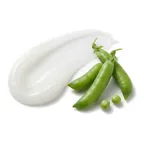 Niacinamide
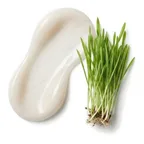 Superoxide Dismutase
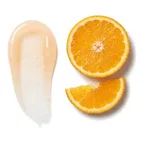 Tetrahexyldecyl Ascorbate
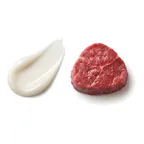 Carnosine
 Ceramide Ap
Niacinamide, superoxide dismutase, and tetrahexyldecyl ascorbate help regulate oil, protect cells, and brighten dark spots, so it suits dry skin and dry sensitive skin best. For skin that needs oil control, serums with salicylic acid get higher fit scores.
Each fit is calculated for the concerns frequently associated with that skin type. For scores and recommendations based on your full skin profile, including your 12D face scan results and goals, use the Lovi app.
Updated How the Fit score works
Where it fits best and least
Best fit High
A great choice for dry skin; a few serums fit it even better.
- Excellent suitability for your dry skin is provided by ingredients like Glycerin and Sodium PCA, which offer significant hydration, and Linoleic Acid and Linolenic Acid that help repair your skin barrier.
Lowest fit Average
Oily Skin, Combination Skin, Sensitive Skin, Acne-Prone Skin, Skin with Dark Spots, Mature Skin, Oily Acne-Prone Skin
Works for oily skin; other serums fit it better.
- Offers moderate suitability for your oily skin, as niacinamide helps with seboregulation and antioxidant ingredients like Euterpe Oleracea Fruit Extract provide support, though stronger sebum-controlling agents are absent for optimal shine control.
How to apply
- Apply this serum PM, starting 3×/week and working up to daily use as your skin adjusts.
- Place the serum after cleansing and toner, but right before your moisturizer.
- Gently press 2-3 drops of the serum into your skin and let it absorb for a minute.
- Apply the serum on slightly damp skin to help lock in extra moisture.
- Avoid the eye area and do a patch test before your first use.
Questions and answers
What makes Alto Advanced Defense and Repair Serum a great fit for dry skin?
This serum is a great fit because ingredients like glycerin and sodium PCA bring much-needed hydration to dry skin, while linoleic acid and linolenic acid help repair your skin barrier. It also has soothing agents and lacks harsh ingredients, meaning it is unlikely to cause irritation.
How well does Skin Better Alto Advanced Defense work for oily skin?
This serum works moderately well for oily skin, helping control oil with niacinamide and offering strong antioxidant protection, though it lacks stronger shine-controlling agents. A treatment for this skin type needs potent sebum-controlling ingredients like zinc PCA and mattifying agents to manage excess oil and reduce shine effectively.
How well does Alto Advanced Defense and Repair Serum work for combination skin?
This serum works moderately well for combination skin because niacinamide helps balance oil and glycerin provides hydration, though it may not fully control oily shine. A treatment for this skin type needs ingredients like propolis or zinc PCA to better manage oiliness while keeping the skin balanced and hydrated.
How well does Skin Better Science Alto Advanced Defense work for oily acne-prone skin?
This serum works moderately well for your oily acne-prone skin, as niacinamide helps control oil and antioxidants provide protection, though it lacks stronger oil-controlling agents. A treatment of this type needs powerful oil-controlling and acne-fighting ingredients like niacinamide and propolis along with soothing extracts to effectively manage breakouts and excess oil while staying comfortable for daily use.
Is this serum fragrance-free and alcohol-free?
Yes, it has no fragrance and no drying alcohol. Cetearyl alcohol is a fatty alcohol, which soften the skin.
What makes Alto Advanced Defense and Repair Serum a great fit for dry sensitive skin?
This serum is a great fit because it protects against environmental damage with antioxidants like ergothioneine and superoxide dismutase, while glycerin and sodium PCA bring much-needed hydration. It also includes ceramides that help your skin hold onto moisture, and its gentle formula is unlikely to cause irritation.
Skin Pharmacology and Physiology, 2026European Journal of Pharmaceutics and Biopharmaceutics, 2016
How well does Alto Advanced Defense and Repair Serum work for sensitive skin?
This serum works moderately well for sensitive skin, offering good antioxidant protection and soothing benefits, though other products fit this skin type better. Sensitive skin needs treatments with powerful calming agents, gentle barrier-repairing ingredients like ceramides, and a complete absence of common irritants to keep skin calm and smooth.
How well does Alto Advanced Defense and Repair Serum work for acne-prone skin?
This serum works moderately well for acne-prone skin because niacinamide helps balance oil and glycerin provides hydration, though it does not specifically target blemishes and breakouts. To fit acne-prone skin well, a treatment needs targeted ingredients like propolis or zinc PCA to clear breakouts while keeping the skin balanced and calm.
Clinical, Cosmetic and Investigational Dermatology, 2019Clinical, Cosmetic and Investigational Dermatology, 2017
How well does Alto Advanced Defense and Repair Serum work for skin with dark spots?
This serum works for skin with dark spots, though other products fit it better because it lacks specialized ingredients for pigmentation. To truly fade dark spots, this skin type needs dedicated brightening ingredients like vitamin C and kojic acid.
How well does Alto Advanced Defense and Repair Serum work for mature skin?
This serum works for mature skin, though other products fit it better because they target fine lines and wrinkles more effectively. A treatment for this skin needs high concentrations of potent antioxidants, peptides, and hydrating ingredients to improve elasticity, smooth wrinkles, and keep the skin looking youthful.
What the research says
Topical nicotinamide prevented solar-simulated UV-induced immunosuppression in healthy volunteers, and men experienced immunosuppression at solar-simulated UV doses three times lower than those required for women.
The Journal of Investigative Dermatology, 2008Topical 5% niacinamide applied twice daily for 12 weeks reduced fine lines and wrinkles, hyperpigmented spots, red blotchiness, and skin sallowness, and improved skin elasticity compared to vehicle control in 50 female white subjects with facial photoaging.
Dermatologic Surgery, 2005Topical 2% niacinamide significantly decreased sebum excretion rate in Japanese individuals and casual sebum levels in Caucasian individuals compared to placebo or baseline.
Journal of Cosmetic and Laser Therapy, 2006Topical application of TAT-SOD significantly suppresses UVB-induced erythema formation, blood flow rise, and apoptotic sunburn cell formation in human volunteers compared to a vehicle control.
European Journal of Pharmaceutics and Biopharmaceutics, 2016Topical treatment with the synthetic SOD/catalase mimetic EUK-134 reduced lipid peroxide levels both at baseline on non-irradiated human skin and at the surface of UVA-exposed skin when applied before or after irradiation, compared to controls.
International Journal of Cosmetic Science, 2004Topical superoxide dismutase formulations maintained physical stability and enzymatic activity for 6 months at 4 and 30 degrees C, and effectively inhibited UVB-induced skin erythema for 48 hours, whereas formulations combined with alpha-tocopherol were unstable.
European Journal of Pharmaceutics and Biopharmaceutics, 2007Topical application of 5% vitamin C cream significantly improved global clinical scores, increased skin microrelief density, and induced elastic tissue repair in photoaged skin compared to excipient control in healthy female volunteers.
Experimental Dermatology, 2003Topical application of VC-IP cream twice daily for 8 weeks reduces periorbital wrinkles in female subjects compared to a placebo cream.
Journal of Cosmetic Dermatology, 2022Topical treatment with 5% vitamin C and 0.1% madecassoside significantly improved clinical scores for wrinkles, suppleness, firmness, roughness, and skin hydration, along with functional and structural remodeling of the elastic fiber network in 20 female volunteers with photoaged skin after 6 months compared to baseline.
Experimental Dermatology, 2008A night cream containing melatonin, carnosine, and Helichrysum italicum extract reduced oxidative stress ex vivo and improved hydration, reduced transepidermal water loss, decreased wrinkles and spots, and lowered skin reactivity in 117 individuals over up to 12 weeks of nightly use.
Dermatology and Therapy, 2020Supramolecular carnosine improves skin reactivity, upregulates Nrf2 expression, activates antioxidant defenses, and reduces AGE levels while demonstrating whitening efficacy in cells and clinical tests compared to conventional carnosine.
Advanced Healthcare Materials, 2024Topical application of carnosine and a novel facial cream containing carnosine protects against methylglyoxal-induced glycation by significantly reducing levels of advanced glycation end-products carboxymethyl-lysine and pentosidine in both the epidermis and reticular dermis of human skin explants.
Skin Pharmacology and Physiology, 2018Ceramide and niacinamide-containing moisturizer combined with anti-acne treatment significantly improved non-inflammatory, inflammatory, and total acne lesions compared to hydrophilic cream in 40 patients with mild to moderate acne vulgaris after 8 weeks.
Journal of Cosmetic Dermatology, 2024Topical application of a pseudo-ceramide-containing spray improved stratum corneum water content, transepidermal water loss, cell area, and scaling score, and normalized the ceramide profile in patients with dry and sensitive skin compared to a control spray.
Journal of Cosmetic Dermatology, 2025A triple combination of ergothioneine, collagen peptides, and sodium hyaluronate attenuated UV-induced skin damage ex vivo and improved facial skin hydration, elasticity, barrier function, and wrinkles in Chinese women.
Frontiers in Nutrition, 2026A single application of a moisturizing fluid containing hyaluronic acid 1%, glycerin 5%, and Centella asiatica stem cells extract significantly increased skin hydration by 29% and reduced transepidermal water loss at 24 hours compared to baseline and an untreated control site in twenty healthy women.
Clinical, Cosmetic and Investigational Dermatology, 2017Topical application of photolyase-containing liposomes followed by photoreactivating light decreased UVB-induced dimers by 40-45% and prevented immunosuppression, erythema, and sunburn-cell formation in healthy human subjects.
Proceedings of the National Academy of Sciences of the United States of America, 2000Topical treatment with coenzyme Q10 formulas replenishes Q10 levels in the skin surface and deeper epidermis, augments cellular energy metabolism, and reduces free radicals while increasing antioxidant capacity in stressed skin.
BioFactors, 2015Topical application of L-Carnosine (0.2% and 2%) reduces reactive oxygen species, advanced glycosylation end products, and biomarker gene modulation induced by solar-simulated radiation in ex vivo human skin biopsies.
Photochemistry and Photobiology, 2024An anti-acne hydrogel containing Aloe barbadensis, Garcinia mangostana, and Camellia sinensis extracts showed superior antiacne and antiblotch activities compared to 1% clindamycin gel in sixty subjects with mild-moderate acne.
Clinical, Cosmetic and Investigational Dermatology, 2019Topical formulations containing ascorbyl tetraisopalmitate, coenzyme Q10, green tea polyphenols, and resveratrol reduced the release of inflammatory cytokines and attenuated inflammatory signs compared to untreated skin and vehicle in 25 Japanese volunteers exposed to sodium dodecyl sulfate.
European Journal of Pharmaceutics and Biopharmaceutics, 2017Ergothioneine at nanomolar concentrations ameliorated UVA-induced skin damage, reactive oxygen species, and apoptosis in human keratinocyte-derived HaCaT cells by upregulating Nrf2/ARE-mediated antioxidant genes.
Free Radical Biology & Medicine, 2015Ergothioneine at submicromolar concentrations ameliorated UVA-induced skin aging in human dermal fibroblasts by inhibiting the AP-1 pathway and activating Nrf2-mediated antioxidant genes.
Oxidative Medicine and Cellular Longevity, 2020The combined topical application of a sunscreen plus photolyase and an endonuclease preparation completely abrogated ultraviolet-induced telomere shortening and c-FOS gene hyperexpression in human skin biopsies compared to positive controls.
Journal of Drugs in Dermatology, 2013In 50 participants with sensitive skin, a Ceramide NP C15-containing emollient improved skin barrier function with a significant reduction in transepidermal water loss and induced modest changes in skin microbiota compared to the vehicle.
Skin Pharmacology and Physiology, 2026Treatment with a Rhodiola rosea extract and L-carnosine-associated compound produced in vivo protective effects on skin barrier function and positive subjective responses in 124 volunteers with sensitive skin compared to placebo.
Journal of Cosmetic Dermatology, 2008Topical RM191A gel significantly inhibits UV-induced DNA damage, accelerates excisional wound healing, reduces inflammation, and attenuates age-associated oxidative stress in skin.
Redox Biology, 2021Topical application of a 6% green tea extract formulation increased skin moisture, enhanced skin elasticity, and improved skin microrelief by reducing roughness in 24 volunteers compared to vehicle and control over 30 days.
Dermatologic Therapy, 2013Treatment with a combination of niacinamide and hyaluronic acid improved skin aging signs and demonstrated a senomorphic effect by decreasing SASP and autocrine signaling genes in women.
Scientific Reports, 2024A 3-in-1 anti-aging topical night serum-in-oil applied once daily decreased wrinkles by 11%, increased skin firmness by 8%, reduced redness by 70%, and improved overall skin quality and complexion in 103 female subjects over 28 to 84 days compared to baseline.
Journal of Cosmetic Dermatology, 2019An acai oil-based organogel containing hyaluronic acid showed no cytotoxicity and provided a high level of hydration, thermal protection, and hyaluronic acid release after 6 hours of application in in vitro and ex vivo tests.
Pharmaceutics, 2024Nanotechnological hydrogels containing desonide nanocapsules and açai oil increased epidermal drug retention and reduced ear edema and inflammatory cell infiltration comparably to a commercial formulation with twice the drug concentration in an animal model of acute skin inflammation.
Pharmaceutical Development and Technology, 2022
Ingredients
Acacia Decurrens Wax Flower, Acacia Senegal Gum, Acrylates C10-30 Alkyl Acrylate Crosspolymer, Water, Arabidopsis Thaliana Extract, Arginine, Benzylidene Dimethoxydimethylindanone, Bisabolol, Buddleja Officinalis Flower Extract, Butylene Glycol, Camellia Sinensis Leaf Extract, Carbomer, Carnosine, Ceramide Ap, Ceramide Eop, Ceramide Np, Cetearyl Alcohol, Ceteth-20 Phosphate, Chlorogenic Acids, Cholesterol, Citric Acid, Coffea Arabica Extract Cell Leaf Coffee Extract Cell Leaf, Crocus Sativus Extract Cell Leaf Culture, Curcuma Longa Root Extract, Dextran, Dicetyl Phosphate, Diisostearyl Malate, Dimethyl Isosorbide, Ergothioneine, Ethylhexyl Olivate, Ethylhexylglycerin, Euterpe Oleracea Fruit Extract, Glycerin, Glycyrrhiza Glabra Root Extract Licorice Root Extract, Helianthus Annuus Wax Seed Sunflower Wax Seed, Hydrolyzed Sodium Hyaluronate, Jojoba Esters, Lauryl Lactate, Lecithin, Linoleic Acid, Linolenic Acid, Methyl Gluceth-20, Micrococcus Lysate, Niacinamide, Olea Europaea Fruit Extract Olive Fruit Extract, Pentaerythrityl Tetra-Di-T-Butyl Hydroxyhydrocinnamate, Pentylene Glycol, Phenoxyethanol, Phytosphingosine, Plankton Extract, Polyglycerin-3, Propanediol, Propanediol Dicaprylate Caprate, Pyrroloquinoline Quinone Allyl Ester, Ricinoleth-40, Sea Whip Extract, Sodium Hydroxide, Sodium Lauroyl Lactylate, Sodium Pca, Sodium Phytate, Steareth-2, Superoxide Dismutase, Tetrahexyldecyl Ascorbate, Theobroma Cacao Seed Extract, Tocopherol, Tocopheryl Acetate, Trifluoroacetyl Tripeptide-2, Ubiquinone, Vitis Vinifera Seed Extract Grape Seed Extract, Xanthan Gum, Zingiber Officinale Root Extract
Behind these fit scores
Lovi calculates every fit score from the full ingredient list with brand-independent rules our dermatologists and cosmetic chemists build and review, and personalizes every pick with AI trained on the real results of millions of users. Lovi trains its fit score models on a proprietary dataset built from more than 10,000 expert-labeled products and more than 100,000 simulated examples, following an internally consistent methodology presented at Cosmoprof, AMWC, and Skin of Color Update.
-

Co-founder, Medical Director
Cosmetic chemist, cosmetologist, aesthetic products developer
-

Co-founder, CEO and CTO
PhD in computer science, 3x US patent holder, ex-Google, ex-Yandex
-

Dr. Sofía Perea Pérez, MD, MSc
Medical Board
Aesthetic medicine practitioner, MSc in Longevity and Anti-Aging Medicine
-

Medical Board
Specialist dermatologist, MBBS, MD, IFAAD
-

Medical Board
Cosmetic chemist, SCS, IFSCC member
-

Medical Board, Medical Advisor
Dermatology MD
-

Elina Nazarenko, MD
Medical Board
Dermatology and diagnostic consultant
-

Victoria Derkova, MS
Medical Board
Cosmetic chemist, cosmetic development technologist


How does it fit your skin?
Scan your face, then any product: Lovi shows how well it fits you and what fits even better.