Sephora Collection Rose Face Mask for acne-prone skin

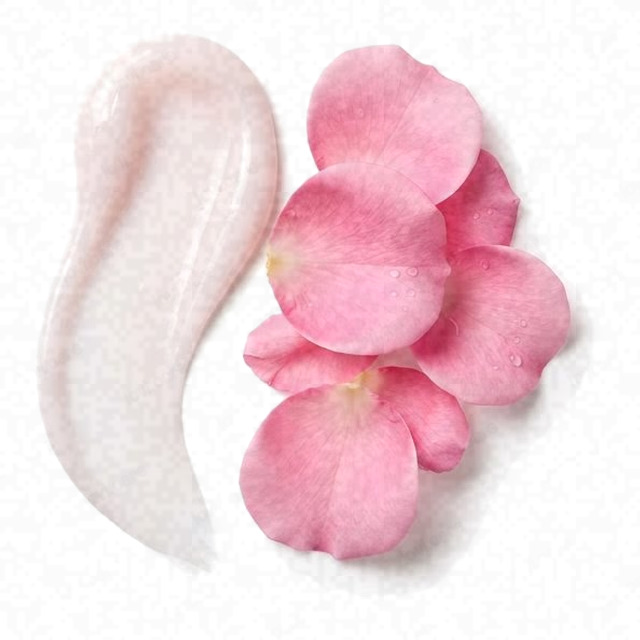 Rose Extract
 Glycerin
 3-O-Ethyl Ascorbic Acid
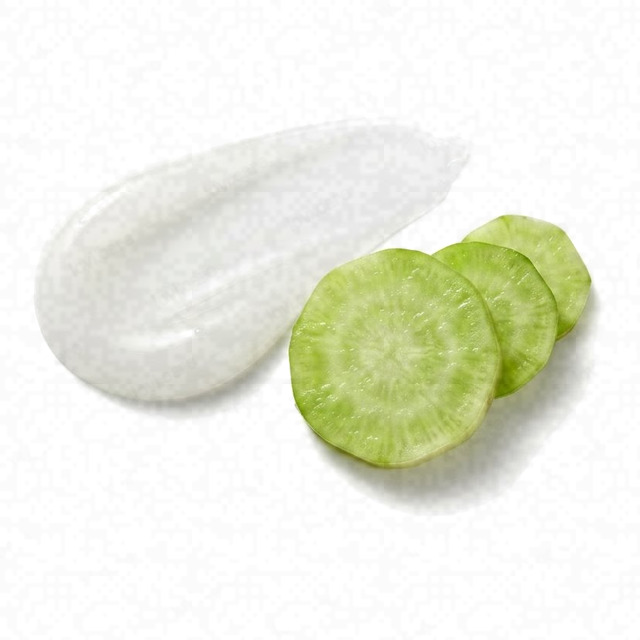 Betaine
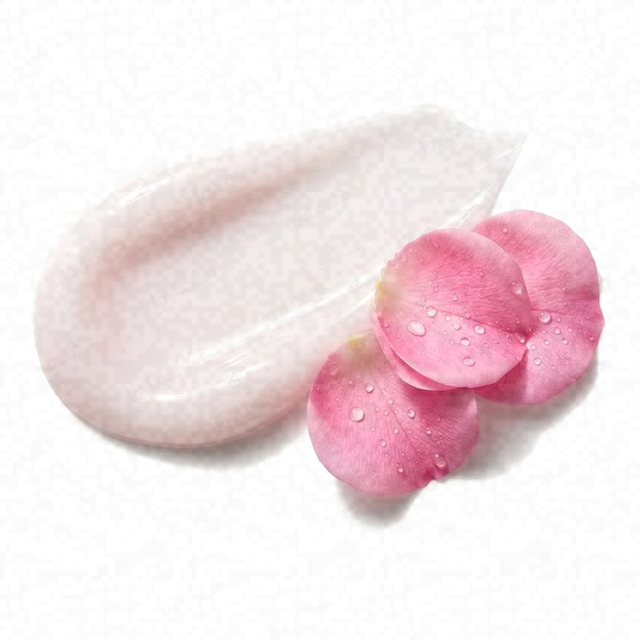 Rosa Damascena Oil Flower
High
- HighCombination Skin Fit
- AverageEffectiveness
- HighSafety
One of the best nourishing masks for acne-prone skin.
This fit is calculated for the concerns frequently associated with acne-prone skin: breakouts, blackheads, and post-acne marks. For scores and recommendations based on your full skin profile, including your 12D face scan results and any goals or preferences you have, please use the Lovi app.
Page built Nov 8, 2026How the Fit score works
Lovi Assistant explains
- Offers moderate suitability for your combination skin as glycerin and saccharide isomerate provide excellent hydration and barrier support, while 3-O-ethyl ascorbic acid offers antioxidant benefits.
- While the rose extracts offer soothing properties, they do not directly target your acne, blemishes, and breakouts.
- The formulation is safe for your combination skin, with no risks of irritation due to the absence of harsh ingredients and the presence of soothing components.
How to apply
- You can use this creamy mask as part of your PM routine once a week. Start 3×/week if your skin tolerates it well.
- Apply the creamy mask after cleansing and toning, but always before your moisturizer .
- Smooth an even layer of the creamy mask over your face while avoiding any harsh rubbing. Let it sit ⏱ for the recommended time before rinsing.
- Apply the creamy mask on clean and dry skin for the best results against blemishes.
- Avoid the sensitive eye area and do a patch test before your very first use.
People Say
★4.5Overall rating based on 500+ reviewsUsers with dry, dull, or dehydrated skin frequently praise this sheet mask for its immediate hydrating and brightening effects, often describing a "glow" after use. While the rose scent is generally loved for being relaxing, some users with sensitive or oily skin note a sticky residue or lack of long-term results.
Highlights
Deeply hydrating Mostly Mentioned
- “leaves skin refreshed”
- “intense moisturizing”
- “soft and hydrated”
Brightening effect Often Mentioned
- “immediate radiance boost”
- “skin looked glowing”
- “brighter complexion”
Pleasant rose scent Often Mentioned
- “smells like roses”
- “relaxing rose vibes”
- “amazing scent”
Generous serum amount Sometimes Noted
- “drenched in serum”
- “plenty of product”
- “excess for neck”
Soothing sensation Sometimes Noted
- “cooling on skin”
- “calms mild redness”
- “feels refreshing”
Sticky residue Sometimes Noted
- “leaves skin sticky”
- “tacky finish”
- “heavy residue”
Minor breakouts Rarely Noted
- “caused pimples”
- “broke me out”
- “clogged pores”
Poor sheet fit Rarely Noted
- “wrinkly at chin”
- “too big”
- “eye holes weird”
Strong fragrance Rarely Noted
- “scent too strong”
- “artificial smell”
- “perfume irritates”
Temporary results Rarely Noted
- “glow lasts one day”
- “no long-term change”
- “quick fix only”
Sources: lovi.care, influenster.com, vanitywall.com, sophielaura.co.uk, cosmeticproof.com, youtube.com, and more
Questions and answers
What makes Sephora Collection Rose Face Mask a great fit for acne-prone skin?
This mask is a great fit for your acne-prone skin because it provides great hydration and barrier support while remaining safe and free of harsh ingredients that could cause irritation. It helps keep your skin calm and smooth using soothing rose extracts and glycerin.
Which ingredients make this mask a good fit for acne-prone skin?
Glycerin, saccharide isomerate, and 3-O-ethyl ascorbic acid make this mask a great fit by providing deep hydration, barrier support, and antioxidant benefits. Glycerin and saccharide isomerate help keep your skin smooth and protected, while the vitamin C derivative offers antioxidant support with a safe profile.
What does Rose Extract do for acne-prone skin?
Rose extract helps calm stressed skin and is unlikely to cause issues for acne-prone skin. It may help protect skin against stress responses that can trigger breakouts, though a product for acne-prone skin also needs ingredients that clear pores and balance oil.
What does Glycerin do for acne-prone skin?
Glycerin helps keep acne-prone skin hydrated and calm without clogging pores or feeling heavy. It supports the skin barrier so it stays soft and smooth while handling everyday treatments.
The British Journal of Dermatology, 2008International Journal of Toxicology, 2019
Where does this mask go in a skincare routine for acne-prone skin?
This nourishing mask fits into your weekly routine right after cleansing and before your toner. It helps calm your skin with rose extracts while delivering moisture, though you will still want to use targeted blemish treatments to tackle active breakouts directly.
Can I use this mask with retinol, and in what order?
You can use this mask alongside your retinol routine, applying it after cleansing and before your treatment step to help keep your skin calm and hydrated. Using a gentle, barrier-supporting product like this is unlikely to cause irritation and helps your skin comfortably adjust to retinol treatments.
How often should I use this mask?
You can use this nourishing mask weekly as part of your routine. It helps keep your skin calm and hydrated without causing irritation.
Can this mask clog pores, cause breakouts or purging for acne-prone skin?
This mask is a great fit for your acne-prone skin and is safe to use, as it contains no harsh ingredients that typically cause irritation or clog pores. While the rose extracts offer soothing properties, they do not directly target acne, blemishes, and breakouts.
Is this mask fragrance-free and alcohol-free?
It has no drying alcohol and contains fragrance (parfum).
What the research says
A multi-component dissolving microneedle patch loaded with glabridin, 3-O-ethyl-L-ascorbic acid, and tranexamic acid effectively reduced chloasma and age spots while demonstrating safety in clinical evaluation, alongside significant antioxidant, anti-tyrosinase, and melanin-reduction effects in vitro and in vivo.
Polymers, 2023A novel moisturizer containing saccharide isomerate accelerates skin barrier recovery, improves hydration, reduces erythema, and alleviates discomfort compared to a control moisturizer following intense pulsed light treatment in subjects with skin aging.
The Journal of Dermatological Treatment, 2025Treatment with a rose extract activated newly identified skin olfactory receptors and prevented epinephrine-induced skin stress responses in epidermal keratinocytes and human skin explants, while clinically decreasing the appearance of under-eye dark circles in stressed women.
Molecules, 2020A combination of Aloe barbadensis leaf extract and trimethylglycine in a 1:1 mass ratio synergistically increased aquaporin 3 expression by up to 380% in keratinocytes and safely improved skin hydration in healthy volunteers.
Molecules, 2024Rose petal extract improves stratum corneum moisture levels in humans by upregulating HAS2 expression via the GLK-MAP2K-MAPK signaling pathway.
BioFactors, 2023Rosa gallica petal extract (RPE) exerts skin whitening by attenuating tyrosinase activity and melanin accumulation and exhibits anti-wrinkle activity by suppressing MMP-1 levels in human cells.
Journal of Medicinal Food, 2020Damask rose stem-cell-derived exosome therapy improved scar appearance, skin elasticity, hydration, and tissue quality across four patients with diverse dermatological conditions compared to pretreatment status.
Pharmaceutics, 2025A single application of a moisturizing fluid containing hyaluronic acid 1%, glycerin 5%, and Centella asiatica stem cells extract significantly increased skin hydration by 29% and reduced transepidermal water loss at 24 hours compared to baseline and an untreated control site in twenty healthy women.
Clinical, Cosmetic and Investigational Dermatology, 2017The emollient V0034CR significantly reduced TEWL compared to vehicle and vehicle plus glycerol, and significantly increased corneometry scores compared to vehicle and vehicle plus petrolatum in healthy volunteers with dry skin, demonstrating combined barrier function improvement from petrolatum and hydration improvement from glycerol.
Journal of Cosmetic Dermatology, 2020Ten days of treatment with a cream containing 20% glycerin significantly increased skin hydration measured by corneometer values in 17 healthy volunteers compared to a placebo cream, but showed no influence on transepidermal water loss or skin sensitivity to an irritating surfactant.
International Journal of Cosmetic Science, 2001Topical application of 5% vitamin C cream significantly improved global clinical scores, increased skin microrelief density, and induced elastic tissue repair in photoaged skin compared to excipient control in healthy female volunteers.
Experimental Dermatology, 2003Ascorbic acid 2-glucoside gel significantly reduced gingival melanin pigmentation after 4 weeks compared to placebo in 73 subjects with symmetric pigmentation.
Journal of Periodontology, 2009Topical application of VC-IP cream twice daily for 8 weeks reduces periorbital wrinkles in female subjects compared to a placebo cream.
Journal of Cosmetic Dermatology, 2022Topical dry mouth products containing olive oil, betaine, and xylitol significantly increased unstimulated whole salivary flow rates, reduced xerostomia complaints, and improved quality of life in adults with polypharmacy-induced xerostomia compared to their normal routine care, with no clinically significant adverse events.
Journal of Oral Rehabilitation, 2007Soaps containing betaine caused the least skin irritation compared to other tested soaps in twenty-eight healthy subjects, though irritation did not decrease with increasing concentrations of betaine.
Skin Research and Technology, 2003Mixed surfactant systems of sodium dodecyl sulfate and dimethyl dodecyl amido betaine significantly reduce acute skin irritation potential in human volunteers compared with the individual surfactants, demonstrating that irritation potential cannot be predicted by simple summation.
Food and Chemical Toxicology, 1998An emulgel containing 20% green tea extract and 5% rose oil provided good hydrating properties and effectiveness on the skin barrier function in ten female subjects.
Acta Pharmaceutica, 2013Topical application of Taif rose oil nanoemulsion ameliorated UVB-induced oxidative damage and skin photoaging in rats by modulating antioxidant enzymes, inflammatory markers, MMP-9, and MAPK signaling pathways.
ACS Omega, 2023Treatment with polyphenol-enriched fractions RF20-(SP-207) and F(IV) significantly decreased the expression and cellular protein secretion of pro-inflammatory biomarkers IL-1β, IL-6, IL-8, RANTES, and MCP-1 in HaCaT keratinocytes under both stimulated and non-stimulated conditions.
Fitoterapia, 2016
Ingredients
Water, Butylene Glycol, Glycerin, Betaine, 1,2-Hexanediol, Hydroxyacetophenone, Saccharide Isomerate, Xanthan Gum, 3-O-Ethyl Ascorbic Acid, Glycosyl Trehalose, Parfum, Phosphatidylcholine, Phenoxyethanol, Rosa Gallica Flower Extract, Polysorbate 80, Citric Acid, Sodium Citrate, Ascorbyl Palmitate, Potassium Sorbate, Rosa Damascena Flower Extract, Prunus Persica Flower Extract, Tocopheryl Acetate, Sodium Benzoate, Sorbic Acid, Rosa Damascena Oil Flower
Behind this fit score
Lovi calculates every fit score from the full ingredient list with brand-independent rules our dermatologists and cosmetic chemists build and review, and personalizes every pick with AI trained on the real results of millions of users. Lovi trains its fit score models on a proprietary dataset built from more than 10,000 expert-labeled products and more than 100,000 simulated examples, following an internally consistent methodology presented at Cosmoprof, AMWC, and Skin of Color Update.
-

Co-founder, Medical Director
Cosmetic chemist, cosmetologist, aesthetic products developer
-

Co-founder, CEO and CTO
PhD in computer science, 3x US patent holder, ex-Google, ex-Yandex
-

Dr. Sofía Perea Pérez, MD, MSc
Medical Board
Aesthetic medicine practitioner, MSc in Longevity and Anti-Aging Medicine
-

Medical Board
Specialist dermatologist, MBBS, MD, IFAAD
-

Medical Board
Cosmetic chemist, SCS, IFSCC member
-

Medical Board, Medical Advisor
Dermatology MD
-

Elina Nazarenko, MD
Medical Board
Dermatology and diagnostic consultant
-

Victoria Derkova, MS
Medical Board
Cosmetic chemist, cosmetic development technologist


How does it fit your skin?
Scan your face, then any product: Lovi shows how well it fits you and what fits even better.