ScarAway Scar Gel for combination skin

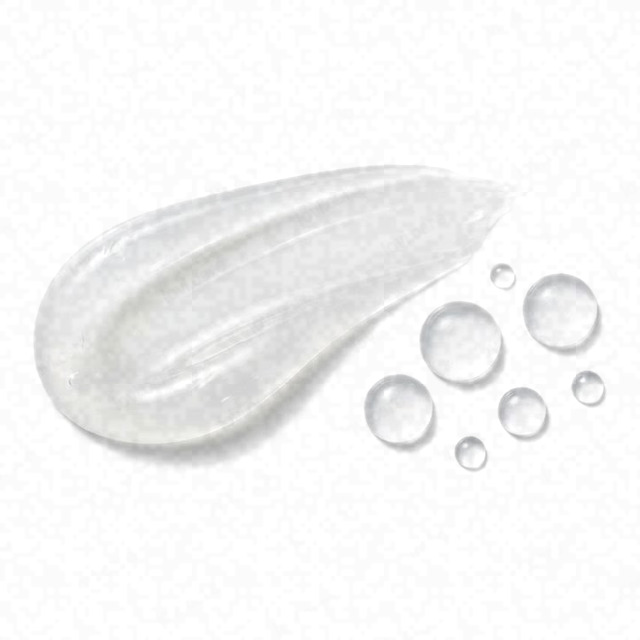 Silicone
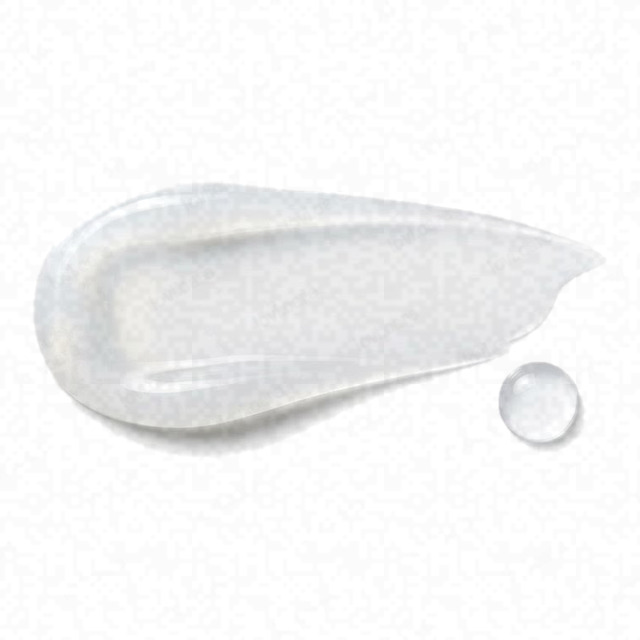 Dimethicone
Caution
- AverageCombination Skin Fit
- AverageEffectiveness
- RiskySafety
A poor match for combination skin; the serums alongside fit it better.
This fit is calculated for the concerns frequently associated with combination skin: an oily T-zone, enlarged pores, and dry cheeks. For scores and recommendations based on your full skin profile, including your 12D face scan results and any goals or preferences you have, please use the Lovi app.
Page built Nov 8, 2026How the Fit score works
Lovi Assistant explains
- Offers moderate scar treatment for your combination skin due to polysiloxanes and silicone dioxide, which hydrate and protect scar tissue while providing pore-filling effects that offer some benefit for oily shine.
- While these ingredients offer general skincare advantages, they are not specifically formulated to intensely manage excess oiliness.
How to apply
- Use your serum as part of your PM routine. Start using it 3 times a week and move to daily use if your skin likes it.
- Apply the serum after cleansing and toner, and right before your moisturizer.
- Gently press 2-3 drops of the serum into your skin and wait a minute ⏳for it to soak in.
- Apply the serum on clean and dry skin since your skin is not sensitive.
- Always do a patch test before using the serum for the first time, and avoid the eye area .
People Say
★4.2Overall rating based on 5.5k+ reviewsBased on a very large amount of data, users report this silicone gel is effective at softening and flattening raised scars, though consistent, long-term use is needed for changes in color and texture. Many appreciate its quick-drying, non-greasy formula, while a significant number of customers are frustrated with the rollerball applicator and the small quantity of product.
Highlights
Effective on surgical scars Often Mentioned
- “Scars from chest surgery are noticeably softer”
- “Incision from cancer removal is fairly smooth”
- “C-section scar looks much better”
- “Knee replacement scar improved quickly”
Excellent cosmetic elegance Often Mentioned
- “Not messy, no odor”
- “Dries quickly, not sticky”
- “Can wear makeup/sunscreen over it”
- “Non-greasy formula”
Faulty rollerball applicator Often Mentioned
- “Roller ball doesn't work/spin”
- “Feels like nothing comes out”
- “Had to cut tube open”
- “Hard to get gel out”
Efficient usage Sometimes Noted
- “A little dab goes a long way”
- “Pea-sized amount lasts months”
- “Tube lasts nearly 3 months”
Improves scar texture Sometimes Noted
- “Hard thick ridges are softer”
- “Helped reduce raised scars”
- “Flattened out lumpy scar”
- “Softens the edges of scars”
Poor value/quantity Sometimes Noted
- “Tube seems empty/mostly air”
- “Very small tube for the price”
- “Expensive for the amount”
- “Lasted only a few weeks”
Slow or no results Sometimes Noted
- “Used religiously but did nothing”
- “Takes months to see difference”
- “Keloids are taking longer”
Skin irritation Rarely Noted
- “Caused redness and burning”
- “Looked like incision was on fire”
- “Irritated my sensitive skin”
Sources: lovi.care, walmart.com, walgreens.com, skinsort.com, ebay.com, influenster.com, and more
Questions and answers
Why does Lovi advise caution with ScarAway Scar Gel for combination skin?
Lovi advises caution because ScarAway Scar Gel is not specifically formulated to intensely manage excess oiliness on combination skin. A product of this type needs effective ingredients like niacinamide, propolis, or zinc PCA that regulate oiliness, enhance radiance, and provide balanced hydration without risk of irritation.
Which ingredients make this gel a poor fit for combination skin?
Polysiloxanes and silicone dioxide make this gel a poor fit because they provide moderate scar treatment and pore-filling effects rather than intensely managing excess oiliness. A treatment for this skin needs ingredients like niacinamide, propolis, and zinc PCA to provide balanced hydration and regulate oiliness.
What do Silicones do for combination skin?
Silicones help keep combination skin feeling soft and smooth by locking in moisture without feeling heavy or greasy. They form a light, protective layer that is unlikely to clog pores, making them a safe choice for balancing both dry and oily areas.
What does Dimethicone do for combination skin?
Dimethicone helps keep combination skin smooth by forming a protective layer that holds in moisture without feeling heavy or greasy. When used as part of your daily routine, it may help improve overall skin barrier function and keep dry areas soft.
Clinical and Experimental Dermatology, 2007Skin Pharmacology and Physiology, 2014
Where does this gel go in a skincare routine for combination skin?
This treatment goes in the evening routine after cleansing and toning, and before moisturizing. A product for this skin needs ingredients that intensely manage excess oiliness alongside hydration.
Can I use this gel with retinol, and in what order?
You can use this gel in the evening after your cleanser, hydrating toner, and moisturizer, applying it only to the scar tissue. To properly fit combination skin, a scar treatment of this type also needs ingredients that intensely manage excess oiliness.
How often should I use this gel?
You can use this treatment in your evening routine, as Lovi routines suggest using treatments at night for simplicity and extra safety around sun exposure. Combination skin needs products that balance moisture while helping to manage excess oiliness.
Can this gel clog pores, cause breakouts or purging for combination skin?
ScarAway ScarAway Scar Gel is a poor match for your combination skin because, while its silicones help hydrate and protect scar tissue, they also have pore-filling effects that may worsen oily shine and cause breakouts. A product of this type needs ingredients that can deeply manage excess oiliness without clogging pores.
What the research says
Topical silicone gel significantly reduced scar pigmentation, height, and pliability scores postoperatively compared with placebos or no treatment in patients, while showing comparable efficacy to silicone gel sheets and other non-silicone topical treatments.
International Wound Journal, 2020Silicone particles encapsulating retinol increased its half-life by 9-fold and yielded 12-23% lower skin irritation in human subjects compared to Microsponge particles while maintaining biological activity.
Journal of Controlled Release, 2018Silicone gel sheeting may result in a slight reduction in pain compared with no treatment and a slight reduction in scar severity compared with topical onion extract in people with hypertrophic scars, but the certainty of evidence is low to very low.
The Cochrane Database of Systematic Reviews, 2021Silicone gel applied to median sternotomy wounds significantly reduced scar pigmentation, vascularity, pliability, height, pain, and itchiness compared to control wounds at three months postoperatively in 50 patients.
Plastic and Reconstructive Surgery, 2005Wearing an N95 mask alone compared to using dimethicone cream or hydrocolloid dressing caused more adverse skin reactions among 73 military health care workers, with no significant differences in fit test failure rates between groups.
Military Medicine, 2024A dimethicone skin protectant lotion significantly decreased visual scoring and transepidermal water loss compared to vehicle control and SLS-only treated sites in 12 healthy humans exposed to sodium lauryl sulfate.
Skin Research and Technology, 2000Treatment with a moisturizer containing dimethicone and glycerine increased epidermal thickness by 0.019 mm, improved barrier function by decreasing transepidermal water loss by 13%, decreased melanin intensity, and induced keratins 6 and 16 in fifteen women with moderately photoaged forearms.
Clinical and Experimental Dermatology, 2007
Ingredients
Polysiloxanes, Silicone Dioxide
Behind this fit score
Lovi calculates every fit score from the full ingredient list with brand-independent rules our dermatologists and cosmetic chemists build and review, and personalizes every pick with AI trained on the real results of millions of users. Lovi trains its fit score models on a proprietary dataset built from more than 10,000 expert-labeled products and more than 100,000 simulated examples, following an internally consistent methodology presented at Cosmoprof, AMWC, and Skin of Color Update.
-

Co-founder, Medical Director
Cosmetic chemist, cosmetologist, aesthetic products developer
-

Co-founder, CEO and CTO
PhD in computer science, 3x US patent holder, ex-Google, ex-Yandex
-

Dr. Sofía Perea Pérez, MD, MSc
Medical Board
Aesthetic medicine practitioner, MSc in Longevity and Anti-Aging Medicine
-

Medical Board
Specialist dermatologist, MBBS, MD, IFAAD
-

Medical Board
Cosmetic chemist, SCS, IFSCC member
-

Medical Board, Medical Advisor
Dermatology MD
-

Elina Nazarenko, MD
Medical Board
Dermatology and diagnostic consultant
-

Victoria Derkova, MS
Medical Board
Cosmetic chemist, cosmetic development technologist


How does it fit your skin?
Scan your face, then any product: Lovi shows how well it fits you and what fits even better.