PURA D'OR 20% Vitamin C Serum for acne-prone skin

 Ascorbic Acid
 Sodium Hyaluronate
 Retinol
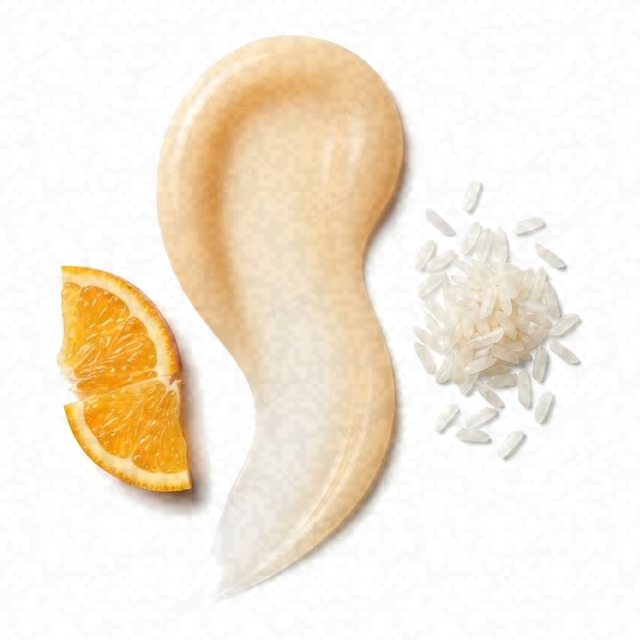 Ferulic Acid
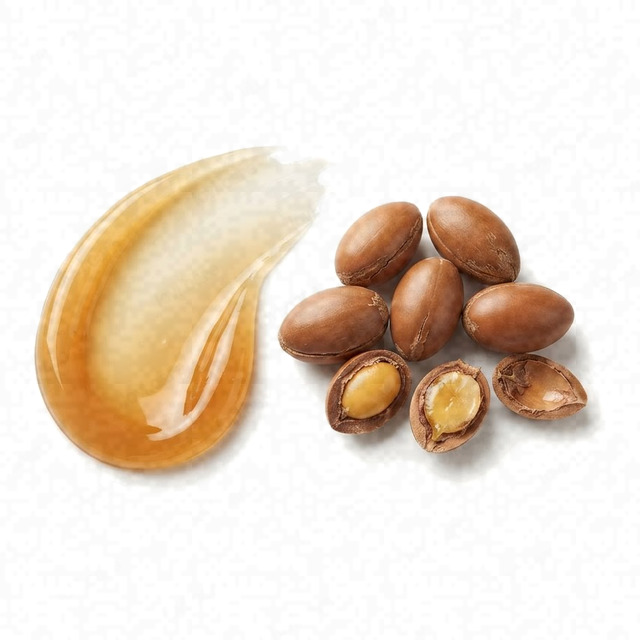 Argan Oil
Average
- AverageCombination Skin Fit
- AverageEffectiveness
- HighSafety
Works for acne-prone skin; other serums fit it better.
This fit is calculated for the concerns frequently associated with acne-prone skin: breakouts, blackheads, and post-acne marks. For scores and recommendations based on your full skin profile, including your 12D face scan results and any goals or preferences you have, please use the Lovi app.
Page built Nov 8, 2026How the Fit score works
Lovi Assistant explains
- Offers moderate skin brightening for your combination skin due to ascorbic acid and ferulic acid, which support antioxidant activity and collagen synthesis, but lacks sufficient ingredients for optimal oil control on your oily areas.
- Glycerin and sodium hyaluronate provide general hydration benefits, which are mostly supportive for your acne, blemishes, and breakouts.
- The product is safe for your combination skin with no risks of irritation due to the absence of prohibited or harsh ingredients.
How to apply
- Use your serum as part of your PM routine and start 3x/week before working up to daily use.
- Apply this treatment after cleansing and toner, and before your moisturizer.
- Gently press 2-3 drops of the serum into your skin and let it absorb for a minute.
- Apply the product on clean, dry skin to help manage your breakouts safely.
- Avoid the eye area and do a patch test before your first use.
People Say
★4.6Overall rating based on 32.6k+ reviewsBased on a very large amount of data, this serum is highly regarded for improving skin radiance, firmness, and texture, making it a popular choice for those targeting signs of aging and hyperpigmentation. While it is generally well-tolerated by various skin types, users emphasize the importance of consistent use and proper sun protection due to its active ingredients.
Highlights
Brightens skin Mostly Mentioned
- “Complexion is brighter”
- “noticeable glow”
- “radiant appearance”
Great value Often Mentioned
- “Generous amount”
- “affordable price”
- “lasts a long time”
Reduces lines Often Mentioned
- “Softened fine lines”
- “wrinkles less noticeable”
- “firmer skin”
Oxidizes over time Often Mentioned
- “Turns yellow/brown”
- “loses effectiveness”
- “must use quickly”
Lightweight texture Sometimes Noted
- “Absorbs quickly”
- “not greasy”
- “no sticky residue”
Strong scent Sometimes Noted
- “Noticeable chemical smell”
- “citrus scent too strong”
- “off-putting”
Packaging issues Rarely Noted
- “Pump dispenser concerns”
- “hard to finish bottle”
Potential irritation Rarely Noted
- “Slight tingling”
- “too intense for some”
- “not for beginners”
Sources: lovi.care, purador.com, walmart.com, influenster.com, youtube.com, hwahae.com, and more
Questions and answers
How well does PURA D'OR 20% Vitamin C Serum work for acne-prone skin?
This serum works moderately well for acne-prone skin, offering brightness and general hydration, though it lacks enough oil-controlling ingredients for optimal balance. To fit acne-prone skin best, a treatment of this type needs effective ingredients like niacinamide, zinc PCA, or propolis to control oil and manage breakouts without causing irritation.
Clinical, Cosmetic and Investigational Dermatology, 2017Journal of Cosmetic Dermatology, 2020
Which ingredients make this serum a good fit for acne-prone skin?
Glycerin and sodium hyaluronate provide general hydration that is supportive for breakouts, while ascorbic acid and ferulic acid offer brightening benefits. However, because this serum lacks sufficient oil-controlling ingredients for oily areas, acne-prone skin needs products containing niacinamide, zinc PCA, and propolis to balance oil and manage blemishes effectively.
Journal of the American Academy of Dermatology, 2008Journal of Cosmetic Dermatology, 2008
What does Vitamin C do for acne-prone skin?
Vitamin C helps brighten skin, smooth out uneven tones, and fade dark spots left behind by breakouts. It is also packed with antioxidants that may help protect acne-prone skin from everyday environmental stress.
Journal of Cosmetic Dermatology, 2023Journal of Drugs in Dermatology, 2024
What does Hyaluronic Acid do for acne-prone skin?
Hyaluronic acid helps acne-prone skin by soothing irritation, calming redness, and keeping the skin balanced without clogging pores. When combined with targeted ingredients like zinc oxide, it may also help reduce breakouts.
Where does this serum go in a skincare routine for acne-prone skin?
This treatment serum goes in the evening routine after cleansing and before moisturizing, which keeps the routine simple and safe around sun exposure. A product of this type needs brightening ingredients like ascorbic acid and ferulic acid along with oil-controlling ingredients to properly fit acne-prone skin.
Can I use this serum with niacinamide, and in what order?
You can use this serum with niacinamide by applying niacinamide first and waiting a few minutes before putting on this vitamin C serum. This combination helps brighten your skin and keep it smooth, though acne-prone skin also needs targeted oil control ingredients to work best.
Journal of Cosmetic Dermatology, 2020Journal of the American Academy of Dermatology, 2008
How often should I use this serum?
You can use this serum in the evening. A product of this type needs extra oil-controlling ingredients to work well for acne-prone skin.
Can this serum clog pores, cause breakouts or purging for acne-prone skin?
This serum is unlikely to cause irritation on your acne-prone skin because it lacks harsh or prohibited ingredients, though it may not control oil as well as other options. An acne-friendly choice for this skin type typically needs extra ingredients for oil control.
Is this serum fragrance-free and alcohol-free?
Yes, it has no fragrance and no drying alcohol.
What the research says
A topical serum containing vitamin C, vitamin E, and raspberry leaf cell culture extract improved skin color, elasticity, radiance, smoothness, scaliness, and wrinkles compared to the untreated contralateral side in fifty female volunteers.
Journal of Cosmetic Dermatology, 2020A topical antioxidant solution of 15% L-ascorbic acid, 1% alpha-tocopherol, and 0.5% ferulic acid provides significant photoprotection against solar-simulated UV radiation in human skin compared to its vehicle.
Journal of the American Academy of Dermatology, 2008Pretreatment with a topical antioxidant mixture of vitamin C, ferulic acid, and phloretin attenuated ultraviolet-induced sunburn cell formation, thymine dimer formation, matrix metalloproteinase-9 expression, p53 protein expression, and the suppression of CD1a-expressing Langerhans cells in human skin compared to vehicle control.
Journal of Cosmetic Dermatology, 2008A single application of a moisturizing fluid containing hyaluronic acid 1%, glycerin 5%, and Centella asiatica stem cells extract significantly increased skin hydration by 29% and reduced transepidermal water loss at 24 hours compared to baseline and an untreated control site in twenty healthy women.
Clinical, Cosmetic and Investigational Dermatology, 2017Topical application of 5% vitamin C cream significantly improved global clinical scores, increased skin microrelief density, and induced elastic tissue repair in photoaged skin compared to excipient control in healthy female volunteers.
Experimental Dermatology, 2003Ascorbic acid 2-glucoside gel significantly reduced gingival melanin pigmentation after 4 weeks compared to placebo in 73 subjects with symmetric pigmentation.
Journal of Periodontology, 2009Topical application of VC-IP cream twice daily for 8 weeks reduces periorbital wrinkles in female subjects compared to a placebo cream.
Journal of Cosmetic Dermatology, 2022Topical application of 0.1% hyaluronic acid formulations of different molecular weights led to significant improvements in skin hydration and elasticity, with low-molecular-weight formulations also significantly reducing wrinkle depth in seventy-six female subjects compared to a vehicle control.
Journal of Drugs in Dermatology, 2011Topical application of hyaluronic acid in conjunction with free gingival graft significantly reduced donor site postoperative pain until day 7 compared to normal saline, with no significant differences in graft dimensions or patient satisfaction.
Clinical Oral Investigations, 2022Treatment with a hyaluronic acid-containing mouth rinse or topical gel led to significant lesion reduction, pain relief, and normalization of lesion color in adult patients with minor recurrent aphthous stomatitis, with the gel formulation showing an earlier healing onset at 3 days.
BMC Oral Health, 2019Topical 0.4% retinol significantly increased epidermal thickness, dermal vascularity, and extracellular matrix production by stimulating keratinocyte proliferation, endothelial cell proliferation, and fibroblast activation in naturally aged human skin compared to vehicle.
International Journal of Cosmetic Science, 2017Topical bakuchiol 0.5% applied twice daily compared with retinol 0.5% applied daily significantly decreased wrinkle surface area and hyperpigmentation with no statistical difference between the compounds in 44 patients over 12 weeks, while retinol users reported more facial skin scaling and stinging.
The British Journal of Dermatology, 2019Silicone particles encapsulating retinol increased its half-life by 9-fold and yielded 12-23% lower skin irritation in human subjects compared to Microsponge particles while maintaining biological activity.
Journal of Controlled Release, 2018Treatment with 14% ferulic acid and 12% l-ascorbic acid significantly reduced pigmentation and erythema while improving hydration and elasticity in 20 women with photoaged skin, with neither acid proving definitively more effective overall though ascorbic acid showed slightly greater skin lightening.
Dermatologic Therapy, 2022Combining fractional microneedle radiofrequency with a topical antioxidant serum significantly reduced wrinkle severity by 29.9% versus 18.0%, increased elasticity by 12.9% versus 2.3%, and improved aesthetic outcomes in 31 participants compared to radiofrequency and placebo.
The Journal of Dermatological Treatment, 2025Topical ferulic acid-containing formulations effectively reduce skin erythema, hyperpigmentation, and signs of aging in adults compared to baseline or alternative conditions.
The Journal of Clinical and Aesthetic Dermatology, 2025A combination cream of stimu-tex AS and saccharide isomerate reduced erythema, increased skin capacitance, and reduced transepidermal water loss compared to placebo in 20 subjects after fractional CO2 laser procedure without causing serious adverse events.
Lasers in Medical Science, 2025Topical application of an argan oil NLC-based hydrogel formulation increased skin hydration in healthy volunteers over a one-month period through a synergistic effect of NLC occlusion and argan oil hydration.
International Journal of Nanomedicine, 2014Incorporating allantoin into argan oil enriched liposomes improved its accumulation in the dermis (~8.7μg/cm(2)) and permeation through the skin (~33μg/cm(2)) compared to conventional liposomes, water dispersion, and a commercial gel.
International Journal of Pharmaceutics, 2016
Why other serums fit acne-prone skin better
A panthenol-enriched mask improved skin hydration, regulated sebum, and reduced redness and TEWL across dry sensitive, oily sensitive, and oily acne skin subgroups with excellent tolerance and no adverse reactions.
Journal of Cosmetic Dermatology, 2024A cream combining propolis, tea tree oil, and Aloe vera reduced erythema scars, acne severity index, and total lesion count better than erythromycin cream in sixty patients with mild to moderate acne vulgaris compared to placebo.
Clinical Pharmacology, 2018Topical nicotinamide plus an antibacterial adhesive agent and zinc-pyrrolidone carboxylic acid combined with adapalene significantly reduced noninflammatory acne lesions by the second week of therapy compared to placebo with adapalene in patients with moderate acne vulgaris.
The Journal of Clinical and Aesthetic Dermatology, 2020
Ingredients
Decolorized Aloe Barbadensis Leaf Juice Aloe Barbadensis Leaf Juice, Ascorbic Acid, Propanediol, Witch Hazel Bark Extract, Tremella Fuciformis Sporocarp Extract White Jelly Mushroom Extract, Betaine, Glycerin, Sodium Hyaluronate, Ferulic Acid, Dimethyl Sulfone, Tocopherol Vitamin E, Argania Spinosa Kernel Oil Argan Kernel Oil, Retinol Vitamin A, Jojoba Seed Oil, Citrus Aurantium Dulcis Peel Oil, Phytic Acid, Sodium Citrate, Sodium Metabisulfite, Xanthan Gum, Caprylyl Glycol, Caprylhydroxamic Acid, Polysorbate 20
Behind this fit score
Lovi calculates every fit score from the full ingredient list with brand-independent rules our dermatologists and cosmetic chemists build and review, and personalizes every pick with AI trained on the real results of millions of users. Lovi trains its fit score models on a proprietary dataset built from more than 10,000 expert-labeled products and more than 100,000 simulated examples, following an internally consistent methodology presented at Cosmoprof, AMWC, and Skin of Color Update.
-

Co-founder, Medical Director
Cosmetic chemist, cosmetologist, aesthetic products developer
-

Co-founder, CEO and CTO
PhD in computer science, 3x US patent holder, ex-Google, ex-Yandex
-

Dr. Sofía Perea Pérez, MD, MSc
Medical Board
Aesthetic medicine practitioner, MSc in Longevity and Anti-Aging Medicine
-

Medical Board
Specialist dermatologist, MBBS, MD, IFAAD
-

Medical Board
Cosmetic chemist, SCS, IFSCC member
-

Medical Board, Medical Advisor
Dermatology MD
-

Elina Nazarenko, MD
Medical Board
Dermatology and diagnostic consultant
-

Victoria Derkova, MS
Medical Board
Cosmetic chemist, cosmetic development technologist


How does it fit your skin?
Scan your face, then any product: Lovi shows how well it fits you and what fits even better.