
La Roche-Posay Mela B3 Brightening Micro-Peeling Gel

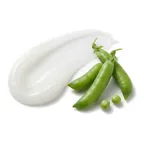 Niacinamide
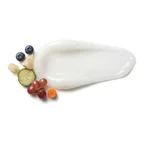 Pha Polyhydroxy Acid
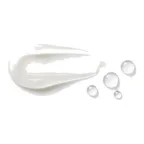 Glycerin
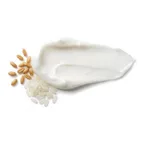 Ceramide Np
 2-Mercaptonicotinoyl Glycine
Niacinamide, glycerin, and ceramide np regulate oil production, provide hydration, and support the skin barrier, so it suits most skin types. For skin that needs oil control, products with salicylic acid get higher fit scores. Where to buy in Germany: Amazon.de, €17.65.
Each fit is calculated for the concerns frequently associated with that skin type. For scores and recommendations based on your full skin profile, including your 12D face scan results and goals, use the Lovi app.
Updated How the Fit score works
Where it fits best and least
Best fit High
Oily Skin, Dry Skin, Combination Skin, Sensitive Skin, Skin with Dark Spots, Mature Skin, Dry Sensitive Skin
One of the best products for oily skin.
- Highly suitable for your oily skin due to the presence of gluconolactone and citric acid with keratolytic action, and niacinamide for seboregulation, which aid in smoothing texture and managing oily shine.
Lowest fit Average
Acne-Prone Skin, Oily Acne-Prone Skin
Works for acne-prone skin; other products fit it better.
- Offers moderate exfoliation for your combination skin due to citric acid and gluconolactone, which help smooth texture and provide mild keratolytic action beneficial for combination skin.
Buy online

Prices checked 22 Nov 2026
The Lovi Fit is the same in every country; only the stores and prices differ, and the ones here are for Germany.
How to apply
- Use this exfoliant product as part of your PM routine once a week. Start slowly and build up frequency only if your skin tolerates it well.
- Apply the exfoliant after cleansing and toner, but right before your moisturizer.
- Gently press 2-3 drops of the exfoliant into your skin and let it absorb fully. Avoid any harsh rubbing to keep your skin calm.
- Always avoid the delicate eye area when applying. Be sure to use a broad-spectrum SPF 30+ daily while using exfoliating acids.
People Say
★4.6Overall rating based on 800+ reviewsUsers with hyperpigmentation and dullness frequently praise this cleanser for its ability to gently exfoliate and smooth skin texture without stripping moisture. While many report a brighter, more radiant complexion, a subset of users with stubborn dark spots found it ineffective or were put off by its fragrance and residual film.
Highlights
Gentle and non-drying Mostly Mentioned
- “cleans without stripping”
- “no tight feeling”
- “gentle on sensitive skin”
- “skin feels soft”
Pleasant usage experience Often Mentioned
- “foams up well”
- “feels refreshing”
- “little goes a long way”
- “luxurious lather”
Smoothes skin texture Often Mentioned
- “skin feels smoother”
- “soft to the touch”
- “helps with texture”
- “gentle exfoliation”
Brightens complexion Sometimes Noted
- “skin looks brighter”
- “radiant glow”
- “tone looks more uniform”
- “less opaque”
Ineffective on spots Sometimes Noted
- “did nothing”
- “no difference visible”
- “dark spots remained”
- “0/10 results”
Caused irritation Rarely Noted
- “did not suit skin”
- “caused breakouts”
- “skin felt sensitized”
- “redness after use”
Leaves a film Rarely Noted
- “leaves weird film”
- “sticky residue”
- “feels like a coating”
- “hard to rinse”
Strong fragrance Rarely Noted
- “fragranced trash”
- “smell is overpowering”
- “dislike the scent”
- “too much perfume”
Sources: lovi.care, laroche-posay.ca, laroche-posay.co.uk, lovelyskin.com, skinmiles.com, reddit.com, and more
Questions and answers
What makes Mela B3 Brightening Micro-Peeling Gel a great fit for oily skin?
This gel is a great fit for oily skin because gluconolactone and citric acid gently smooth texture, while niacinamide helps control oily shine without the risk of harsh irritation. Glycerin also adds lightweight hydration to keep your skin feeling soft and balanced.
Journal of Cosmetic Dermatology, 2021Skin Research and Technology, 2023
What makes La Roche-Posay Mela B3 Brightening Micro-Peeling Gel a great fit for combination skin?
La Roche-Posay Mela B3 Brightening Micro-Peeling Gel is a great fit because it gently smooths texture and manages oily shine using a blend of acids, glycerin, and niacinamide. This formulation keeps your skin hydrated and clean while offering safe, mild exfoliation that is unlikely to cause irritation.
Skin Research and Technology, 2023The British Journal of Dermatology, 1997
How well does La Roche-Posay Mela B3 Brightening Micro-Peeling Gel work for acne-prone skin?
This product works decently for acne-prone skin, offering gentle exfoliation and calming support with ingredients like gluconolactone and niacinamide. However, products that fit this skin best need targeted breakout-fighting ingredients like propolis or zinc PCA along with balancing hydrators to keep oil and dryness in check.
The Australasian Journal of Dermatology, 1992Journal of Cosmetic Dermatology, 2021
How well does La Roche-Posay Mela B3 Micro-Peeling Gel work for oily acne-prone skin?
La Roche-Posay Mela B3 Brightening Micro-Peeling Gel works moderately well for oily acne-prone skin, gently removing dead skin cells and supporting the skin barrier while managing breakouts. To fit this skin type as well as top-rated products do, an exfoliant treatment needs a combination of soothing extracts, oil-controlling ingredients, and strong blemish-fighting agents like benzoyl peroxide or vitamin C.
Skin Research and Technology, 2023Journal of Cosmetic Dermatology, 2021
Can I use this exfoliant with retinol, and in what order?
You can use this exfoliant in your PM routine on nights you do not apply retinol, as alternating them helps prevent irritation. Apply the exfoliant after cleansing and before your moisturizer to keep your skin smooth and balanced.
How often should I use this exfoliant?
Start by using this exfoliant once a week, and if your skin feels comfortable and you see good results, you may carefully use it more often. This gradual approach helps your skin adjust safely without irritation.
Is this exfoliant fragrance-free and alcohol-free?
It has no drying alcohol and contains fragrance (parfum).
What makes Mela B3 Brightening Micro-Peeling Gel a great fit for dry skin?
La Roche-Posay Mela B3 Brightening Micro-Peeling Gel is a great fit because it offers moderate exfoliation with glycerin for holding in moisture, while citric acid and Pha Polyhydroxy Acid gently smooth texture and help clear away flakiness. It is safe for your skin with no risk of irritation since it lacks harsh ingredients.
Clinical, Cosmetic and Investigational Dermatology, 2017Cutis, 2004
What makes La Roche-Posay Mela B3 Brightening Micro-Peeling Gel a great fit for skin with dark spots?
La Roche-Posay Mela B3 Brightening Micro-Peeling Gel is a great fit because it uses citric acid and gluconolactone to gently smooth texture and fade dark spots, while niacinamide and 2-mercaptonicotinoyl glycine help brighten skin and prevent new pigmentation. Ceramides are also included to support your skin barrier and keep it healthy.
The British Journal of Dermatology, 2002Journal of Cosmetic Dermatology, 2024
What makes Mela B3 Brightening Micro-Peeling Gel a great fit for sensitive skin?
This exfoliant treatment is a great fit because it uses gentle polyhydroxy acids to smooth your skin texture without causing harsh irritation. It also features niacinamide and ceramides to help support your skin barrier and keep your skin feeling calm and comfortable.
What makes Mela B3 Brightening Micro-Peeling Gel a great fit for mature skin?
This exfoliant treatment is a great fit because niacinamide helps even out your skin tone while gluconolactone gently smooths away fine lines and wrinkles. It also keeps your skin soft and comfortable with a safe, irritation-free formula.
Dermatologic Surgery, 1997The British Journal of Dermatology, 2002
What makes Mela B3 Brightening Micro-Peeling Gel a great fit for dry sensitive skin?
This product is a great fit because it gently smooths dry and flaky texture with mild acids while hydrating ingredients like glycerin keep skin comfortable. Niacinamide further supports your skin by helping repair its barrier, and the formula is unlikely to irritate sensitive skin.
What the research says
Gluconolactone 14% solution significantly improved mild to moderate acne by reducing inflamed and non-inflamed lesions similarly to 5% benzoyl peroxide, but with fewer side-effects in 150 patients.
The Australasian Journal of Dermatology, 1992A single application of a moisturizing fluid containing hyaluronic acid 1%, glycerin 5%, and Centella asiatica stem cells extract significantly increased skin hydration by 29% and reduced transepidermal water loss at 24 hours compared to baseline and an untreated control site in twenty healthy women.
Clinical, Cosmetic and Investigational Dermatology, 2017Topical nicotinamide prevented solar-simulated UV-induced immunosuppression in healthy volunteers, and men experienced immunosuppression at solar-simulated UV doses three times lower than those required for women.
The Journal of Investigative Dermatology, 2008Topical 5% niacinamide applied twice daily for 12 weeks reduced fine lines and wrinkles, hyperpigmented spots, red blotchiness, and skin sallowness, and improved skin elasticity compared to vehicle control in 50 female white subjects with facial photoaging.
Dermatologic Surgery, 2005Topical 2% niacinamide significantly decreased sebum excretion rate in Japanese individuals and casual sebum levels in Caucasian individuals compared to placebo or baseline.
Journal of Cosmetic and Laser Therapy, 2006Glycolic acid, salicylic acid, gluconolactone, and licochalcone A combined with 0.1% adapalene showed no hindrance compared to adapalene monotherapy and provided benefits in reducing complications in 25 subjects with mild-to-moderate acne vulgaris.
Clinical, Cosmetic and Investigational Dermatology, 2019Gluconolactone and tartaric acid significantly lower transepidermal water loss and erythema after sodium lauryl sulphate challenge compared to vehicle, untreated control, and glycolic acid in healthy subjects.
The British Journal of Dermatology, 1997The emollient V0034CR significantly reduced TEWL compared to vehicle and vehicle plus glycerol, and significantly increased corneometry scores compared to vehicle and vehicle plus petrolatum in healthy volunteers with dry skin, demonstrating combined barrier function improvement from petrolatum and hydration improvement from glycerol.
Journal of Cosmetic Dermatology, 2020Ten days of treatment with a cream containing 20% glycerin significantly increased skin hydration measured by corneometer values in 17 healthy volunteers compared to a placebo cream, but showed no influence on transepidermal water loss or skin sensitivity to an irritating surfactant.
International Journal of Cosmetic Science, 2001Ceramide and niacinamide-containing moisturizer combined with anti-acne treatment significantly improved non-inflammatory, inflammatory, and total acne lesions compared to hydrophilic cream in 40 patients with mild to moderate acne vulgaris after 8 weeks.
Journal of Cosmetic Dermatology, 2024Topical application of a pseudo-ceramide-containing spray improved stratum corneum water content, transepidermal water loss, cell area, and scaling score, and normalized the ceramide profile in patients with dry and sensitive skin compared to a control spray.
Journal of Cosmetic Dermatology, 2025Treatment with 2-mercaptonicotinoyl glycine (2-MNG) significantly reduced immediate darkening and inhibited new melanin production in subjects with melanin-rich skin compared to vehicle controls.
Journal of Cosmetic Dermatology, 20242-mercaptonicotinoyl glycine 0.5% ranked first with a high probability of immediate and persistent efficacy against UV daylight-induced pigmentation compared with 13 other reference molecules in women with skin phototype III.
Journal of the European Academy of Dermatology and Venereology, 2024Topical 2-mercaptonicotinoyl glycine (0.5% or 1%) significantly decreased high energy visible light-induced pigmentation compared to vehicle in 58 individuals with Fitzpatrick Phototype III or IV, whereas ascorbic acid 7% showed no efficacy.
Frontiers in Pharmacology, 2025Lactobionic acid produced better skin performance with a lack of skin irritation and barrier impairment compared to glycolic acid in 77 healthy volunteers.
Journal of Cosmetic Dermatology, 2010Gluconolactone treatment significantly increased facial skin hydration in 16 healthy women, with no significant differences between 10% and 30% solutions.
Skin Research and Technology, 2021Niacinamide/glycerin body moisturizers provided better rapid and prolonged improvement of cosmetic xerosis through functional improvement of stratum corneum barrier function compared to no treatment and conventional moisturizers in female subjects.
Journal of Drugs in Dermatology, 2012Daily treatment with a facial serum containing multiple acids reduced post-inflammatory hyperchromia lesion grade and number by 29.4% at 56 days, and decreased skin oiliness by 30.7% at 7 days in Brazilian patients with acne vulgaris.
Journal of Cosmetic Dermatology, 2021Combining 10% gluconolactone chemical peeling with oxybrasion or microneedle mesotherapy increased skin hydration and decreased sebum, pH, and TEWL in twenty-one Caucasian women, with no significant differences between the two methods.
Skin Research and Technology, 2023A polyhydroxy acid skin care regimen provided antiaging benefits comparable to an alpha-hydroxyacid regimen while demonstrating enhanced mildness and better tolerance in subjects.
Cutis, 2004Niacinamide significantly decreased hyperpigmentation and increased skin lightness compared with vehicle alone after 4 weeks of use in women by inhibiting melanosome transfer.
The British Journal of Dermatology, 2002Topical 20% citric acid lotion increases viable epidermal thickness and dermal glycosaminoglycan content in sun-damaged skin compared to vehicle alone.
Dermatologic Surgery, 1997Treatment with a combination of niacinamide and hyaluronic acid improved skin aging signs and demonstrated a senomorphic effect by decreasing SASP and autocrine signaling genes in women.
Scientific Reports, 2024In 50 participants with sensitive skin, a Ceramide NP C15-containing emollient improved skin barrier function with a significant reduction in transepidermal water loss and induced modest changes in skin microbiota compared to the vehicle.
Skin Pharmacology and Physiology, 2026Topical application of 1,3-propanediol at various concentrations, alone or combined with butylene glycol and/or glycerol, increased skin hydration and reduced trans epidermal water loss in 30 healthy female subjects over an 8-hour period, with the 15% concentration and the addition of glycerol providing greater benefits.
International Journal of Cosmetic Science, 2024A novel composition containing salicylic acid, capryloyl salicylic acid, HEPES, glycolic acid, citric acid, and dioic acid showed similar tolerance and efficacy compared with clindamycin 1% and benzoyl peroxide 5% gel in subjects with acne vulgaris.
Journal of Drugs in Dermatology, 2013Combining a 20% lactobionic acid peel with aluminum oxide crystal microdermabrasion increases skin hydration, improves elasticity, and decreases transepidermal water loss in 20 Caucasian females compared to lactobionic acid peel alone.
Journal of Cosmetic Dermatology, 2019Carboxytherapy alone and combined with lactobionic acid, ferulic acid, and ascorbic acid significantly reduced vascular dark circles and combined pigmentation in the tear trough and lower eyelid of 39 Caucasian participants.
Clinical, Cosmetic and Investigational Dermatology, 2024
Ingredients
Water, Glycerin, Coco-Betaine, Propanediol, Sodium Cocoyl Glycinate, Peg-120 Methyl Glucose Dioleate, Sodium Hydroxide, Sodium Chloride, Citric Acid, Gluconolactone, Ceramide Np, Niacinamide, 2-Mercaptonicotinoyl Glycine, Sodium Thiosulfate, Disodium Edta, Capryloyl Glycine, Caprylyl Glycol, Trisodium Ethylenediamine Disuccinate, Pentylene Glycol, Acrylates Copolymer, Tocopherol, Tocopheryl Acetate, Parfum
Behind these fit scores
Lovi calculates every fit score from the full ingredient list with brand-independent rules our dermatologists and cosmetic chemists build and review, and personalizes every pick with AI trained on the real results of millions of users. Lovi trains its fit score models on a proprietary dataset built from more than 10,000 expert-labeled products and more than 100,000 simulated examples, following an internally consistent methodology presented at Cosmoprof, AMWC, and Skin of Color Update.
-

Co-founder, Medical Director
Cosmetic chemist, cosmetologist, aesthetic products developer
-

Co-founder, CEO and CTO
PhD in computer science, 3x US patent holder, ex-Google, ex-Yandex
-

Dr. Sofía Perea Pérez, MD, MSc
Medical Board
Aesthetic medicine practitioner, MSc in Longevity and Anti-Aging Medicine
-

Medical Board
Specialist dermatologist, MBBS, MD, IFAAD
-

Medical Board
Cosmetic chemist, SCS, IFSCC member
-

Medical Board, Medical Advisor
Dermatology MD
-

Elina Nazarenko, MD
Medical Board
Dermatology and diagnostic consultant
-

Victoria Derkova, MS
Medical Board
Cosmetic chemist, cosmetic development technologist


How does it fit your skin?
Scan your face, then any product: Lovi shows how well it fits you and what fits even better.