KraveBeauty Great Barrier Relief for acne-prone skin

 Niacinamide
 Squalane
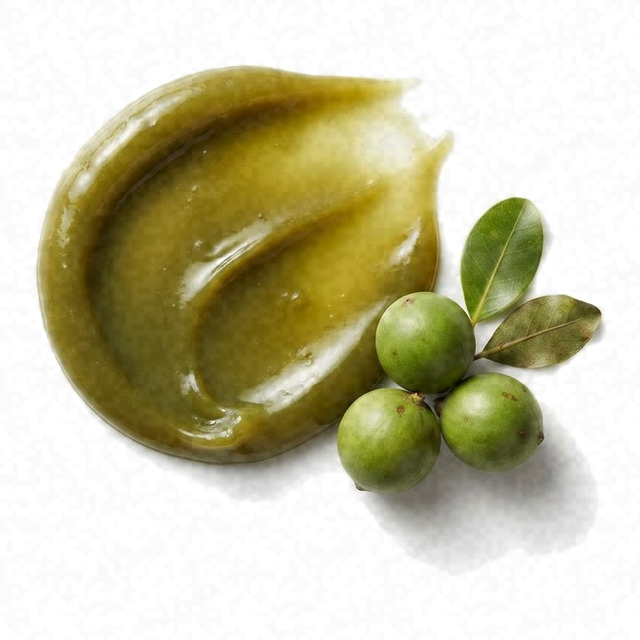 Calophyllum Inophyllum Oil
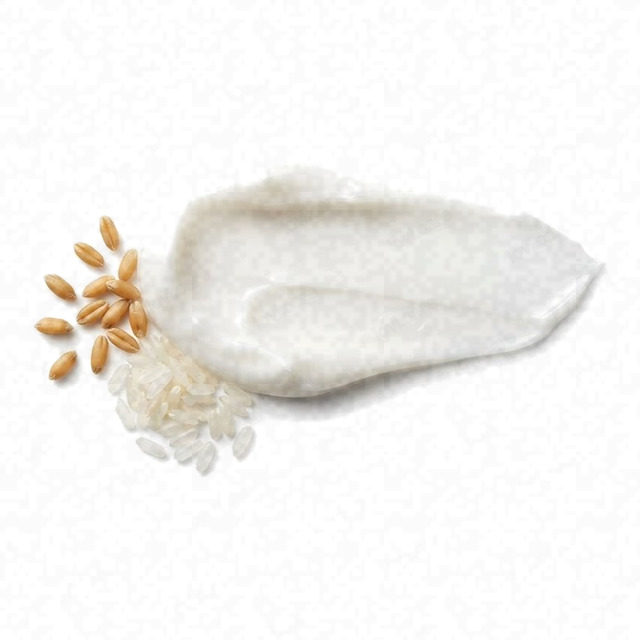 Ceramide Np
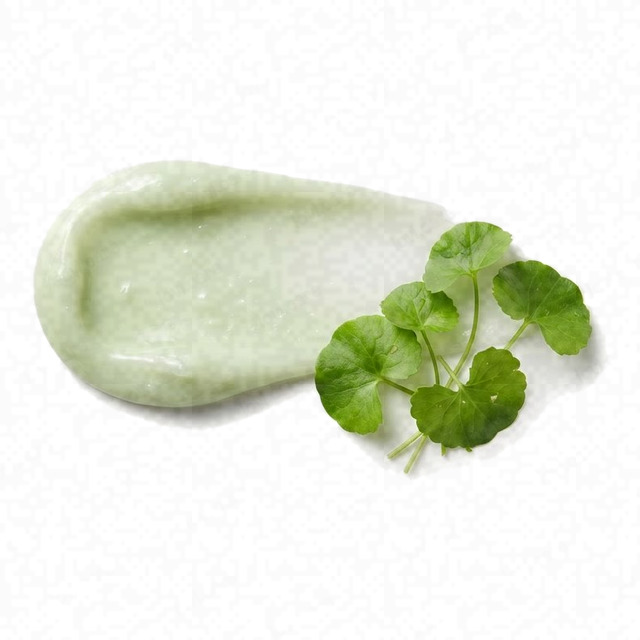 Centella Asiatica
High
- HighCombination Skin Fit
- HighEffectiveness
- ExcellentSafety
A great choice for acne-prone skin; a few serums fit it even better.
This fit is calculated for the concerns frequently associated with acne-prone skin: breakouts, blackheads, and post-acne marks. For scores and recommendations based on your full skin profile, including your 12D face scan results and any goals or preferences you have, please use the Lovi app.
Page built Nov 8, 2026How the Fit score works
Lovi Assistant explains
- Highly suitable for your combination skin, this product effectively repairs your skin barrier with niacinamide and ceramides, while lactic acid offers gentle exfoliation to help with your acne and breakouts.
- Sodium hyaluronate and squalane provide essential hydration and support skin barrier function, addressing your primary concerns without causing irritation.
- The formula is safe for your acne-prone skin, containing soothing ingredients like niacinamide and urea with no harsh or prohibited substances.
How to apply
- Use your serum as part of your PM routine and start 3x/week before working up to daily use.
- Apply this treatment after cleansing and toner, and before your moisturizer.
- Gently press 2-3 drops of the serum into your skin and let it absorb for a minute.
- Apply the product on clean, dry skin to help manage your breakouts safely.
- Avoid the eye area and do a patch test before your first use.
People Say
★4.6Overall rating based on 400+ reviewsThis serum is widely praised as a "reset button" for compromised skin barriers, effectively soothing redness, irritation, and sensitivity caused by over-exfoliation or environmental stressors. Users with acne-prone and dry skin report significant improvements in hydration and texture, though the unique earthy scent of tamanu oil is a polarizing feature.
Highlights
Soothing & calming Mostly Mentioned
- “calms redness”
- “soothes irritation”
- “relieves itchiness”
- “reduces inflammation”
Hydrating texture Often Mentioned
- “creamy but lightweight”
- “absorbs well”
- “non-greasy finish”
- “plumps skin”
Restores skin barrier Often Mentioned
- “heals damaged skin”
- “strengthens barrier”
- “reset button”
- “saved my skin”
Strong scent Often Mentioned
- “smells like celery”
- “earthy/nutty smell”
- “funky odor”
- “smell is off-putting”
Fades hyperpigmentation Sometimes Noted
- “fades acne scars”
- “brightens complexion”
- “evens skin tone”
- “helps with dark spots”
Price point Sometimes Noted
- “expensive for size”
- “small bottle”
- “pricey”
- “runs out quickly”
Caused breakouts Rarely Noted
- “caused bumps”
- “triggered acne”
- “clogged pores”
- “broke me out”
Greasy for oily skin Rarely Noted
- “too heavy”
- “left oily residue”
- “sticky finish”
- “shiny face”
Sources: lovi.care, sephora.sg, pickyskincare.com, skinsort.com, influenster.com, cultbeauty.co.uk, and more
Questions and answers
What makes KraveBeauty Great Barrier Relief a great fit for acne-prone skin?
KraveBeauty Great Barrier Relief is a great fit for your acne-prone skin because it repairs your skin barrier with niacinamide and ceramides while using gentle lactic acid to help with breakouts. Sodium hyaluronate and squalane add essential hydration to keep your skin smooth without causing irritation.
Journal of Nanobiotechnology, 2025Journal of Pharmacy & Pharmaceutical Sciences, 2015
Which ingredients make this cream a good fit for acne-prone skin?
This cream is a great fit for your acne-prone skin because it uses niacinamide and ceramides to repair your skin barrier while lactic acid gently exfoliates to help clear breakouts. It also includes soothing ingredients like urea alongside squalane and sodium hyaluronate to provide essential hydration without causing irritation.
Journal of Nanobiotechnology, 2025Journal of Pharmacy & Pharmaceutical Sciences, 2015
What does Niacinamide do for acne-prone skin?
Niacinamide helps acne-prone skin by reducing both inflamed and uninflamed breakouts and calming redness. It is also very helpful for keeping oily skin balanced by cutting down on excess oil production, and it is well tolerated by most people.
What does Squalane do for acne-prone skin?
Squalane may help keep acne-prone skin soft and smooth, but peroxidated forms can trigger inflammation in skin cells. For a better fit on acne-prone skin, products need non-clogging, soothing ingredients that balance oil without causing irritation.
Where does this cream go in a skincare routine for acne-prone skin?
This treatment goes in your evening routine after cleansing and toning, and before moisturizing. Using it at night helps avoid any extra sensitivity around sun exposure.
Can I use it with retinol, and in what order?
You can use this treatment alongside retinol by applying the treatment first to soothe your skin, followed by your retinol. This pairing helps keep your skin calm and hydrated while delivering your active ingredients safely.
How often should I use this cream?
This treatment is a great fit for your acne-prone skin and is best used in your evening routine. You can start by applying it once a week, and if your skin feels good and tolerates it well, you may carefully use it more often.
Can it clog pores, cause breakouts or purging for acne-prone skin?
This product is a great fit for your acne-prone skin and is unlikely to cause breakouts, as it contains soothing ingredients with a very low likelihood of clogging pores. Reviewers rarely report breakouts, and the formula focuses on repairing the skin barrier and gently soothing irritation.
Is KraveBeauty Great Barrier Relief fragrance-free and alcohol-free?
Yes, it has no fragrance and no drying alcohol.
What the research says
Application of squalene/phosphotungstate calcium nanowires (Sql/PWC) oleogel on UVB-irradiated skin decreased epidermal thickness, increased dermal thickness, and promoted the expression of elastin, collagen, and skin barrier markers through antioxidant and anti-inflammatory activities.
Journal of Nanobiotechnology, 2025Hyaluronic acid extracts are safe and efficacious products for skin repair when used in tissue regeneration alone or in combination with herbal or Western medicine.
Journal of Pharmacy & Pharmaceutical Sciences, 2015Optimized transfersomes loaded with epigallocatechin-3-gallate and hyaluronic acid increased cell viability while reducing lipid peroxidation, intracellular ROS, and MMP expression in HaCaT cells, and exhibited higher skin permeation and deposition compared to plain EGCG.
Drug Delivery, 2017Topical post-laser application of human adipocyte-derived mesenchymal stem cell media combined with niacinamide significantly improved wrinkle index, melanin index, patient satisfaction, and investigator esthetic improvement scores compared to vehicle cream in patients with aging skin.
Journal of Cosmetic Dermatology, 2021Topical nicotinamide prevented solar-simulated UV-induced immunosuppression in healthy volunteers, and men experienced immunosuppression at solar-simulated UV doses three times lower than those required for women.
The Journal of Investigative Dermatology, 2008Topical 5% niacinamide applied twice daily for 12 weeks reduced fine lines and wrinkles, hyperpigmented spots, red blotchiness, and skin sallowness, and improved skin elasticity compared to vehicle control in 50 female white subjects with facial photoaging.
Dermatologic Surgery, 2005Squalane at 0.005-0.015% counteracts UVA-induced oxidative stress, inflammation, and collagen metabolism inhibition while stimulating fibroblast migration in human dermal fibroblasts.
Molecules, 2025Plant-derived squalane protected human dermal fibroblasts against UVA-induced damage by counteracting ROS formation, suppressing apoptosis-related proteins p53, caspase-3, caspase-9, and PARP, and restoring the pro-survival p-Akt/mTOR pathway.
Antioxidants, 2025Tamanu oil emulsion induced cell proliferation, glycosaminoglycan and collagen production, wound healing activity, and modulated gene expression in human skin cells compared to untreated cells.
Planta Medica, 2016Tamanu oil bigels demonstrated wound-healing and scar-reduction potential with good binding affinity to the TGF-beta1 receptor and better healing properties than a commercial formulation in rats, without causing dermal irritation in rabbits.
Pharmaceuticals, 2024Topical application of tamanu oil accelerated the formation of macrophage-granulation tissues and fibrosis while resulting in less wound contraction compared to normal saline and Centella asiatica in rats with induced wounds.
Journal of Wound Care, 2021Topical application of 0.05% w/w ECa 233 gel reduced erythema index by 0.03 U and improved early crusting and general wound appearance compared to placebo in thirty individuals undergoing facial laser resurfacing.
Journal of Alternative and Complementary Medicine, 2020A single application of a moisturizing fluid containing hyaluronic acid 1%, glycerin 5%, and Centella asiatica stem cells extract significantly increased skin hydration by 29% and reduced transepidermal water loss at 24 hours compared to baseline and an untreated control site in twenty healthy women.
Clinical, Cosmetic and Investigational Dermatology, 2017Moisturizer containing 5% panthenol, madecassoside, and copper-zinc-manganese decreased adverse reactions and downtime after ablative fractional carbon dioxide laser resurfacing with comparable efficacy to 0.02% triamcinolone acetonide cream in 20 subjects.
Journal of Cosmetic Dermatology, 2019
Ingredients
Water, Propanediol, Calophyllum Inophyllum Seed Oil, Dipropylene Glycol, Niacinamide, Carthamus Tinctorius Seed Oil, Cetearyl Olivate, Polysorbate 60, Rosa Canina Oil Fruit, Glyceryl Oleate, Sorbitan Olivate, Sorbitan Oleate, Octyldodecanol, Glycerin, Butylene Glycol, Sodium Hyaluronate, Squalane, Serine, Acetyl Glutamine, Glycine, Ceramide Np, Oleic Acid, Sodium Pca, Glycosyl Trehalose, Caprylic Capric Triglyceride, Glycine Soja Soybean Sterols, Saccharide Isomerate, Avena Sativa Kernel Flour Oat Kernel Flour, Disodium Phosphate, Sodium Phosphate, Tocopheryl Acetate, Coco-Caprylate Caprate, Lactic Acid, Xanthan Gum, Urea, Hydroxyethyl Acrylate Sodium Acryloyldimethyl Taurate Copolymer, Hydrogenated Olive Oil, Magnesium Chloride, 1,2-Hexanediol, Hydroxyacetophenone, Glyceryl Caprylate, Pentylene Glycol, Caprylyl Glycol, Disodium Edta
Behind this fit score
Lovi calculates every fit score from the full ingredient list with brand-independent rules our dermatologists and cosmetic chemists build and review, and personalizes every pick with AI trained on the real results of millions of users. Lovi trains its fit score models on a proprietary dataset built from more than 10,000 expert-labeled products and more than 100,000 simulated examples, following an internally consistent methodology presented at Cosmoprof, AMWC, and Skin of Color Update.
-

Co-founder, Medical Director
Cosmetic chemist, cosmetologist, aesthetic products developer
-

Co-founder, CEO and CTO
PhD in computer science, 3x US patent holder, ex-Google, ex-Yandex
-

Dr. Sofía Perea Pérez, MD, MSc
Medical Board
Aesthetic medicine practitioner, MSc in Longevity and Anti-Aging Medicine
-

Medical Board
Specialist dermatologist, MBBS, MD, IFAAD
-

Medical Board
Cosmetic chemist, SCS, IFSCC member
-

Medical Board, Medical Advisor
Dermatology MD
-

Elina Nazarenko, MD
Medical Board
Dermatology and diagnostic consultant
-

Victoria Derkova, MS
Medical Board
Cosmetic chemist, cosmetic development technologist


How does it fit your skin?
Scan your face, then any product: Lovi shows how well it fits you and what fits even better.